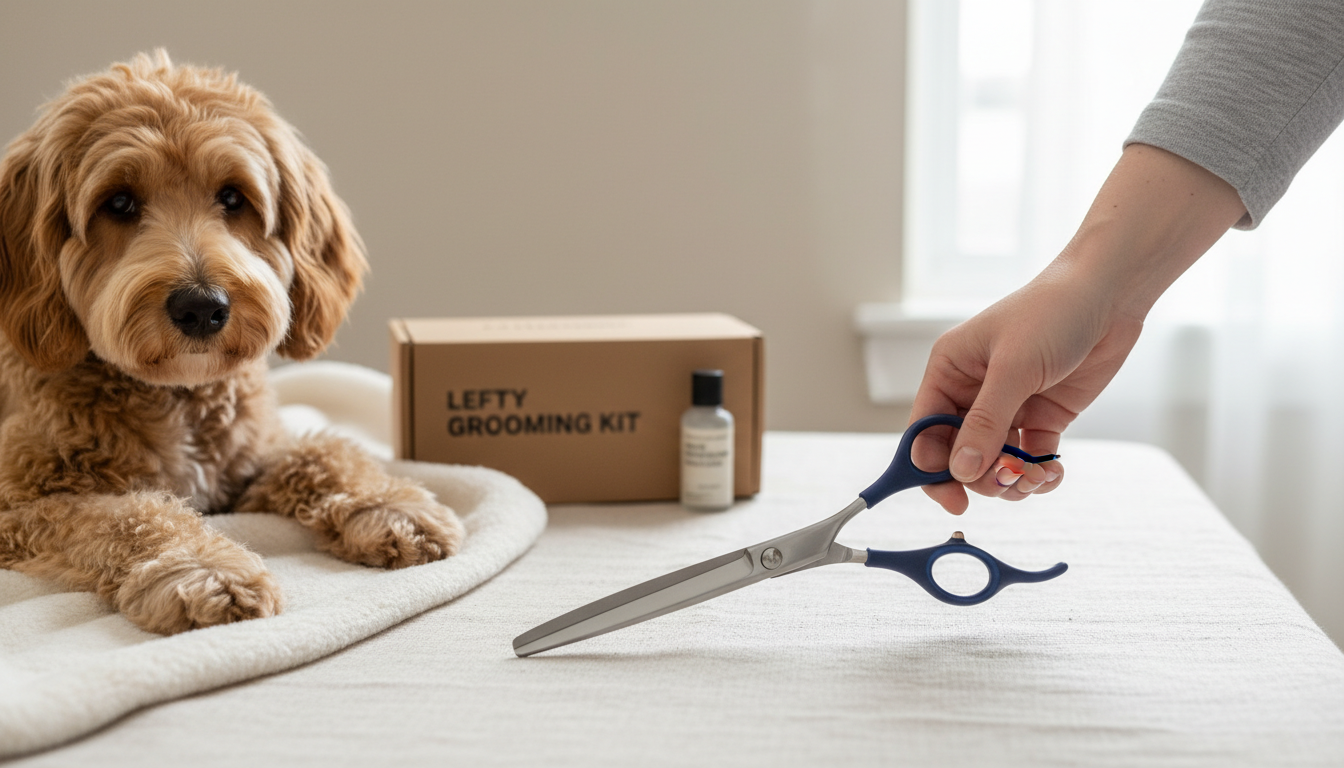
Finding the Best Left-Handed Dog Grooming Shears: Comfort and Control for Southpaw Groomers
Why Left-Handed Dog Grooming Shears Are Essential for Southpaw Groomers
For left-handed dog groomers, navigating a world of tools primarily designed for right-handed users can be a constant source of frustration and inefficiency. Standard grooming shears, while effective for right-handed individuals, present significant ergonomic challenges for southpaws. Their reversed blade configuration and handle contours force a left-handed user into an unnatural grip, hindering control and often leading to subpar grooming results.
Attempting to use right-handed shears with the left hand means the blades are oriented to push hair away rather than cut cleanly, resulting in jagged lines, increased effort, and potential damage to the coat. More critically, this ergonomic mismatch can lead to sustained physical discomfort, including hand fatigue, wrist strain, and even the risk of repetitive stress injuries like carpal tunnel syndrome or tendonitis over time.
Specialized left-handed dog grooming shears address these issues directly. They are engineered with the blade configuration and handle ergonomics specifically for a left-handed grip, often identifiable by the pivot screw being on the top when held correctly. This design offers several key advantages:
- Improved Comfort: Handles are contoured to fit the left hand naturally, reducing strain and fatigue during long grooming sessions.
- Enhanced Control: A proper grip allows for finer motor control, crucial for detailed work and intricate cuts.
- Superior Precision: Blades are correctly oriented to slice through hair cleanly, preventing pushing or bending and ensuring smooth, even lines.
- Reduced Risk: Minimizing physical strain helps mitigate the risk of hand and arm injuries for the groomer.
Choosing the right left-handed shears is not just about convenience; it's about investing in tools that support your health, improve your craft, and ensure the best possible experience for both groomer and dog. Understanding these fundamental differences is the first step toward making an informed selection.
Understanding the Unique Design of Left-Handed Shears
Left-handed dog grooming shears are not merely right-handed shears flipped over; they are fundamentally re-engineered to accommodate the biomechanics of a left-handed groomer. This specialized design ensures optimal function, comfort, and precision, addressing the core challenges southpaws face with conventional tools.
The most critical distinction lies in the blade orientation. For a left-handed shear, the blade that moves (the cutting blade) is positioned on the left side, and the stationary blade is on the right when the shear is held correctly. This reversal ensures that the top blade is always on the left, allowing for a clean, scissor-over-comb cut where the hair is cleanly sliced rather than pushed or bent. Without this specific orientation, a left-handed groomer using right-handed shears would find the blades pushing hair away, leading to uneven cuts and increased effort.
Beyond the blades, ergonomic considerations are paramount in left-handed shear design:
- Handle Contours: The handles are sculpted to fit the natural curve and grip of the left hand, providing a secure and comfortable hold. This prevents the awkward contortions often necessary when a left-handed groomer attempts to adapt to a right-handed tool.
- Finger Holes: The finger and thumb holes are specifically sized and angled for left-hand fingers, reducing pressure points and allowing for proper finger placement. This facilitates better control and reduces the likelihood of slipping.
- Finger Rests: Integrated finger rests or tangs are positioned to support the left pinky finger, offering stability and leverage during cutting. This small detail significantly contributes to balance and reduces strain on the hand and wrist.
Another key design element is the placement of the pivot screw. On many left-handed shears, the pivot screw is positioned on the top side when the shear is held in the left hand. This strategic placement not only aids in maintaining the correct cutting angle but also improves visibility of the cutting line, which is crucial for precision grooming.
Collectively, these design choices are essential for preventing common grooming-related injuries. By allowing the hand, wrist, and arm to operate in a natural, unstrained position, left-handed shears significantly reduce the risk of:
- Hand strain and muscle fatigue.
- Wrist pain and discomfort.
- Repetitive stress injuries such as carpal tunnel syndrome or tendonitis.
Investing in shears with these specific left-handed design features is a proactive step toward maintaining long-term comfort and efficiency in your grooming practice.
Key Factors When Choosing Your Left-Handed Grooming Shears
Selecting the appropriate left-handed grooming shears involves more than just ensuring the blades are configured correctly. For southpaw groomers, each design element contributes to comfort, control, and ultimately, the quality of the groom. Considering these specific factors helps ensure your investment supports both your technique and long-term hand health.
-
Ergonomics and Hand Comfort True left-handed shears feature handles specifically contoured to fit the left hand, with the thumb and finger holes positioned for a natural grip. This design minimizes strain and prevents the awkward positioning often required when using right-handed tools. Look for offset handles, which can further reduce thumb fatigue, and consider adjustable or removable finger rests for a custom fit. Proper ergonomics are critical to mitigate the risk of hand fatigue and repetitive strain injuries during extended grooming sessions.
-
Blade Material and Edge Quality The performance and longevity of your shears largely depend on the blade material. High-quality stainless steel, often Japanese or German, is preferred for its durability, corrosion resistance, and ability to hold a sharp edge. Different grades of steel offer varying levels of hardness and edge retention. A superior edge allows for clean, precise cuts without bending or pushing the hair, which is particularly important for a smooth finish.
-
Blade Style and Length for Task Versatility A comprehensive set of left-handed shears typically includes various blade styles and lengths, each suited for specific grooming tasks:
- Straight Shears: Essential for general cutting, shaping, and achieving clean lines. Available in various lengths, with longer blades suitable for larger dog breeds and body work, and shorter blades for detail work around paws and faces.
- Curved Shears: Ideal for creating rounded shapes, blending, and following the natural contours of a dog's body, such as around the head or hips.
- Thinning Shears (or Blenders): Designed to remove bulk, soften harsh lines, and blend different coat lengths without leaving noticeable cut marks. The number of teeth influences the amount of hair removed and the blending effect.
-
Tension System and Adjustability An adjustable tension screw is a critical feature, allowing you to customize the cutting feel of your shears. Proper tension ensures the blades glide smoothly past each other without excessive resistance or looseness. Too tight, and your hand will tire quickly; too loose, and the shears may fold hair instead of cutting it cleanly. The ability to fine-tune this tension allows the groomer to adapt the shears to different coat types and personal preference.
-
Shear Weight and Balance The overall weight and balance of the shears significantly impact comfort and control. While some groomers prefer a slightly heavier shear for a sense of stability, many find lighter models reduce hand fatigue during long grooming sessions. A well-balanced shear distributes its weight evenly, making it feel like an extension of your hand rather than a cumbersome tool. Test the balance by holding the shears in your working hand.
-
Maintenance Needs for Longevity Even the highest quality left-handed shears require regular maintenance to preserve their performance. This includes daily cleaning to remove hair and debris, oiling the pivot screw to ensure smooth operation, and professional sharpening as needed. Understanding these requirements before purchasing helps ensure your shears remain sharp, functional, and last for many years, protecting your investment in specialized tools.
Matching Shears to Your Dog's Coat and Grooming Style
Selecting the appropriate left-handed grooming shears goes beyond just finding a comfortable grip; it involves matching the tool's design to the dog's coat, size, and the desired grooming outcome. A thoughtful selection ensures efficiency, enhances safety, and helps achieve a professional finish, all while maintaining the ergonomic benefits crucial for left-handed groomers.
Different shear types serve distinct purposes in the grooming process:
- Straight Shears: These are fundamental for general cutting, creating crisp lines, and initial bulk removal. Their straight blades offer precision for tidying up edges on legs, paws, and body outlines. For left-handed users, the correct blade orientation ensures a clean cut rather than pushing hair.
- Curved Shears: Designed with a gentle arc, curved shears are essential for shaping rounded contours, such as on a poodle's topknot, sculpted legs, or a rounded tail. They allow a left-handed groomer to follow the natural curves of the dog's body without creating harsh angles, improving aesthetic flow.
- Thinning/Blending Shears: Featuring one serrated blade and one straight blade, these shears remove bulk and soften harsh lines without significantly altering coat length. They are invaluable for blending different coat lengths, debulking thick areas, and creating a natural, feathery finish. Left-handed thinning shears ensure the cutting action pulls hair correctly into the serrated teeth.
The choice of shears is also heavily influenced by the dog's specific coat type:
- Thick or Dense Coats: Longer, heavier straight shears (7-10 inches) can efficiently remove significant bulk. Thinning shears with fewer teeth (e.g., 20-30 teeth) are effective for aggressive debulking without leaving noticeable marks.
- Curly or Wavy Coats: Curved shears are vital for sculpting and maintaining the characteristic shape of breeds like Poodles or Bichon Frises. Blending shears help soften the transition points and create a fluffy, uniform appearance.
- Fine or Silky Coats: Shorter, sharper straight shears (4-6 inches) offer precision for delicate work. Thinning shears with more teeth (e.g., 40-50 teeth) provide subtle blending and a very natural finish, minimizing the risk of over-thinning.
- Double Coats: Thinning shears are crucial for managing the dense undercoat and blending the guard hairs, especially during shedding seasons, without compromising the protective outer layer.
Matching shear size to the dog's overall size is critical for both safety and efficiency. Longer shears (7-10 inches) cover more area, making them efficient for larger breeds or broad body sections. Conversely, shorter shears (4-6 inches) offer superior control and precision, making them safer for detail work around delicate areas like the face, ears, paws, and sanitary regions, especially on smaller dogs. A left-handed groomer will find these size variations equally important for maintaining control and preventing accidental nicks.
To handle a diverse range of grooming needs, building a versatile set of left-handed shears is a practical approach. Most groomers benefit from a core collection that includes:
- One pair of general-purpose straight shears (e.g., 6.5-7.5 inches).
- One pair of curved shears for shaping (e.g., 6.5-7.5 inches).
- One pair of thinning or blending shears.
As your experience grows and you encounter different breeds, you might expand this set with specialized lengths or thinning ratios. This modular approach allows for adaptation to various coat types and grooming styles, ensuring you always have the right left-handed tool for the job.
Common Mistakes to Avoid When Buying Left-Handed Shears
Selecting the right left-handed grooming shears is a critical decision that impacts both your performance and physical well-being. Overlooking specific design nuances or prioritizing convenience can lead to frustration, poor grooming outcomes, and even long-term discomfort. Being aware of these common pitfalls can guide you toward a more effective purchase.
A primary error is persisting with right-handed shears. While it might seem manageable initially, using tools designed for the opposite hand forces an unnatural grip and cutting motion. This can result in:
- Suboptimal Cutting: Blades are oriented to push hair away rather than cleanly slice it, leading to jagged lines and a less refined finish.
- Increased Effort: More force is required to achieve a cut, leading to unnecessary strain.
- Physical Discomfort: Prolonged use contributes to hand fatigue, wrist pain, and a heightened risk of repetitive strain injuries like carpal tunnel syndrome.
Another significant misconception revolves around shears marketed as "ambidextrous." True left-handed shears feature a distinct blade configuration, where the top blade is on the left when held in the left hand, and the pivot screw is typically positioned on the top. This design ensures the blades meet correctly for a clean cut and that tension can be adjusted effectively. Ambidextrous shears often lack this specific blade alignment and ergonomic handle contouring crucial for a left-handed groomer, meaning they may not offer the precision or comfort of a dedicated left-handed tool.
Furthermore, prioritizing a low initial cost over shear quality can be a false economy. Inexpensive shears often use lower-grade materials that dull quickly, lose their edge, and may require frequent sharpening or replacement. This not only adds to long-term costs but can also compromise grooming quality, potentially pulling or damaging the dog's coat. Investing in shears made from high-quality stainless steel, known for its durability and edge retention, can offer better performance and longevity.
Finally, neglecting proper maintenance can quickly degrade even the most expensive and well-designed left-handed shears. Without consistent cleaning and oiling, hair and moisture can accumulate, affecting blade action and causing premature wear. Regular care is essential for:
- Maintaining Sharpness: Prevents rust and keeps blades operating smoothly.
- Extending Lifespan: Protects the integrity of the metal and moving parts.
- Consistent Performance: Ensures shears deliver reliable, clean cuts with every use.
Making Your Informed Decision: Investing in the Right Tools
Choosing left-handed dog grooming shears is more than a simple purchase; it's an investment in your personal comfort, the quality of your grooming work, and your long-term physical health. For southpaw groomers, tools designed specifically for left-hand use are crucial for preventing strain and achieving precise results. Prioritizing the ergonomic fit and blade quality over the initial price can lead to significant benefits, mitigating the risk of repetitive stress injuries and enhancing efficiency during grooming sessions.
When evaluating options, consider these personalized factors:
- Ergonomic Fit: The handles should conform naturally to your left hand, allowing for a relaxed grip without pinching or excessive pressure. This reduces fatigue and the potential for conditions like carpal tunnel syndrome or tendonitis.
- Blade Quality: Look for shears made from high-quality stainless steel. This material typically offers better edge retention, allowing for cleaner cuts and requiring less frequent sharpening, which contributes to a smoother grooming experience.
- Personal Hand Size: Shears come in various sizes. A pair that feels balanced and appropriately sized for your hand will offer superior control and comfort.
- Dog Size and Coat Type: Longer blades might be suitable for larger dogs or extensive body work, while shorter blades offer more precision for smaller areas or intricate detailing. Consider the typical coat types you'll be working with, as some require sharper, more robust blades.
- Specific Grooming Tasks: Identify the primary tasks you'll be performing. Will you need straight shears for general body work, curved shears for shaping, or thinning shears for blending? Your specific needs will guide your selection.
Ultimately, the "best" left-handed dog grooming shears are those that feel comfortable in your hand and perform effectively for your individual grooming style and needs. While price points vary widely, a higher cost does not automatically guarantee the perfect fit. Focus on how the shears feel and perform during use, understanding that a well-suited tool is a valuable asset for any left-handed groomer.
Frequently Asked Questions About Left-Handed Dog Grooming Shears
Left-handed groomers often have specific questions when seeking specialized tools. Understanding the nuances of left-handed shears can clarify choices and prevent common pitfalls.
What makes a shear 'left-handed'?
A truly left-handed shear is engineered from the ground up for a southpaw's grip and cutting motion, rather than simply being a right-handed shear with a reversed handle. Key distinctions include:
- Blade Orientation: The top blade is on the left when held, ensuring a clean cut that pushes hair away from the blade edge, similar to how a right-handed shear works for a right-handed user. If the blades were merely flipped, hair would be pushed into the blades, resulting in a poor cut.
- Handle Ergonomics: The finger holes and thumb rest are contoured to fit the left hand naturally, reducing strain and providing a comfortable, secure grip. This prevents the awkward positioning often required when using right-handed tools.
- Pivot Screw Placement: When held correctly in the left hand, the pivot screw is typically visible on the top side of the shear. This confirms the correct blade alignment for left-handed cutting.
This specialized design is crucial for achieving precision, comfort, and preventing repetitive strain injuries.
Can a right-handed person use left-handed shears?
While physically possible to hold, a right-handed person attempting to use left-handed shears would encounter the same ergonomic and functional challenges a left-handed person faces with right-handed tools. The blade orientation would push hair away from the cutting edge rather than into it, leading to inefficient, jagged cuts and increased effort. The handle contours would also feel unnatural and uncomfortable, potentially causing hand fatigue and reducing control. For optimal performance and comfort, groomers should always use shears designed for their dominant hand.
How often should left-handed grooming shears be sharpened?
The frequency of sharpening depends on several factors, including how often the shears are used, the types of coats they cut (coarser coats dull blades faster), and how well they are maintained (cleaning and oiling after each use). There isn't a universal schedule, but professional groomers often find their primary shears benefit from sharpening every 3-6 months with regular use. Home groomers using shears less frequently might extend this to once a year. It is crucial to have them professionally sharpened by a specialist experienced with grooming shears to maintain their specific edge and angle.
Are more expensive left-handed shears always better?
Not necessarily. While higher-priced shears often feature superior materials (like high-carbon Japanese steel), advanced manufacturing, and refined ergonomics, cost alone isn't the sole indicator of suitability. The "best" shear is one that fits your hand comfortably, feels balanced, and performs well for your specific grooming tasks and the dogs you work with.
Consider these factors over just price:
- Material Quality: Good quality stainless steel is essential for sharpness retention and durability.
- Ergonomic Fit: The shear must feel comfortable in your hand.
- Blade Type: Ensure the blade type (straight, curved, thinning) matches your intended use.
- Craftsmanship: Look for smooth action and precise blade alignment.
An expensive shear that doesn't fit your hand or isn't appropriate for your needs will not perform better than a moderately priced, well-suited alternative.
What types of left-handed shears do I need for general grooming?
For general dog grooming, a left-handed groomer typically benefits from a foundational set that includes:
- Left-Handed Straight Shears: These are versatile for general trimming, creating clean lines, and bulk removal on various parts of the body. They are often the workhorse of a grooming kit.
- Left-Handed Curved Shears: Essential for shaping and finishing, especially around rounded areas like paws, heads, and topknots, or for creating specific contours on the body. They allow for a smooth, natural curve without awkward wrist angles.
- Left-Handed Thinning or Blending Shears: Used to remove bulk, soften harsh lines, and blend different coat lengths seamlessly. They are crucial for creating a natural, finished look without leaving scissor marks.
The specific lengths and styles within these categories can be further tailored based on the size of the dogs you groom and the types of cuts you perform most often.
Groom with Confidence and Comfort
Embracing dog grooming shears designed specifically for left-handed use is more than a preference; it's a strategic choice that can profoundly impact your comfort, efficiency, and the quality of your work. The shift from adapting to tools that fight your natural mechanics to wielding instruments that flow with your hand transforms the grooming experience, mitigating common issues like hand fatigue, wrist strain, and inconsistent cuts. This specialized design allows for a more intuitive grip and precise blade action, turning what might have been a struggle into a seamless process.
The insights gained on ergonomic considerations, blade types, and material quality are your roadmap to selecting shears that fit your unique needs. Apply this knowledge to evaluate options, considering how each feature contributes to your personal comfort and the specific demands of your grooming tasks. Investing in tools that honor your dominant hand is an investment in your long-term well-being and professional growth.
With the right left-handed shears in hand, you can approach every grooming session with renewed confidence and control. This empowers you to achieve cleaner lines, smoother finishes, and a more enjoyable experience for both you and the dogs you groom, ultimately leading to consistently professional results with greater ease.
More in Dog Grooming Shears
View All
Dog Grooming Shears at PetSmart: Value Options for Casual Home Groomers
Compare dog grooming shears petsmart with a practical informational SEO brief, decision criteria, FAQs, and publishing checks before you commit.
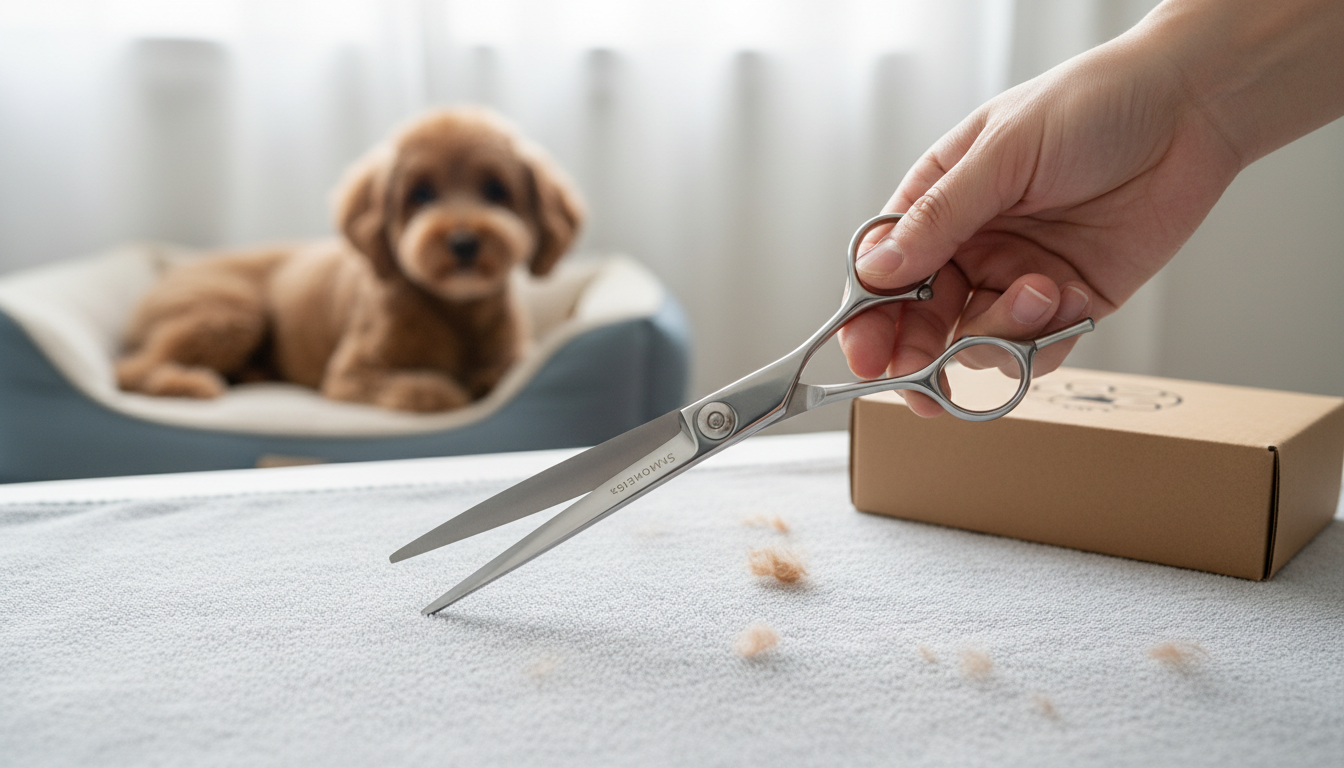
Swivel Dog Grooming Shears: Enhancing Comfort and Control for Detailed Trimming
Compare swivel dog grooming shears with a practical informational SEO brief, decision criteria, FAQs, and publishing checks before you commit.
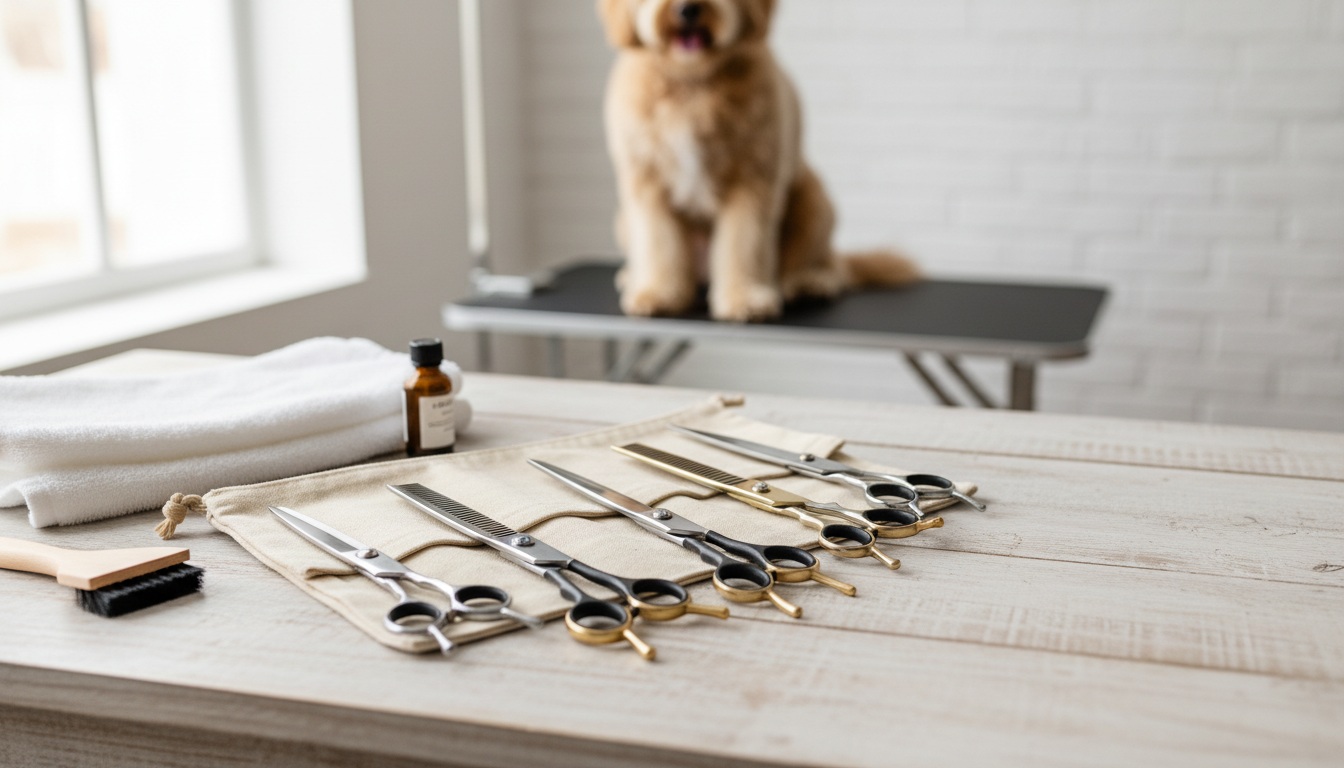
Investing in High-Quality Dog Grooming Shears: What to Look for in Professional-Grade Tools
Compare high quality dog grooming shears with a practical informational SEO brief, decision criteria, FAQs, and publishing checks before you commit.