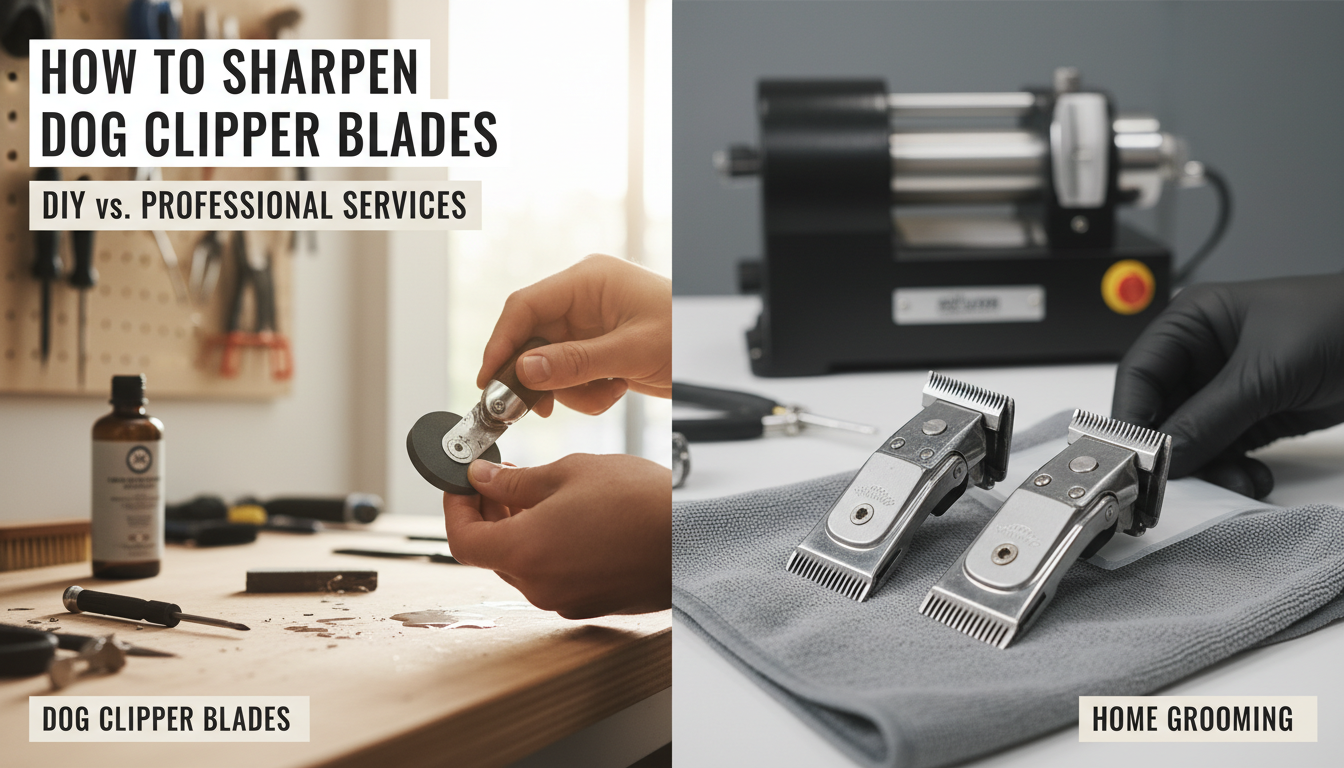
How to Sharpen Dog Clipper Blades: DIY vs. Professional Services
Is It Time to Sharpen Your Dog Clipper Blades?
A smooth, efficient grooming session for your dog relies heavily on the sharpness of your clipper blades. Over time, even the highest quality blades will lose their edge, transforming a routine trim into a frustrating and uncomfortable experience for both you and your pet. Recognizing when your blades are dull is the first step toward restoring effective grooming.
Dull clipper blades present several clear indicators:
- Hair pulling or snagging: Instead of cleanly cutting, the blades tug at your dog's coat, causing discomfort and potentially pain.
- Uneven or patchy results: The blades struggle to cut consistently, leading to an unprofessional and untidy finish.
- Excessive blade heat: Dull blades generate more friction, causing them to heat up rapidly and potentially burn your dog's skin.
- Increased grooming time: You'll find yourself making multiple passes over the same area, prolonging the grooming process unnecessarily.
When these signs appear, dog owners face a critical decision: attempt to sharpen the blades at home or seek professional sharpening services. Each approach has distinct implications for blade longevity, cutting performance, and overall cost. This article aims to equip you with the knowledge to weigh these options, considering your specific blade types and grooming needs, to ensure optimal results and your dog's comfort.
Understanding Dog Clipper Blades and Why They Dull
Dog clipper blades are precision cutting tools, essential for effective grooming. While they may appear simple, their design and material composition directly influence their performance and how they wear over time. A foundational understanding of these components is crucial for making informed decisions about sharpening.
Most dog clippers utilize a two-part blade system: a stationary comb blade and a moving cutter blade. These blades are often standardized, with A5 blades being a widely recognized format that allows interchangeability across many professional-grade clipper brands. The cutting surfaces themselves are typically made from one of two primary materials:
- Steel Blades: These are the most common type, offering durability and a consistently sharp edge. They are usually carbon steel, sometimes with a chrome or titanium coating for enhanced hardness and rust resistance.
- Ceramic Blades: Often found as the moving cutter blade paired with a steel comb blade, ceramic offers several advantages. Ceramic blades tend to stay cooler during use due to lower friction and can retain a sharp edge for longer than traditional steel. However, they are more brittle and can chip or break if dropped.
Regardless of their material, all clipper blades are subject to wear that inevitably leads to dullness. This process is a combination of several factors:
- Friction: The constant high-speed movement of the cutter blade against the comb blade generates friction. This friction, even when blades are properly lubricated, gradually wears down the microscopic cutting edges.
- Hair and Debris: Dog hair, especially dense or dirty coats, contains microscopic grit and abrasive particles. These act like sandpaper, accelerating the dulling process with each pass. Trapped hair and debris can also impede the blades' movement, increasing friction.
- Corrosion and Rust: Exposure to moisture, grooming products, and even natural oils from the dog's coat can lead to corrosion if blades are not properly cleaned, dried, and oiled after each use. Rust pits the blade surface, compromising sharpness.
- Impact and Misalignment: Dropping blades, even from a short height, can bend teeth or chip edges, instantly rendering them dull or unusable. Improper reassembly or storage can also lead to misalignment, preventing a clean cut.
The consequences of using dull clipper blades extend beyond just a poor haircut. For your dog, dull blades can cause:
- Pain and Discomfort: Instead of cutting cleanly, dull blades pull and snag hair, causing an unpleasant sensation that can make grooming a stressful experience.
- Skin Irritation: Increased friction from dull blades generates more heat, which can quickly become uncomfortably hot and potentially burn your dog's skin. The pulling action can also lead to razor burn or skin irritation.
- Inefficient Grooming: You'll find yourself making multiple passes over the same area, struggling to achieve an even cut. This prolongs the grooming session, increasing stress for both you and your pet.
Sharp blades are fundamental for a safe, comfortable, and efficient grooming experience. They glide smoothly through the coat, making precise cuts without pulling, reducing the risk of skin irritation, and ensuring a professional finish in less time. Recognizing the signs of dullness and understanding its causes is the first step toward maintaining your grooming equipment and prioritizing your dog's well-being.
The DIY Approach: Methods, Risks, and Limitations of Home Sharpening
The appeal of sharpening dog clipper blades at home often stems from a desire for immediate solutions and cost savings. While various DIY methods exist, understanding their underlying principles, the skill required, and their inherent limitations—especially concerning different blade types—is crucial before attempting them.
Common DIY sharpening methods typically involve abrasive surfaces:
- Whetstones or Sharpening Stones: These stones, available in various grits, are used to abrade the blade's cutting edge. The process generally involves moving the blade across the stone at a consistent angle, often with a lubricant (water or honing oil) to facilitate cutting and prevent clogging.
- Stropping: After using a whetstone, stropping on a leather or fabric surface often coated with an abrasive compound can polish the edge and remove any microscopic burrs, aiming for a finer finish.
- Aluminum Foil (or similar abrasive materials): Some methods suggest running dull blades through folded aluminum foil or fine-grit sandpaper. This is generally considered a temporary, superficial fix that primarily aims to clean or slightly abrade the existing edge rather than truly resharpening it.
For basic DIY sharpening, the general process often involves:
- Preparation: Disassembling the blades (if possible) and cleaning them thoroughly.
- Bevel Setting: Using a coarse stone, the goal is to establish or refine the cutting angle, moving the blade consistently to create a new edge. Lubricant is essential to carry away metal dust (swarf) and keep the stone effective.
- Burr Formation: Sharpening one side until a slight burr (a tiny, wire-like edge) forms on the opposite side.
- Burr Removal: Flipping the blade and sharpening the other side to remove the burr, often progressing to finer grit stones or a strop for a smoother edge.
The perceived advantages of DIY sharpening include:
- Cost-Effectiveness: The initial investment in sharpening tools can be less than recurring professional sharpening fees.
- Immediate Availability: You can address dull blades without waiting for a professional service, minimizing downtime.
- Basic Maintenance: For very lightly dulled blades or as a stop-gap measure, some DIY methods might offer a temporary improvement.
However, the cons and risks associated with home sharpening are significant and often outweigh the benefits, particularly for specialized dog clipper blades:
- High Skill Requirement: Achieving and maintaining the precise angles required for a sharp, effective blade edge is challenging. Inconsistent pressure or angle can lead to an uneven, ineffective, or even damaging edge.
- Potential for Blade Damage: Incorrect technique can grind away too much material, warp the blade, or create an uneven cutting surface, rendering the blade unusable. This is especially true for delicate moving cutter blades.
- Uneven Sharpening: It is difficult to ensure both the stationary and moving blades are sharpened uniformly and to the exact specifications needed for them to work together effectively.
- Short-Term and Inferior Results: Many DIY methods cannot replicate the precision and lasting sharpness achieved by professional equipment. They may provide only a temporary improvement, quickly leading back to dull blades.
- Excessive Material Removal: DIY methods, especially grinding, can remove more material than necessary, shortening the overall lifespan of the blade. Professional lapping, for instance, is known to be smoother and remove less material.
- Blade Type Limitations: This is a critical factor. Standard A5 dog clipper blades, which are common across many professional clippers, have a specific hollow-ground geometry. DIY methods, such as using flat whetstones, cannot replicate this design. Attempting to sharpen A5 blades at home with these methods can permanently alter their geometry, making them ineffective or even damaging them beyond repair. Professional sharpeners utilize specialized hollow-ground machines designed for these specific blade types. Ceramic blades, due to their material composition, also present unique challenges for home sharpening.
Professional Sharpening Services: What to Expect and Why It Matters
Opting for professional sharpening involves entrusting your clipper blades to specialists equipped with dedicated tools and expertise. This approach contrasts sharply with home methods, offering a level of precision and consistency often critical for maintaining optimal grooming performance and blade longevity, particularly for frequently used or specialized blades.
The professional sharpening process is meticulous, beginning with the complete disassembly of each blade set. Both the stationary comb blade and the moving cutter blade are thoroughly cleaned to remove accumulated hair, debris, and any rust, which can impede sharpening and performance. Following cleaning, the blades undergo a precision grinding process. Many professional services utilize specialized hollow ground machines designed to restore the original cutting angle and geometry of the blades. This method ensures that the cutting surfaces are perfectly flat and aligned, which is crucial for a clean, snag-free cut. After grinding, blades are typically demagnetized, reassembled, and tested for proper tension and cutting action.
The reliance on specialized equipment, such as hollow ground machines, and the sharpener's accumulated expertise are central to the value of professional services. These machines are engineered to apply precise, consistent pressure and angle during grinding, a feat difficult to replicate with manual home methods. This precision maintains the correct blade geometry, which is paramount for effective cutting and preventing premature dulling. A skilled sharpener can also identify and address subtle issues like bent teeth or uneven wear that might be overlooked by an untrained eye.
The benefits of professional sharpening include:
- Restored Blade Geometry: Professionals can accurately re-establish the factory-intended cutting angles, ensuring the blades cut efficiently without pulling hair.
- Consistent Performance: Sharpened blades provide reliable, smooth cuts across various coat types, reducing grooming time and pet discomfort.
- Extended Blade Life: By removing minimal material and maintaining proper geometry, professional sharpening can allow blades to be resharpened multiple times, delaying the need for replacement.
- Versatility in Blade Handling: Professionals are equipped to sharpen a wide range of blade types, including different sizes, tooth configurations (e.g., skip tooth, finish blades), and materials (e.g., steel, ceramic), which often require distinct sharpening techniques.
Logistically, professional sharpening services are available through local shops or convenient mail-in options. Mail-in services often cater to a broader geographical area and can specialize in clipper blades, but they introduce a turnaround time that includes shipping both ways. Local services might offer quicker processing but can be less specialized. Both options require planning to ensure you have backup blades or can manage without your primary set during the sharpening period.
Despite the advantages, professional sharpening involves specific trade-offs. The primary considerations are cost, which is typically higher per sharpening than attempting DIY methods, and the waiting period. Blades will be out of commission during transit and sharpening, potentially impacting your grooming schedule. Additionally, shipping blades carries a small risk of loss or damage, and shipping costs add to the overall expense.
Choosing Your Path: DIY vs. Professional Sharpening Criteria
Deciding between sharpening your dog clipper blades at home or entrusting them to a professional service involves weighing several practical factors. Your choice will influence not only the immediate cost and convenience but also the long-term performance and lifespan of your blades, directly impacting your dog's grooming experience.
-
Blade Type and Construction: This is arguably the most critical distinction. Most professional-grade dog clippers utilize A5-style blades, which feature a precise hollow-ground geometry essential for optimal cutting. Research indicates that only professional sharpeners equipped with specialized hollow-ground machines and expertise can properly restore these blades without altering their critical geometry. Attempting to sharpen A5 blades with consumer-grade DIY methods, such as whetstones, can irreversibly damage their intricate design, leading to poor performance or rendering them unusable. For other, simpler blade types (e.g., some non-A5 standard blades or specific DIY-friendly models), home sharpening might be a more viable, albeit still challenging, option.
-
Frequency of Grooming and Use: If you groom your dog frequently or manage multiple pets, your blades will dull more rapidly. High usage often justifies the consistent, high-quality results and extended blade life typically offered by professional sharpening services. For very infrequent use, where blades might dull more from storage than cutting, the initial investment in DIY tools might seem less daunting, provided you accept the potential risks.
-
Budget Considerations: The financial aspect involves both initial outlay and long-term costs. DIY sharpening requires an upfront investment in tools like whetstones, strops, and honing compounds. While subsequent sharpenings are then "free" in terms of service fees, you must factor in your time and the potential cost of replacing blades if a DIY attempt fails. Professional services charge per blade, but eliminate tool costs and the risk of self-inflicted damage. Calculate the total cost over a year based on your grooming frequency.
-
Your Skill Level and Available Tools: Effective DIY sharpening demands a significant learning curve, patience, and the right equipment. Without proper technique, you risk altering the blade's angle, creating an uneven edge, or removing too much material, which shortens the blade's overall life. Professional sharpeners possess specialized machinery and honed skills, ensuring a precise and consistent edge restoration. Assess your comfort level with precision handiwork before committing to DIY.
-
Desired Outcome and Blade Longevity: Professional sharpening aims to restore blades to near-factory sharpness while preserving their original geometry, leading to optimal cutting performance and maximum possible lifespan. DIY efforts, particularly for complex A5 blades, often fall short of this standard, potentially resulting in blades that cut poorly, overheat, or require more frequent sharpening, ultimately reducing their longevity.
-
Time Constraints: If you need your clippers immediately, DIY sharpening (if feasible for your blade type) offers the advantage of instant access. Professional services, especially mail-in options, involve shipping time both ways, which can mean your clippers are out of commission for several days or weeks. Local services might offer quicker turnaround but require travel.
-
Risk Tolerance: Attempting to sharpen blades yourself carries the inherent risk of damaging them, especially expensive A5 sets. A single mistake can necessitate purchasing entirely new blades. Professional services mitigate this risk, as reputable sharpeners are experienced and often insured, providing a more reliable outcome.
Frequently Asked Questions About Dog Clipper Blade Sharpening
Navigating the nuances of dog clipper blade maintenance can raise several questions for dog owners seeking optimal grooming results. Understanding these common concerns can help you make informed decisions about when and how to sharpen or replace your blades.
How often should I sharpen my dog clipper blades? There's no universal schedule for sharpening, as frequency depends heavily on several factors:
- Usage: Blades used daily by professional groomers will dull faster than those used monthly by a home groomer.
- Coat Type: Grooming dense, coarse, or matted coats puts more strain on blades, accelerating dullness.
- Maintenance: Regular cleaning, oiling, and proper storage can extend blade life between sharpenings.
Instead of a fixed timeline, pay attention to the signs of dullness, such as hair pulling, uneven cuts, or excessive blade heat, which indicate it's time for sharpening.
Can ceramic blades be sharpened? Yes, ceramic clipper blades can be sharpened, but it requires specialized equipment and expertise. Ceramic is significantly harder than steel, making traditional DIY sharpening methods ineffective and potentially damaging. Professional sharpeners who handle ceramic blades use specific diamond-coated abrasive tools and techniques to restore their edge without chipping or cracking the material. Attempting to sharpen ceramic blades at home with standard tools is not recommended.
What's the difference between lapping and grinding in blade sharpening? These are two primary methods professional sharpeners use to restore a blade's edge:
- Lapping: This process typically involves rubbing the blade against a flat, abrasive surface (a lapping plate or wheel) with a fine abrasive compound. Lapping is generally smoother and removes less material from the blade, allowing for more sharpenings over the blade's lifespan. It's often preferred for maintaining the blade's original geometry.
- Grinding: This method uses a grinding wheel to remove material and create a new edge. While effective, grinding can be more aggressive and remove more material per sharpening. Precision "hollow ground" machines are used by professionals to ensure correct blade geometry. The choice between lapping and grinding often depends on the blade's condition and the sharpener's equipment and preference.
Are self-sharpening blades effective? The term "self-sharpening" in clipper blades generally refers to a design where the moving and stationary blades are engineered to rub against each other in a way that helps maintain their edge for an extended period. While these blades can offer prolonged sharpness compared to conventional designs, they are not perpetually sharp. They will still eventually dull and require professional sharpening or replacement, especially under heavy use or when cutting challenging coat types. They reduce the frequency of sharpening, but do not eliminate the need.
When should I consider replacing my blades instead of sharpening them? While sharpening can extend blade life, there are instances where replacement is the more practical or necessary option:
- Excessive Sharpening: If a blade has been sharpened many times, too much material may have been removed, making it too thin, weak, or unable to hold an edge effectively.
- Physical Damage: Blades with bent or broken teeth, significant nicks, or warped plates typically cannot be fully restored by sharpening.
- Corrosion or Pitting: Deep rust or pitting on the cutting surfaces can compromise performance and may be too extensive to remove without significantly altering the blade's integrity.
- Cost-Effectiveness: For some lower-cost blades, the expense of professional sharpening might approach the price of a new blade, making replacement a more economical choice.
Beyond Sharpening: Maintaining Your Clipper Blades for Longevity
While knowing when and how to sharpen your dog clipper blades is essential, consistent maintenance practices can significantly extend their operational life and reduce the frequency of sharpening. Proactive care ensures your blades perform optimally for longer, postponing the need for either DIY sharpening efforts or professional services. This approach not only saves time and potential costs but also contributes to a more comfortable grooming experience for your dog.
Implementing a routine of simple steps before, during, and after each grooming session can preserve blade sharpness and structural integrity:
- Clean Blades After Each Use: Hair, dander, and debris accumulate between the cutting surfaces, increasing friction and hindering performance. After every grooming session, use a stiff brush to remove all visible hair. For a more thorough clean, some blades can be rinsed under cool water (ensure they are fully dried immediately to prevent rust) or dipped in a blade wash solution while the clipper is running. This prevents buildup that can dull edges and harbor bacteria.
- Oil Blades Regularly: Lubrication is critical for reducing friction and heat between the moving parts of your clipper blades. Apply 2-3 drops of clipper oil across the teeth and on the back rails of the moving blade before, during (every 10-15 minutes for extended sessions), and after each use. Run the clipper for a few seconds to distribute the oil evenly. This minimizes wear, keeps blades running smoothly, and prevents premature dulling.
- Store Blades Properly: Protect your blades from physical damage and environmental factors when not in use. Store them in their original plastic cases, a dedicated blade organizer, or a secure drawer where they won't be jostled or dropped. Avoid storing blades in damp environments, which can lead to rust, compromising their sharpness and hygiene.
- Utilize Coolant Sprays During Grooming: For longer grooming sessions, coolant sprays serve multiple purposes. They instantly cool down hot blades, reducing the risk of skin irritation for your dog. Many also contain lubricants and disinfectants, offering a quick clean and re-oiling boost mid-groom. This helps maintain consistent cutting performance and extends the time before blades overheat or dull.
- Avoid Dropping Blades: Even a short fall can misalign the delicate cutting edges of a clipper blade or chip teeth, rendering them ineffective or even dangerous. Always handle blades with care, and ensure they are securely attached to the clipper or placed on a stable surface when not in hand. Physical damage often requires professional repair or replacement, which is typically more costly than sharpening.
By incorporating these maintenance habits, you can significantly prolong the effective life of your dog clipper blades, ensuring they remain sharp and efficient for many grooming sessions to come.
Making the Best Choice for Your Dog's Grooming Needs
Deciding whether to sharpen your dog clipper blades at home or opt for a professional service hinges on a careful evaluation of your specific circumstances, the type of blades you own, and your ultimate grooming goals. There are distinct benefits and drawbacks to each approach, and an informed decision prioritizes both blade longevity and, most importantly, your dog's comfort and safety.
Consider the following factors when making your choice:
- Blade Type Limitations: For standard A5-type blades, which are prevalent in many professional-grade clippers, professional sharpening is almost always the recommended path. These blades feature a hollow-ground design that requires specialized machinery and expertise to maintain their precise geometry and cutting efficiency. Attempting to sharpen A5 blades with DIY methods can easily damage their delicate structure, rendering them unusable or ineffective. Simpler, non-A5 blades might tolerate minor DIY touch-ups, but the risk of inconsistent results remains.
- Budget vs. Long-Term Value: DIY sharpening can appear cost-effective initially, as it avoids service fees. However, the potential for damaging blades, leading to premature replacement, can quickly negate any savings. Professional sharpening, while incurring a cost per service, preserves the blade's integrity and extends its usable life, potentially offering better long-term value.
- Desired Grooming Results: Professional sharpeners use precision equipment to restore blades to a factory-like edge, ensuring consistent, smooth cuts. This precision is critical for preventing hair pulling, reducing blade heat, and achieving a clean finish, which directly impacts your dog's comfort during grooming. DIY methods, even when carefully executed, often struggle to achieve this level of consistency and sharpness, potentially leading to a less comfortable experience for your pet and less satisfactory results.
Ultimately, the goal is to ensure safe, comfortable, and effective grooming for your dog. While the convenience of a quick home fix can be tempting, particularly for minor dullness, the specialized nature of most dog clipper blades, especially A5 models, often makes professional sharpening the more responsible and effective choice. Prioritizing the correct sharpening method for your specific blades will contribute significantly to a positive grooming experience for your canine companion.
More in Dog Clipper Blades
View AllDog Clipper Blade Size Chart: Choosing the Right Length for Every Coat Type
Compare dog clipper blades size chart with a practical informational SEO brief, decision criteria, FAQs, and publishing checks before you commit.
Wahl Dog Clipper Replacement Blades: Ensuring a Perfect Fit and Performance
Compare wahl dog clipper replacement blades with a practical informational SEO brief, decision criteria, FAQs, and publishing checks before you commit.
Choosing Dog Clipper Replacement Blades: What You Need to Know Before You Buy
Compare dog clipper replacement blades with a practical informational SEO brief, decision criteria, FAQs, and publishing checks before you commit.