Dog Clipper Blade Size Chart: Choosing the Right Length for Every Coat Type
Mastering the Groom: Why Your Dog Clipper Blade Size Matters
Grooming your dog at home offers a rewarding way to maintain their health and appearance, but the success of each session hinges on a critical choice: the clipper blade size. This decision extends beyond aesthetics, directly influencing your dog's comfort, skin health, and the overall safety of the grooming process. An incorrect blade can lead to uneven cuts, skin irritation, or even accidental nicks, turning a routine trim into a stressful experience for both pet and owner.
The world of dog clipper blades can initially seem counter-intuitive. Unlike standard measurements where a higher number typically indicates a larger size, dog clipper blades often follow an inverse logic: a higher blade number frequently corresponds to a shorter, closer cut. This unique numbering system is a common point of confusion for home groomers seeking to achieve specific coat lengths and styles.
Understanding this system and its application to various coat types is fundamental. By confidently selecting the appropriate blade, you can prevent common grooming pitfalls and ensure your dog remains comfortable and happy.
In this guide, you will learn to:
- Decipher the blade numbering system: Understand what each number signifies in terms of cut length.
- Match blades to coat types: Identify the best blade for your dog's specific fur texture and density.
- Achieve desired grooming outcomes: Select blades that deliver safe, effective, and aesthetically pleasing results.
- Prioritize pet comfort and safety: Minimize risks of skin irritation or discomfort during grooming.
Demystifying the Numbers: Understanding Dog Clipper Blade Sizes
The numbering system for dog clipper blades can initially seem counter-intuitive, often leading to confusion for new home groomers. Unlike many measurement systems where a higher number signifies a larger size, dog clipper blades generally operate on an inverse principle: a higher blade number typically results in a shorter, closer cut. This fundamental rule is crucial for selecting the correct blade and achieving the desired grooming outcome.
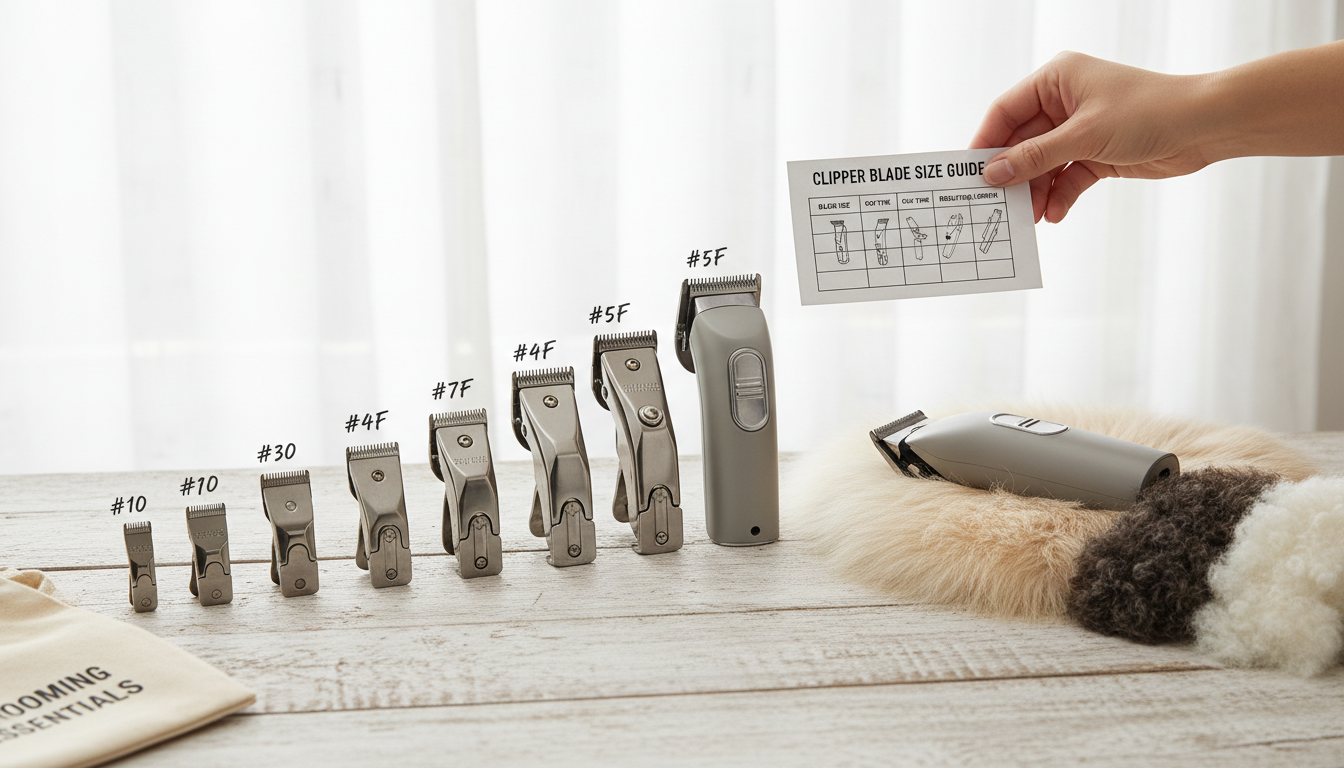
For instance, a #40 blade provides an ultra-short cut, often less than 1mm, while a #10 blade leaves the coat at approximately 1.6mm. Blades with lower numbers, such as a #4 or #3, are designed to leave significantly longer hair, often several millimeters or more. This system is largely standardized across what are commonly referred to as A5-style detachable blades, which are widely used by various clipper manufacturers.
Beyond the numerical designation for length, blades also differ in their tooth configuration, influencing how they interact with the coat. The two primary types are:
- Finish Blades (often marked 'F' or 'FC'): These blades have closely spaced teeth, designed to provide a smooth, uniform finish. They are typically used for a final, even cut after initial bulk has been removed, or for coats that are already detangled and clean. The "F" or "FC" indicates a full-cut or finish-cut blade.
- Skip Tooth Blades (often marked 'ST'): Characterized by alternating long and short teeth, skip tooth blades are designed to allow hair to feed into the cutting surface more easily. They are often preferred for initial bulk removal on thick, matted, or dirty coats, as they are less likely to snag. While they achieve the same length as their corresponding finish blade number, they leave a slightly less uniform texture and are generally not recommended for sensitive areas or for a final, smooth finish.
Understanding that the number dictates the cut length, and the tooth configuration dictates the application and finish, empowers groomers to make informed choices that prioritize both aesthetics and the dog's comfort.
The Essential Dog Clipper Blade Size Chart: Lengths and Uses
Understanding the array of dog clipper blade sizes is fundamental to achieving effective and comfortable grooming results. The system can be initially confusing because, for numbered blades, a higher number generally indicates a shorter cut. This inverse relationship is critical to grasp before selecting a blade. Blades are typically categorized by their cut length, ranging from extremely short for sanitary trims to longer lengths for maintaining a fuller coat.
The following chart outlines common blade sizes, their corresponding cut lengths, and typical applications, providing a practical guide for home groomers.
- #40 Blade:
- Cut Length: Approximately 1/100" (0.25mm)
- Uses: Extremely close shave for surgical preparation, paw pads (with extreme caution), or very specific veterinary procedures. Not generally recommended for full-body grooming by home groomers due to high risk of skin irritation.
- #30 Blade:
- Cut Length: Approximately 1/50" (0.5mm)
- Uses: Very short trims, often used for sanitary areas, paw pads, or as a base for clipper combs. Requires careful handling to avoid skin irritation.
- #15 Blade:
- Cut Length: Approximately 3/64" (1.2mm - 1.8mm)
- Uses: Close trims, ideal for faces, ears, and sanitary areas on certain breeds. Provides a neat, short finish.
- #10 Blade:
- Cut Length: Approximately 1/16" (1.6mm)
- Uses: A versatile, common blade for general body work, sanitary trims, and often used as the base blade for attaching clipper combs. Considered a safe starting point for many coats.
- #9 Blade:
- Cut Length: Approximately 5/64" (2mm)
- Uses: Slightly longer than a #10, suitable for a very short, clean body cut, often used on smooth-coated breeds or for a summer cut.
- #8.5 Blade:
- Cut Length: Approximately 7/64" (2.8mm)
- Uses: Provides a slightly longer cut than a #9, offering a bit more length while still being quite short.
- #7F (Finish) Blade:
- Cut Length: Approximately 1/8" (3.2mm)
- Uses: A popular choice for a short, smooth body clip on many coat types. The "F" indicates a finishing blade, designed to leave a smoother cut without track marks.
- #5F (Finish) Blade:
- Cut Length: Approximately 1/4" (6.3mm)
- Uses: A medium-short blade for body work, leaving a noticeable amount of fur. Good for maintaining a short, manageable coat.
- #4F (Finish) Blade:
- Cut Length: Approximately 3/8" (9.5mm)
- Uses: Leaves a medium length, suitable for a fuller body clip while still being practical for maintenance. Ideal for many poodle mixes and double-coated breeds (when appropriate).
- #3F (Finish) Blade:
- Cut Length: Approximately 1/2" (13mm)
- Uses: One of the longest numbered blades, leaving a significant amount of hair. Provides a natural, fluffy look while still being trimmed.
For lengths exceeding what numbered blades can provide, clipper combs (also known as guide combs or attachment combs) are essential. These plastic or metal attachments snap onto a standard blade, typically a #10 or #30, and lift the hair before it reaches the cutting edge. This allows for much longer cuts, often ranging from 1/2 inch to over an inch, depending on the comb size. They are invaluable for maintaining longer styles, blending, and protecting the skin from closer cutting blades. Always ensure the base blade is appropriate for the comb, as an overly short base blade (like a #40) could still cut through the comb if not used correctly.
Choosing Your Blade: Matching Length to Your Dog's Coat and Style
After understanding the inverse logic of clipper blade numbering, the next step is to apply this knowledge to your dog's unique coat and your grooming goals. Selecting the appropriate blade size is a practical decision that directly impacts your dog's comfort, the safety of the grooming process, and the final appearance. This choice requires considering your dog's specific coat type, its current condition, and the desired length and style.
Considerations for Different Coat Types
Different coat textures and densities require varied approaches to blade selection to ensure effectiveness and prevent skin irritation.
-
Thick or Dense Coats:
- Challenge: These coats can quickly clog blades and cause them to overheat, leading to discomfort for your dog.
- Approach: Begin with a longer blade, such as a #4F (9.5mm) or #5F (6mm), to remove the initial bulk. This reduces the strain on your clippers and helps prevent "tracking" or uneven lines. Some groomers use skip-tooth blades (e.g., #5 skip-tooth) for initial bulk removal, but these require careful handling to avoid catching skin, especially on uneven surfaces. For a shorter finish, you can then switch to a finer-toothed blade.
- Risk: Attempting to go too short too quickly can lead to an uneven cut, blade overheating, and potential skin irritation.
-
Fine or Silky Coats:
- Challenge: These delicate coats are prone to showing clipper marks and the underlying skin is more susceptible to irritation.
- Approach: Opt for blades that leave a longer cut, such as a #4F (9.5mm) or #7F (3.2mm), or utilize comb attachments over a #10 blade to achieve desired length without direct skin contact. "F" (finish) blades are designed to provide a smoother, more uniform cut on these coat types.
- Risk: Shorter blades like a #10 (1.6mm) or #15 (1.8mm) can easily cause razor burn or visible irritation on fine-haired breeds due to their delicate skin.
-
Matted Coats:
- Challenge: Mats pull on the skin, causing pain and potentially hiding skin infections or parasites. Cutting through mats with longer blades is dangerous and often ineffective.
- Approach: For the dog's safety and comfort, severely matted coats often necessitate using very short blades, such as a #10 (1.6mm), #15 (1.8mm), or even a #30 (0.5mm), to get under the mat. This is a health-focused decision, not an aesthetic one. Always work slowly and carefully, pulling the skin taut to prevent nicks. In severe cases, professional grooming or veterinary assistance may be required.
- Risk: Using longer blades can snag, pull, and cause significant pain or severe skin lacerations, as the skin is often pulled up into the mat.
-
Double Coats:
- Challenge: Breeds with double coats (e.g., Huskies, Golden Retrievers, Shepherds) have a soft undercoat for insulation and a protective outer coat. Shaving these coats too short can damage their natural temperature regulation and lead to improper regrowth, sometimes referred to as "coat blow."
- Approach: Unless medically necessary, avoid shaving double-coated breeds down to the skin. Instead, focus on deshedding and thinning. If trimming is desired, use longer blades like a #4F (9.5mm) or #5F (6mm), or comb attachments over a #10 blade, to trim the outer coat while preserving the undercoat's integrity.
- Risk: Shaving a double coat too short can compromise its natural protective functions, leading to skin issues, increased susceptibility to sunburn, and an inability to regulate body temperature effectively.
Desired Grooming Style and Length
Your intended outcome for the groom also dictates blade choice, balancing aesthetics with practicality.
-
Short, Utilitarian Cuts:
- Purpose: Ideal for hygiene, minimizing shedding, and low-maintenance grooming, particularly for active dogs or those prone to getting dirty.
- Blade Choices: A #10 blade (1.6mm) is commonly used for sanitary trims, paw pads, and bellies due to its close cut. For a short body length, a #7F (3.2mm) or #5F (6mm) can provide a neat, short finish that is easy to maintain.
- Considerations: Ensure your dog's skin is healthy and not prone to irritation, as these shorter lengths offer less protection.
-
Medium Length Cuts:
- Purpose: Offers a balanced look, provides some natural protection, and requires moderate maintenance.
- Blade Choices: Blades like a #4F (9.5mm) or #5F (6mm) are suitable for medium-length body cuts. For even longer, customizable lengths, consider using comb attachments over a #30 or #10 blade. These attachments allow for lengths ranging from 1/2 inch to over 1 inch.
- Considerations: Regular brushing is essential to prevent matting at these lengths, especially in areas of friction or where hair is longer.
Avoiding Common Pitfalls: Risks of Using the Wrong Blade Size
Selecting an inappropriate clipper blade size can transform a routine grooming session into a stressful and potentially harmful experience for your dog. Beyond just aesthetic outcomes, using the wrong blade can lead to discomfort, skin issues, and even lasting coat damage. Understanding these risks is crucial for any home groomer aiming for safe and effective results.
- Clipper Burn and Skin Irritation: Blades that cut too short, such as a #30 or #40, can easily cause clipper burn or general skin irritation, especially on sensitive areas or if used with excessive pressure. This risk is heightened when the blade is used incorrectly or on a dog with delicate skin, leading to redness, discomfort, and potential infections.
- Uneven Cuts or 'Tracking': When a blade isn't suited to the coat's texture or density, it may fail to glide smoothly. This can result in an uneven cut, often characterized by visible lines or "tracks" where the clipper struggled to move through the hair. A blade that's too fine for a thick coat, or too coarse for a very fine coat, can contribute to this problem.
- Pulling Hair and Discomfort: A common sign of a blade struggling is hair pulling, which is painful for the dog. While often attributed to dull blades, using a blade that is too long for a heavily matted or extremely dense coat can also cause snagging and pulling instead of a clean cut. This discomfort can make future grooming sessions challenging.
- Damaging the Coat's Structure: For double-coated breeds like Huskies, Golden Retrievers, or Border Collies, using very short blades (e.g., #10 or shorter) can be detrimental. These blades can cut through the protective guard hairs and strip away the insulating undercoat, potentially disrupting the coat's natural ability to regulate temperature and protect the skin. This damage can be permanent, leading to a "blown" coat texture.
- Excessive Blade Heat: All clipper blades generate heat due to friction during operation. However, using a single blade for extended periods, especially shorter blades that operate closer to the skin, can cause it to become excessively hot. A hot blade can quickly burn a dog's skin, leading to pain and injury. Regular checks, cooling sprays, or rotating multiple blades are necessary to mitigate this risk.
Regardless of the blade size chosen, its performance and safety are heavily dependent on the coat's condition. Always ensure your dog's coat is thoroughly clean, completely dry, and entirely tangle-free before clipping. Matted, dirty, or wet hair can dull blades rapidly, cause them to snag painfully, and lead to uneven results or increased friction and heat.
Frequently Asked Questions About Dog Clipper Blade Sizes
Navigating the nuances of dog clipper blades can raise several questions for home groomers. Understanding these common queries can further clarify blade selection and application, ensuring safer and more effective grooming for your pet.
-
What is the most common blade size for dog grooming? The #10 blade is widely considered one of the most common and versatile blade sizes in dog grooming. It typically leaves hair at approximately 1/16" (1.6mm) to 2mm, making it suitable for sanitary trims, paw pads, and short body cuts on many breeds. Its moderate length makes it a good starting point for many grooming tasks.
-
Can I use human clipper blades on my dog? No, it is not recommended to use human clipper blades on dogs. Dog clipper blades are specifically engineered with different tooth configurations and sharpness levels to handle the varying textures and densities of canine coats. Human blades can pull or snag a dog's fur, causing pain, skin irritation, or even cuts. Furthermore, they tend to heat up faster, posing a burn risk to your pet's sensitive skin.
-
How do I know when my blade is dull? Several indicators suggest a dull blade. You might notice the clipper pulling your dog's hair instead of cutting cleanly, causing discomfort or resistance. Dull blades can also leave "track marks" or uneven patches in the coat. Additionally, a dull blade generates more friction and can feel warm to the touch more quickly than a sharp one, increasing the risk of skin irritation.
-
What's the difference between a skip tooth and a finish blade? The distinction lies in the tooth configuration. Skip tooth blades feature alternating long and short teeth, designed to feed thicker, matted, or curly coats into the cutting surface more effectively. They leave a slightly more textured finish and are often used for bulk removal. Finish (or full-tooth) blades have all teeth uniformly long, providing a smoother, more even cut, and are typically used for finishing touches or on cleaner, less matted coats. Skip tooth blades require more careful handling to avoid nicking the skin due to their exposed cutting edge.
-
Are ceramic blades better than steel blades? Both ceramic and steel blades offer distinct advantages and trade-offs. Ceramic blades are known for staying cooler longer, which reduces the risk of skin burns during extended grooming sessions. They can also maintain their sharpness for a longer period. However, ceramic blades are generally more brittle and prone to chipping or breaking if dropped. Steel blades (often carbon steel or stainless steel) are more durable and less likely to break, but they tend to heat up faster and may require more frequent sharpening. The "better" choice depends on your grooming frequency, handling care, and budget.
-
How do blade combs (guard combs) work with blades? Blade combs, also known as guard combs or snap-on combs, attach over a clipper blade (most commonly a #10 or #30 blade) to increase the cutting length. They function as a spacer between the cutting blade and the dog's skin, preventing the blade from cutting the hair shorter than the comb's designated length. This allows groomers to achieve longer, uniform coat lengths without needing to purchase a separate, longer blade. They are invaluable for achieving popular longer styles and protecting the skin.
Confidently Grooming Your Canine Companion
Mastering the intricacies of dog clipper blade sizes is a fundamental step toward achieving safe, effective, and humane grooming at home. By understanding the counter-intuitive numbering system and how different blades interact with various coat types, you empower yourself to make informed decisions that directly impact your dog's comfort and the quality of their groom. This knowledge transforms a potentially daunting task into a manageable and rewarding experience for both you and your pet.
As you begin to apply this understanding, remember that practice and patience are key. Each dog's coat is unique, and finding the perfect blade for a specific style or condition may involve some experimentation. Approach each grooming session with a calm demeanor, allowing your dog to become accustomed to the process and the tools.
Ultimately, the goal of any grooming endeavor is your dog's well-being. Prioritizing their comfort and safety above all else will guide your blade selection and technique, ensuring that every trim contributes to a happy, healthy, and well-maintained companion.
More in Dog Clipper Blades
View AllHow to Sharpen Dog Clipper Blades: DIY vs. Professional Services
Compare how to sharpen dog clipper blades with a practical informational SEO brief, decision criteria, FAQs, and publishing checks before you commit.
Wahl Dog Clipper Replacement Blades: Ensuring a Perfect Fit and Performance
Compare wahl dog clipper replacement blades with a practical informational SEO brief, decision criteria, FAQs, and publishing checks before you commit.
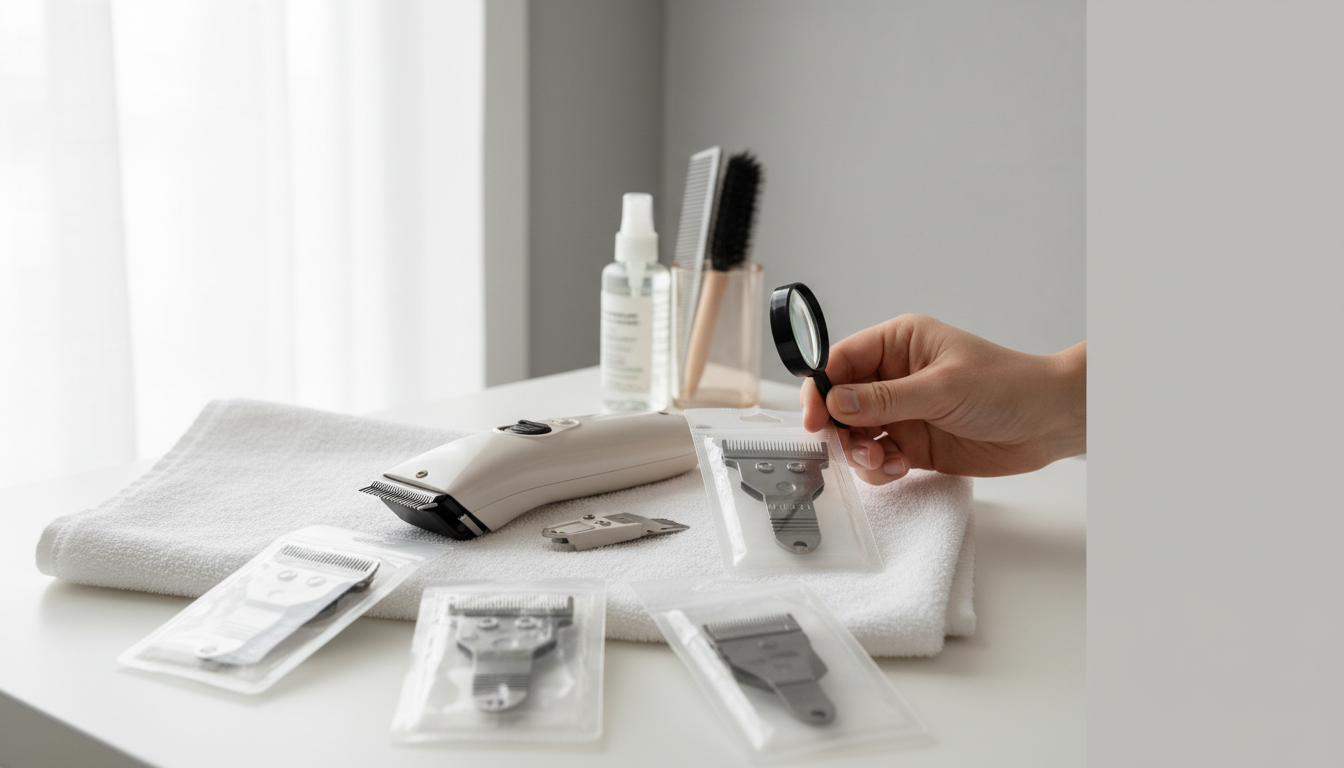
Choosing Dog Clipper Replacement Blades: What You Need to Know Before You Buy
Compare dog clipper replacement blades with a practical informational SEO brief, decision criteria, FAQs, and publishing checks before you commit.