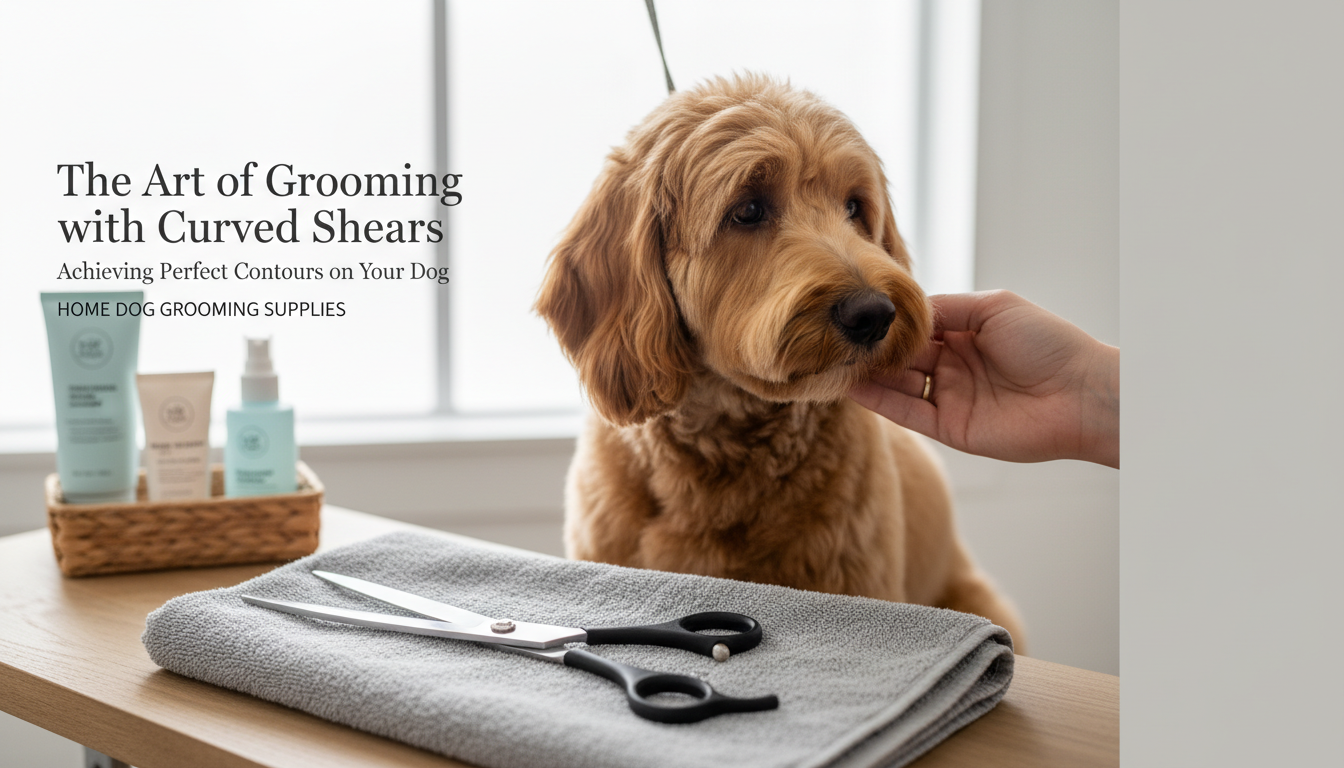
The Art of Grooming with Curved Shears: Achieving Perfect Contours on Your Dog
Unveiling the Power of Curved Shears in Dog Grooming
Curved shears are a specialized tool in canine grooming, distinguished by their uniquely arched blades. Unlike straight shears designed for precise lines, the gentle curve of these shears is engineered to follow the natural contours of a dog's body, enabling groomers to sculpt and refine the coat with greater fluidity and control. This design is crucial for achieving a polished, professional finish that complements the dog's anatomy.
The primary purpose of curved shears extends beyond simple trimming. They are indispensable for:
- Shaping and Sculpting: Creating rounded heads, defined ear edges, and neatly curved paw pads.
- Following Natural Body Lines: Seamlessly blending fur around hips, shoulders, and tuck-ups for a smooth, cohesive look.
- Enhancing Safety: The curved tip can help minimize the risk of accidental nicks or cuts when working in delicate areas.
This article aims to empower dog owners and aspiring groomers to confidently navigate the selection and application of curved shears. By understanding their unique benefits and proper usage, you can achieve aesthetically pleasing and safe grooming results, transforming your dog's appearance with precision and artistry.
Beyond Straight Lines: Why Curved Shears Are Essential for Contouring
While straight shears are foundational for establishing crisp lines and uniform lengths, their design inherently limits their ability to sculpt natural forms. This is where curved shears become indispensable, offering a specialized tool for achieving the fluid, rounded finishes that define a well-groomed dog. Their distinct advantage lies in their ability to mimic and enhance a dog's inherent body shape, moving beyond mere trimming to true artistic contouring.
Unlike straight shears, which excel at creating sharp edges and precise, linear cuts, curved shears are engineered to flow with the body. Attempting to create a perfectly rounded head or a softly curved hip line with straight blades often results in choppy, angular finishes or requires multiple, less efficient snips. Curved shears, by contrast, allow for a single, sweeping motion that naturally follows the desired arc, resulting in a smoother, more integrated appearance. This distinction is critical for areas like:
- Rounded heads and topknots: Achieving a symmetrical, spherical shape.
- Curved hocks and angulation: Defining the natural bend of the legs.
- Tail plumes and ear fringes: Shaping without harsh lines.
- Paws: Creating neat, rounded "cat feet" or "bear paws."
Similarly, thinning shears serve a different, albeit complementary, purpose. While thinning shears are used for blending harsh lines, reducing bulk, and softening transitions, they do not inherently shape or sculpt a contour. They modify the density of the coat, whereas curved shears actively define the outer silhouette. For instance, you might use thinning shears to blend the edges of a topknot, but it's the curved shears that give the topknot its initial rounded form.
The unique curvature of these blades also offers a significant safety advantage, particularly when working in sensitive or intricate areas. The rounded nature of the blade's tip, combined with its ability to hug the body's curves, naturally guides the cut away from the skin. This reduces the risk of accidental nicks or cuts around delicate zones such as:
- The corners of the eyes
- Around the ears
- In the groin or armpit areas
- Between paw pads
Ultimately, the aesthetic benefit of curved shears is undeniable. They enable groomers to produce a polished, sculpted finish that accentuates a dog's natural conformation. The smooth, flowing lines achieved with curved shears contribute to a professional, well-balanced look that cannot be replicated with other shear types, making them an essential tool for detailed and artistic grooming.
Mastering the Art: Key Areas for Curved Shears Dog Grooming
Curved shears are purpose-built for sculpting the natural lines and contours of a dog's coat, allowing groomers to achieve a soft, flowing finish where straight lines would appear abrupt. Their unique blade design makes them indispensable for specific areas requiring precision and a rounded aesthetic.
- Facial Features (Muzzle, Eyes, Eyebrows): For a soft, expressive face, curved shears are ideal. They enable the creation of a rounded muzzle, gently shaping the fur without harsh edges. Around the eyes, they help trim stray hairs that might obstruct vision or irritate, while for eyebrows, they can soften the line, contributing to a more natural expression. When working near the eyes, always use extreme caution, placing a finger between the shear tip and the dog's eye to act as a guard.
- Ears: Whether shaping a rounded ear flap or blending the fur from the ear into the head, curved shears allow for a seamless transition. They help maintain the ear's natural shape, avoiding a choppy appearance. Hold the ear firmly and trim away from the ear canal.
- Paws: To achieve a tidy, rounded "cat paw" or "bear paw" look, curved shears are essential. They allow for trimming around the paw pads and toes, creating a neat, compact appearance that is both aesthetic and hygienic. Lift the paw gently and always point the shear tips away from the pads and nails.
- Anatomy (Tail Base/Vent Area): For hygiene and a clean profile, careful trimming around the tail set and vent area is often necessary. Curved shears can help achieve a neat, rounded finish in this sensitive region, minimizing the risk of irritation while maintaining a clean look. Exercise utmost care due to the delicate nature of this area.
Beyond these specific points, curved shears excel at blending and creating smooth transitions across the dog's body. Areas like the hips, chest, and tuck-up benefit significantly. For instance, on the hips, they can round out the profile, ensuring a continuous, flowing line from back to leg. On the chest, they help build volume while maintaining a contoured appearance, and for the tuck-up, they define the waistline with a gentle, upward curve, contributing to an overall balanced silhouette.
When using curved shears, proper technique is crucial for both safety and results. Hold the shears with a comfortable, stable grip, using your thumb and ring finger for control. Approach the coat at an angle that follows the natural curve you intend to create, rather than cutting straight across. Always work with the coat's natural fall, taking small, deliberate snips rather than large cuts. This allows for greater control and reduces the risk of removing too much hair. Patience is paramount, especially when grooming delicate areas or when the dog is new to the process. Frequent breaks and reassuring words can help keep the dog calm, making the experience safer and more positive for both groomer and dog.
Selecting Your Ideal Curved Shears: What to Look For
Choosing the right curved shears is paramount for achieving precise contours and ensuring a comfortable grooming experience for both you and the dog. These specialized tools require careful consideration of several key features to match them to your specific needs and the dog's coat type.
-
Blade Material for Lasting Performance The quality of the blade material directly influences sharpness, durability, and how long the shears retain their edge. High-quality stainless steel, often referred to as Japanese steel, is a preferred choice due to its superior hardness and corrosion resistance. This material allows for a finer, sharper edge that glides through fur without pulling, ensuring cleaner cuts and reducing strain on your hand. Investing in shears with premium blade material can significantly impact the longevity and effectiveness of the tool.
-
Blade Length for Control and Reach Curved shears are commonly available in lengths ranging from approximately 6.5 to 8 inches. The chosen length significantly impacts maneuverability and the scope of work.
- Shorter blades (e.g., 6.5-7 inches) offer enhanced control for intricate areas such as around the eyes, ears, and paws, where precision is critical.
- Longer blades (e.g., 7.5-8 inches) provide greater reach and can cover larger body sections more efficiently, making them suitable for blending and shaping broader areas like the back or hips. Consider the size of the dogs you groom most frequently and the specific areas you aim to contour.
-
Curve Degree for Specific Aesthetics The degree of curvature in the blades varies, and each level serves a different purpose in shaping.
- Slightly curved shears are versatile for general body shaping and blending, offering a subtle arc.
- Moderately curved shears excel at creating more defined rounded shapes, such as on heads, topknots, or the curvature of hips.
- Pronounced curves are best for very specific, tight shaping tasks or achieving dramatic angulation on certain breed styles. Understanding the desired aesthetic and the natural lines of the dog's body will guide your choice.
-
Handle Design and Ergonomics for Comfort Comfort during grooming is crucial to prevent hand fatigue and ensure consistent results. Ergonomic handle designs, such as offset handles or those with a swivel thumb ring, position your hand and wrist in a more natural, relaxed posture. Well-sized finger holes prevent pinching and allow for a secure grip. A comfortable handle reduces strain during extended grooming sessions, promoting better control and precision.
-
Tension Adjustability for Smooth Cutting The ability to adjust the tension between the shear blades is a valuable feature. An adjustable screw or dial allows you to fine-tune the tension to suit different coat types and personal preferences. Proper tension ensures the blades open and close smoothly, preventing them from binding or being too loose, which can lead to inefficient cutting or damage to the coat. This feature also aids in maintaining the shears over time.
-
Weight and Balance for Precision The overall weight and balance of the shears contribute significantly to control and precision. Well-balanced shears feel like an extension of your hand, allowing for fluid, controlled movements without excessive effort. While personal preference plays a role, generally, shears that are neither too heavy nor too light can offer the best combination of stability for broad strokes and agility for detailed work. Test the balance in your hand to ensure it feels comfortable and manageable for sustained use.
Navigating the Nuances: Trade-offs and Considerations for Curved Shears
Investing in curved shears for dog grooming offers distinct advantages for achieving sculpted contours, but it also comes with specific considerations and a learning curve. Understanding these nuances before purchase and during use is crucial for a successful grooming experience and to manage expectations.
- The Learning Curve and Practice: Curved shears are not a 'point and snip' tool. Mastering their use, especially for creating smooth, flowing lines and avoiding choppy results, requires deliberate practice. Beginners should anticipate a period of familiarization to develop the necessary hand-eye coordination and muscle memory. Starting with less visible areas or practice fur can help build confidence and technique before tackling prominent features.
- Specialized, Not Standalone: While indispensable for specific tasks, curved shears are a specialized instrument. They are designed to complement, not replace, other essential tools in a comprehensive grooming kit. Straight shears are still necessary for precise length reduction and crisp lines, while thinning shears are vital for blending and reducing bulk. Relying solely on curved shears for all grooming tasks will limit the range of styles and finishes achievable.
- Commitment to Maintenance: The precision of curved shears is highly dependent on their condition. Proper maintenance is non-negotiable for longevity and performance. This includes thorough cleaning after each use to remove hair and debris, regular oiling of the pivot screw to ensure smooth action, and professional sharpening. Attempting to sharpen them at home without specialized equipment can damage the delicate blade angle and curve, leading to dullness and hair pulling.
- Risk of Injury: As with any sharp grooming tool, improper use of curved shears carries an inherent risk of injury to the dog or the groomer. A slip of the hand, an unexpected movement from the dog, or incorrect technique can lead to nicks or cuts, particularly when working around delicate areas like eyes, ears, and paw pads. Adequate training, a steady hand, and a calm, cooperative dog are paramount to safe operation.
- Coat Type Suitability: While generally versatile, the effectiveness of curved shears can vary with different coat types and textures. Extremely dense, matted, or very fine, wispy coats might require specific blade angles or tension adjustments to achieve the desired sculpted effect without snagging or leaving scissor marks. For instance, a very coarse or curly coat might benefit from a shear with a slightly different curve or edge to cut cleanly through the hair. Evaluating your dog's specific coat characteristics will inform the ideal curvature and blade type for your shears.
Your Path to Perfect Contours: Making an Informed Decision
As you conclude your exploration of curved shears, remember their unique role in dog grooming: to sculpt, define, and safely navigate the natural contours of your dog's physique. These specialized tools are not merely an addition but a transformative element, enabling you to achieve the rounded finishes and seamless blends that elevate a home groom to a professional standard. They are indispensable for shaping delicate areas like the face, ears, and paws, offering both precision and a reduced risk of accidental nicks compared to straight blades in these challenging spots.
Making the right selection hinges on aligning the shear's characteristics with your specific grooming needs. Prioritize these factors:
- Blade Material and Sharpness: High-quality stainless steel maintains its edge longer, crucial for clean cuts and preventing coat damage. A sharper blade reduces pulling and stress on your dog's fur.
- Ergonomics and Fit: Consider the shear's weight, handle design, and finger rest. A comfortable grip minimizes hand fatigue and improves control, especially during longer grooming sessions or intricate work.
- Shear Size and Curve Degree: Longer shears (e.g., 7.5-8 inches) are often suitable for larger body areas, while shorter ones offer more control for detail work. The degree of curve impacts the tightness of the arc you can achieve; a subtle curve is versatile, while a more pronounced curve excels at very rounded shapes.
Ultimately, your choice should reflect a thoughtful match between the shears and your dog's coat type, the specific styles you aim to achieve, and your own comfort and skill level. For dogs with dense or curly coats, a robust, sharp shear is paramount. If your goal is a highly stylized, rounded look, a shear with a more significant curve will be invaluable. Beginners might benefit from a slightly shorter, lighter shear for better maneuverability as they develop their technique. By carefully considering these elements, you can confidently select the curved shears that will empower you to create beautiful, flowing contours and achieve professional-looking results from the comfort of your home.
Common Questions About Curved Shears for Dog Grooming
Navigating the world of specialized grooming tools can bring forth several questions. Here are some common inquiries about curved shears, designed to clarify their application and usage for both new and experienced groomers.
Can I use curved shears on all dog breeds or coat types? Curved shears are remarkably versatile and can be applied to most dog breeds and coat types where a sculpted, rounded, or blended finish is desired. While particularly effective for breeds with plush or curly coats that require shaping (e.g., Poodles, Bichons, many Doodle mixes), they are also valuable for refining details on breeds with straighter or double coats. Their utility is less about the inherent coat type and more about the specific grooming task—such as rounding paws, shaping heads, or blending body lines—that benefits from a curved cut.
How often do curved shears need to be sharpened? The frequency of sharpening depends on several factors, including how often the shears are used, the type and cleanliness of the coats being cut, and the quality of the shear's steel. For a home groomer, sharpening might be necessary every few months to once a year. Professional groomers, with daily use, may require sharpening every few weeks. A key indicator that your shears need sharpening is if they begin to pull or fold hair instead of cutting cleanly, or if they leave an uneven finish. Regular professional sharpening maintains their precision and extends their lifespan.
What's the difference between a curved shear and a bent-shank shear? These two types of shears serve distinct purposes due to their design differences:
- Curved Shears: Feature blades that are physically curved along their cutting edge. This design allows them to naturally follow the contours of a dog's body, making it easier to create rounded shapes and blend lines smoothly.
- Bent-Shank Shears (or Bent-Handle Shears): Have straight blades, but their handles are offset or "bent" upwards. This ergonomic design helps keep the groomer's knuckles away from the dog's coat or the grooming surface, enabling a flatter, more consistent cut with straight blades, particularly useful for achieving level top lines or flat body work. They do not create curved cuts.
Are curved shears only for professional groomers, or can beginners use them? While curved shears are a staple for professional groomers to achieve refined finishes, beginners can absolutely use them. Starting with curved shears can, in some cases, make achieving certain rounded shapes easier than attempting to force a straight shear into an arc. The key for beginners is to focus on proper technique, secure the dog, and practice on less sensitive areas before tackling more intricate details. Their design can aid in reducing the risk of accidental nicks when used correctly around delicate areas, as the curved tip can guide the cut away from the skin.
What are the essential safety tips when using curved shears? Safety is paramount when using any grooming shears, especially curved ones, due to their pointed tips.
- Secure the Dog: Always groom a calm, secured dog on a stable surface, ideally with a grooming arm and loop.
- Sharpness Matters: Ensure your shears are consistently sharp. Dull blades can pull hair, causing discomfort and increasing the risk of sudden movements from the dog.
- Proper Grip: Hold the shears correctly to maintain control and reduce hand fatigue.
- Finger Guard: Use your non-cutting hand to gently separate hair and act as a barrier between the blade and the dog's skin, especially in sensitive areas.
- Cut Away from the Body: Always direct the cutting edge away from the dog's body, never pointing directly towards skin, eyes, or other delicate areas.
- Small Snips: Use small, controlled snips rather than large, sweeping cuts, particularly when learning or working on intricate areas.
- Regular Breaks: Give both yourself and your dog breaks to reduce stress and maintain focus.
More in Dog Grooming Shears
View All
Dog Grooming Shears at PetSmart: Value Options for Casual Home Groomers
Compare dog grooming shears petsmart with a practical informational SEO brief, decision criteria, FAQs, and publishing checks before you commit.
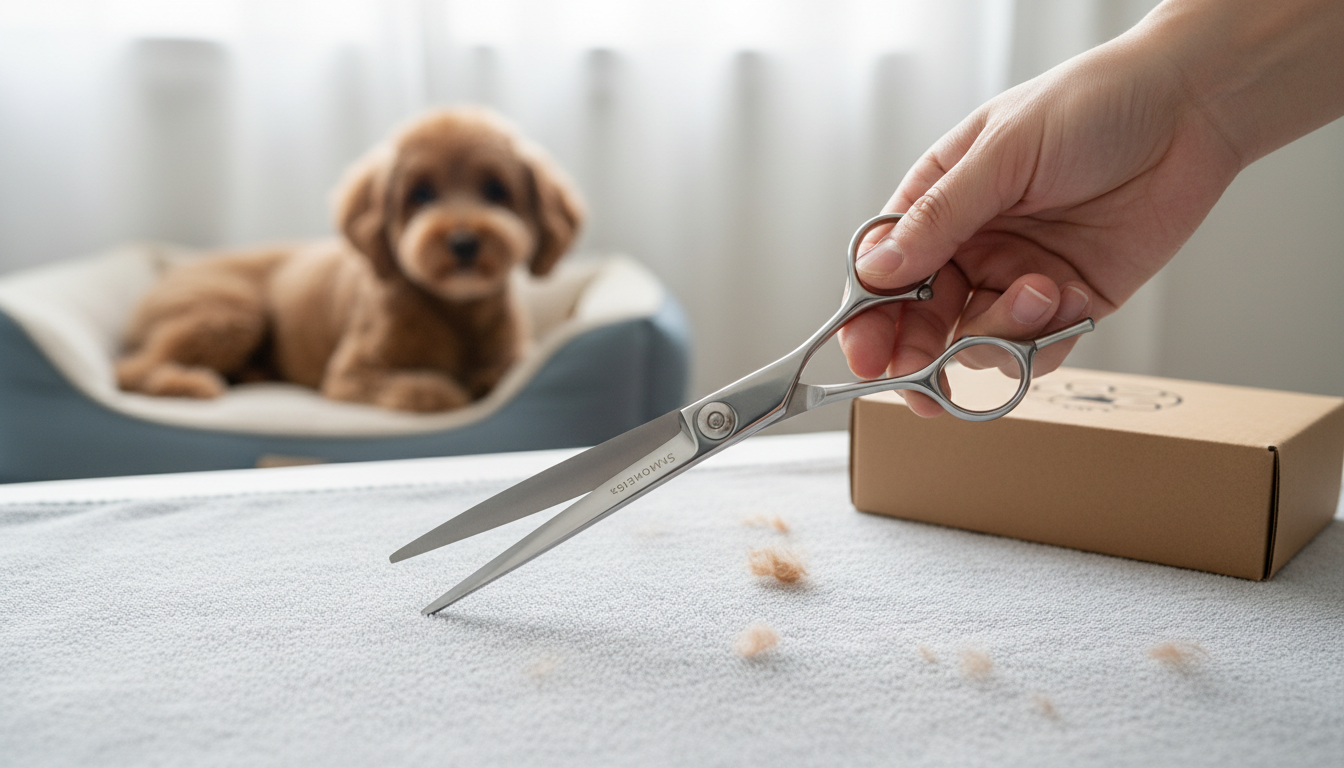
Swivel Dog Grooming Shears: Enhancing Comfort and Control for Detailed Trimming
Compare swivel dog grooming shears with a practical informational SEO brief, decision criteria, FAQs, and publishing checks before you commit.
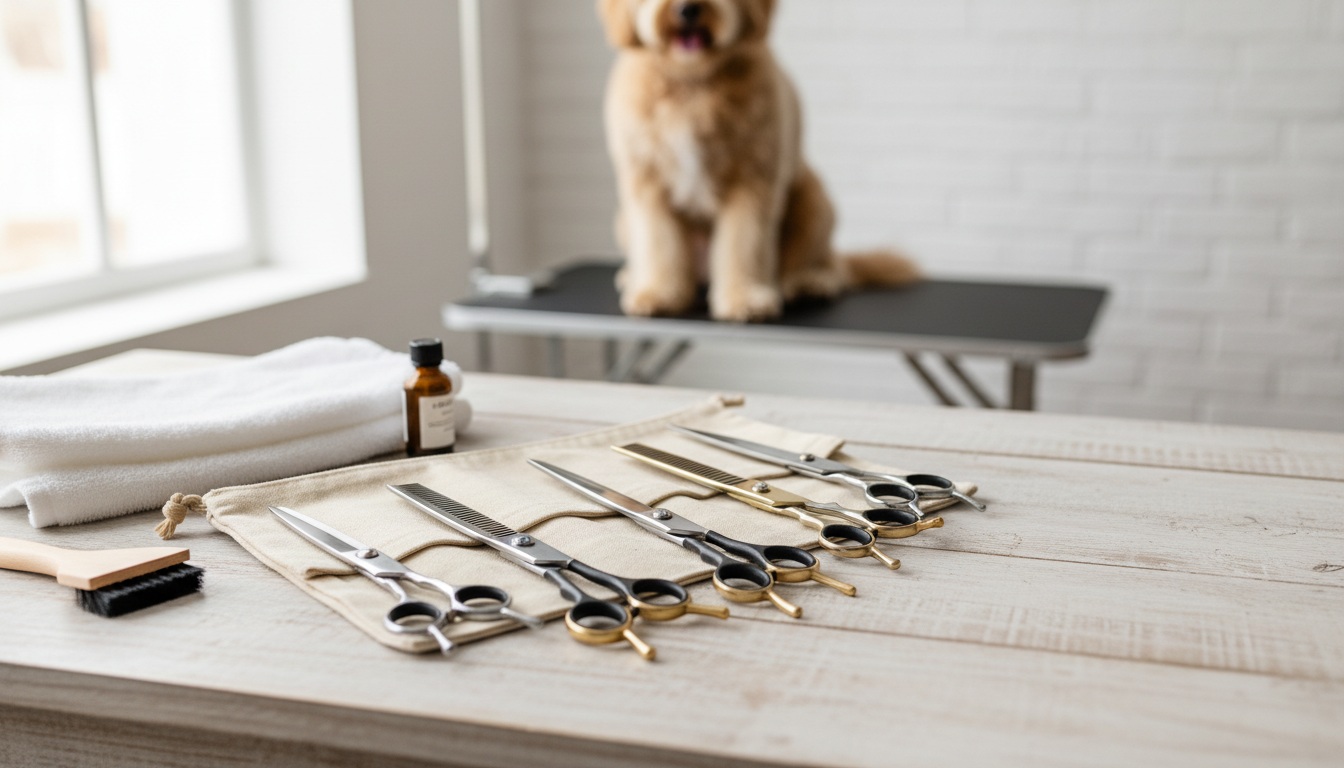
Investing in High-Quality Dog Grooming Shears: What to Look for in Professional-Grade Tools
Compare high quality dog grooming shears with a practical informational SEO brief, decision criteria, FAQs, and publishing checks before you commit.