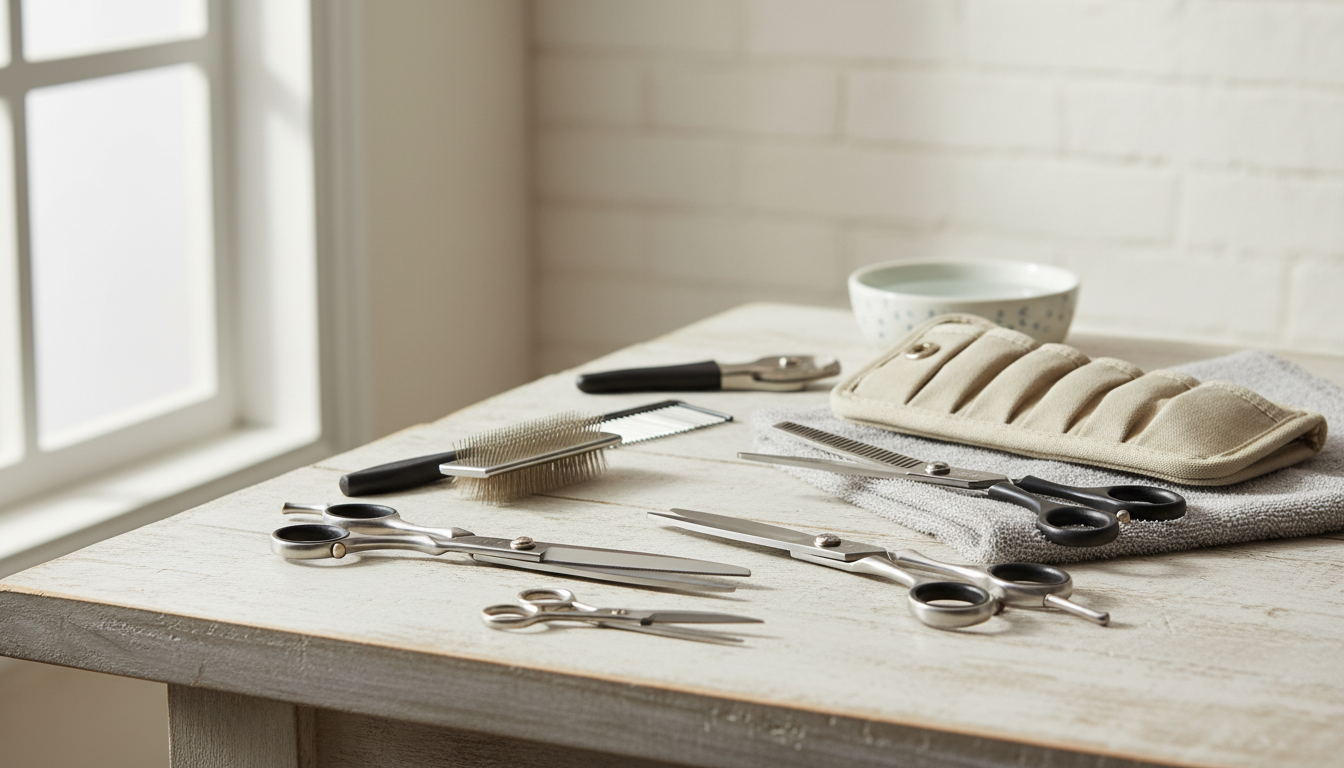
The Best Dog Grooming Shears: Top Choices for Every Home Groomer's Kit
Finding the Perfect Cut: Your Guide to the Best Dog Grooming Shears
Embarking on the journey of home dog grooming can be a rewarding experience, fostering a deeper bond with your pet while keeping their coat healthy and tidy. However, the success and safety of each grooming session hinge significantly on the quality and suitability of your tools. A market brimming with diverse options for dog grooming shears can often lead to confusion, making the initial selection process feel overwhelming.
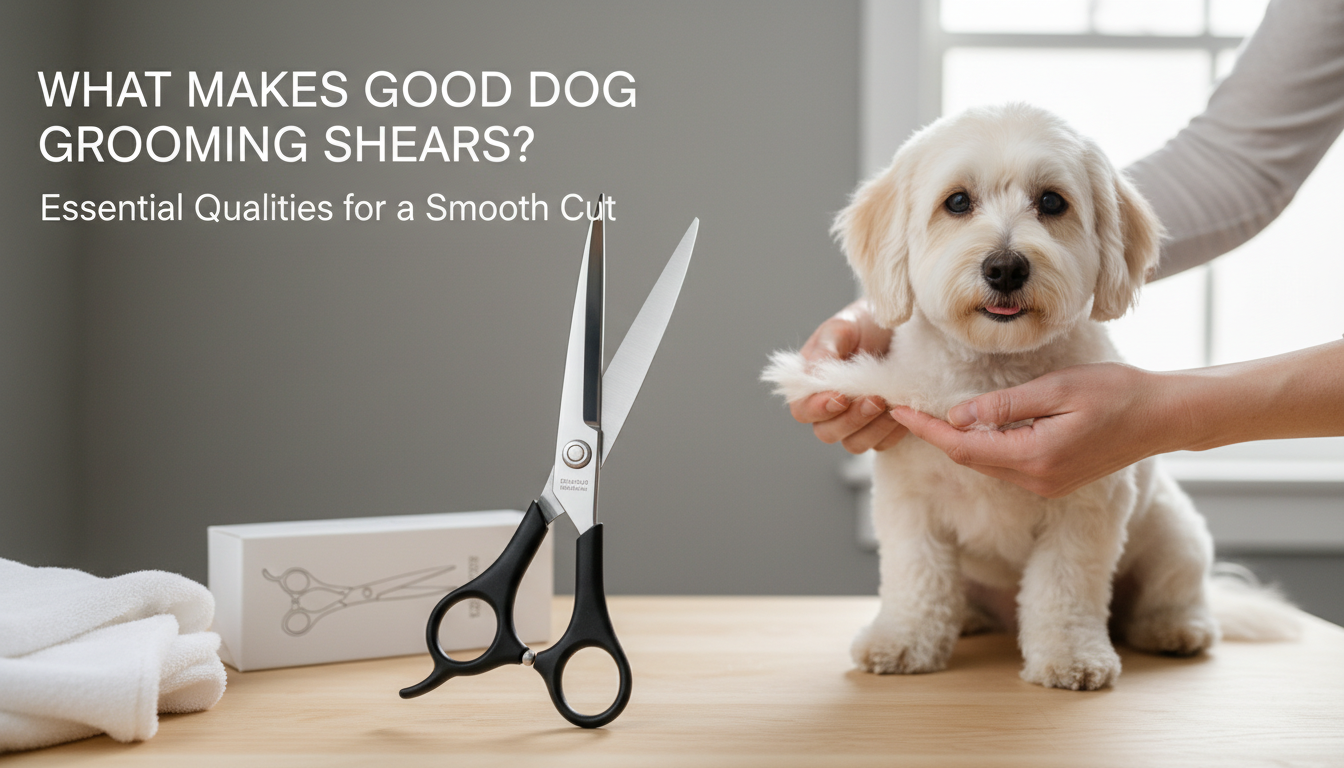
Choosing the right shears is paramount for achieving a clean, comfortable cut for your dog and ensuring your own efficiency and comfort during the process. High-quality shears, often crafted from durable materials like stainless steel, offer superior sharpness and control, reducing the risk of pulling hair, causing discomfort, or creating an uneven finish. This not only makes grooming a more pleasant experience for your dog but also helps prevent hand fatigue for the groomer, especially during longer sessions.
This guide aims to demystify the selection of dog grooming shears, empowering you to make an informed decision that perfectly matches your specific needs. We will explore:
- Matching shears to your dog's unique coat type and breed.
- Key criteria for evaluating shear quality and performance.
- Understanding the trade-offs between different shear types and features.
- Essential maintenance practices to ensure long-term satisfaction and tool longevity.
By focusing on practical considerations and understanding the nuances of various shear designs, you can confidently select tools that transform home grooming from a chore into an enjoyable and effective routine.
Understanding Dog Grooming Shears: Types, Materials, and Ergonomics
Selecting the right dog grooming shears begins with a fundamental understanding of their design, purpose, and construction. Each component plays a role in how effectively and safely you can groom your dog at home. Familiarizing yourself with the various types, blade materials, and ergonomic considerations will enable you to choose tools that not only perform well but also fit comfortably in your hand, making the grooming process more enjoyable and less fatiguing.
Essential Shear Types for Every Groomer's Kit
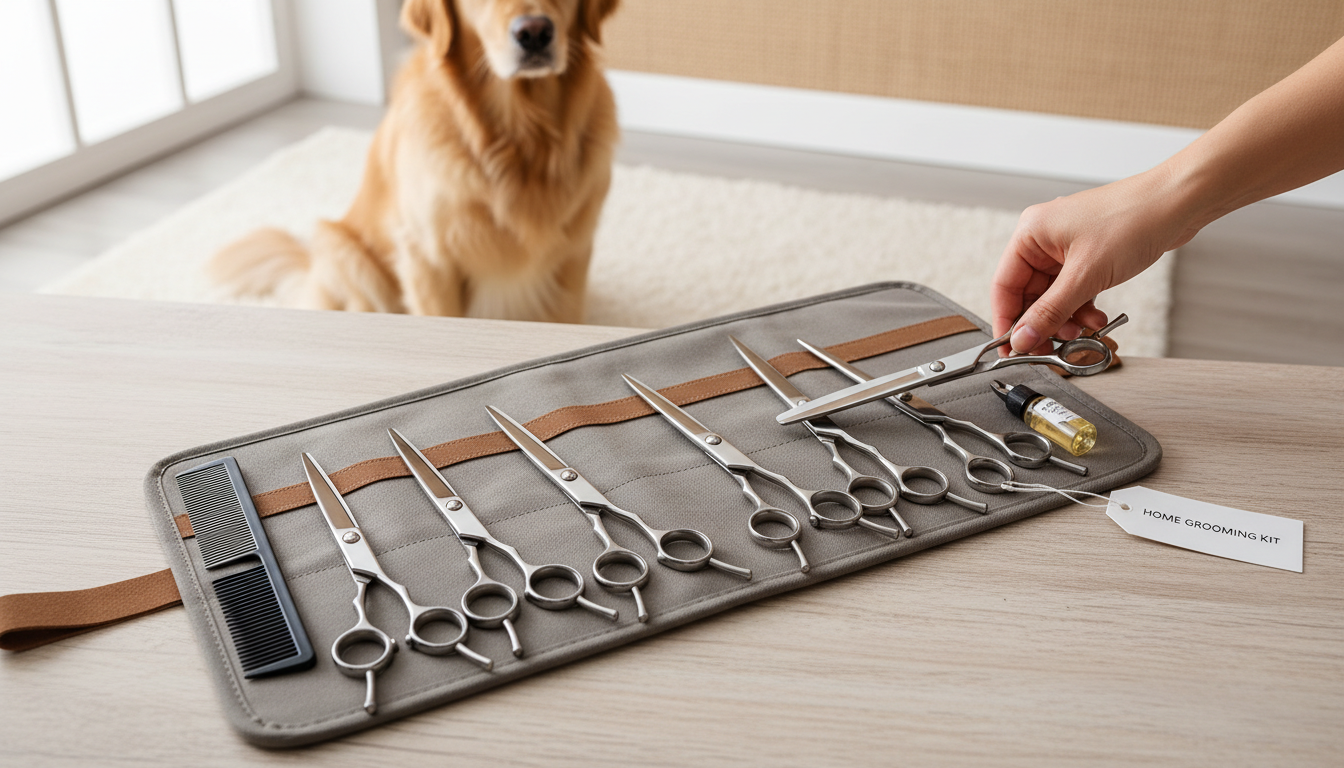
A versatile grooming kit often includes a selection of shears, each designed for specific tasks and coat finishes. Understanding their distinct applications helps home groomers achieve desired styles and maintain coat health without unnecessary effort or risk.
- Straight Shears: These are fundamental for general trimming, creating clean lines, and performing initial cuts to establish length. They are versatile for most body areas where a precise, straight edge is desired.
- Curved Shears: Ideal for shaping and creating rounded contours, curved shears are indispensable for areas like paws, heads, and topknots. Their arc allows for a smoother, more natural-looking finish around curves without creating harsh lines.
- Thinning Shears (Blenders): Characterized by one solid blade and one notched blade, thinning shears are designed to remove bulk, blend different coat lengths, and soften harsh lines. They are excellent for creating a natural, seamless finish and reducing density without significantly altering the coat's overall length. The number and spacing of teeth influence the amount of hair removed per cut.
- Chunkers (Texturizers): Similar to thinning shears but with wider teeth, chunkers remove more hair per cut. They are effective for aggressive bulk removal and adding texture to thicker coats, offering a more pronounced effect than traditional thinning shears.
Blade Material: The Heart of the Shear
The material used for the shear blades directly impacts their sharpness, durability, and ability to hold an edge. This is a critical factor for both performance and longevity.
- High-Quality Stainless Steel: Preferred for its balance of durability, corrosion resistance, and ability to be sharpened to a fine edge. Most reputable grooming shears are crafted from various grades of stainless steel to ensure consistent performance over time.
- Japanese Steel vs. Other Steel Types: Japanese steel is often highlighted for its exceptional hardness and edge retention, allowing blades to stay sharper for longer periods. While other high-quality stainless steels perform admirably, Japanese steel typically offers a finer grain structure, contributing to a superior cutting edge and overall shear lifespan, though often at a higher cost.
Beyond the blade, the ergonomic design of the shears significantly impacts the groomer's comfort and control. Features like offset handles, finger rests, and cushioned finger inserts are designed to reduce strain on the hand and wrist during extended grooming sessions, allowing for greater precision and reducing the risk of fatigue. Prioritizing comfort ensures a more stable grip and a safer experience for both you and your dog.
Key Criteria for Choosing the Right Shears for Your Dog
Selecting the optimal dog grooming shears involves more than just picking a sharp pair. It requires a thoughtful assessment of several factors unique to your dog, your grooming objectives, and your own comfort and proficiency. By considering these practical criteria, you can confidently choose shears that enhance your grooming experience and deliver the best results for your canine companion.
Dog Breed and Coat Type Considerations
The sheer variety of canine coats means that a one-size-fits-all approach to grooming shears is ineffective. The density, texture, and growth pattern of your dog's fur are primary determinants for the type of shears you should consider.
- Coat Density and Texture:
- Poodle-type coats (curly, dense): Benefit from shears designed for precise shaping and blending. Thinning shears are particularly useful for softening lines and reducing bulk without shortening the coat dramatically.
- Double coats (thick undercoat, coarser guard hairs): Require robust shears for bulk removal, often combined with thinning shears to manage density and prevent matting. Straight shears with longer blades can be efficient for general body work.
- Silky or Fine Coats: Demand very sharp, fine-edged shears to prevent bending or damaging the delicate hair. Smaller, precision shears are often preferred for intricate work.
- Wiry Coats: Can be tough on blades, necessitating shears made from high-quality, durable stainless steel to maintain sharpness and withstand the coarser texture.
- Breed-Specific Needs:
- Curved shears: Are invaluable for achieving the rounded, sculpted finishes common in breeds like Bichon Frises, Poodles, or many terrier head shapes, allowing for smooth contours around paws, heads, and tails.
- Thinning or blending shears: Ideal for breeds with thick or fluffy coats where a natural, blended look is desired, such as Golden Retrievers, Shih Tzus, or Pomeranians, helping to remove excess volume and soften harsh lines.
- Straight shears: Serve as a versatile foundation for most breeds, suitable for general length reduction on the body or creating crisp lines on breeds like Schnauzers.
Grooming Task and Style
Your specific grooming goals and the style you aim to achieve will dictate the types of shears necessary for your kit. Different shears are optimized for distinct functions, from initial cuts to final touches.
- Trimming and Bulk Removal: For reducing overall length or removing significant amounts of hair, especially on larger body sections, longer straight shears are generally most efficient. They cover more area with each cut, speeding up the initial phase of grooming.
- Finishing and Shaping: Achieving a polished, symmetrical look often involves a combination of straight and curved shears. Curved shears excel at creating smooth, rounded shapes, while straight shears provide clean, crisp lines for a refined finish.
- Blending and Texturizing: Thinning shears are essential for softening harsh lines left by clippers or straight shears, creating natural transitions between different hair lengths, and reducing coat volume without altering the overall length. They are also crucial for adding texture and a more natural appearance to the coat.
- Precision Work: For delicate areas such as around the eyes, ears, and paws, smaller, often shorter-bladed shears with fine tips offer greater control and safety, minimizing the risk of accidental nicks.
Your Skill Level as a Groomer
The shears you choose should align with your experience and comfort level. Tools designed for professional use may offer superior performance but can be less forgiving for beginners, while entry-level options prioritize ease of use and safety.
- Beginner-Friendly Options: Home groomers starting out may benefit from versatile, all-purpose straight shears and a basic thinning shear. Look for shears with rounded safety tips to reduce the risk of injury, and ergonomic handles that fit comfortably in your hand to prevent fatigue during longer learning sessions. Prioritizing ease of handling and a balance of sharpness and durability can build confidence.
- Intermediate to Advanced Tools: As your skills develop and you become more comfortable with different techniques, you might explore specialized shears like various lengths of straight shears, specific curved shears, or chunkers. At this stage, investing in shears made from high-quality stainless steel becomes more important for maintaining sharpness and ensuring longevity, as you'll likely be using them more frequently and for more complex tasks. Ergonomics remain paramount, with many experienced groomers seeking designs that offer superior balance and reduced hand strain for extended use.
Common Pitfalls and Trade-offs When Buying Dog Grooming Shears
Navigating the array of dog grooming shears can be complex, and without careful consideration, home groomers may encounter common pitfalls that lead to frustration, inefficient grooming, or even discomfort for their pet. Understanding these potential issues and the inherent trade-offs involved in shear selection is crucial for making an informed purchase that aligns with your grooming goals and budget.
The Illusion of 'One-Size-Fits-All'
A frequent mistake is believing that a single pair of grooming shears can effectively handle every aspect of a dog's coat. In reality, comprehensive grooming often requires a specialized approach. Different tasks, such as bulk hair removal, intricate shaping around the face and paws, or blending harsh lines, are best accomplished with distinct shear types. Relying on one pair for all these varied demands can result in uneven cuts, increased grooming time, and an inability to achieve desired styles, ultimately limiting the quality of the groom.
Overlooking Blade Sharpness and Material Quality
The effectiveness of any grooming shear hinges on its blade's sharpness and the quality of its material. Overlooking these factors can lead to significant problems. Dull blades pose a risk of pulling the dog's hair rather than cleanly cutting it, causing discomfort and potentially leading to a negative grooming experience for your pet. This can also result in jagged or uneven cuts, requiring more effort and time to correct. High-quality materials, such as specific grades of stainless steel, are vital for edge retention, ensuring the blades remain sharp through multiple grooming sessions and contribute to the shears' overall durability and longevity.
Neglecting Ergonomics and Hand Strain
While often overlooked, the ergonomic design of grooming shears significantly impacts the groomer's comfort and long-term health, especially during extended sessions. Poorly designed handles or an ill-fitting grip can lead to hand fatigue, wrist strain, and even repetitive stress injuries over time. Shears that do not comfortably fit your hand can also compromise control and precision, increasing the risk of accidental nicks or an uneven finish. Prioritizing shears with an ergonomic design that suits your hand size and grip style is an investment in your own comfort and ability to groom effectively.
The Cost vs. Longevity Trade-off
The initial purchase price of dog grooming shears often presents a trade-off between cost and longevity. Less expensive shears might seem appealing upfront, but they frequently feature lower-grade materials that dull quickly and may not withstand regular sharpening or extended use. This can lead to more frequent replacements or professional sharpening costs, potentially negating initial savings. Conversely, investing in higher-quality shears, while a greater initial outlay, typically provides superior performance, better edge retention, and greater durability, leading to a longer lifespan and more consistent results over time.
Extending the Life of Your Shears: Care and Maintenance Tips
Investing in a quality pair of dog grooming shears is a commitment to both your pet's well-being and your grooming efficiency. Just like any precision tool, the longevity and performance of your shears depend heavily on consistent and correct care. Proper maintenance not only preserves the sharpness and smooth action of the blades but also protects your investment, ensuring your shears remain a reliable part of your home grooming kit for years to come.
Post-Groom Cleaning and Disinfection
After each grooming session, residual hair, dander, and oils can accumulate on your shears, impacting their performance and potentially harboring bacteria. Immediate cleaning is crucial to prevent buildup and maintain hygiene.
- Remove Debris: Use a soft brush or a clean cloth to carefully wipe away all visible hair and debris from the blades, pivot screw, and handles. Pay close attention to the area around the pivot, as hair can easily get trapped there.
- Cleanse Thoroughly: For a deeper clean, wipe down the shears with a cloth dampened with warm water and a small amount of mild soap, or a specialized shear cleaning spray. Avoid harsh chemical cleaners that could corrode the metal.
- Disinfect (Optional but Recommended): A light spray of an appropriate disinfectant designed for grooming tools can help sanitize the blades, especially if multiple pets are groomed.
- Dry Completely: Ensure the shears are thoroughly dried with a clean, soft cloth immediately after cleaning to prevent rust and water spots, particularly on high-quality stainless steel blades.
Lubricating for Peak Performance
Oiling your shears is essential for maintaining smooth operation and preventing friction that can dull blades prematurely. Regular lubrication protects the metal and ensures a clean, effortless cut.
- When to Oil: Apply oil after each thorough cleaning and drying, and before storing your shears. If your shears feel stiff or "sticky" during use, it's also a good indicator that they need oiling.
- Application Method: Place a single drop of shear oil or light machine oil at the pivot point where the blades meet. Gently open and close the shears several times to distribute the oil evenly. You can also run a thin bead of oil along the inside cutting edge of each blade, then wipe off any excess.
- Type of Oil: Always use a high-quality shear oil or a light, non-toxic machine oil specifically designed for precision tools. Avoid heavy oils or household lubricants not intended for shears, as they can attract debris and gum up the mechanism.
Securing Your Shears: Best Storage Methods
Improper storage is a common cause of damage to grooming shears, leading to dullness, nicks, or even bent blades. Protecting your shears when not in use is as important as cleaning them.
- Blade Protection: Always store shears with the blades closed and ideally covered with a blade guard. This prevents accidental nicks to the cutting edge and protects against injury.
- Dedicated Storage: Utilize a dedicated shear case, pouch, or a magnetic strip designed for grooming tools. This keeps them separate from other tools that could scratch or damage them.
- Environmental Control: Store shears in a dry environment, away from excessive humidity or temperature fluctuations, which can lead to rust or corrosion. Avoid leaving them in damp bathrooms or near sinks.
- Prevent Drops: Never leave shears precariously balanced or in areas where they could easily fall. A single drop onto a hard surface can misalign the blades, rendering them unusable or requiring professional repair.
Frequently Asked Questions About Dog Grooming Shears
Navigating the world of dog grooming tools can bring up several questions, especially for home groomers seeking to provide the best care for their pets. Understanding the answers to common queries can clarify choices, enhance safety, and improve your overall grooming experience.
What is the best brand of dog grooming shears?
Defining the "best" brand for dog grooming shears is subjective, as optimal choice depends on individual needs, budget, and the specific grooming tasks. Instead of focusing on a single brand, prioritize the characteristics that define high-quality shears. Reputable brands consistently offer tools crafted from durable materials, such as high-grade stainless steel, which ensures long-lasting sharpness and resistance to corrosion. They also tend to invest in precision manufacturing, resulting in blades that cut cleanly without pulling hair.
Look for brands known for their ergonomic designs, as comfortable handles reduce hand fatigue during extended grooming sessions. A brand that offers a diverse range of shear types—straight, curved, thinning, and chunkers—also indicates a commitment to meeting varied grooming requirements. Ultimately, the "best" brand for you will be one that consistently delivers on these quality attributes, providing tools that feel balanced, cut effectively, and support your specific grooming style.
Can I use human hair shears on my dog?
It is generally not recommended to use human hair shears on your dog. While they may appear similar, there are fundamental differences in their design and intended use. Dog coats are typically much thicker, coarser, and can vary significantly in texture compared to human hair. Human shears are designed for finer, less dense hair and may not be robust enough to handle a dog's coat effectively.
Using human shears on a dog can lead to several issues:
- Pulling and discomfort: The blades may snag and pull the dog's hair instead of cutting cleanly, causing pain and a negative grooming experience.
- Rapid dulling: The tougher nature of dog hair can quickly dull human shear blades, rendering them ineffective and potentially damaging the coat.
- Ineffective cutting: You might struggle to achieve a smooth, even cut, leading to a choppy or unfinished look.
- Risk of injury: Dull or inappropriate blades increase the risk of accidental nicks or cuts to your dog's skin.
Dog grooming shears are specifically engineered with stronger blades, different edge grinds, and often more robust pivot mechanisms to handle the unique demands of various canine coat types safely and efficiently.
How often should I sharpen my dog grooming shears?
The frequency with which you should sharpen your dog grooming shears depends on several factors, rather than a fixed schedule. These include how often you groom, the type of coats you're cutting, the quality of the shear material, and your maintenance routine.
Consider these indicators for sharpening:
- Frequency of use: Shears used daily by a professional will require sharpening much more often than those used for occasional home grooming.
- Coat condition: Cutting through dirty, matted, or very coarse coats will dull blades faster than clean, fine hair.
- Performance: If your shears start pulling hair, leaving jagged cuts, or require more effort to close, it's a clear sign they need professional sharpening. A sharp blade should cut hair cleanly and effortlessly.
- Maintenance: Regular cleaning and oiling after each use can significantly extend the life of your blade's edge, delaying the need for sharpening.
For home groomers, having your shears professionally sharpened once or twice a year, or whenever you notice a decline in cutting performance, is a reasonable guideline. Avoid attempting to sharpen them yourself with household tools, as this can damage the precision edge.
What's the difference between thinning shears and chunkers?
Thinning shears and chunkers are both blending tools used to reduce bulk and create a natural finish, but they achieve this with different effects due to their distinct blade designs.
-
Thinning Shears: These typically have one solid blade and one notched (toothed) blade. They are designed to remove a small percentage of hair with each cut, creating a soft, blended look without leaving harsh lines. Thinning shears are ideal for:
- Softening harsh clip lines.
- Reducing slight bulk in specific areas.
- Creating a natural, feathery finish.
- Blending different coat lengths seamlessly. The number of teeth on the notched blade can vary, influencing how much hair is removed per cut.
-
Chunkers (also known as Texturizers or Blenders): Chunkers usually feature two notched blades, or one heavily notched blade with wider-spaced teeth compared to traditional thinners. They are designed to remove a larger percentage of hair than thinning shears, making them more aggressive in bulk reduction while still providing a blended, textured finish. Chunkers are effective for:
- Quickly removing significant coat volume.
- Creating a more dramatic, yet still blended, texture.
- Shaping and sculpting dense coats.
- Working through thicker sections where traditional thinners might be too slow.
Both tools are valuable for achieving a polished look, but chunkers offer a more substantial reduction in volume, while thinning shears provide a finer, more subtle blending effect.
Making the Cut: Confidently Choosing Your Dog's Grooming Shears
Navigating the array of dog grooming shears can initially seem daunting, but by focusing on your specific needs, you can confidently select tools that enhance your home grooming experience. The journey from understanding different shear types to applying proper maintenance culminates in making an informed decision that benefits both you and your canine companion.
Your choice of shears should directly align with your dog's unique characteristics and your grooming objectives. Consider the breed's coat type—whether it's fine, coarse, curly, or double-coated—as this dictates the necessary blade strength and design. The specific grooming tasks you plan to undertake, from full body trims to intricate finishing work or simply tidying up, will guide your selection of straight, curved, or thinning shears. Furthermore, your personal skill level as a home groomer should influence the complexity and ergonomics of the shears you choose, ensuring comfort and control during use.
Investing in quality shears crafted from durable materials, such as high-grade stainless steel, is a decision that pays dividends. These tools offer superior sharpness and edge retention, reducing the effort required for a clean cut and minimizing the risk of pulling your dog's hair. Proper maintenance, including regular cleaning, oiling, and professional sharpening, is equally crucial for preserving their performance and extending their lifespan. Neglecting these steps can quickly degrade even the best shears, making grooming more challenging and less effective.
Above all, prioritize safety and comfort for both yourself and your pet. Ergonomically designed handles can significantly reduce hand fatigue during longer grooming sessions, allowing for greater precision and control. For your dog, the right shears mean a smoother, quicker grooming experience, reducing stress and discomfort. By making thoughtful choices, you equip yourself to perform effective, humane grooming, fostering a positive association with the process for your dog.
More in Dog Grooming Shears
View All
Dog Grooming Shears at PetSmart: Value Options for Casual Home Groomers
Compare dog grooming shears petsmart with a practical informational SEO brief, decision criteria, FAQs, and publishing checks before you commit.
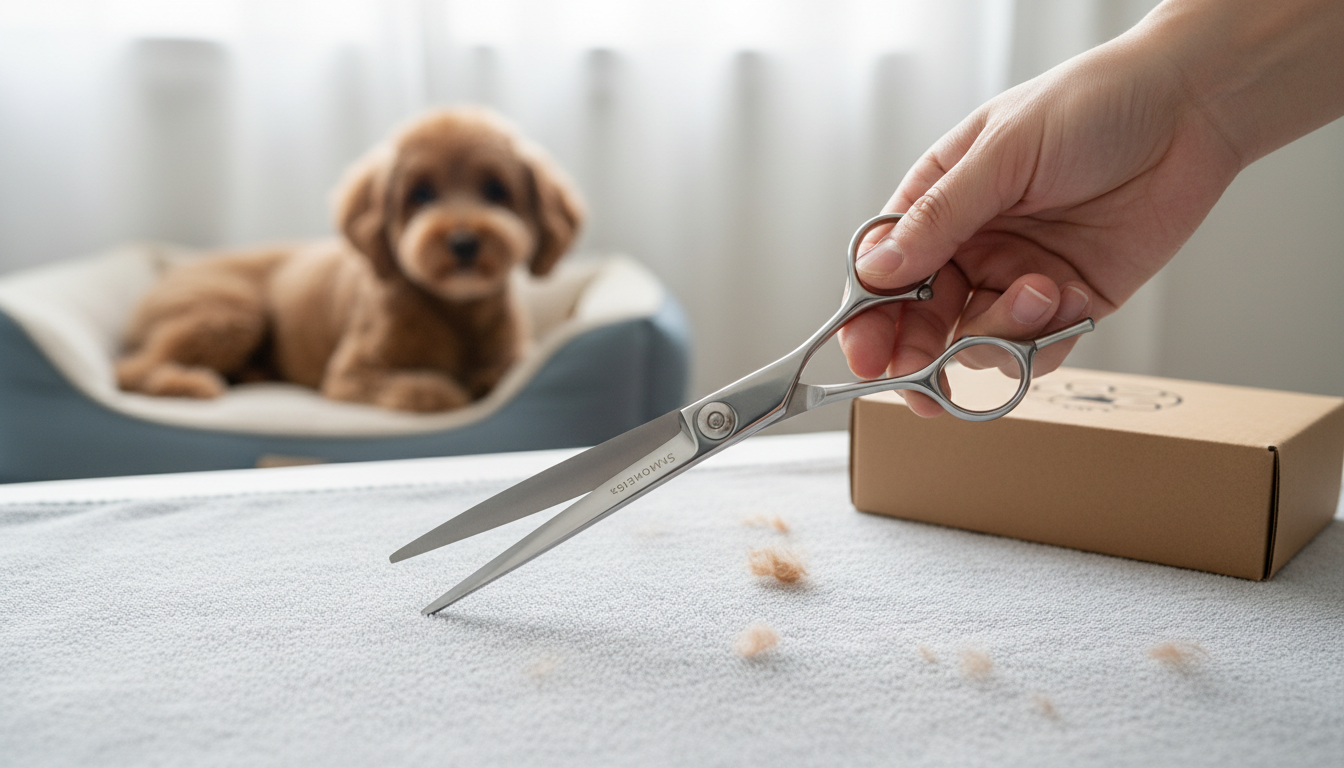
Swivel Dog Grooming Shears: Enhancing Comfort and Control for Detailed Trimming
Compare swivel dog grooming shears with a practical informational SEO brief, decision criteria, FAQs, and publishing checks before you commit.
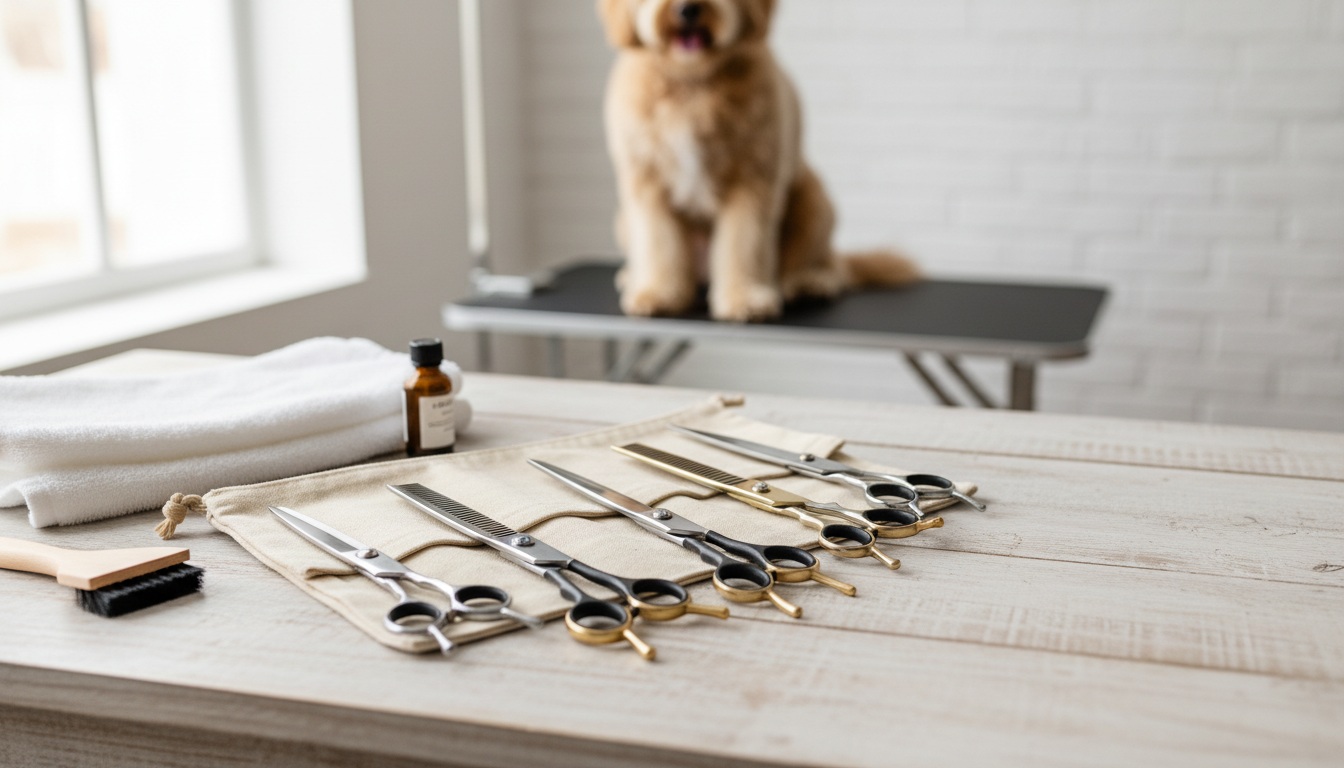
Investing in High-Quality Dog Grooming Shears: What to Look for in Professional-Grade Tools
Compare high quality dog grooming shears with a practical informational SEO brief, decision criteria, FAQs, and publishing checks before you commit.