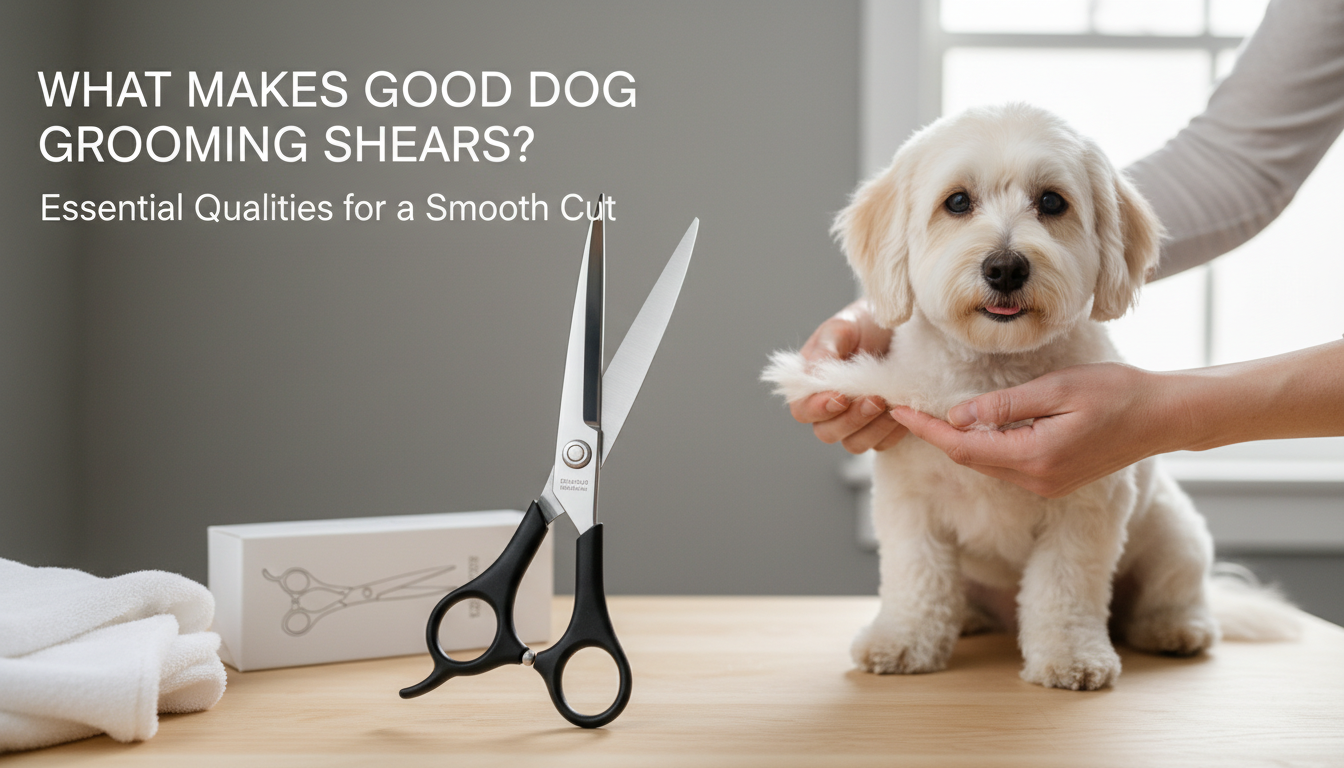
What Makes Good Dog Grooming Shears? Essential Qualities for a Smooth Cut
Unlocking the Secret to a Smooth Cut: What Defines Good Dog Grooming Shears?
Selecting the right dog grooming shears can feel like a daunting task, yet the tools you choose profoundly impact both your dog's comfort and the quality of the groom. Substandard shears can pull hair, cause uneven cuts, and lead to discomfort for your pet, while also causing hand strain for the groomer. Conversely, well-chosen shears ensure a smooth, precise cut, enhancing safety and making the grooming process more efficient and enjoyable for everyone involved.
This guide aims to demystify the selection process, empowering you to identify shears that meet your specific needs. We will explore the critical attributes that define effective and durable grooming shears, examine common pitfalls to avoid, and discuss how different shear types align with various coat needs and grooming styles. By understanding these core elements, you can confidently invest in tools that deliver optimal results and contribute to a positive grooming experience.
Beyond Sharpness: Essential Qualities of High-Performance Grooming Shears
While the immediate sensation of a sharp blade is appealing, the true measure of high-performance dog grooming shears extends far beyond initial keenness. Sustained effectiveness, user comfort, and precise control are rooted in the fundamental characteristics of their material science and design. Understanding these core attributes empowers buyers to discern genuinely good shears that deliver consistent, smooth cuts over time.
-
Blade Material for Lasting Edge Retention The foundation of a good shear lies in its blade material. High-quality stainless steel, particularly alloys like Japanese steel (e.g., 440C, VG-10), is prized for its ability to maintain a sharp edge through repeated use. This material composition offers a balance of hardness for edge retention and sufficient flexibility to resist chipping. Lesser quality steels may dull quickly, requiring frequent sharpening or replacement, which can lead to pulled hair and an uneven finish. The integrity of the steel directly impacts the shear's durability and its capacity to perform precise cuts without damaging the coat.
-
Ergonomics and Comfort for Reduced Strain The design of the shear's handles is critical for preventing hand fatigue and promoting control during extended grooming sessions. Ergonomic considerations include the shape and offset of the finger holes, the presence and adjustability of finger rests, and the overall balance of the shear.
- Handle Design: Options like opposing, offset, or swivel handles cater to different hand positions and grooming styles, aiming to keep the wrist in a neutral, comfortable alignment.
- Finger Rests: Fixed or removable finger rests provide additional leverage and stability, reducing the effort required to grip and operate the shears.
- Balance: A well-balanced shear feels like an extension of the hand, minimizing strain on muscles and joints. This thoughtful design helps mitigate the risk of common grooming-related issues such as carpal tunnel syndrome or tendonitis.
-
Construction and Precision Pivot System The pivot system, where the two blades meet and are held together, is central to the shear's smooth operation and cutting consistency. A well-engineered pivot screw, often adjustable, allows the groomer to fine-tune the tension between the blades.
- Smooth Action: Proper tension ensures the blades glide past each other cleanly, preventing hair from folding or snagging, which is crucial for a smooth cut.
- Durability: Robust construction at the pivot point resists loosening or wobbling over time, maintaining the shear's alignment and cutting integrity. A reliable pivot system contributes significantly to the shear's longevity and consistent performance.
-
Blade Edge Type for Specific Cutting Needs The specific grind of the blade edge influences how the shear interacts with the hair and the type of finish it produces.
- Convex Edge: Often found on higher-end shears, convex edges are extremely sharp and finely honed, ideal for precision cutting, slicing, and achieving smooth, seamless finishes. They are typically used for intricate work and require careful handling.
- Beveled Edge: More robust and durable, beveled edges are common on workhorse shears. They are excellent for bulk cutting and general trimming, offering a strong, stable edge that can withstand heavier use. Understanding these distinctions helps match the shear to the intended use and desired outcome for different coat types and grooming tasks.
Tailoring Your Toolkit: Matching Shears to Your Dog's Coat and Grooming Needs
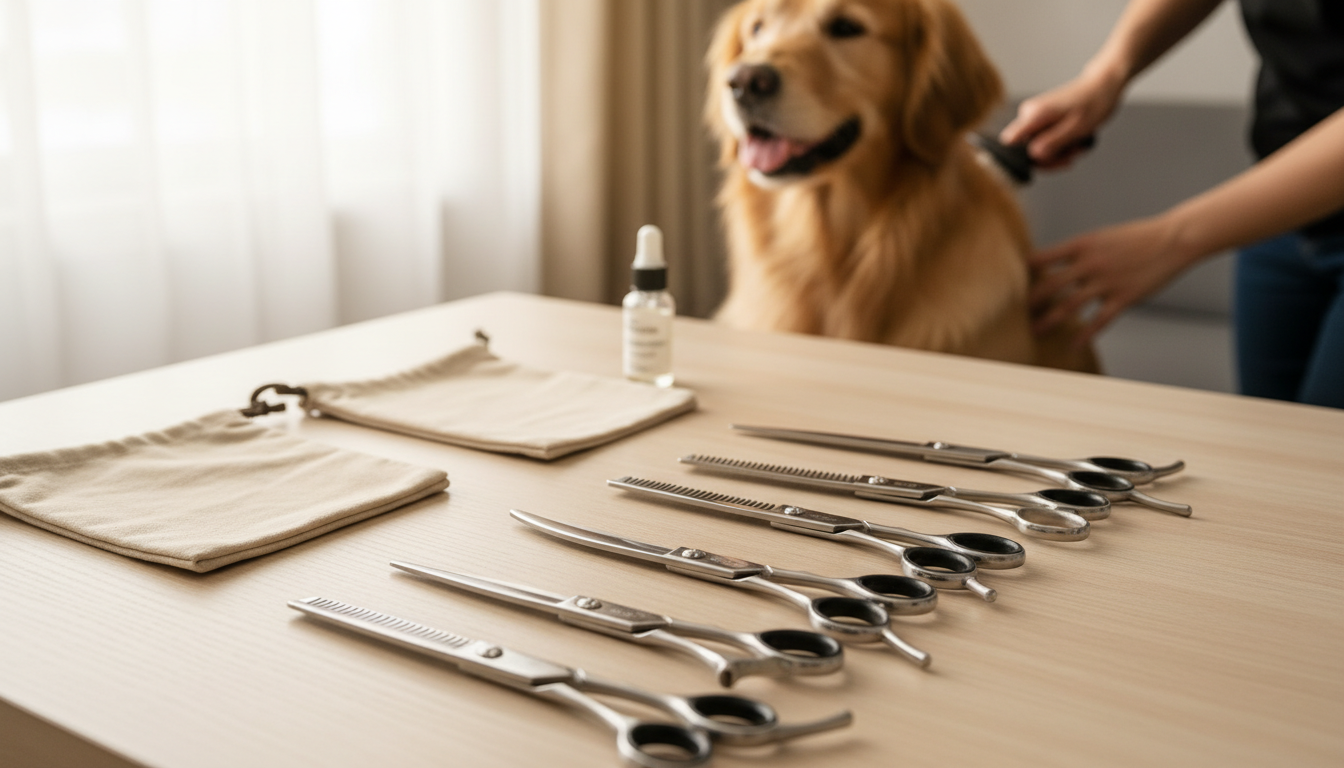
Selecting the appropriate grooming shears is less about finding a single "best" tool and more about assembling a toolkit that addresses your dog's unique coat type, desired style, and specific grooming tasks. Each shear type is designed with a particular function, and understanding these distinctions is key to achieving a smooth, professional-looking cut while ensuring your dog's comfort and safety. Matching the right shear to the job minimizes effort, reduces the risk of uneven cuts, and prevents strain on both the groomer and the dog.
-
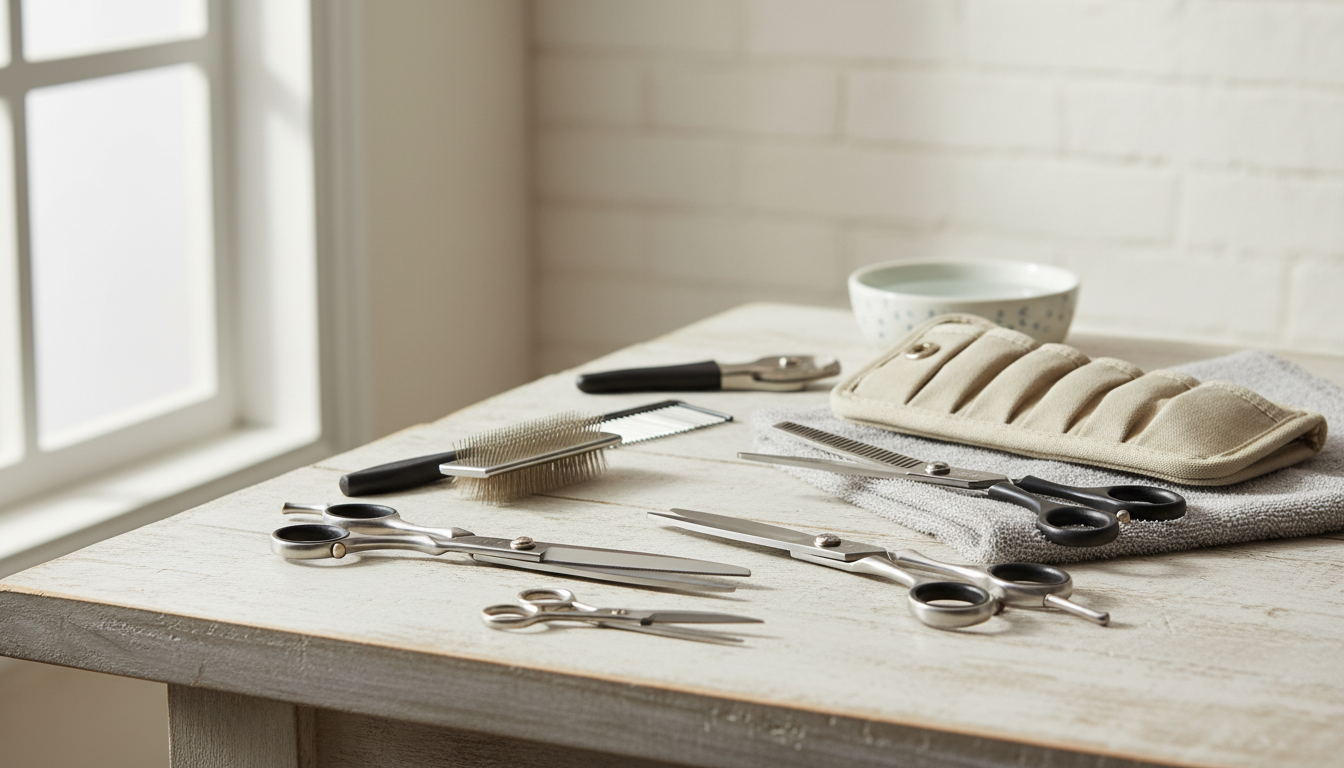
Straight Shears: The Foundation for Form These are the workhorses of any grooming kit, essential for establishing initial coat length and creating clean, precise lines. Straight shears are ideal for:
- General Cutting: Removing significant bulk and setting the overall body length.
- Creating Crisp Lines: Perfect for breeds requiring a structured, blocky appearance or defining edges on legs and skirts.
- Coat Types: Effective on most coat types, from wiry to silky, but particularly useful for double coats where a uniform length is desired.
- Trade-off: While versatile, they are less suited for intricate shaping or softening harsh lines, which can lead to a choppy look if misused for rounding.
-
Curved Shears: Shaping and Softening Contours Distinguished by their arced blades, curved shears are indispensable for sculpting and refining the coat, allowing for natural-looking finishes. They excel at:
- Shaping and Rounding: Creating smooth, rounded contours on heads, paws, and tails.
- Working Around Contours: Safely navigating delicate areas like ears, eyes, and hocks without creating sharp angles.
- Aesthetic Finishes: Achieving a softer, more blended look where straight lines would appear unnatural.
- Fit: Crucial for breeds with Poodle-like coats, Bichons, or any style requiring a fluffy, rounded silhouette.
-
Thinning Shears: Blending and Bulk Reduction Featuring one solid blade and one notched (toothed) blade, thinning shears are designed to remove a controlled amount of hair, creating a seamless blend rather than a blunt cut. Their primary uses include:
- Blending Harsh Lines: Softening the transition between different coat lengths or areas groomed with clippers.
- Removing Bulk: Reducing density in thick coats without altering the overall length, which can help prevent matting and improve air circulation.
- Softening Appearance: Creating a more natural, feathered finish, especially around the face and ears.
- Risk Mitigation: Used correctly, they minimize the risk of "choppy" lines often associated with improper straight shear use for blending.
-
Detail/Finishing Shears: Precision in Sensitive Areas Typically shorter and often with finer tips, these shears are built for meticulous work where precision and safety are paramount. They are vital for:
- Precision Work: Trimming around eyes, mouths, and paw pads where accuracy is critical.
- Sensitive Areas: Allowing for careful manipulation in delicate zones, reducing the risk of accidental nicks.
- Final Touches: Perfect for intricate styling details and achieving a polished finish.
- Fit: Essential for small breeds or any dog requiring close attention to fine details, irrespective of coat type.
-
Shear Length: Control Versus Efficiency The length of the shear's blades significantly impacts its utility and handling.
- Shorter Shears (e.g., 4-6 inches): Offer greater control and maneuverability, making them ideal for small dogs, puppies, and detailed work on sensitive areas. Their compact size reduces the risk of accidental cuts in tight spaces.
- Longer Shears (e.g., 7-10 inches): Cover more surface area with each cut, making them efficient for larger breeds and removing significant amounts of hair from the body. While faster for bulk work, they require more skill for precision and can be unwieldy for fine detailing or small dogs, potentially increasing the risk of an uneven cut or injury.
By carefully considering your dog's coat, the desired style, and the specific tasks at hand, you can select a combination of shears that forms an effective and comfortable grooming toolkit. This thoughtful approach ensures a better experience for both you and your canine companion.
More Than Just a Cut: Mitigating Risks and Maximizing Comfort in Grooming
Choosing dog grooming shears extends beyond simply achieving a trim; it's about safeguarding both the groomer's well-being and the dog's comfort. Suboptimal tools introduce a range of risks, from physical strain on the groomer to distress for the animal, ultimately compromising the quality and safety of the grooming experience. Understanding these potential pitfalls is key to making an informed investment.
-
Groomer Health Risks The repetitive motions and precise control required in grooming can place significant stress on the body. Poorly designed shears, particularly those lacking ergonomic features, can lead to chronic issues. Ill-fitting finger rings, excessive weight, or an unbalanced design can force unnatural hand positions, contributing to strain in the hands, wrists, arms, and even shoulders and back. Over time, this can manifest as conditions like carpal tunnel syndrome or tendonitis, making prolonged grooming painful and potentially shortening a groomer's career. Prioritizing shears with comfortable, ergonomic handles is crucial for long-term health.
-
Poor Grooming Outcomes and Canine Stress The immediate impact of unsuitable or dull shears often falls directly on the dog. Instead of a clean, efficient cut, dull blades can pull and snag hair, causing pain and anxiety for the animal. This discomfort can make future grooming sessions more challenging, potentially leading to behavioral issues or increased fear. Furthermore, shears that are not sharp or appropriate for the coat type can result in uneven, choppy cuts, requiring more passes and increasing the risk of nicks or skin irritation. A smooth cut depends on a sharp, well-matched blade.
-
Durability and Longevity: The False Economy The appeal of lower-priced shears can mask a "false economy." While initially less expensive, these tools often feature inferior materials that quickly lose their edge, chip, or even break under normal use. This rapid degradation necessitates frequent replacement or professional sharpening, which can accumulate costs that surpass the initial investment in a higher-quality pair. Durable shears, crafted from robust materials, retain their sharpness longer and withstand the rigors of regular use, offering consistent performance and greater value over time.
-
Importance of Reputable Suppliers The source of your grooming shears significantly influences their quality and reliability. Purchasing from reputable suppliers or established brands provides an assurance of quality. These entities typically adhere to higher manufacturing standards, ensuring consistent material quality, precise blade grinding, and proper heat treatment. This commitment to quality translates into better performance, enhanced durability, and often, access to reliable sharpening services or customer support, mitigating the risk of acquiring a subpar product that fails to meet expectations.
Preserving Precision: Essential Care and Maintenance for Your Grooming Shears
Investing in quality dog grooming shears is only the first step toward achieving consistently smooth cuts. Proper care and maintenance are crucial for preserving their sharpness, extending their lifespan, and ensuring they perform optimally with every use. Neglecting these practices can lead to premature dulling, rust, and damage, ultimately compromising the grooming experience for both you and your dog.
-
Prompt Cleaning After Each Use After every grooming session, it's essential to thoroughly remove all hair and debris from your shears. Even if the coat was dry, residual moisture and microscopic hair particles can cling to the blades and pivot screw. Use a soft, dry cloth or a small brush to wipe down the blades and clean the screw area. This prevents hair buildup from hindering blade movement and significantly reduces the risk of rust and corrosion, which can quickly degrade the cutting edge.
-
Regular Lubrication for Smooth Action Oiling your shears is vital for maintaining fluid blade movement and protecting against wear. Apply a single drop of shear oil to the pivot screw and gently work the blades open and closed several times to distribute the lubricant. Wipe away any excess oil to prevent it from attracting more hair or debris. This routine lubrication minimizes friction, preserves the integrity of the cutting edges, and ensures a consistently smooth and effortless cut.
-
Secure and Dry Storage Improper storage is a common cause of shear damage. Always store your grooming shears in a protective case, pouch, or a designated drawer where they are safe from accidental drops or contact with other metal objects. Ensure the storage environment is dry to prevent moisture buildup, which can lead to rust. Protecting the blades from nicks and impacts is paramount, as even minor damage can compromise their cutting ability and require professional repair.
-
Timely Professional Sharpening Even the highest quality shears will eventually lose their edge with regular use. When you notice your shears pulling hair, making uneven cuts, or requiring more effort to close, it's time for professional sharpening. Attempting to sharpen grooming shears yourself with standard tools can damage the precise blade angles and temper of the steel. A professional sharpener possesses the specialized equipment and expertise to restore the original edge without compromising the shear's design or longevity.
-
Careful Handling to Prevent Damage A single fall can irreparably damage a pair of grooming shears, misaligning the blades or creating nicks that render them useless. Always maintain a firm, secure grip when using or handling your shears. Avoid leaving them on the edge of a table or in any position where they could easily be knocked over. Treat your shears as precision instruments, as their delicate balance and sharp edges are susceptible to damage from even minor impacts.
Your Questions Answered: Common Queries About Dog Grooming Shears
Navigating the world of dog grooming shears can bring up several practical questions, especially after learning about the nuances of blade material and ergonomics. Addressing these common concerns can help solidify your understanding and guide you toward a confident purchase that aligns with your grooming goals and your dog's needs.
-
Are more expensive shears always better? Not necessarily. While higher-priced shears often indicate superior materials, craftsmanship, and ergonomic design, the "best" shears are those that perform effectively for your specific needs and feel comfortable in your hand. Premium shears typically use harder, more durable steel alloys that retain their edge longer, reducing the frequency of sharpening and providing a smoother cut. However, a mid-range pair made from quality stainless steel can still offer excellent performance for many home groomers, especially when properly maintained. The true value lies in the balance between cost, durability, performance, and how well the shears fit your hand and grooming style.
-
Can I use human scissors for dog grooming? It is generally not recommended to use human scissors for dog grooming. Dog coats are typically thicker, denser, and often coarser than human hair, requiring shears with stronger blades and a different edge grind to cut cleanly. Human scissors are designed for finer hair and may pull, bend, or damage a dog's coat, leading to an uneven finish and discomfort for your pet. Dedicated dog grooming shears are engineered to handle the unique characteristics of animal fur, ensuring a precise and safer cut.
-
How often should I clean and oil my shears? To maintain optimal performance and extend the lifespan of your grooming shears, it's advisable to clean and oil them after every grooming session, or at least daily if you groom frequently. Even if a dog's coat appears dry, residual hair, dander, and moisture can accumulate between the blades and around the pivot screw. Regular cleaning removes these particles, preventing rust and dulling. Applying a drop of shear oil to the pivot point lubricates the blades, ensuring a smooth cutting action and reducing wear on the metal components.
-
What's the best length of shear for my dog? The ideal shear length depends on your dog's size, coat type, and the specific grooming task.
- Shorter shears (e.g., 4-6 inches) offer greater control and precision, making them suitable for smaller dogs, intricate areas like paws, faces, and ears, or for detailed finishing work.
- Medium shears (e.g., 6-8 inches) provide a versatile option for general body work on many breeds, balancing control with efficiency.
- Longer shears (e.g., 8-10+ inches) are best for larger dogs, thick or long coats, and for creating long, flowing lines across the body, as they cover more surface area with each cut.
-
What's the difference between straight, curved, and thinning shears? Each type of shear serves a distinct purpose in dog grooming:
- Straight shears are the most fundamental type, used for foundational cuts, removing bulk, and establishing straight lines or uniform lengths across the body. They are versatile for most general grooming tasks.
- Curved shears feature a subtle or pronounced curve in their blades, allowing groomers to follow the natural contours of a dog's body. They are essential for creating rounded shapes (e.g., topknots, rounded paws) and achieving a smooth, blended finish on areas like the ribcage or hips.
- Thinning shears (also known as blending or texturizing shears) have one solid blade and one notched (toothed) blade. They are designed to remove bulk from dense coats, soften harsh clipper lines, blend different coat lengths seamlessly, and create a more natural, textured finish without significantly shortening the coat. The number and spacing of the teeth determine how much hair is removed and the blending effect achieved.
Making the Smart Choice: A Checklist for Selecting Your Ideal Grooming Shears
Moving from understanding shear qualities to making a purchase requires a structured approach. This checklist consolidates key considerations, enabling you to confidently navigate the options and select shears that align with your specific grooming needs and your dog's coat type. By evaluating each point, you minimize uncertainty and invest in tools that deliver a smooth, effective cut.
-
Assess Your Dog's Coat Characteristics: Begin by thoroughly understanding your dog's coat. Consider its texture (e.g., fine, silky, coarse, wiry), density (thick undercoat, sparse), and any specific challenges like matting tendencies or sensitive skin. A very dense coat might require shears with stronger cutting power, while a fine coat might benefit from a smoother, sharper edge to prevent bending the hair. This assessment dictates the required blade strength and style.
-
Identify Your Primary Grooming Tasks: Determine the specific types of cuts you intend to perform. Are you primarily focused on general body trimming, delicate shaping around the face and paws, or blending and thinning out bulk? Different tasks necessitate different shear types:
- Straight shears: For general cutting, length reduction, and creating crisp lines.
- Curved shears: Essential for following body contours, creating rounded shapes, and reaching awkward areas safely.
- Thinning or blending shears: Used to remove bulk, soften harsh lines, and create a natural finish without significantly altering length. Your grooming style will often require a combination of these tools.
-
Prioritize Ergonomics and Hand Fit: Shears should feel like an extension of your hand. Test for comfort, balance, and the fit of the finger rings. Look for features like offset handles, swivel thumbs, or adjustable finger rests that can reduce strain on your hand, wrist, and shoulder, especially during longer grooming sessions. Ill-fitting shears can lead to fatigue, discomfort, and even repetitive strain injuries, impacting both your efficiency and the quality of the groom.
-
Consider Material Quality and Construction: The durability and performance of shears are heavily influenced by the steel used. High-grade stainless steel, often indicated by specific alloy designations (e.g., Japanese steel), offers superior edge retention and corrosion resistance. Look for well-constructed shears where blades meet precisely and move smoothly without excessive friction or play. Quality materials contribute to a shear's longevity and ability to hold a sharp edge, reducing the risk of pulling hair.
-
Evaluate Supplier and Brand Reputation: Research brands and suppliers known for their commitment to quality, craftsmanship, and customer support. A reputable supplier often stands behind their products, offering consistent quality control, and sometimes, sharpening or repair services. While avoiding specific brand names, seek out those with a history of positive feedback regarding shear performance and durability from other groomers or experienced owners. This can be an indicator of reliable construction and material sourcing.
-
Set a Realistic Budget for Investment: Understand that quality grooming shears are an investment. While it's wise to set a budget, recognize that exceptionally low-priced shears may compromise on material quality, ergonomics, or edge retention, potentially leading to frustration and the need for frequent replacement. Conversely, higher-priced options often reflect superior materials, precision manufacturing, and ergonomic design, offering better performance and longevity. Focus on value and durability rather than just the initial cost.
The Art of the Perfect Groom: Investing in Quality Shears for Lasting Results
Choosing the right dog grooming shears is more than just a purchase; it's an investment in your dog's comfort, the quality of their grooming, and your own efficiency as a groomer. The journey to a smooth, stress-free cut begins with understanding what truly defines a high-performing tool. By prioritizing specific attributes, you move beyond mere price tags or fleeting trends to select shears that will serve you well for years.
Ultimately, good dog grooming shears are characterized by their robust construction, intelligent design, and suitability for the task at hand. This means seeking out blades crafted from high-quality stainless steel for superior edge retention, ergonomic handles that minimize hand strain and enhance control, and a blade style that aligns with your dog's coat type and your specific grooming goals. Remember that even the finest shears require consistent cleaning and proper maintenance to preserve their cutting integrity and extend their lifespan.
Armed with this comprehensive understanding of critical qualities, common pitfalls, and use-case considerations, you are now equipped to approach the market with confidence. Your informed decision will not only ensure a satisfactory purchase but will also elevate your grooming experience, leading to happier dogs and more polished results.
More in Dog Grooming Shears
View All
Dog Grooming Shears at PetSmart: Value Options for Casual Home Groomers
Compare dog grooming shears petsmart with a practical informational SEO brief, decision criteria, FAQs, and publishing checks before you commit.
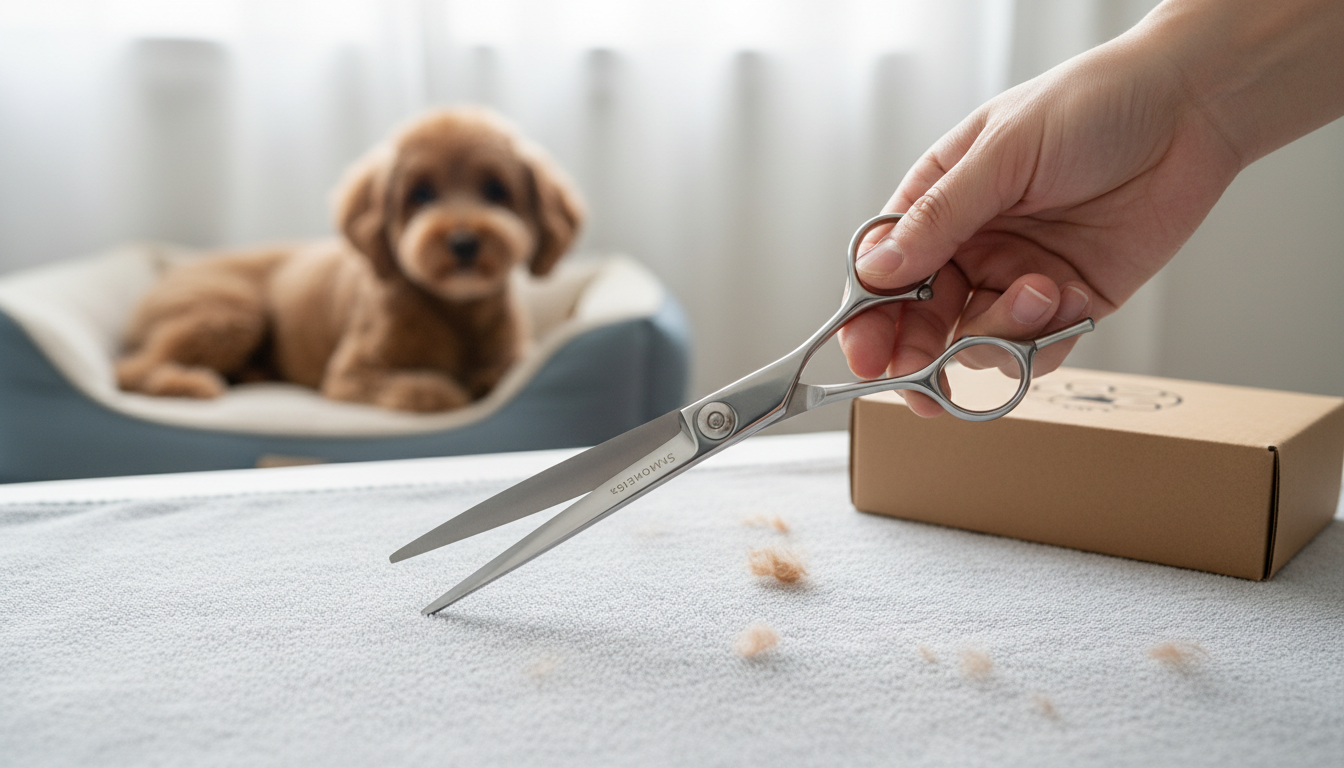
Swivel Dog Grooming Shears: Enhancing Comfort and Control for Detailed Trimming
Compare swivel dog grooming shears with a practical informational SEO brief, decision criteria, FAQs, and publishing checks before you commit.
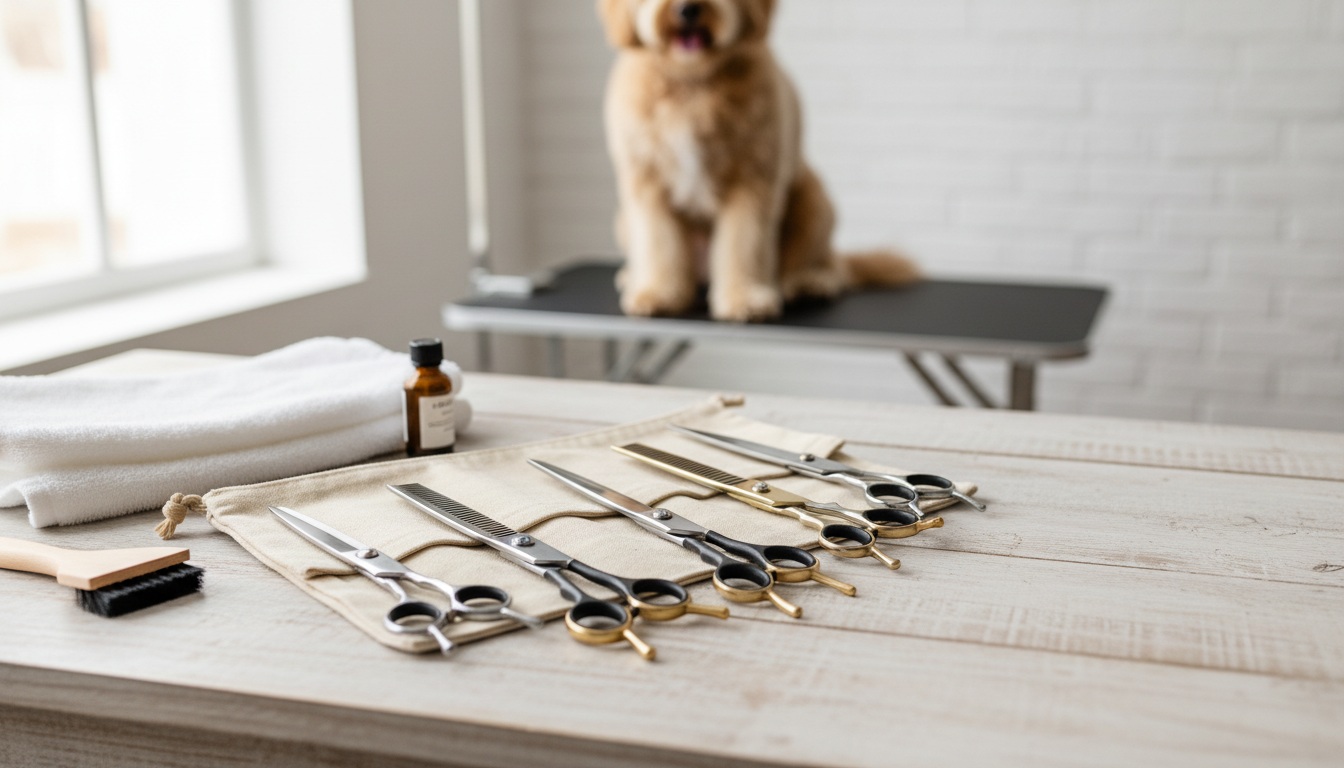
Investing in High-Quality Dog Grooming Shears: What to Look for in Professional-Grade Tools
Compare high quality dog grooming shears with a practical informational SEO brief, decision criteria, FAQs, and publishing checks before you commit.