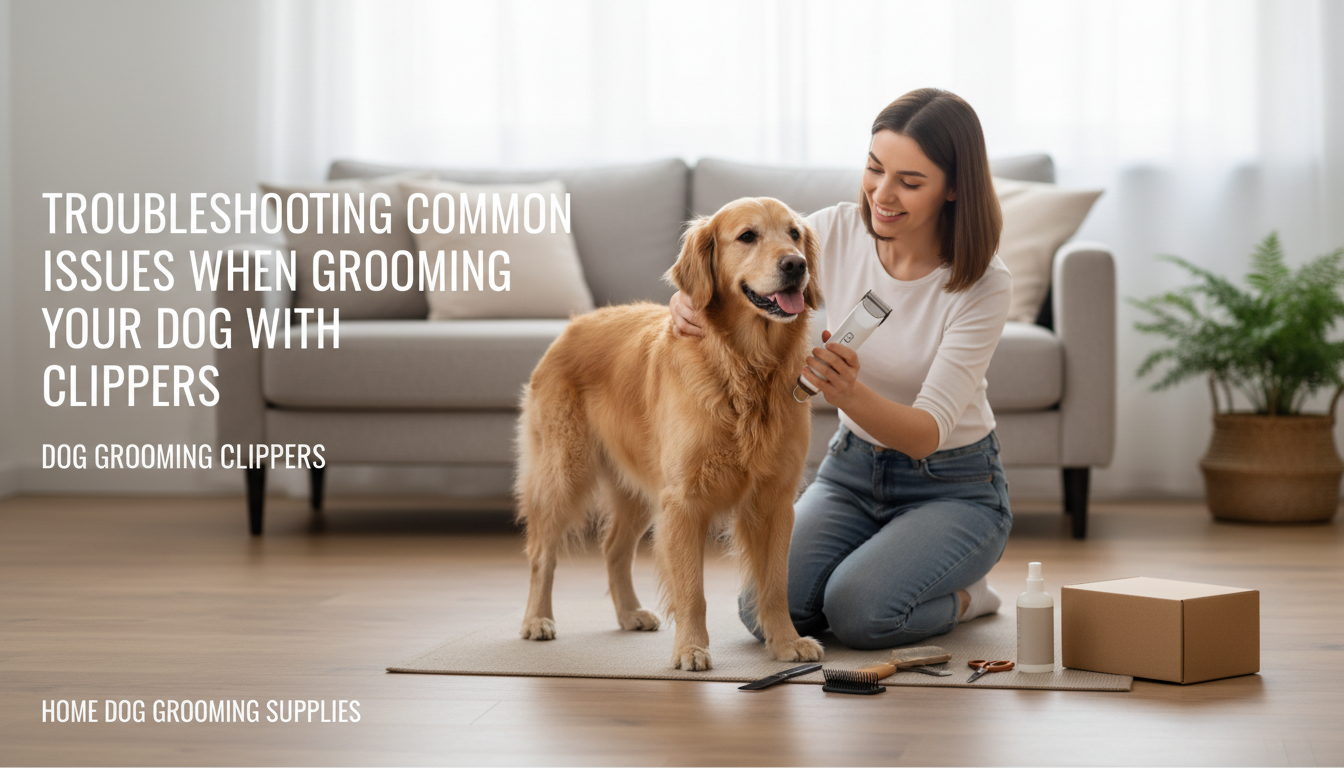
Troubleshooting Common Issues When Grooming Your Dog with Clippers
Navigating the Challenges of Home Dog Grooming with Clippers
The appeal of grooming your dog at home with clippers is clear: it offers convenience, can be more cost-effective, and provides an opportunity for bonding with your pet. This growing trend allows many dog owners to maintain their companion's coat between professional visits or take on the task entirely. The desire for a well-groomed, comfortable pet is universal, yet the path to achieving this with clippers often comes with a significant learning curve and unexpected frustrations.
While the idea of a smooth, efficient grooming session is enticing, beginners and even experienced owners frequently encounter specific problems that can make the process stressful for both dog and groomer. These difficulties range from clipper performance issues to managing a dog's temperament or achieving the desired coat finish. Without the right knowledge, these challenges can undermine confidence and lead to less-than-ideal results.
This article aims to equip you with practical troubleshooting skills and evidence-oriented solutions. We'll explore common problems encountered when grooming a dog with clippers, helping you diagnose the root cause and implement effective strategies. Our goal is to empower you to overcome these hurdles, fostering a smoother, safer, and more successful home grooming experience for you and your canine companion.
Unpacking the Root Causes of Common Dog Grooming Frustrations
Successfully grooming a dog with clippers at home often hinges on understanding the underlying factors that can lead to difficulties. Rather than simply encountering a problem, identifying its origin—whether it stems from your dog's specific traits, the tools you're using, your technique, or insufficient preparation—is key to effective troubleshooting. Addressing these root causes directly can transform a frustrating experience into a manageable and even enjoyable one for both you and your canine companion.
Common frustrations typically arise from a combination of these interdependent elements:
-
Factors Related to the Dog's Disposition and Coat:
- Temperament: An anxious, fearful, or overly energetic dog can make grooming challenging. Their movement can lead to uneven cuts, nicks, or a refusal to cooperate, increasing stress for both parties.
- Coat Type: Different coat types present unique challenges. Thick, dense, or double coats can overwhelm clippers not designed for such volume, leading to pulling and stalling. Fine or silky coats can slip through blades if not properly tensioned.
- Matted Fur: Mats are tightly tangled clumps of fur that clippers struggle to penetrate. Attempting to clip through mats can pull painfully on the dog's skin, overheat blades rapidly, or even damage the clipper motor.
- Skin Sensitivity: Some dogs have delicate skin prone to irritation or razor burn, especially if clippers are dull, overheated, or used with excessive pressure.
-
Factors Related to Equipment Performance:
- Clipper Quality and Power: Entry-level or underpowered clippers may lack the motor strength to handle anything but the lightest coats, leading to frequent stalling or an inability to cut effectively.
- Blade Sharpness: Dull blades are a primary culprit for pulling hair instead of cutting it cleanly. This causes discomfort for the dog and leaves an uneven finish.
- Maintenance Issues: Neglecting regular cleaning and oiling can cause blades to gum up with hair and debris, increasing friction, leading to overheating, and reducing cutting efficiency. Overheated blades can burn a dog's skin.
-
Factors Related to Grooming Technique:
- Inconsistent Pressure: Applying too much pressure can lead to skin irritation or nicks, while too little may result in an uneven cut or the blade skipping over hair.
- Incorrect Blade Angle: Holding the clipper blade flat against the skin or at an improper angle can cause uneven cutting, leave lines, or increase the risk of skin injury.
- Rushing the Process: Attempting to groom too quickly can stress the dog, lead to mistakes, and prevent thorough, even clipping. A rushed job often results in a less polished look and missed spots.
-
Factors Related to Preparation:
- Inadequate Brushing: Failing to thoroughly brush out all tangles and loose hair before clipping means the clipper blades will snag and pull, causing discomfort and inefficient cutting.
- Dirty Coat: Dirt, dander, and grit in a dog's coat will quickly dull clipper blades and can cause them to clog, leading to poor performance and overheating. Clippers should always be used on a clean, dry coat.
- Stressful Environment: A noisy, unfamiliar, or chaotic grooming environment can heighten a dog's anxiety, making them uncooperative and increasing the difficulty and risk of the grooming session.
From Dull Blades to Uneven Cuts: Practical Solutions for Every Grooming Glitch
Even with the best intentions and tools, home dog grooming with clippers can present a range of challenges. Recognizing the specific problem and understanding its root cause is the first step toward a smoother, more effective grooming experience. This section provides actionable strategies to address common issues, helping you refine your technique and improve your dog's comfort.
Addressing Clippers That Pull, Snag, or Fail to Cut
When clippers seem to struggle, pulling at your dog's hair instead of gliding smoothly, it's often a sign of underlying issues with your equipment or coat preparation. This can be uncomfortable for your dog and frustrating for you.
-
Diagnosing the Issue:
- Blade condition: Check if the blade feels dull to the touch or if it shows visible signs of wear. A dull blade is a primary culprit for pulling.
- Blade cleanliness and lubrication: Inspect the blade for accumulated hair, dirt, or debris between the teeth. Feel if the blade moves freely or if it feels sticky. Lack of lubrication causes friction and poor cutting.
- Coat preparation: Assess your dog's coat. Is it clean, dry, and thoroughly brushed? Mats, tangles, and even fine dirt can impede blade movement. Clippers are designed to cut clean hair; dirt and grime can quickly dull blades and cause pulling.
- Clipper power: Consider if your clipper's motor is powerful enough for your dog's specific coat type, especially if it's thick or dense.
-
Implementing Solutions:
- Clean and oil blades: After each grooming session, and periodically during longer sessions, remove hair from the blade and apply a few drops of clipper oil. This reduces friction and maintains sharpness.
- Replace or sharpen blades: Dull blades cannot be fixed with oil. If cleaning and oiling don't resolve the pulling, the blade likely needs to be replaced or professionally sharpened.
- Thorough coat preparation: Always ensure your dog's coat is freshly washed, completely dry, and thoroughly brushed to remove all tangles and mats before clipping. Any remaining debris or moisture can hinder the blade's performance.
- Use appropriate blades: Ensure the blade type and size are suitable for your dog's coat density and the desired length. Some coats require specific blade geometries to cut effectively.
Managing Clipper Overheating and Dog Discomfort
Clippers generate heat during operation, which can quickly become uncomfortable or even painful for your dog. Recognizing the signs of overheating is crucial for preventing skin irritation or burns.
-
Diagnosing the Issue:
- Clipper body and blade temperature: Periodically touch the clipper blade and body against the back of your hand. If it feels uncomfortably warm to you, it's too hot for your dog's skin.
- Dog's reaction: Observe your dog for signs of discomfort such as flinching, pulling away, restlessness, or trying to lick the clipped area. These are clear indicators that the clippers are causing distress.
- Duration of use: Consider how long the clippers have been running continuously. Extended use without breaks can lead to heat buildup.
-
Implementing Solutions:
- Regular temperature checks: Frequently pause to check the blade temperature. If it's warm, stop immediately.
- Use cooling sprays: Apply a clipper cooling spray directly to the blade while the clipper is running. These sprays help dissipate heat and lubricate the blade.
- Switch blades: Have multiple blades on hand. When one blade gets hot, switch to a cool, clean, and oiled spare.
- Take breaks: Allow the clippers to rest and cool down, especially during longer grooming sessions. This also provides a break for your dog.
- Ensure proper lubrication: Well-oiled blades run smoother and generate less friction-induced heat.
Correcting Uneven or Patchy Coat Results
Achieving a consistent, even coat length can be challenging, especially when starting out. Uneven cuts often result from inconsistent technique or inadequate preparation.
-
Diagnosing the Issue:
- Visible lines and varying lengths: After grooming, inspect the coat for distinct clipper lines, patches of longer or shorter hair, or an overall choppy appearance.
- Clipper angle and pressure: Reflect on your technique. Was the clipper held consistently flat against the dog's skin, or did it tilt? Was the pressure consistent throughout the stroke?
- Coat preparation: Re-evaluate if the coat was truly free of tangles and mats, and if it was brushed uniformly before clipping. Knots can cause the blade to skip or cut unevenly.
- Attachment comb use: If using attachment combs, ensure they were fully seated on the blade and remained flush with the coat during the entire stroke.
-
Implementing Solutions:
- Thorough pre-grooming: Always brush your dog's coat thoroughly to remove all tangles and mats, ensuring the hair stands uniformly before clipping.
- Consistent clipper angle: Hold the clipper blade flat against the dog's body, maintaining a consistent angle throughout each stroke. Avoid tilting the clipper.
- Overlap strokes: Overlap each clipping stroke slightly to ensure no areas are missed and to help blend the cut.
- Slow, steady pace: Use a slow, deliberate, and consistent pace. Rushing can lead to uneven cuts and missed spots.
- Check and re-check: Periodically step back and visually assess the coat from different angles, then go back over any uneven areas with smooth, even strokes.
Calming Dog Anxiety and Resistance During Grooming
A dog's reluctance or fear during grooming can make the process stressful for everyone involved. Addressing their anxiety is key to a positive and safe experience.
-
Diagnosing the Issue:
- Behavioral signs: Look for signs of stress or fear such as panting, yawning, lip-licking, trembling, tail tucked, trying to escape, growling, snapping, or excessive fidgeting.
- Previous experiences: Consider if your dog has had negative grooming experiences in the past, which could contribute to current anxiety.
- Acclimation process: Evaluate if your dog was properly introduced to the clippers and the grooming environment gradually, or if it was a sudden introduction.
- Physical discomfort: Rule out if the resistance is due to physical pain from hot blades, pulling hair, nicks, or underlying skin conditions.
-
Implementing Solutions:
- Positive reinforcement: Use high-value treats and praise generously for any calm behavior, even if it's just tolerating the clipper's sound.
- Gradual desensitization: Introduce the clippers slowly. Start by just letting your dog hear the clippers turned on, then touch the turned-off clippers to their body, then briefly touch with the turned-on clippers, building up to short clipping sessions.
- Create a calm environment: Groom in a quiet, familiar space free from distractions. Use a non-slip surface to help your dog feel secure.
- Short, frequent sessions: Instead of one long, stressful session, break grooming into multiple short, positive sessions.
- Address discomfort: Ensure blades are cool, sharp, and well-lubricated to prevent pulling or burning, which can exacerbate anxiety.
- Consider professional guidance: For severe anxiety or aggression, consult a professional dog groomer or a veterinary behaviorist for tailored advice and training techniques.
Preventing Problems Before They Start: Essential Pre-Grooming Preparations
Many common difficulties encountered when grooming a dog with clippers can be proactively avoided through thorough preparation. Investing time before the clippers even touch your dog's coat can significantly reduce stress, improve results, and enhance safety for both you and your canine companion. This foundational approach addresses potential issues before they arise, transforming a potentially frustrating experience into a smoother, more successful session.
Preparing Your Dog for a Stress-Free Session
A calm and cooperative dog is paramount for effective clipper grooming. Proactive steps can help manage their comfort and coat condition.
- Bathing and Thorough Drying: Before clipping, bathe your dog using a suitable dog shampoo to remove dirt, debris, and excess oils. Research indicates that clipping on clean, dry hair allows blades to glide more smoothly, reducing friction and preventing snags that can cause discomfort. Ensure the coat is completely dry, as wet hair can clog clipper blades and result in an uneven finish.
- Brushing and Dematting: Thoroughly brush your dog's coat to remove all loose hair, tangles, and small mats. Clippers cannot effectively cut through matted fur; attempting to do so will pull the dog's skin, causing pain and potentially leading to clipper burn or injury. For significant matting, consider professional dematting or carefully cutting out mats with blunt-nosed scissors before introducing clippers. This step is crucial for preventing blade damage and ensuring a comfortable experience for your dog.
- Acclimation and Positive Association: Introduce the clippers gradually to your dog. Turn them on near your dog without immediate contact, offering treats and praise. Slowly progress to brief touches on non-sensitive areas like the back or shoulder. Keep initial sessions very short and positive, ending before your dog shows signs of distress. This builds a positive association and helps reduce anxiety during actual grooming.
Preparing Your Tools for Optimal Performance
The condition of your grooming tools directly impacts the efficiency and safety of the clipping process. Well-maintained equipment performs better and lasts longer.
- Cleaning and Oiling Blades: Before each grooming session, ensure your clipper blades are clean of any residual hair or debris. Apply a few drops of clipper oil to the moving parts of the blade. Evidence suggests that proper blade lubrication reduces friction, which in turn minimizes heat buildup, prevents blades from pulling hair, and extends their sharpness and lifespan.
- Checking Blade Sharpness and Type: Inspect your blades for any signs of dullness or nicks. Dull blades pull hair rather than cutting it cleanly, causing discomfort to your dog and making the grooming process inefficient. Have sharp replacement blades available. Ensure you select the appropriate blade size (e.g., higher numbers for shorter cuts) and type for your dog's specific coat texture and the desired length.
- Power Source and Cord Management: For corded clippers, verify that the power outlet is easily accessible and the cord is untangled, positioned away from your dog's reach to prevent tripping or chewing. For cordless clippers, ensure batteries are fully charged to avoid interruptions during the session, which can heighten a dog's anxiety.
Preparing Your Grooming Environment
The physical space where you groom plays a significant role in minimizing distractions and ensuring safety.
- Ensuring a Calm, Quiet, and Well-Lit Space: Choose a quiet room in your home, away from common household noise and distractions. A calm environment helps keep your dog relaxed. Adequate lighting, preferably bright and even, is essential for clearly seeing your dog's coat, identifying any skin issues, and ensuring an even cut, reducing the risk of accidental nicks.
- Stable Grooming Surface: Use a sturdy, non-slip surface for grooming. A dedicated grooming table with a rubber mat is ideal, but any stable, elevated surface that allows you to work comfortably and safely is suitable. A stable surface helps your dog feel secure, reducing fidgeting and sudden movements that can lead to errors.
- Easy Access to Supplies: Before starting, gather all necessary supplies and place them within arm's reach. This includes clippers, various blades, clipper oil, a comb, a brush, treats, and emergency items like styptic powder for minor nicks. Having everything organized prevents interruptions that can prolong the session and increase your dog's impatience.
Making Informed Choices: Selecting Clippers and Blades That Match Your Dog's Needs
Effective home grooming begins with selecting the right tools. Many common frustrations, such as uneven cuts, snagging, or clipper overheating, can often be traced back to equipment that isn't suited to your dog's specific coat type or your grooming needs. Understanding the criteria for choosing clippers and blades empowers you to prevent these issues, ensuring a smoother, safer, and more successful grooming experience.
Understanding Blade Selection for Different Coats and Lengths
Clipper blades are not one-size-fits-all; their numbering system dictates the resulting hair length and suitability for various coat types. Choosing the correct blade is fundamental to achieving the desired look while avoiding common problems like skin irritation or an inability to cut through dense fur.
- Blade Numbering: In the grooming industry, a higher blade number indicates a shorter cut.
- Higher Numbers (e.g., #30, #40): These blades cut very close to the skin, often used for surgical preparation by veterinarians or for extremely short finishes on certain breeds. Using these on a typical pet groom can expose skin to irritation or sunburn if not carefully considered.
- Medium Numbers (e.g., #7, #5): These provide a moderately short cut, suitable for many body areas, offering a clean look without being excessively short.
- Lower Numbers (e.g., #4, #3F): These leave a longer, plush finish. A #4 blade, for instance, can leave a velvety length on most coats, providing a natural look while still managing shedding and matting. These are generally safer for beginners as they reduce the risk of cutting too close.
- Coat Type Match:
- Fine or Silky Coats: May benefit from finer-toothed blades to prevent lines, but can also be prone to static.
- Thick or Double Coats: Often require blades designed to cut through density without snagging. Using an inappropriate blade can lead to pulling the hair, causing discomfort for your dog and frustration for you.
- Matted Coats: Require extreme caution. Often, a very short blade (#10 or even shorter) is needed to go under the mat, but this should only be attempted after careful consideration and if the mat is not too tight against the skin.
Key Clipper Features to Consider
Beyond blades, the clipper itself plays a crucial role in performance. Understanding key features helps you select a tool capable of handling your dog's coat without struggling, overheating, or causing undue stress.
- Motor Power and Speed: These are critical for efficient cutting, especially with challenging coats.
- Low Power/Single Speed: Suitable for light trims, fine coats, or detail work. They may struggle with dense or matted fur, leading to pulling, uneven cuts, and premature motor wear.
- High Power/Variable Speed: Essential for thicker, denser, or matted coats. Higher speeds allow the blade to cut through hair more effectively, reducing the likelihood of snagging. Variable speeds offer versatility, allowing you to use a lower speed for sensitive areas or anxious dogs, and a higher speed for bulk removal. A more powerful motor also reduces the chance of the clipper "working extra hard," which can lead to overheating.
- Blade Drive System: Rotary, pivot, and magnetic motors offer different torque and speed characteristics. Rotary motors are generally found in professional-grade clippers, offering consistent power for all coat types.
- Ergonomics and Weight: A comfortable, lightweight clipper reduces hand fatigue during longer grooming sessions, improving control and precision.
Trade-offs and Limitations in Clipper Technology
No single clipper design excels in all aspects. Understanding the inherent trade-offs helps manage expectations and make a choice that best fits your specific situation.
- Balancing Power and Noise: Powerful motors, while effective for thick coats, can sometimes generate more noise. For noise-sensitive dogs, a quieter, less powerful clipper might be a better choice, even if it requires more passes or is less efficient on dense fur.
- Heat Generation: All clippers generate some heat during operation, especially the blades. More powerful motors or prolonged use can increase heat. This is a crucial consideration for preventing skin burns. Regular cleaning and oiling of blades, along with using cooling sprays, are essential maintenance to mitigate heat, regardless of clipper type.
- Corded vs. Cordless Operation:
- Corded Clippers: Offer consistent power without battery limitations, ideal for long grooming sessions or very dense coats. The trade-off is restricted mobility and the potential for the cord to get in the way.
- Cordless Clippers: Provide freedom of movement, which can be beneficial for nervous dogs or hard-to-reach areas. However, battery life and power degradation as the battery drains are limitations. For thick coats, a cordless clipper might struggle towards the end of its charge or require frequent recharging.
- Blade Material and Durability: While stainless or hardened steel blades offer precision and longevity, they still require regular sharpening or replacement. Even high-quality blades can dull quickly if used on dirty hair, forcing the clipper to work harder and increasing the risk of pulling.
Knowing Your Limits: When Professional Grooming is the Best Solution
While home grooming with clippers offers many advantages, recognizing when a situation exceeds your capabilities is crucial for your dog's safety and well-being. Attempting to tackle certain challenges without adequate experience or tools can lead to stress, injury, or an unsatisfactory outcome. Understanding these limits helps ensure your dog receives the best care, even if it means seeking professional assistance.
Consider these scenarios where professional intervention is often the safer and more effective choice:
- Severe Matting: Heavily matted coats can be extremely painful to remove and pose a significant risk of skin nicks or cuts if attempted with standard home clippers. Professional groomers possess specialized tools and techniques to safely address severe matting, often requiring a very close shave to get beneath the tangles without harming the skin.
- Behavioral Challenges: Dogs that are highly anxious, aggressive, or uncooperative during grooming can make the process dangerous for both the pet and the owner. Professionals are trained to handle difficult temperaments, employing calming techniques, specialized restraints, and a secure environment to minimize stress and prevent injury.
- Specialized Breed Cuts: Achieving specific breed-standard cuts requires advanced scissoring and clipping skills, knowledge of canine anatomy, and an understanding of coat growth patterns. These intricate styles often go beyond basic clipping and are best left to groomers with specialized training and experience.
- Persistent Safety Concerns: If you consistently find yourself struggling to avoid nicks, cuts, or skin irritation, particularly around sensitive areas like ears, paws, or sanitary regions, it indicates a potential safety risk. Professional groomers have honed their skills to navigate these delicate areas with precision and confidence.
Professional groomers invest in specialized equipment, ongoing training, and possess extensive hands-on experience, making them uniquely equipped to handle complex coats, behavioral issues, and intricate styling requests. Acknowledging these situations allows you to prioritize your dog's comfort and safety.
Common Questions About Grooming Your Dog with Clippers
Successfully grooming your dog at home often leads to specific questions as you refine your technique and address unexpected situations. Understanding these common concerns can help you make informed decisions, improve your grooming process, and maintain your dog's comfort and coat health.
-
How often should I groom my dog with clippers? The frequency of grooming depends primarily on your dog's breed, coat type, and desired length. Many breeds benefit from clipping every 4 to 8 weeks to maintain a manageable coat length, prevent matting, and ensure hygiene. Dogs with continuously growing hair, like Poodles or Shih Tzus, often require more frequent attention, while those with shedding coats might need less frequent full clips but consistent brushing. Observe your dog's coat condition and comfort level to determine the optimal schedule.
-
Can I use human hair clippers on my dog? It is generally not recommended to use human hair clippers on dogs. Dog coats are typically thicker, denser, and often have a different texture than human hair, sometimes including a double coat. Human clippers are not designed for these demands and can quickly overheat, pull the dog's hair, or become dull, causing discomfort or even skin irritation for your pet. Dog clippers are specifically engineered with more powerful motors, appropriate blade materials, and cooling features to handle canine coats safely and effectively.
-
What should I do if my dog gets a mat? Prevention through regular brushing is the best strategy for mats. If your dog develops a mat, avoid clipping directly into it with standard clipper blades, as this can pull the skin and cause severe injury. Instead, try to gently work the mat apart with your fingers, a mat splitter, or a slicker brush, always brushing away from the skin. For dense or tight mats that cannot be safely untangled, using a very short blade (e.g., #10 or #15) carefully under the mat, close to the skin, may be necessary. However, this carries a significant risk of cutting the skin. If you are unsure or the mats are extensive, consulting a professional groomer or veterinarian is the safest option.
-
How do I properly clean and maintain my clipper blades? Proper blade maintenance is crucial for clipper performance and longevity. After each grooming session, use a brush to remove loose hair from the blades. Then, apply a blade wash or cleaner to disinfect and lubricate them, ensuring all debris is removed. During longer grooming sessions, and always after cleaning, apply a few drops of clipper oil to the moving parts of the blade to reduce friction and heat. Store blades in a clean, dry place. Dull or dirty blades are a common cause of clippers pulling hair, overheating, and performing poorly.
-
Are certain dog breeds harder to groom with clippers than others? Yes, certain dog breeds present greater challenges for clipper grooming due to their specific coat characteristics or temperament. Breeds with dense double coats, such as Huskies, Samoyeds, or Golden Retrievers, require powerful clippers and careful technique to avoid damaging the coat or causing discomfort. Breeds with very fine, curly, or continuously growing hair (e.g., Poodles, Bichon Frise) can be prone to matting, which complicates clipping. Additionally, dogs with anxious or high-energy temperaments may require more patience, desensitization, and specialized handling to ensure a safe and stress-free grooming experience.
Mastering the Art of Home Grooming: Confidence and Care for Your Canine Companion
Successfully grooming your dog with clippers at home is a skill developed through understanding and consistent effort. Overcoming the common issues discussed hinges on several core principles that empower you to provide effective and compassionate care:
- Prioritize Preparation: A well-prepared dog and workspace are fundamental to a smooth session.
- Refine Your Technique: Learning proper clipper handling and understanding coat dynamics minimizes discomfort and improves outcomes.
- Maintain Your Equipment: Regular cleaning and blade care prevent common performance problems like pulling and overheating.
- Recognize When to Seek Professional Help: For complex matting or persistent behavioral challenges, a professional groomer can ensure your dog's safety and comfort.
Every grooming session, even those with initial challenges, contributes to your experience and your dog's acclimation. With patience and consistent practice, both you and your canine companion will grow more comfortable and confident with the process. Approach home grooming with a focus on your dog's well-being, and you'll foster a positive routine that strengthens your bond and keeps their coat healthy.
More in Dog Grooming Clippers
View AllPreparing Your Dog for Grooming with Clippers: A How-To Guide for Stress-Free Sessions
Compare how to dog grooming with clippers with a practical informational SEO brief, decision criteria, FAQs, and publishing checks before you commit.
Country Clippers for Dog Grooming: Built for Durability and Demanding Use
Compare country clippers dog grooming with a practical informational SEO brief, decision criteria, FAQs, and publishing checks before you commit.
Oneisall Dog Grooming Clippers: Choosing the Right Model for Your Dog's Coat Type
Compare oneisall dog grooming clippers with a practical informational SEO brief, decision criteria, FAQs, and publishing checks before you commit.