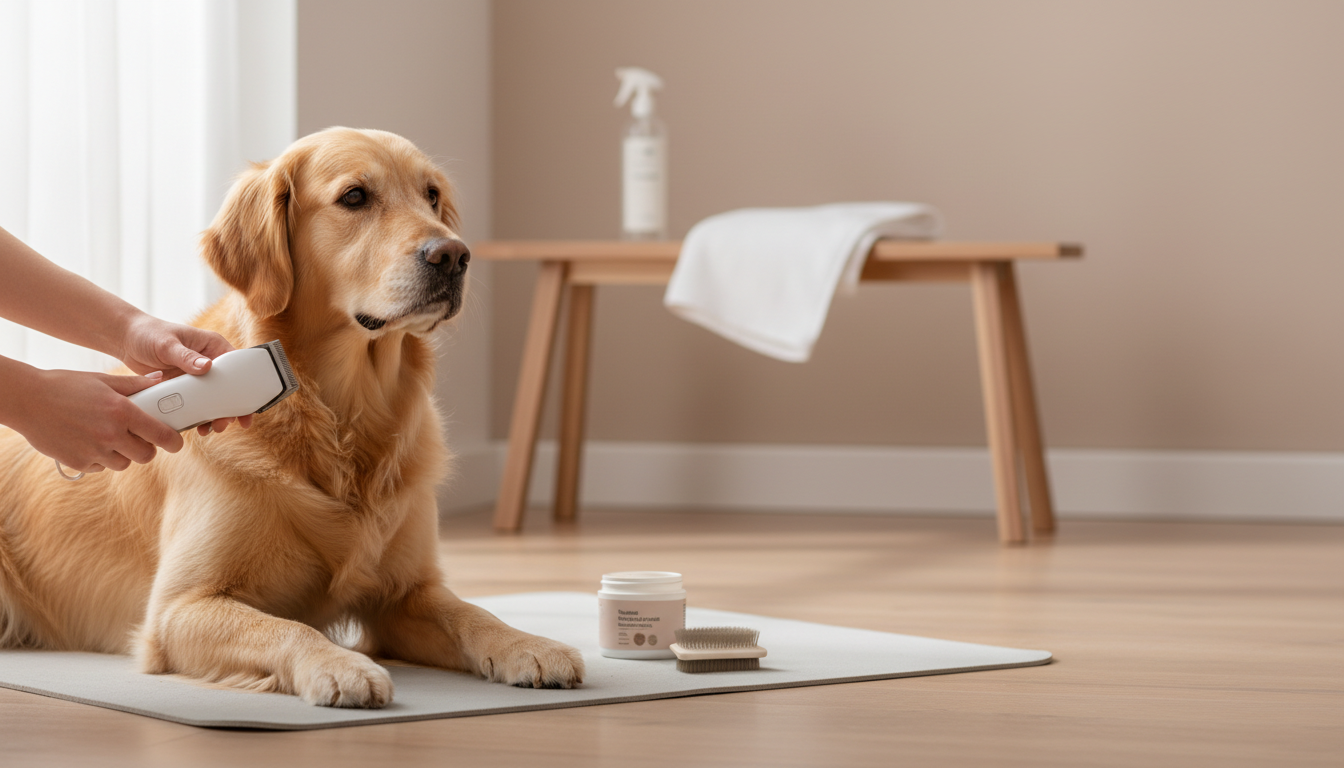
Preparing Your Dog for Grooming with Clippers: A How-To Guide for Stress-Free Sessions
Mastering Stress-Free Dog Grooming with Clippers
Grooming your dog at home with clippers offers notable advantages, from saving time and money to fostering a stronger bond through regular, positive interactions. It provides owners with direct control over their pet's coat length and hygiene schedule, allowing for personalized care tailored to individual needs. However, the prospect of using clippers can introduce a range of concerns for both pet and owner.
Many owners worry about their dog's comfort and safety, fearing accidental nicks, skin irritation, or the discomfort of hot blades. The noise and vibration of clippers can also trigger anxiety in sensitive dogs, leading to resistance or a negative association with grooming. Beyond safety, there's the challenge of achieving an even, professional-looking cut and effectively managing mats without causing pain.
This guide focuses on the critical pre-grooming preparation phase, designed to mitigate these common anxieties and ensure a successful, stress-free experience. We will explore how to acclimate your dog to the grooming process, select appropriate tools for their coat type, and set up an environment that promotes calm and cooperation. The goal is to empower you with actionable steps, transforming potential challenges into confident, positive grooming sessions.
Understanding Your Dog's Unique Needs Before Clipping
Before introducing clippers, a thorough assessment of your dog's physical condition and emotional state is essential. This foundational step not only ensures safety but also dictates the appropriate tools and techniques for a comfortable, effective grooming session. Overlooking these initial checks can lead to discomfort for your pet, damage to grooming equipment, or an increased risk of injury.
Coat and Skin Evaluation
Begin by systematically examining your dog's coat and the underlying skin. This tactile inspection helps identify potential challenges before they interfere with clipping.
- Coat Type and Condition: Different coat types (e.g., thick double coats, fine silky hair, wiry textures) respond differently to clippers and require specific blade choices. More critically, check for mats and tangles. Clippers cannot effectively or safely cut through matted fur; attempting to do so can pull at the skin, cause pain, and lead to skin irritation or cuts. Mats also prematurely dull clipper blades.
- Skin Health: Gently run your hands over your dog's entire body, feeling for any lumps, bumps, scabs, or areas of tenderness. Note any redness, inflammation, or dry patches. These areas are particularly sensitive and require extreme caution or avoidance during clipping. Existing skin conditions can be exacerbated by clipper irritation, and unknown growths could be accidentally nicked.
- Cleanliness and Dryness: For clippers to glide smoothly and prevent blade damage, your dog's coat must be thoroughly clean and completely dry. Dirt, debris, and oils can clog blades, causing them to pull hair and overheat. Moisture can also interfere with the cutting action, leading to an uneven finish and potential rusting of blades. A pre-grooming bath and complete drying are often necessary, followed by a comprehensive brushing.
Temperament and Anxiety Assessment
Your dog's emotional readiness is as crucial as their physical state. Observing their behavior can inform how you approach the grooming session, helping to minimize stress.
- Anxiety Indicators: Pay attention to signs of anxiety, such as lip licking, yawning, panting, tail tucking, trembling, or attempting to hide. A dog exhibiting these behaviors may require a more gradual introduction to clippers and shorter, more frequent sessions.
- Noise and Vibration Sensitivity: Some dogs are particularly sensitive to the sound and vibration of clippers. Test their reaction to the clippers turned on but not touching them, then gradually introduce the sensation to their body in short, positive interactions. This helps gauge their tolerance and allows you to adapt your approach.
Understanding these unique aspects of your dog allows for tailored preparation, setting the stage for a positive and less stressful grooming experience for both of you.
Essential Tools and Environment Setup for a Smooth Session
Successful, stress-free clipper grooming begins long before the clippers touch your dog's coat. The right tools, properly maintained, combined with a thoughtfully prepared environment, lay the groundwork for a positive experience for both you and your pet. This preparatory phase minimizes common hurdles and builds confidence for the grooming session ahead.
- Selecting the Right Clippers:
- Motor Type: Consider your dog's coat thickness and density. Rotary motor clippers offer consistent power for various coat types, while magnetic and pivot motors might be suitable for lighter work or specific coat textures.
- Corded vs. Cordless: Corded clippers typically provide continuous power, ideal for longer grooming sessions without interruption. Cordless models offer greater mobility and can be less intimidating for some dogs, but require charging and may have varying battery life and power output.
- Choosing Appropriate Clipper Blades:
- Blade Numbers: Blades are numbered to indicate the length of hair left behind; a higher number generally means a shorter cut. For instance, a #10 blade cuts very short, while a #4 or #5 blade leaves a longer, plush finish. Select blades appropriate for your dog's desired coat length and coat type.
- Material and Cooling: Blades are commonly made from steel or ceramic. Ceramic blades often stay cooler longer due to their material properties. Friction during use generates heat; having multiple blades allows you to swap them out to cool, or use a blade coolant spray to prevent discomfort for your dog.
- Blade Maintenance for Performance and Safety:
- Cleaning: After each use, thoroughly clean blades to remove hair and debris.
- Oiling: Apply clipper oil to the blades before each grooming session and periodically during longer sessions. Proper oiling reduces friction, keeps blades running cooler, and extends their lifespan.
- Cooling: Monitor blade temperature by touching it to the back of your hand. If it feels hot, stop immediately and allow it to cool, or switch to a cool replacement blade. Hot blades can burn your dog's skin.
- Other Essential Grooming Tools:
- Brushes and Combs: A slicker brush and a metal comb are indispensable for detangling and ensuring the coat is smooth before clipping.
- Grooming Table or Non-Slip Mat: A stable, elevated surface provides better control and reduces strain on your back. For ground-level grooming, a non-slip mat prevents your dog from sliding and helps them feel secure.
- Treats: Use high-value treats for positive reinforcement throughout the process, associating grooming with rewards.
- Styptic Powder: Keep styptic powder on hand to quickly stop bleeding from any accidental nicks, though careful preparation significantly reduces this risk.
- Creating a Calm and Safe Grooming Space:
- Quiet Environment: Choose a quiet area free from distractions, loud noises, or other pets.
- Good Lighting: Adequate lighting is crucial for visibility, helping you see tangles, skin folds, and potential hazards.
- Non-Slip Surface: Ensure your dog has secure footing to prevent slips and falls, which can cause anxiety or injury.
- Temperature Control: Keep the room at a comfortable temperature for your dog.
- Pre-Grooming Steps: Bathing, Drying, and Detangling:
- Bathing: If your dog is dirty, a bath before clipping is essential. Clean hair allows clippers to glide smoothly and prevents blades from dulling quickly.
- Thorough Drying: This is critical. Clippers should only be used on completely dry hair. Wet hair can clog blades, lead to uneven cuts, and pull painfully on the coat.
- Brushing to Remove All Tangles: After your dog is completely dry, brush their coat thoroughly with a slicker brush and then comb through with a metal comb. All mats and tangles must be removed before clipping. Attempting to clip through matted hair is painful, can cause skin irritation or cuts, and can damage your clippers. Clippers are designed to cut hair, not to detangle it.
Step-by-Step Guide to Grooming Your Dog with Clippers
With your dog prepared and your tools ready, the actual clipping process requires a methodical approach, emphasizing safety and your dog's comfort. This phase builds on the pre-grooming preparation, ensuring a smooth transition from acclimation to a finished groom.
Initiating the Session: Acclimation and Setup
Even after pre-grooming exposure, the start of the actual clipping session should be gentle.
- Reintroduce Clippers (Sound & Vibration): Before touching your dog, turn the clippers on near them, allowing them to hear and feel the vibration without direct contact. Reward calm behavior. Gradually move the running clippers closer, then lightly touch them to less sensitive areas like the shoulder or back for a few seconds, turning them off and rewarding. This reinforces a positive association.
- Optimal Dog Positioning: Position your dog securely on a non-slip surface at a comfortable height for you, such as a grooming table or sturdy counter. Ensure they cannot easily jump down. For smaller dogs, you might hold them gently. Maintain a firm, but not restrictive, hold to prevent sudden movements that could lead to nicks.
Mastering Clipper Control and Technique
Proper handling of the clippers and understanding hair growth patterns are crucial for an even cut and safety.
- Holding the Clippers: Grip the clippers firmly but comfortably in your dominant hand. Your thumb should rest on top, fingers wrapped around the body, allowing for steady control. The blade should be flat against the skin, not angled, to prevent digging in.
- Clipping Direction and Strokes: Always clip with the direction of hair growth for a longer, natural finish, or against the direction for a shorter cut. Use long, even strokes, overlapping each pass slightly to avoid lines. Avoid pressing down; let the clipper blades do the work.
- Monitoring Blade Heat: Clipper blades generate heat due to friction. Periodically check the blade temperature by touching it to the back of your hand. If it feels warm or hot, stop immediately. Allow the blade to cool, or switch to a cool replacement blade to prevent skin irritation or burns.
Navigating Delicate Areas
Certain areas of your dog's body require extra caution due to thin skin, proximity to orifices, or sensitive nerve endings.
- Ears: Hold the ear flap flat and clip only the hair on the outside, away from the ear canal. Use your free hand to gently fold the ear and protect it.
- Paws: Carefully spread the paw pads and clip the hair between them, being mindful of the delicate webbing. For the top of the paw, lift each toe individually.
- Tail: Hold the tail firmly at the base and clip down the top, avoiding the underside and tip where skin is very thin.
- Sensitive Underbelly: Stretch the skin taut to prevent it from catching in the blades. Clip carefully around nipples and genitalia, using a smaller blade or scissors for very intricate areas if necessary.
Maintaining Calm and Cooperation
A positive experience is key for future grooming sessions.
- Strategic Breaks and Reinforcement: Keep sessions short, especially initially. Take frequent breaks, allowing your dog to stand, stretch, and receive praise or a small, high-value treat. Positive reinforcement throughout the process helps build tolerance and a positive association.
- Responding to Stress or Uncooperativeness: If your dog shows signs of stress (panting, yawning, lip licking, cowering, growling, or attempting to bite), stop immediately. Do not force the grooming. Reassess their comfort level, offer comfort, and try to identify the source of distress. It may be necessary to end the session and try again later, or break it into even shorter segments. For persistent anxiety, consult with a professional groomer or veterinary behaviorist.
Overcoming Common Challenges During Grooming
Even with thorough preparation, unexpected issues can arise during a grooming session. Anticipating these challenges and knowing how to respond can prevent stress for both you and your dog, ensuring a safer and more effective experience.
-
Managing Blade Overheating Clipper blades generate heat through friction as they operate, which can become uncomfortably hot and potentially burn your dog's skin.
- Prevention:
- Regular Oiling: Apply a few drops of clipper oil to the blade teeth and friction points before and during grooming. Oiled blades run smoother and cooler.
- Cooling Sprays: Use a specialized clipper cooling spray directly on the blades at regular intervals. These sprays also help clean and lubricate.
- Blade Swapping: Have a spare, clean blade ready. When one blade becomes warm, switch it out for the cool one and allow the first to cool down completely.
- Action: If a blade feels warm to your touch, stop immediately. Do not continue grooming with a hot blade.
- Prevention:
-
Addressing Matted Fur Safely Attempting to clip through matted fur is a common mistake that can cause significant pain, pull the skin, and lead to nicks or clipper burn. Clippers are designed to glide through clean, untangled hair, not dense mats.
- Prevention: Consistent brushing and regular grooming sessions are the best defense against matting.
- Small Mats: For minor, isolated mats, try to gently work them out with a comb or a mat splitter before using clippers. Always hold the skin taut at the base of the mat to minimize pulling.
- Severe Matting: If your dog has extensive or tight matting close to the skin, it is often safer to seek professional help from a groomer or veterinarian. They have specialized tools and expertise to remove mats safely, sometimes requiring sedation. Avoid trying to cut large mats out with scissors, as it's easy to accidentally cut the skin.
-
Preventing Nicks, Cuts, and Clipper Burn These injuries typically result from improper technique, dull blades, or excessive friction.
- Technique: Always hold the clippers flat against the dog's skin, moving with the natural direction of hair growth. Avoid angling the blade, which can catch folds of skin. Use your free hand to gently pull the skin taut, especially around joints, ears, and sensitive areas like armpits or genitals, to create a flat surface for the blade.
- Blade Condition: Ensure your blades are sharp and clean. Dull blades can pull hair, causing discomfort and increasing the likelihood of nicks.
- Temperature Checks: Regularly touch the blade to your inner wrist or forearm to check its temperature. If it's too hot for your skin, it's too hot for your dog's.
-
Strategies for Anxious or Fidgety Dogs A dog's anxiety or restlessness can make grooming challenging and risky.
- Short Sessions & Breaks: Keep grooming sessions brief, especially when starting out. Take frequent breaks to allow your dog to relax.
- Positive Reinforcement: Reward calm behavior with treats and praise. Create a positive association with the clippers and the grooming process.
- Helper: If possible, have another person gently hold and reassure your dog, providing distractions or comfort while you groom.
- Calm Environment: Ensure the grooming area is quiet and free from distractions. Your calm demeanor can also help soothe your dog.
-
When Clippers Stop Cutting Effectively If your clippers start pulling hair, snagging, or simply not cutting, the issue is often with the blade rather than the clipper motor itself.
- Blade First:
- Cleanliness: Turn off and remove the blade, then thoroughly clean out any trapped hair or debris using a small brush.
- Oiling: Re-oil the blade.
- Sharpness: If cleaning and oiling don't resolve the issue, the blade may be dull and require sharpening or replacement. Dull blades are inefficient and can cause discomfort.
- Clipper Check: If a clean, sharp, and oiled blade still doesn't cut effectively, then consider issues with the clipper's motor or drive system, which may require professional servicing.
- Blade First:
-
Post-Grooming Checks and Care After the clipping session, a final inspection and proper care are crucial.
- Skin Inspection: Carefully examine your dog's skin for any signs of irritation, redness, nicks, or clipper burn. Apply a soothing, pet-safe balm if needed.
- Comfort: Offer your dog water and a quiet place to rest. Praise them extensively for their cooperation.
- Clipper Maintenance: Clean and oil your clipper blades immediately after each use. Store clippers in a dry, safe place to maintain their longevity and performance for future sessions.
Maintaining Your Clippers for Optimal Performance and Longevity
Consistent maintenance of your grooming clippers and blades is not merely about extending their lifespan; it directly impacts the safety, comfort, and effectiveness of each grooming session. Properly cared-for tools prevent painful pulling, reduce the risk of skin irritation, and ensure a smooth, efficient cut, making the experience less stressful for your dog. Neglecting maintenance can lead to dull blades, overheating, and premature tool failure, undermining your efforts to provide a positive grooming experience.
Essential Clipper and Blade Care
A systematic approach to cleaning, oiling, and storing your equipment will help maintain peak performance.
- Daily Cleaning Routine: After each grooming session, thoroughly remove all hair from the clipper body and especially from between the blade teeth. A small brush (often included with clippers) or compressed air can be effective. Disassemble the blade from the clipper if possible for a more complete clean. For blades, use a clipper disinfectant spray to sanitize and prevent the transfer of bacteria, ensuring it's applied only to the blades, not the clipper motor housing.
- Proper Oiling Techniques: Lubrication is crucial for reducing friction, heat, and wear. Apply 1-2 drops of clipper oil along the teeth of the blade, one drop at each end of the blade, and a drop on the rails where the cutting blade slides. Turn the clipper on for about 10-15 seconds to distribute the oil evenly, then wipe off any excess with a clean cloth. This should be done before and after each grooming session to ensure smooth operation and prevent overheating.
- Storage Best Practices: Store your clippers and blades in a clean, dry place, ideally in their original case or a dedicated storage container. This protects them from dust, moisture, and accidental damage. Avoid storing them in humid environments, which can lead to rust. Keep blades organized and protected to prevent nicks to the cutting edge.
Blade Sharpening, Replacement, and Troubleshooting
Even with diligent care, blades will eventually dull or encounter issues. Knowing when to address these problems is key.
- When to Sharpen or Replace Blades: Dull blades pull at the hair, cause discomfort, and leave an uneven finish. If your blades are pulling, snagging, or leaving track marks despite being clean and oiled, they likely need sharpening or replacement. Professional sharpening services can restore the edge, but blades have a finite lifespan and will eventually need to be replaced. Having a spare set of blades can be beneficial, allowing you to swap out a hot or dull blade mid-groom.
- Troubleshooting Minor Clipper Issues:
- Poor Cutting/Pulling: The most common cause is a dirty or dull blade. Start by thoroughly cleaning and oiling the blade. If the problem persists, the blade may need sharpening or replacement. Ensure you are grooming on clean, dry, and well-brushed fur, as mats and debris can also impede cutting.
- Excessive Noise or Vibration: Often, this indicates a lack of lubrication or loose components. First, ensure the blade is properly oiled. Check that the blade is securely attached to the clipper. If the noise persists, it might signal an internal motor issue, which may require professional servicing.
- Overheating: Blades generate heat due to friction. Regular oiling helps, but prolonged use can still cause overheating. Use a cooling spray on the blades or swap to a cool spare blade. Never continue grooming with hot blades, as this can burn your dog's skin. Ensure the clipper's vents are clear of hair to allow for proper airflow.
Frequently Asked Questions About Dog Grooming with Clippers
Navigating the initial stages of grooming your dog with clippers often brings a host of questions. Addressing these common concerns can help build confidence and ensure a smoother, safer experience for both you and your pet.
Can I use human clippers on my dog?
It is generally not recommended to use human hair clippers on dogs. Dog clippers are specifically engineered for the unique characteristics of canine coats, which are typically much thicker, denser, and sometimes coarser than human hair.
- Motor Strength: Dog clippers have more powerful motors designed to handle the resistance of thick fur without snagging or pulling.
- Blade Design: Pet clipper blades are designed to cut through animal hair effectively and often have different teeth patterns to prevent skin irritation.
- Heat Dissipation: Due to the longer run times and denser coats, dog clippers and blades are built with better heat management systems to prevent overheating and potential clipper burn on your dog's skin.
How often should I groom my dog with clippers?
The frequency of clipper grooming depends largely on your dog's breed, coat type, and desired hair length.
- Fast-Growing Coats: Breeds with continuously growing hair (e.g., Poodles, Shih Tzus) may need grooming every 4-6 weeks to maintain a manageable length and prevent matting.
- Slower-Growing Coats: Dogs with double coats or slower-growing hair might only require clipping every 2-3 months, or simply seasonal trims.
- Lifestyle: Active dogs or those spending a lot of time outdoors may benefit from more frequent trims to keep their coats clean and free of debris.
- Monitoring: Regularly check your dog's coat for tangles, mats, or excessive length to determine when a trim is due.
What if my dog is scared of the clippers?
Fear of clippers is common, but with patience and positive reinforcement, most dogs can learn to tolerate or even enjoy grooming. Focus on gradual desensitization before the actual grooming session.
- Introduction: Allow your dog to sniff the clippers while they are off. Reward curiosity with treats and praise.
- Sound Acclimation: Turn the clippers on at a distance, letting your dog hear the sound without direct contact. Gradually move closer over several days or weeks, always pairing the sound with positive experiences.
- Vibration Familiarization: Once your dog is comfortable with the sound, gently touch the back of the clippers (while off, then on) to their body, starting with less sensitive areas like a shoulder or hip, then moving to legs and neck.
- Short Sessions: Keep initial "practice" sessions very brief (a few seconds) and end on a positive note with rewards.
How do I prevent clipper burn?
Clipper burn is skin irritation caused by friction and heat from clipper blades. Prevention is key for your dog's comfort.
- Clean, Dry, Detangled Coat: Always groom a coat that is thoroughly clean, completely dry, and free of any mats or tangles. Mats can trap heat and cause blades to drag.
- Sharp, Clean Blades: Dull blades pull hair and create more friction. Ensure your blades are sharp, clean, and properly oiled before and during use.
- Cool Blades: Blades heat up with use. Keep a cooling spray handy or have multiple blades to swap out, allowing hot blades to cool down.
- Proper Technique: Avoid pressing the clippers too hard against the skin or holding them in one spot for too long. Use smooth, even strokes.
Is it better to groom on wet or dry hair?
For electric clippers, it is almost always better to groom on clean, dry, and thoroughly brushed hair.
- Even Cut: Dry hair allows the blades to glide smoothly and cut evenly, preventing an uneven or choppy appearance.
- Blade Longevity: Wet hair can cause blades to rust or dull prematurely and may clog the clipper motor, leading to damage.
- Tangle Management: Clippers cannot effectively cut through wet tangles or mats, which become tighter when wet. Always brush out all knots and mats when the coat is dry.
- Safety: Grooming wet hair can increase the risk of skin irritation or nicks because the blades may not move as freely.
Patience and Practice: The Keys to Successful Home Grooming
Embarking on the journey of home grooming with clippers is a commitment to your dog's well-being and a unique opportunity to deepen your bond. The foundational steps discussed – from understanding your dog's coat and temperament to selecting appropriate tools and creating a calming environment – are not merely suggestions but essential prerequisites for a positive experience. By prioritizing desensitization, ensuring a mat-free coat, and using properly maintained equipment, you lay the groundwork for sessions that are safe, effective, and less stressful for both of you.
Successful home grooming is rarely achieved overnight; it is a skill developed through consistent effort and mutual understanding. Initial attempts may not yield salon-perfect results, and that is a natural part of the learning curve. Each session, however brief, offers a chance to refine your technique, observe your dog's responses, and adapt your approach.
- Start Small: Begin with short, positive sessions focused on acclimation rather than completion.
- Observe and Adjust: Pay close attention to your dog's body language and comfort levels, making adjustments as needed.
- Celebrate Progress: Acknowledge and reward your dog's cooperation, reinforcing positive associations with grooming.
Ultimately, grooming with clippers transcends the practical task of hair removal; it becomes a ritual of care that strengthens the trust between you and your dog. Through patience, gentle handling, and consistent practice, you are not just maintaining their coat, but also building a shared experience grounded in comfort and confidence. This investment in preparation and ongoing effort transforms what could be a stressful chore into a rewarding aspect of pet ownership, fostering a calmer, happier dog and a more confident groomer.
More in Dog Grooming Clippers
View AllTroubleshooting Common Issues When Grooming Your Dog with Clippers
Compare grooming a dog with clippers with a practical informational SEO brief, decision criteria, FAQs, and publishing checks before you commit.
Country Clippers for Dog Grooming: Built for Durability and Demanding Use
Compare country clippers dog grooming with a practical informational SEO brief, decision criteria, FAQs, and publishing checks before you commit.
Oneisall Dog Grooming Clippers: Choosing the Right Model for Your Dog's Coat Type
Compare oneisall dog grooming clippers with a practical informational SEO brief, decision criteria, FAQs, and publishing checks before you commit.