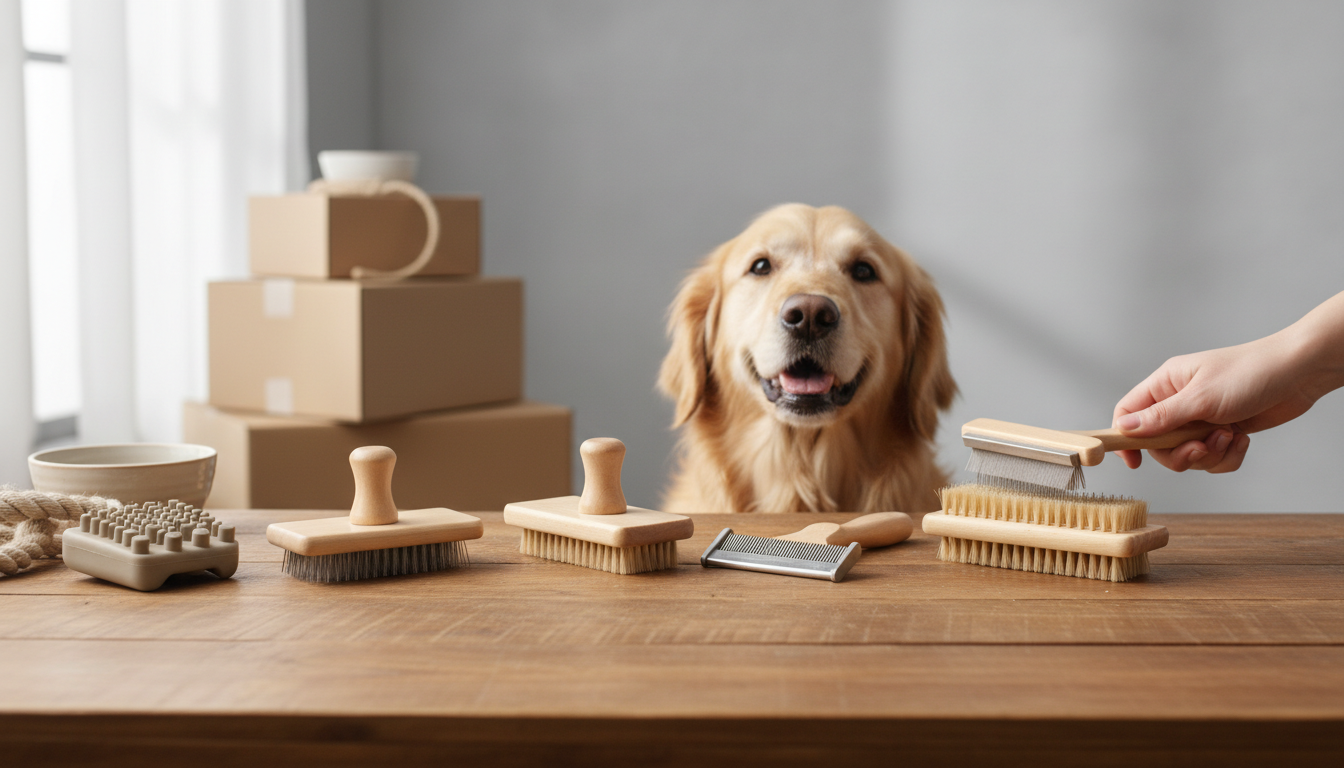
Types of Dog Grooming Brushes: A Comprehensive Guide to Selecting the Right Tool
Beyond the Basics: Why Choosing the Right Dog Brush Matters
Regular grooming extends beyond mere aesthetics; it is a fundamental aspect of a dog's overall health, hygiene, and well-being. Consistent brushing helps to remove loose fur, dirt, and debris, preventing uncomfortable mats and tangles that can lead to skin irritation and infections. This routine also stimulates natural skin oils, promoting a healthy, shiny coat, and provides an opportunity for owners to check for any skin abnormalities, parasites, or injuries. Moreover, grooming sessions can strengthen the bond between a dog and its owner, fostering trust and positive interaction.
However, navigating the vast array of dog grooming brushes available can be overwhelming. With numerous designs, bristle types, and sizes, selecting the most appropriate tool for your pet's unique coat can feel like a complex task. An ill-suited brush can cause discomfort, fail to effectively address specific coat needs, or even damage the fur and skin. Different dog breeds possess distinct coat characteristics, meaning a brush effective for one might be entirely unsuitable for another.
This guide aims to demystify the selection process by detailing various types of dog grooming brushes. We will explore each brush's primary function, identify which coat types it best suits, and offer practical insights into its application. By understanding the specific benefits and limitations of each tool, you can confidently choose the ideal brush—or combination of brushes—to maintain your dog's coat health and enhance their comfort.
Understanding Your Dog's Coat: The Foundation for Brush Selection
Selecting the appropriate grooming brush begins not with the tool itself, but with a thorough understanding of your dog's unique coat. A mismatch between brush and coat type can lead to ineffective grooming, discomfort for your pet, or even damage to their skin and fur. Each coat possesses distinct characteristics that dictate its specific grooming requirements and, consequently, the type of brush best suited to maintain its health and appearance.
Key characteristics that influence brush choice include:
- Coat Length: This is perhaps the most immediate factor. Short coats require less reach, while long coats necessitate tools that can penetrate deeply without pulling or snagging.
- Texture: Coats can range from smooth and fine to coarse, wiry, or silky. The texture determines the rigidity and type of bristles or pins needed to effectively manage tangles and distribute natural oils.
- Density: A single-layer coat has different needs than a dense double coat with a thick undercoat. Brushes must be able to reach through the topcoat to address shedding undercoat or prevent matting close to the skin.
- Shedding Pattern: Dogs shed differently; some continuously, others seasonally in large amounts. The shedding pattern influences the frequency of grooming and the need for tools designed to remove loose hair efficiently.
Considering these attributes, dog coats generally fall into several categories, each benefiting from specific grooming approaches:
- Short/Smooth Coats: (e.g., Beagles, Boxers) These coats typically shed regularly but are less prone to matting. Grooming focuses on removing loose hair, distributing skin oils for shine, and stimulating circulation.
- Long/Silky Coats: (e.g., Afghan Hounds, Yorkshire Terriers) Highly susceptible to tangles and mats, especially behind ears, in armpits, and on legs. Regular, gentle detangling is crucial to prevent discomfort.
- Double Coats: (e.g., German Shepherds, Huskies, Golden Retrievers) Characterized by a coarse outer guard coat and a soft, dense undercoat. These dogs shed heavily, particularly seasonally, and require tools that can effectively penetrate to remove dead undercoat without damaging the top layer.
- Wiry Coats: (e.g., Terriers, Schnauzers) These coats are harsh to the touch and often require specialized stripping or plucking to maintain their texture. If brushed, tools must manage the stiff hair and prevent matting.
- Curly/Wavy Coats: (e.g., Poodles, Bichon Frise) Prone to matting if not groomed frequently. The tight curls can trap loose hair, leading to dense mats close to the skin. These coats require careful detangling and fluffing.
- Thick/Dense Coats: (e.g., Old English Sheepdogs, Samoyeds) Similar to double coats in their volume but can also refer to single coats with significant density. These require robust tools capable of working through a large amount of hair to prevent mats and ensure skin health.
Identifying your dog's specific coat type and understanding its inherent characteristics is the foundational step. This initial assessment guides the selection of tools that will not only be effective but also ensure a comfortable and positive grooming experience for your pet.
The Essential Types of Dog Grooming Brushes Explained
Selecting the correct grooming brush is fundamental to maintaining a dog's coat health and comfort. Each brush type is engineered with specific design features to address particular coat characteristics and grooming challenges. Understanding these distinctions empowers owners to choose tools that are effective without causing discomfort or damage.
Slicker Brushes
Slicker brushes feature a head covered with numerous fine, short wires, typically bent at an angle. These wires are designed to penetrate dense fur to remove loose hair, detangle minor knots, and break up mats from the undercoat and topcoat. They are a versatile tool for general grooming and essential for managing shedding.
- Ideal for: Medium to long-haired breeds, curly coats (e.g., Poodles, Bichon Frises), and double-coated breeds (e.g., Golden Retrievers, Huskies) prone to matting.
- Usage & Considerations: Use with a light hand, brushing away from the skin to avoid scratching or "brush burn." Focus on small sections at a time. Over-brushing or excessive pressure can cause skin irritation.
Pin Brushes
Pin brushes resemble human hairbrushes, featuring widely spaced, straight, or rounded metal pins set into a rubber or plastic base. Their primary function is to gently detangle longer coats, remove loose hair from the topcoat, and smooth the fur, often adding volume and shine. They are less effective for removing significant mats or undercoat.
- Ideal for: Dogs with long, silky, or wiry coats (e.g., Afghan Hounds, Yorkshire Terriers, Collies) to maintain a smooth appearance and prevent tangles.
- Usage & Considerations: Best for daily brushing to prevent mats rather than removing existing ones. The rounded tips are generally gentle on the skin, but ensure the pins are not sharp or damaged. They are not designed for deep undercoat removal.
Bristle Brushes
Bristle brushes are characterized by natural or synthetic bristles, similar to those found on human hairbrushes, varying in stiffness and density. Their main purpose is to smooth the coat, distribute natural skin oils, and remove loose hair and surface debris, leaving the coat shiny and healthy. They do not penetrate dense coats deeply.
- Ideal for: Short, smooth-coated breeds (e.g., Beagles, Boxers, Greyhounds) and some medium-coated breeds to enhance shine and remove surface shedding.
- Usage & Considerations: Use in short, even strokes in the direction of hair growth. Regular use helps to stimulate circulation and maintain coat luster. Not suitable for detangling or removing undercoat.
Rubber/Curry Brushes
These brushes typically have soft rubber or silicone nubs or teeth. They are designed to massage the skin, stimulate circulation, and effectively remove loose hair from short coats, particularly during shedding season. They are also excellent for use during bathing to work shampoo through the coat and remove dead skin.
- Ideal for: Short-haired breeds (e.g., Labradors, Pugs, Dalmatians) and dogs with sensitive skin. Highly effective for removing loose hair and dirt.
- Usage & Considerations: Use in circular motions to loosen dead hair and debris, then in the direction of hair growth to collect it. Their gentle nature makes them suitable for frequent use and during baths.
Undercoat Rakes
Undercoat rakes feature a single or double row of widely spaced, blunt, or slightly curved teeth designed to penetrate the topcoat and reach deep into the undercoat. Their primary role is to effectively remove loose, dead undercoat, which is crucial for double-coated breeds to prevent matting and manage shedding.
- Ideal for: Double-coated breeds with dense undercoats (e.g., German Shepherds, Samoyeds, Bernese Mountain Dogs) during heavy shedding periods.
- Usage & Considerations: Use in the direction of hair growth, starting from the neck and working towards the tail. Apply gentle pressure and avoid pulling. Incorrect use or excessive force can irritate the skin or damage the topcoat.
De-shedding Tools
De-shedding tools typically feature a fine-toothed metal blade or comb designed to reach through the topcoat and extract loose undercoat hair that would otherwise be shed around the home. They are highly effective at reducing shedding by removing significant amounts of dead hair.
- Ideal for: Most shedding breeds, particularly those with dense undercoats, to significantly reduce the amount of loose hair.
- Usage & Considerations: Use sparingly and follow manufacturer guidelines, as overuse can irritate the skin or thin the coat excessively. Work in short, gentle strokes. These tools are not for detangling mats.
Combs
Grooming combs come in various tooth spacings, from wide-toothed to fine-toothed. They are versatile tools used for finishing touches, checking for missed tangles or mats, and grooming delicate areas like the face, ears, and paws. A wide-toothed comb can help with initial detangling, while a fine-toothed comb can check for fleas or remove small debris.
- Ideal for: All coat types, particularly as a finishing tool after brushing, or for precision work in sensitive areas. Essential for detecting hidden mats.
- Usage & Considerations: Always comb gently, especially in sensitive areas. Use a wide-toothed comb first for tangled areas, then progress to finer teeth if needed. If a comb snags, revert to a brush to work out the tangle before attempting to comb again.
Making the Right Choice: Matching Brush to Grooming Goal
Selecting the ideal grooming brush involves more than just identifying your dog's coat type. It requires aligning the tool with specific grooming objectives, considering your dog's individual characteristics, and understanding the practical implications of each brush type. This comprehensive approach ensures effective grooming while prioritizing your pet's comfort and well-being.
Beyond Coat Type: Holistic Brush Selection Factors
While coat length and texture are foundational, several other criteria influence the most appropriate brush choice:
- Dog's Size and Build: Larger dogs often benefit from brushes with wider heads to cover more surface area efficiently, reducing grooming time. Smaller dogs or those with intricate facial hair might require more compact or specialized brushes for precision. The brush handle's ergonomics should also suit your hand size for comfortable, sustained use.
- Temperament and Sensitivity: A dog's patience level and skin sensitivity are crucial. Anxious or highly sensitive dogs may react poorly to brushes with sharp pins or aggressive deshedding capabilities. For these pets, softer brushes, fewer bristles, or tools designed for gentle use can make grooming a more positive experience. Short, frequent sessions with a comfortable brush are often more effective than long, stressful ones.
- Specific Grooming Challenges:
- Mats and Tangles: For minor tangles, a pin brush or a slicker brush used carefully can be effective. Severe matting often requires specialized dematting tools or professional intervention, as improper use can cause pain or skin damage.
- Excessive Shedding: Deshedding tools are designed to reach the undercoat and remove loose hair without cutting the topcoat. Slicker brushes can also assist in removing shed hair, particularly from double-coated breeds.
- Dull Coat or Skin Issues: Bristle brushes can distribute natural oils, enhancing coat shine and stimulating circulation. For dogs with dry skin, this can be particularly beneficial.
Building a Practical Grooming Kit
For most dog owners, a single brush may not suffice for all grooming needs. A versatile kit often includes two to three different brush types to address various tasks:
- Primary Maintenance Brush: A pin brush or a bristle brush (depending on coat type) for daily or weekly general grooming, detangling, and distributing oils.
- Specialized Problem-Solver: A slicker brush for removing mats and tangles, or a deshedding tool for managing seasonal shedding.
- Finishing/Shine Brush: A softer bristle brush to smooth the coat and add shine after initial grooming, especially for short-haired breeds.
Considerations for Sensitive Skin and Puppies
- Sensitive Skin: Dogs prone to skin irritation or allergies require brushes with very soft bristles or rounded pins to avoid scratching. Rubber curry brushes can be a gentle alternative for short coats, offering a massage-like experience while removing loose hair. Always observe your dog for signs of discomfort, such as flinching or pulling away.
- Puppies: Introducing grooming early with a soft, puppy-specific brush helps them acclimate to the process. Use gentle strokes and short sessions, associating grooming with positive reinforcement. Avoid harsh brushes that could damage their delicate skin or make them fearful of future grooming.
Understanding Trade-offs and Limitations
Each brush type has strengths and weaknesses that inform its suitability for a given task:
- Slicker Brushes: Excellent for detangling and removing loose undercoat, but can scratch skin if pressed too hard or used improperly, especially on fine coats.
- Pin Brushes: Good for general detangling and fluffing, but less effective at removing significant amounts of shed undercoat or severe mats.
- Bristle Brushes: Ideal for smoothing, adding shine, and removing surface dirt, but cannot penetrate thick coats or address tangles.
- Deshedding Tools: Highly effective for removing dense undercoat, but overuse or improper technique can damage healthy hair or irritate the skin.
- Rubber Curry Brushes: Great for massaging and removing loose hair from short coats, but generally ineffective on long or thick coats and for detangling.
By weighing these factors and understanding the specific purpose and limitations of each tool, you can confidently assemble a grooming arsenal that meets your dog's unique needs and promotes their health and comfort.
Common Grooming Mistakes and How to Avoid Them
Even with an understanding of various brush types, improper application can undermine grooming efforts and potentially harm your dog. Avoiding common pitfalls is crucial for ensuring a positive experience and maintaining your pet's health. Awareness of these errors and adopting correct practices can prevent discomfort and achieve the desired results.
- Using the Wrong Brush for a Specific Coat: Employing a brush not suited for your dog's coat type is a frequent error. For instance, using a slicker brush on a short, smooth coat can be abrasive and ineffective, while a bristle brush might not penetrate a thick, double coat sufficiently to remove undercoat. This mismatch can lead to skin irritation, ineffective detangling, or leave loose fur unaddressed, potentially contributing to matting.
- Brushing Too Aggressively or Infrequently: Applying excessive pressure during brushing can cause "brush burn," skin irritation, or even pain, particularly with tools like slicker brushes. Conversely, infrequent brushing allows mats and tangles to form, which then require more aggressive and potentially painful removal. Regular, gentle sessions are more effective and less stressful for your dog.
- Neglecting Sensitive Areas or Signs of Discomfort: Areas like the armpits, behind the ears, and the groin are prone to matting but are also highly sensitive. Rushing through these spots or ignoring your dog's yelps, growls, or attempts to pull away can erode trust and make future grooming difficult. Always approach sensitive areas with extra care and pause if your dog shows signs of pain or anxiety.
- Poor Brush Cleaning and Maintenance: A brush clogged with hair, dirt, and dander becomes less effective and can harbor bacteria. Failing to regularly clean your grooming tools can reintroduce debris to a clean coat or, in some cases, contribute to skin issues. Removing hair after each use and washing brushes periodically with mild soap and water helps maintain hygiene and tool longevity.
- Risks of Skin Irritation, Brush Burn, or Coat Damage: Incorrect technique, such as brushing against the grain, pulling too hard on tangles, or using a brush with damaged bristles, can lead to skin abrasions, folliculitis, or breakage of the hair shaft. These issues are not only uncomfortable but can also create entry points for infection or lead to a dull, damaged coat.
By understanding these common mistakes, dog owners can proactively adjust their grooming approach. Prioritizing gentleness, selecting the correct tool for the task, and observing your dog's comfort levels are foundational to a safe and effective grooming routine.
Frequently Asked Questions About Dog Grooming Brushes
After exploring the various types of dog grooming brushes, you may have practical questions about their use and maintenance. Addressing these common queries can help solidify your understanding and ensure a more effective and positive grooming experience for both you and your dog.
How often should I brush my dog?
The ideal brushing frequency largely depends on your dog's coat type, not just their breed. Dogs with long, curly, or double coats typically require more frequent brushing, often daily or every other day, to prevent mats and tangles from forming deep within the undercoat. Short-haired breeds, which are less prone to matting, may only need brushing once or twice a week to remove loose hair, distribute natural oils, and promote skin health. Regular brushing, regardless of coat type, also provides an opportunity to check for skin irritations, parasites, or unusual lumps.
Can I use a human brush on my dog?
It is generally not recommended to use human brushes on dogs. Dog brushes are specifically designed with bristles, pins, or blades that cater to the unique texture, density, and sensitivity of a dog's skin and coat. Human brushes often have sharper bristles, different spacing, or less flexible cushions that can scratch a dog's skin, pull their fur painfully, or be ineffective at penetrating their dense coats. Using a brush tailored for dogs minimizes discomfort and maximizes grooming effectiveness.
How do I clean my dog's grooming brushes?
Regular cleaning extends the life of your grooming tools and maintains hygiene.
- Remove loose hair: After each use, manually pull out as much trapped hair as possible from the bristles or pins. A comb or a specialized brush cleaner can assist with this.
- Wash: Periodically, wash the brush with mild soap (like dish soap) and warm water. For brushes with fabric or wooden handles, avoid prolonged soaking. For metal or plastic brushes, a gentle disinfectant can be used.
- Rinse thoroughly: Ensure all soap residue is rinsed away to prevent skin irritation during future grooming sessions.
- Dry completely: Shake off excess water and allow the brush to air dry completely, ideally bristle-side down, to prevent rust on metal components or mold growth in the cushion or handle.
When should I replace a grooming brush?
Grooming brushes are not designed to last indefinitely and should be replaced when they show signs of wear that could compromise effectiveness or safety.
- Damaged pins or bristles: Bent, broken, or missing pins on pin brushes or slicker brushes can scratch your dog's skin or pull hair painfully.
- Worn bristles: For bristle brushes, if the bristles are flattened, splayed, or no longer firm, they won't effectively remove loose hair or distribute oils.
- Cracked or loose handle: A damaged handle can make the brush difficult to use safely and effectively.
- Rust or excessive grime: If metal parts are rusted or if the brush cannot be thoroughly cleaned, it's time for a replacement to maintain hygiene and prevent skin issues.
What if my dog hates being brushed?
A dog's aversion to brushing can stem from various factors, including previous negative experiences, discomfort, or an unsuitable brush.
- Start slowly and positively: Introduce the brush gradually, allowing your dog to sniff and investigate it. Begin with very short sessions (a few seconds) in a calm environment, rewarding them with treats and praise for tolerance.
- Use the right tool and technique: Ensure you are using a brush appropriate for their coat type and that your technique is gentle. Harsh pulling or using the wrong brush can cause pain. If your dog has mats, address them carefully with a dematting tool or seek professional help, as brushing over them can be very uncomfortable.
- Identify the cause: Check for any skin sensitivities, tangles, or underlying pain that might be making brushing uncomfortable. A vet visit can rule out medical issues.
- Consistency: Regular, positive, and short grooming sessions can help your dog associate brushing with pleasant experiences over time.
A Well-Groomed Dog is a Happy, Healthy Dog
Navigating the diverse landscape of dog grooming brushes can initially seem daunting, but with a clear understanding of your dog's specific coat type and the distinct functions of various tools, you are now equipped to make informed decisions. This knowledge empowers you to move beyond generic brushes, selecting tools that genuinely cater to your pet's needs, whether it's a slicker for dematting, a bristle brush for shine, or a pin brush for detangling. Recognizing the unique requirements of different coats is the cornerstone of effective and comfortable grooming.
With the right tools in hand, the practice of grooming transforms from a chore into a beneficial routine. Consistent and gentle grooming sessions are crucial, not only for maintaining coat health but also for fostering trust and comfort. Approach each session with patience, allowing your dog to become accustomed to the process and the sensation of the brush. Regularity helps prevent mats and excessive shedding, making each subsequent grooming experience more pleasant for both of you.
Ultimately, proper grooming extends far beyond aesthetics; it is a vital component of your dog's overall well-being. A well-maintained coat contributes to better skin health, reduced discomfort, and a happier demeanor. By confidently selecting and utilizing the appropriate grooming brushes, you actively contribute to your dog's physical comfort and strengthen the unique bond you share, ensuring they remain a happy, healthy companion for years to come.
More in Dog Grooming Brushes
View All
Professional Dog Grooming Brushes for Home Use: Elevating Your Pet's Grooming Routine
Compare professional dog grooming brushes with a practical informational SEO brief, decision criteria, FAQs, and publishing checks before you commit.
Choosing the Best Dog Grooming Brushes: A Buyer's Guide for Healthy Coats
Compare best dog grooming brushes with a practical commercial SEO brief, decision criteria, FAQs, and publishing checks before you commit.
Mastering Slicker Brushes for Dog Grooming: Techniques for Detangling and Dematting
Compare slicker brushes for dog grooming with a practical informational SEO brief, decision criteria, FAQs, and publishing checks before you commit.