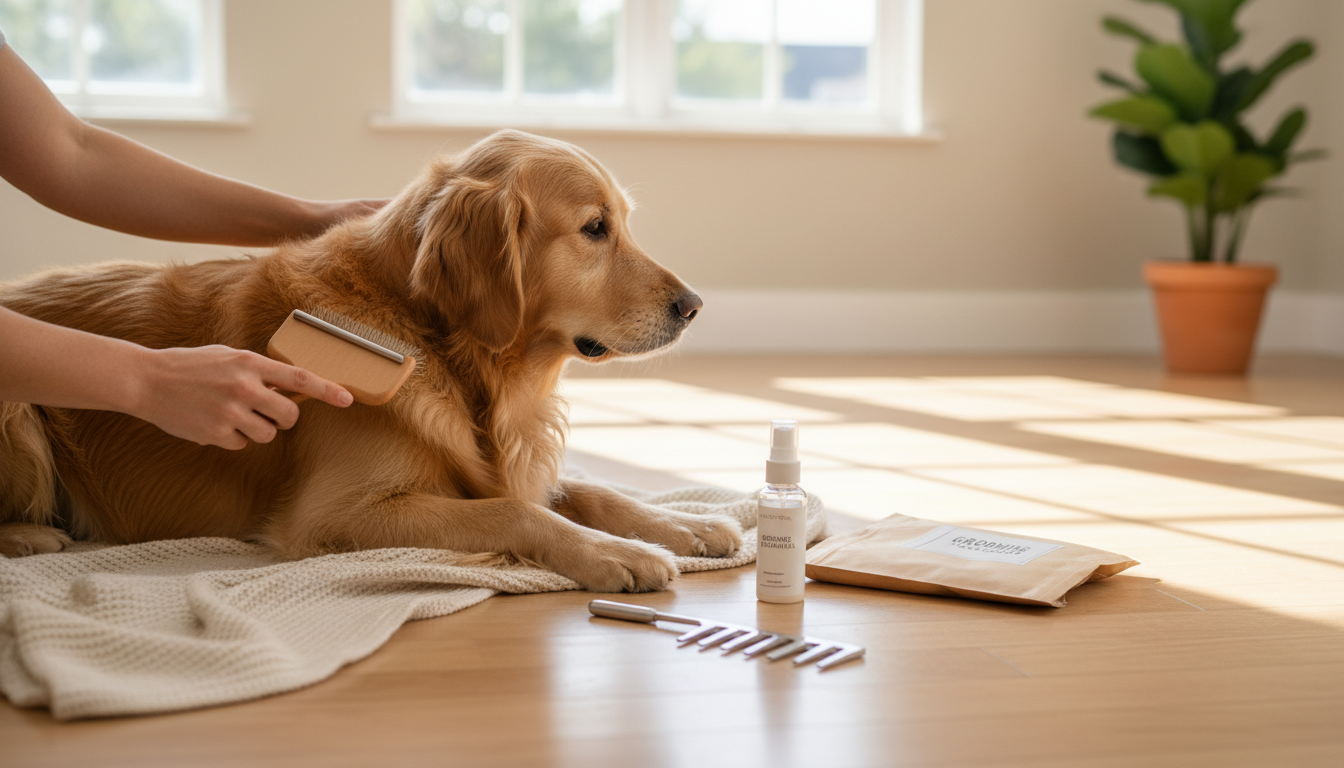
Mastering Slicker Brushes for Dog Grooming: Techniques for Detangling and Dematting
Unlock a Smoother Coat: The Power of Slicker Brushes in Dog Grooming
Regular grooming is fundamental to a dog's well-being, contributing significantly to their health and comfort beyond mere aesthetics. An unkempt coat can quickly lead to painful matting, stubborn tangles, and excessive shedding, creating discomfort for your pet and impacting their skin health. These prevalent issues can restrict movement, cause irritation, and diminish your dog's overall quality of life.
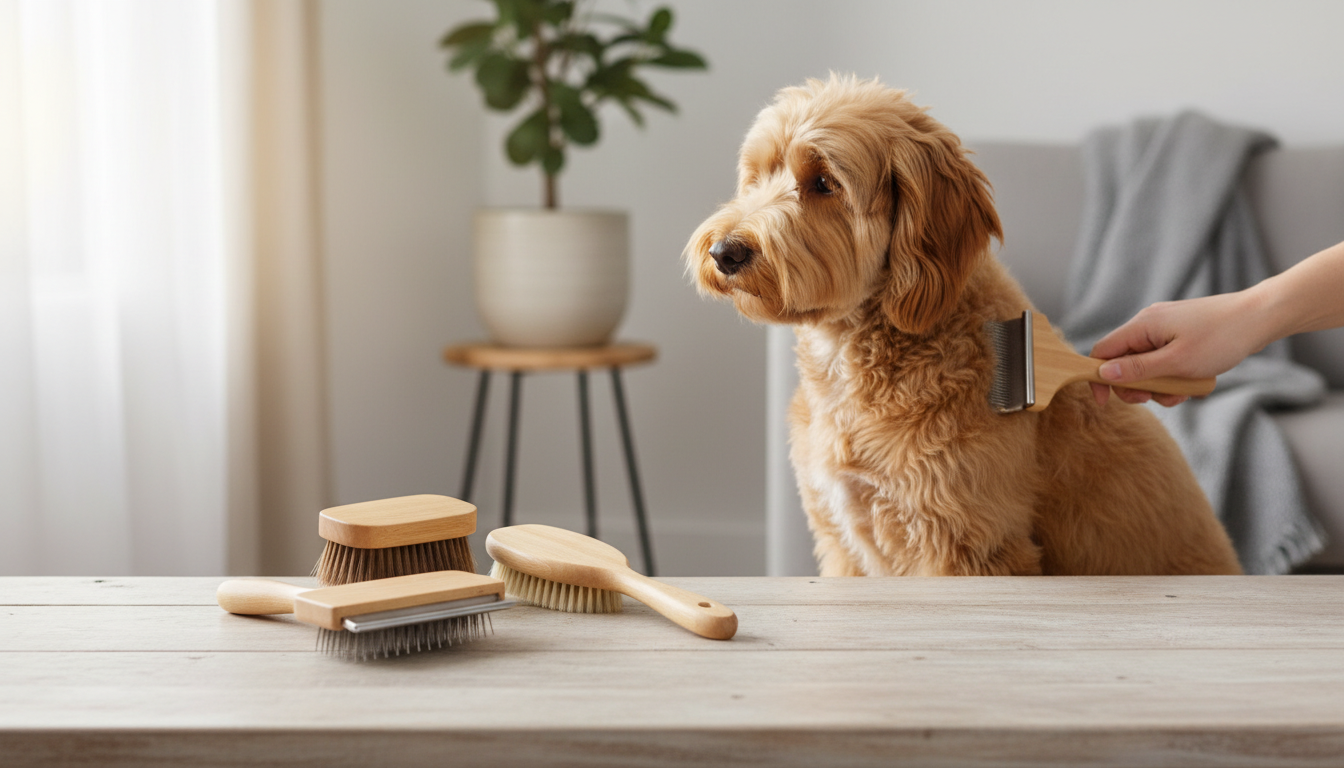
Slicker brushes stand out as a primary solution for addressing these common grooming challenges. Characterized by their fine, angled wire pins, these brushes are specifically engineered to penetrate the coat, effectively removing loose undercoat, gently separating knots, and smoothing the outer layer. When used correctly, they are indispensable for maintaining a healthy, tangle-free coat, particularly for dogs with medium to long, curly, or double coats prone to matting.
This guide is designed to equip you with the confidence to:
- Choose a slicker brush that is appropriate for your dog's unique coat type and size.
- Apply proper techniques for safely detangling and dematting.
- Achieve optimal results while prioritizing your dog's comfort during grooming.
Why Slicker Brushes Stand Out: Solving Common Grooming Problems
Slicker brushes are distinguished by their unique construction, featuring a dense array of fine, bent wire pins anchored to a flat or curved base. These pins are designed with a slight angle, allowing them to gently penetrate the dog's coat to the undercoat without scratching the skin when used correctly. This design enables the brush to effectively grab and pull out loose, dead hair and separate individual strands, making it a specialized tool for managing complex coat issues.
This specific design makes slicker brushes uniquely suited for detangling, dematting, and removing significant amounts of loose undercoat, particularly in dogs with medium to long, curly, or double coats. The bent pins work by gently teasing apart knots and tangles, rather than pulling them, which minimizes discomfort for the dog. For mats, the brush can carefully work through the matted hair, breaking it down into smaller, manageable sections. Furthermore, their ability to reach deep into the undercoat allows for efficient removal of shedding hair, which is crucial for preventing new mats from forming and reducing the amount of loose hair around the home.
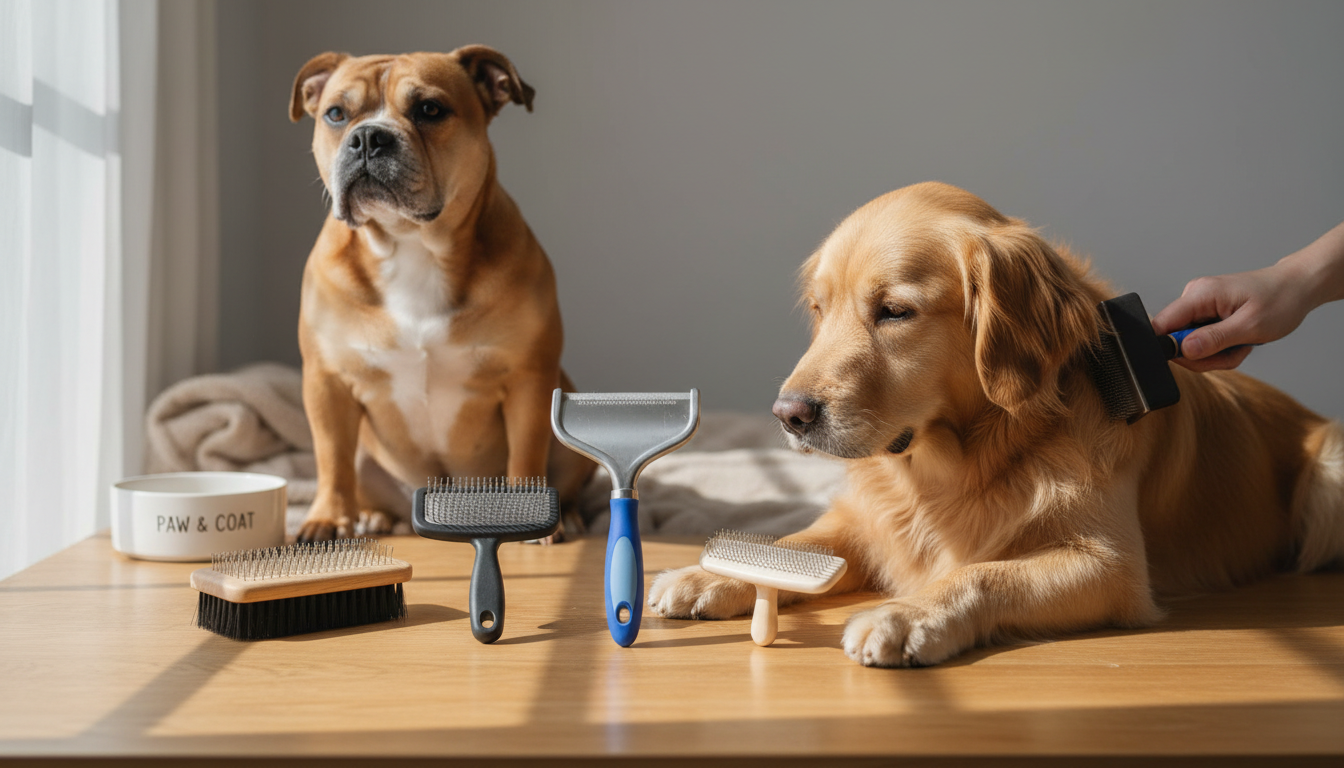
In contrast, other common brush types offer different functionalities. Pin brushes, with their widely spaced, straight pins, are generally effective for surface tangles and stimulating circulation but often glide over dense undercoats or tightly formed mats. Bristle brushes, composed of natural or synthetic bristles, excel at distributing natural oils and polishing the topcoat, making them ideal for short-haired breeds or for finishing a groom, but they lack the penetration needed for detangling or dematting. Slicker brushes bridge this gap, providing a targeted solution for the persistent problems of matting, tangling, and excessive shedding that other brushes cannot address with the same efficacy.
The primary buyer problem that slicker brushes solve better than alternatives is the effective and relatively safe management of a dog's coat when it begins to tangle, mat, or shed heavily. Owners often struggle with general-purpose brushes that fail to penetrate dense coats or remove stubborn knots, leading to frustration, discomfort for their pet, and potentially costly professional grooming. Slicker brushes offer a practical, at-home solution that, with proper technique, can prevent these issues from escalating, maintaining coat health and comfort for dogs prone to these specific grooming challenges.
Choosing Your Ideal Slicker Brush: Key Factors for a Perfect Match
Selecting the appropriate slicker brush is fundamental to achieving effective and safe grooming outcomes for your dog. This choice is not universal; the most suitable brush will align with your dog's specific coat characteristics, physical size, and your primary grooming goals, whether that's general detangling or tackling stubborn mats. Understanding the nuances of slicker brush design empowers you to make an informed decision that benefits both you and your pet.
When evaluating options, consider the following criteria:
-
Brush Size and Dog's Build: The physical dimensions of the brush head should correspond to your dog's size. A smaller brush allows for greater precision and maneuverability around delicate areas on toy breeds or puppies. Conversely, a larger brush head can cover more surface area efficiently on medium to giant breeds, reducing the overall grooming time. An ill-fitting brush size can make grooming awkward or less effective.
-
Pin Type and Flexibility: Slicker brush pins vary in stiffness, length, and density.
- Softer, more flexible pins are generally better suited for dogs with finer coats, sensitive skin, or for general detangling of minor tangles. They are less likely to cause discomfort.
- Stiffer, longer, and sometimes denser pins are designed to penetrate thick, dense, or double coats more effectively. These are often preferred for severe matting or significant deshedding tasks, as they can reach deeper into the undercoat to lift loose hair and work through knots.
-
Ergonomic Handle and Comfort: Grooming sessions, especially for dogs with challenging coats, can be lengthy. A brush with a comfortable, ergonomic handle is crucial for the handler's comfort and control. A well-designed grip reduces hand fatigue and wrist strain, allowing for more consistent and effective brushing without discomfort.
-
Self-Cleaning Features: Some slicker brushes incorporate a self-cleaning mechanism, often a button that retracts the pins, allowing trapped hair to be easily wiped away. While not essential for performance, this feature adds convenience by simplifying brush maintenance and ensuring the pins remain free of debris for optimal function.
-
Material Quality and Durability: The construction materials of the brush, including the handle, base, and pins, directly impact its longevity and performance. High-quality materials resist wear and tear, ensuring the brush maintains its effectiveness over time. Durable pins are less likely to bend or break, providing consistent grooming results.
The most significant factors that should materially alter your shortlist of slicker brushes are your dog's specific coat type and its current condition, followed closely by their physical size. For instance, a dog with a delicate, single coat prone to light tangles will benefit from a slicker with soft, flexible pins and a size appropriate for their build. In contrast, a large dog with a dense, double coat that frequently develops significant mats will require a robust slicker featuring stiffer, longer, and potentially denser pins, along with a larger brush head for efficiency. These core criteria dictate the necessary pin characteristics and brush dimensions for safe and effective grooming.
Mastering Grooming Techniques: Using Your Slicker Brush Effectively
Understanding the proper application of a slicker brush is as crucial as selecting the right one. Effective technique prevents discomfort for your dog, maximizes hair removal, and addresses specific coat challenges like mats and tangles. This section guides you through general brushing practices, specialized detangling methods, and tailored approaches for various coat types.
General Brushing Practices
Consistent and gentle technique forms the foundation of effective slicker brush grooming. Always ensure your dog's coat is dry before brushing, as wet hair can tighten tangles and make mats worse.
- Work in Sections: Divide your dog's coat into manageable sections. Start from the bottom (e.g., legs, belly) and work your way up, or from the back to the front. This ensures no area is overlooked and prevents overwhelming your dog.
- Gentle, Short Strokes: Use light, short, outward strokes, lifting the brush slightly away from the skin at the end of each stroke. This "pat and pull" motion helps to gently lift loose hair and separate strands without dragging or pulling.
- Brush with Hair Growth: Always brush in the direction the hair naturally grows. Brushing against the grain can be uncomfortable and may damage the hair shaft or irritate the skin.
- Reach the Skin: Ensure the tips of the slicker pins are gently reaching the skin. You should feel a slight resistance, but never dig into the skin. If the brush isn't reaching the skin, it's only grooming the top layer, leaving undercoat and tangles untouched.
- Check Your Work: After brushing a section, use a comb to check for any remaining tangles or mats. If the comb glides through easily, the section is thoroughly brushed.
Detangling and Dematting Strategies
Addressing knots and mats requires patience and a careful approach to avoid causing pain or skin irritation.
- Preparation is Key: For significant tangles or smaller mats, a detangling spray or conditioner can help loosen the hair strands, making them easier to separate. Apply the product directly to the mat and allow it to sit for a few minutes.
- Isolate and Secure: Gently isolate the matted section of hair. With one hand, hold the hair at the base, close to your dog's skin. This technique, called "line brushing" or "holding the root," prevents tension and pulling on the skin as you work.
- Work from the Outside In: Do not attempt to pull the slicker brush straight through a mat. Instead, start at the very edge of the mat and use the tips of the slicker brush pins to gently tease apart small sections of the mat. Work slowly, one small piece at a time, gradually moving towards the center of the mat.
- Gentle Patting Motion: Use the "pat and pull" motion described above. Gently pat the slicker brush onto the mat, then lift it slightly away. Repeat this motion, gradually breaking down the mat. If the mat is very tight, a dematting tool may be necessary, but always prioritize your dog's comfort.
- Know When to Stop: If a mat is too large, too tight, or causes your dog significant discomfort, do not force it. Attempting to brush out severe mats can cause pain, skin abrasions, or even hematomas. In such cases, professional grooming may be the safest and most humane option.
Techniques for Specific Coat Types
Different coat types present unique grooming challenges that benefit from tailored slicker brush techniques.
- Long-Haired Breeds (e.g., Poodles, Doodles, Shih Tzus): These coats are highly prone to matting, especially in areas of friction like behind the ears, armpits, and groin.
- Line Brushing: This technique is essential. Part the hair horizontally or vertically, exposing the skin. Brush the bottom layer from the skin outwards, then drop down another section of hair and repeat, working layer by layer. This ensures you reach all the way to the skin.
- Frequency: Daily brushing is often recommended to prevent mats from forming.
- Pin Length: Consider a slicker brush with longer pins to effectively penetrate the depth of these dense coats.
- Double-Coated Breeds (e.g., Huskies, German Shepherds, Golden Retrievers): The primary goal here is to remove loose undercoat, especially during shedding seasons, to prevent matting and improve air circulation.
- Undercoat Removal: Start by brushing against the direction of hair growth to lift the undercoat. Follow up by brushing in the direction of hair growth to smooth the topcoat and remove loosened undercoat.
- Firm, Even Pressure: Apply consistent, firm (but not harsh) pressure to ensure the slicker pins reach through the dense topcoat to the undercoat.
- Seasonal Focus: Increase brushing frequency significantly during seasonal shedding to manage the volume of loose hair.
- Curly/Wavy Coats (e.g., Goldendoodles, Portuguese Water Dogs): These coats tangle easily and require careful handling to maintain their texture and prevent frizz.
- Detangling First: Always ensure the coat is free of tangles before full brushing. A detangling spray is highly beneficial.
- Root to Tip: Work in small sections, always brushing from the ends of the hair towards the roots. This prevents pushing tangles further down the hair shaft.
- Gentle Strokes: Use very gentle, short strokes to avoid damaging the curl pattern or causing breakage. Over-brushing a dry curly coat can lead to frizz, so a light misting with water or detangling spray can help maintain moisture and reduce static.
Important Considerations: Risks, Limitations, and Brush Care
While slicker brushes are invaluable tools for maintaining a healthy coat, understanding their limitations, potential risks, and proper maintenance is crucial for safe and effective grooming. Disregarding these aspects can lead to discomfort for your dog or diminish the brush's longevity.
Preventing Skin Irritation and "Brush Burn"
One of the most significant risks associated with slicker brushes is "brush burn," a form of skin irritation or abrasion caused by excessive pressure or repetitive brushing in one area. The fine, stiff pins, while effective for detangling, can irritate delicate skin if not used correctly.
- Gentle Pressure: Always use a light touch. The goal is for the tips of the pins to lightly graze the coat, not press into the skin.
- "Flick of the Wrist" Technique: Employ short, gentle strokes, lifting the brush off the coat at the end of each stroke rather than dragging it. This ensures only the pin tips engage the hair.
- Brush in Layers: For thicker coats, part the hair and brush in sections, working from the skin outwards.
- Monitor Skin: Regularly check your dog's skin for any redness, tenderness, or signs of irritation during and after grooming.
When a Slicker Brush May Not Be the Right Tool
Slicker brushes excel at managing loose undercoat and minor tangles, but they are not a universal solution. Attempting to use them in inappropriate situations can be ineffective or even harmful.
- Severe Matting: For dense, felted, or skin-tight mats, a slicker brush is insufficient and can cause significant pain, skin tearing, or further damage. These situations often require professional dematting tools, a mat splitter, or even veterinary assistance for shaving to avoid injury. Trying to force a slicker through severe mats is a common failure point.
- Very Short or Smooth Coats: Breeds with extremely short, smooth, or wiry coats typically do not benefit from a slicker brush. These coats do not tangle in the same way, and the brush pins can be abrasive against their skin without sufficient hair to cushion them.
- Sensitive Skin Conditions: Avoid using a slicker brush over any open wounds, hot spots, rashes, or areas of inflammation. Consult a veterinarian before grooming dogs with pre-existing skin conditions.
- Fit Limitations: While effective for many coat types, slicker brushes have a fit limit. They are primarily designed for medium to long, curly, or double coats prone to shedding and tangling.
Maintaining Your Slicker Brush for Longevity and Hygiene
Proper care extends the life of your slicker brush and ensures it remains hygienic and effective.
- Regular Hair Removal: After each grooming session, remove all trapped hair from the pins. A comb or another brush can help pull out stubborn strands.
- Periodic Deep Cleaning: Every few weeks, or as needed, clean the brush thoroughly.
- Remove as much hair as possible.
- Submerge the pin side in warm, soapy water (using a mild pet-safe shampoo or dish soap). Avoid soaking the handle, especially if it's wood.
- Gently scrub between the pins with a small brush (like an old toothbrush) to remove dander, oil, and debris.
- Rinse thoroughly under running water, ensuring no soap residue remains.
- Shake off excess water and allow the brush to air dry completely, pins-down, to prevent rust and mold. Do not store it wet.
Your Slicker Brush Questions Answered: FAQs
Navigating the world of dog grooming tools can raise specific questions about their application and suitability. Here are answers to common inquiries regarding slicker brushes, designed to clarify their role in your dog's grooming routine.
How often should I use a slicker brush on my dog?
The ideal frequency for using a slicker brush depends largely on your dog's coat type and its propensity to mat or shed. Dogs with long, curly, or double coats, such as Poodles, Golden Retrievers, or Sheepdogs, generally benefit from brushing several times a week, or even daily in some cases, to prevent mats and manage shedding. For dogs with less dense coats, 1-2 times a week might suffice. Consistent, regular brushing is more effective than infrequent, long sessions, as it helps prevent tangles from becoming severe mats.
Can a slicker brush be used on puppies?
Yes, a slicker brush can be used on puppies, but with significant caution and a gentle approach. Puppy coats are delicate, and their skin is sensitive. When introducing a slicker brush to a puppy:
- Choose a soft, flexible slicker brush with fine pins that are not overly stiff.
- Use light pressure and short, gentle strokes.
- Keep sessions brief to create a positive experience and acclimate your puppy to grooming.
- Monitor for any signs of discomfort or skin irritation.
The goal is to gently remove loose puppy hair and introduce them to the grooming process, rather than aggressive detangling.
What is the difference between a slicker brush and a pin brush, and when should I use each?
Slicker brushes and pin brushes serve distinct purposes in dog grooming due to their design:
- Slicker Brush: Features a dense array of fine, bent wire pins.
- Purpose: Primarily for detangling, dematting, and removing loose undercoat. It effectively separates individual strands and removes dead hair from medium to long, curly, or double coats.
- When to use: Ideal for dogs prone to matting or heavy shedding, or for working through existing tangles.
- Pin Brush: Has wider-spaced, straight pins, often with rounded tips.
- Purpose: Best for general brushing, fluffing, and stimulating skin circulation. It glides through longer, silky coats without causing static or damaging the hair.
- When to use: Suitable for daily maintenance on long-haired breeds to remove surface debris and smooth the coat, or as a finishing tool after detangling with a slicker brush. It is less effective for deep detangling or undercoat removal.
Is it possible to over-brush my dog with a slicker brush?
Yes, it is possible to over-brush your dog with a slicker brush, especially if excessive pressure or repetitive strokes are applied to the same area. Over-brushing can lead to:
- Skin irritation or "brush burn": Redness, tenderness, or abrasions on the skin caused by friction or too much pressure.
- Coat damage: Breaking or weakening hair strands, leading to a dull or thin coat over time.
- Discomfort: Making your dog averse to future grooming sessions.
To avoid over-brushing, use light, controlled strokes, lift the brush slightly after each stroke, and always check your dog's skin for any signs of irritation. If your dog shows discomfort, pause and reassess your technique.
Making Your Confident Choice for a Happier, Healthier Dog
Empowered with a deeper understanding of slicker brushes, you are now equipped to make informed decisions for your dog's grooming needs. The fundamental takeaway is the importance of aligning the brush's design with your dog's specific coat type and grooming challenges. Whether dealing with a dense double coat prone to shedding or a delicate curly coat susceptible to matting, selecting a slicker brush with appropriate pin density and flexibility is crucial for effective and comfortable grooming.
Beyond coat compatibility, prioritize your comfort and your dog's safety by considering ergonomic design and brush size. A handle that fits comfortably in your hand reduces fatigue during longer grooming sessions, while a brush sized appropriately for your dog—from a compact option for smaller breeds to a larger head for sizable companions—ensures efficient coverage and maneuverability. This thoughtful selection contributes significantly to a positive grooming experience for both of you.
Remember, the effectiveness of any grooming tool lies in its application. Applying the learned techniques for gentle detangling, careful dematting, and thorough loose hair removal will prevent discomfort and protect your dog's skin. Consistent, patient grooming, using the correct tool and method, transforms a potentially stressful task into a bonding opportunity. With this knowledge, confidently select and utilize your slicker brush, fostering a healthier coat and a happier canine companion.
More in Dog Grooming Brushes
View All
Types of Dog Grooming Brushes: A Comprehensive Guide to Selecting the Right Tool
Compare types of dog grooming brushes with a practical informational SEO brief, decision criteria, FAQs, and publishing checks before you commit.
Professional Dog Grooming Brushes for Home Use: Elevating Your Pet's Grooming Routine
Compare professional dog grooming brushes with a practical informational SEO brief, decision criteria, FAQs, and publishing checks before you commit.
Choosing the Best Dog Grooming Brushes: A Buyer's Guide for Healthy Coats
Compare best dog grooming brushes with a practical commercial SEO brief, decision criteria, FAQs, and publishing checks before you commit.