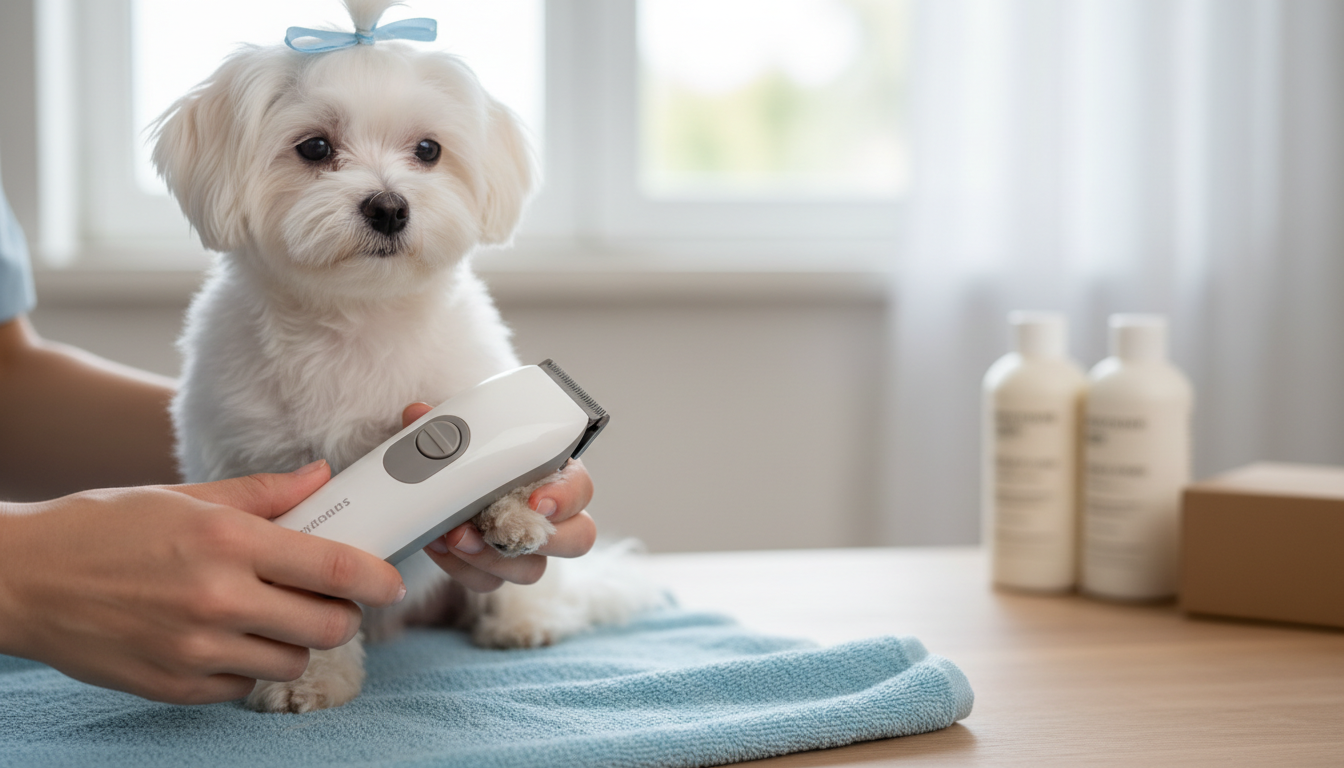
Choosing Dog Grooming Clippers for Small Dogs: Comfort and Precision for Tiny Paws
Finding the Right Clippers for Your Small Dog's Grooming Needs
Grooming a small dog extends beyond aesthetics; it's a vital part of their overall health and comfort. Regular grooming helps prevent matting, skin irritations, and allows for early detection of potential health issues. However, the unique characteristics of small breeds present distinct challenges, requiring a thoughtful approach to tool selection.
Small dogs often have:
- Delicate Skin and Small Body Contours: Their compact size means less surface area, requiring clippers that can navigate tight spaces safely and precisely, particularly around sensitive areas like paws, face, and sanitary regions.
- Varying Temperaments: Some small dogs can be more prone to anxiety or nervousness during grooming, making low-noise and low-vibration clippers crucial for a stress-free experience.
- Diverse Coat Types: From fine, silky hair to dense, curly, or even double coats, small breeds exhibit a wide range of fur textures, each demanding specific blade types and motor power to prevent pulling or uneven cuts.
Selecting the appropriate grooming clippers is paramount to ensuring a comfortable, safe, and effective grooming session for your tiny companion. This article will guide you through the essential considerations, enabling you to make an informed decision and choose clippers that meet your small dog's specific needs.
Why Small Dogs Demand Specialized Grooming Clippers
Grooming small dogs presents unique considerations that often render generic, one-size-fits-all clippers inadequate. Unlike larger breeds, the compact anatomy and often more sensitive dispositions of small dogs require tools engineered for precision, quiet operation, and delicate handling. Relying on clippers not designed for these specific needs can lead to discomfort, anxiety, and less-than-optimal grooming results.
Specialized clippers address several critical challenges:
- Delicate Skin and Intricate Body Contours: Small dogs possess delicate skin and numerous tight, intricate areas—such as around the eyes, ears, paw pads, and sanitary regions. Generic clippers, often bulkier and with wider blades, can be difficult to maneuver safely in these small spaces, increasing the risk of nicks, cuts, or uneven trims. Specialized clippers typically feature smaller, narrower blades and a more ergonomic design, allowing for greater control and precision.
- Sensitivity to Noise and Vibration: Many small breeds are prone to anxiety or fear, especially during grooming. The loud motors and pronounced vibrations of some standard clippers can exacerbate stress, making the grooming experience unpleasant for the dog and challenging for the owner. Clippers designed for small dogs often prioritize quiet motors and reduced vibration, contributing to a calmer, more cooperative pet.
- Precision for Detail Work: Effective grooming for small dogs frequently involves detailed trimming to maintain breed-specific styles or simply to keep fur out of eyes and off paw pads. This requires clippers capable of fine, accurate cuts without pulling or snagging. Specialized models often come with finer-toothed blades or are compatible with a wider range of blade types suited for delicate areas.
- Diverse Coat Types: Small breeds exhibit a broad spectrum of coat textures, from the fine, silky hair of a Yorkshire Terrier to the dense, double coat of a Pomeranian, or the wiry fur of a Terrier mix. Each coat type requires a specific approach to prevent damage, ensure a smooth cut, and avoid skin irritation. Specialized clippers offer the necessary motor power and blade versatility to effectively manage these varying textures without causing discomfort or leaving an uneven finish.
By understanding these distinctions, pet owners can recognize that investing in clippers tailored for small dogs is not merely a luxury but a practical necessity for ensuring safe, comfortable, and effective home grooming.
Essential Features: What to Look for in Small Dog Clippers
Selecting clippers for a small dog involves more than just finding a compact size; it requires evaluating specific features that contribute to comfort, safety, and precision. Understanding these attributes helps ensure a positive grooming experience for both you and your pet.
-
Motor Type and Power Rotary motors are often preferred for their consistent power delivery, which is crucial for cutting through various coat types without snagging or pulling. While small dogs can have fine hair, some breeds possess dense or double coats that require sufficient power to ensure a smooth, efficient trim. A motor that maintains consistent speed, even under load, reduces the likelihood of discomfort for your dog.
-
Noise and Vibration Levels Small dogs can be particularly sensitive to loud noises and strong vibrations, which can increase anxiety during grooming. Prioritize clippers designed for quiet operation and minimal vibration. Lower noise levels can help keep your dog calmer and more cooperative, making the grooming process less stressful for everyone involved.
-
Corded vs. Cordless Design The choice between corded and cordless impacts maneuverability and power consistency.
- Cordless Clippers: Offer superior freedom of movement, allowing you to easily navigate around a small dog's body without the hindrance of a cord. This is especially beneficial for reaching awkward angles or when grooming an active dog. However, battery life and potential power fluctuations as the battery drains are considerations.
- Corded Clippers: Provide consistent, uninterrupted power, which can be advantageous for longer grooming sessions or thicker coats. Their main drawback is the limited range of motion imposed by the power cord.
-
Blade Quality and Adjustability Sharp, durable, and rust-resistant blades are fundamental for a clean, safe cut. High-quality blades reduce friction, preventing skin irritation and ensuring longevity. Clippers with adjustable blades, such as 5-in-1 designs, offer versatility by allowing you to change cutting lengths without switching out entire blades. This is particularly useful for small dogs, enabling precise trimming on different body parts and delicate areas like paws and faces. Removable blades also simplify cleaning and maintenance.
-
Ergonomics and Size A lightweight design and a comfortable, non-slip grip are essential for maintaining control during detailed work on a small dog. Clippers designed with ergonomics in mind reduce hand fatigue, allowing for longer, more precise grooming sessions. The overall size of the clipper should also be proportionate to the task, making it easy to maneuver in tight spaces.
-
Weight and Balance The weight and balance of the clippers directly influence user fatigue and precision. A well-balanced clipper feels natural in hand, allowing for steady movements and greater control, which is critical when working on small, often squirming, pets. An overly heavy or unbalanced tool can lead to shaky hands and a less accurate trim.
-
Heat Management Blades can generate heat during extended use, which can be uncomfortable or even burn a dog's delicate skin. Look for clippers with features or designs that help dissipate heat, such as ventilated housings or blades made from materials known for cooler operation. Regularly checking blade temperature and having a cooling spray or a second set of blades can also help manage heat build-up.
Navigating the Trade-offs: Power, Precision, and Price
Choosing grooming clippers for small dogs often involves balancing several factors, where optimizing one aspect may mean compromising another. Understanding these inherent trade-offs is crucial for pet owners to select tools that align with their specific grooming needs and their dog's temperament.
-
Power Versus Noise More powerful clipper motors generally offer superior cutting efficiency, especially for denser or matted fur. However, this power often correlates with increased noise and vibration. For small dogs, many of whom are prone to anxiety during grooming, a loud clipper can be a significant source of stress. The trade-off here is between raw cutting ability and your dog's comfort. Prioritizing quieter operation, even if it means a slightly less powerful motor, can lead to a more positive and less traumatic grooming experience for sensitive small breeds.
-
Battery Life Versus Corded Reliability Cordless clippers offer unparalleled freedom of movement, allowing groomers to maneuver easily around a small dog's intricate contours without wrestling a power cord. This can be particularly beneficial for reaching delicate areas like paw pads or under the tail. The compromise, however, lies in battery life and potential power fade. As the battery drains, the motor speed can decrease, leading to hair pulling or an incomplete groom. Corded clippers, conversely, provide consistent, uninterrupted power, ensuring steady performance throughout the grooming session. The drawback is the limited mobility and the need to manage the cord, which can be cumbersome in tight spaces.
-
Versatility Versus Specialization Some clippers are marketed as all-in-one solutions, designed to handle various grooming tasks. While seemingly convenient, these general-purpose tools may not offer the optimal precision required for a small dog's tiny features. A dedicated detail trimmer, often smaller with a narrower blade, excels at intricate work around the face, ears, and paws. The trade-off is between the convenience of a single tool and the enhanced safety and precision offered by specialized equipment for specific areas. For small dogs, having a specialized tool for delicate finishing touches can significantly improve results and reduce risk.
-
Durability Versus Cost The initial investment in grooming clippers often reflects their build quality and expected lifespan. Less expensive clippers may offer a lower upfront cost but can be prone to faster wear and tear, dulling blades, or motor failure. This can lead to frequent replacements or, more critically, a frustrating grooming experience characterized by hair pulling and uneven cuts. Investing in durable, higher-quality clippers typically translates to better performance, greater longevity, and a smoother, more comfortable experience for both the groomer and the dog. The long-term value often outweighs the initial savings.
-
Managing Blade Heating A common issue with any clipper, regardless of price or power, is blade heating. Friction generated during operation causes blades to warm up, which can become uncomfortable or even burn a small dog's delicate skin. This is not a trade-off but a risk point to manage. Strategies to mitigate blade heating include using cooling sprays specifically designed for clippers, taking frequent breaks to allow blades to cool, or having multiple sets of blades to swap out during longer grooming sessions. Monitoring blade temperature by touching it to the back of your hand is a practical habit to ensure your dog's safety.
Maximizing Your Small Dog's Grooming Comfort and Safety
Ensuring a positive grooming experience for your small dog involves more than just selecting the right clippers; it requires a thoughtful approach to preparation, technique, and ongoing tool maintenance. Prioritizing your dog's comfort and safety throughout the process builds trust and makes future grooming sessions less stressful for both of you.
Begin each grooming session with essential preparatory steps:
- Bathe and Dry Thoroughly: A clean coat is easier to cut and extends blade sharpness. Ensure your dog is completely dry before clipping, as wet hair can clog blades and lead to an uneven cut.
- Brush Out Mats: Never attempt to clip through mats. Use a slicker brush and dematting comb to carefully remove all tangles and mats before turning on the clippers. Clipping matted fur is painful, can pull skin, and can damage your clipper blades.
When navigating your small dog's delicate areas, precision and care are paramount. For areas like paws, face, ears, and sanitary regions, consider using smaller, detail clippers or the very edge of a full-size clipper blade. Always stretch the skin taut to create a flat surface, which helps prevent accidental nicks. Work slowly and deliberately, paying close attention to your dog's reactions. Avoid rushing, especially around sensitive spots, and use a light touch.
Maintaining your clippers is crucial for their longevity and your dog's comfort. After each use, clean the blades thoroughly to remove all hair and debris. Regularly oiling the blades reduces friction and heat build-up, preventing uncomfortable hot spots on your dog's skin and ensuring smooth, efficient cutting. Store clippers and blades in a clean, dry place to prevent rust and damage.
To minimize anxiety during grooming:
- Positive Reinforcement: Offer treats and praise frequently, especially during initial sessions or when introducing new sounds or sensations.
- Short Sessions: Break down grooming into manageable, brief sessions to prevent your dog from becoming overwhelmed.
- Quiet Environment: Choose a calm, quiet space free from distractions to help your dog relax.
- Gradual Introduction: Allow your dog to sniff and investigate the clippers while they are off, then turn them on briefly nearby to acclimate them to the sound and vibration.
Understanding blade lengths and comb attachments allows for versatile and safe grooming. Guard combs attach to the blade, leaving hair longer and providing an extra layer of protection against accidental nicks. Different numbered blades cut to specific lengths, with higher numbers typically indicating a shorter cut. For small dogs, using longer comb attachments on the body can achieve a soft, natural look, while shorter blades or trimmers are often necessary for intricate work around the face, paws, and sanitary areas. Always start with a longer setting than you think you need, as you can always go shorter.
Common Questions About Small Dog Grooming Clippers
Navigating the world of grooming tools can bring up several questions, especially when prioritizing the comfort and safety of a small dog. Understanding the nuances of clippers, maintenance, and best practices is key to a successful home grooming routine.
What's the difference between a clipper and a trimmer for small dogs?
For small dogs, the distinction between clippers and trimmers is particularly important for achieving precision and comfort in delicate areas.
- Clippers are typically larger, more powerful tools designed for general body grooming. They handle larger sections of fur and are suitable for overall coat length reduction.
- Trimmers, often referred to as detail trimmers, are smaller, lighter, and usually quieter. They feature narrower blades, making them ideal for intricate work around sensitive zones like paw pads, eyes, ears, and sanitary areas. For small dogs, a trimmer is often an essential companion to a full-sized clipper, allowing for safe and precise finishing touches.
How often should I groom my small dog?
The frequency of grooming depends heavily on your small dog's coat type, lifestyle, and individual needs.
- Short-haired breeds may only require full clipping every few months, with regular brushing and occasional baths.
- Long-haired or curly-coated breeds often benefit from full grooming every 4-8 weeks to prevent matting and maintain hygiene.
- Regardless of coat type, regular checks and trims of sensitive areas (paws, face, sanitary) might be needed more frequently, sometimes every 2-3 weeks, to ensure comfort and cleanliness. Consistent brushing between grooming sessions is crucial for all coat types.
Can I use human clippers on my small dog?
No, human clippers should not be used on small dogs. There are several critical differences that make them unsuitable and potentially harmful:
- Blade Design: Human clipper blades are designed for human hair, which is finer and less dense than most dog fur. They can easily pull, snag, or tear a dog's coat, causing pain and discomfort. The sharper, finer teeth can also nick delicate dog skin more easily.
- Motor Power: Dog clippers have motors specifically engineered to handle the varying density and texture of canine coats without bogging down or overheating. Human clippers often lack this power, leading to inefficient cutting, pulling, and rapid overheating.
- Noise and Vibration: Human clippers tend to be louder and vibrate more intensely than dog-specific models. This increased noise and vibration can be highly distressing for small dogs, potentially leading to anxiety and a negative association with grooming.
- Heat Generation: When struggling with dog fur, human clippers can generate excessive heat quickly, posing a burn risk to your dog's sensitive skin.
How do I choose the right blade size for my small dog's coat and desired length?
Choosing the correct blade or guard comb is vital for achieving the desired length and ensuring a smooth, safe cut.
- Blade Numbering: Clipper blades are typically numbered. A higher number indicates a shorter cut (e.g., a #10 blade cuts shorter than a #7F blade). Common lengths for small dogs often range from #7F (leaving about 1/8 inch of hair) to #10 (leaving about 1/16 inch).
- Guard Combs: These plastic or metal attachments fit over a standard blade (like a #10 or #30) to leave longer lengths. They are excellent for achieving a uniform, longer coat without risking a too-short cut.
- Coat Type: For very dense or matted coats, a #10 blade might be necessary to get under the fur safely before using guard combs for length. For general body work on a well-maintained coat, guard combs offer versatility.
- Desired Length: Match the blade number or guard comb length to the final coat length you want to achieve. Always start with a longer guard comb if unsure, as you can always go shorter.
What maintenance do dog clippers require to stay sharp and functional?
Proper maintenance is crucial for extending the life of your clippers and ensuring they perform effectively and safely for your small dog.
- Cleaning After Each Use: Use a small brush (often included with clippers) to remove all hair from the blades and clipper housing. An air compressor can also be effective for thorough cleaning.
- Oiling Blades: Apply a few drops of clipper oil to the blade teeth and friction points before, during (if grooming for an extended period), and after each use. This lubricates the blades, reduces friction and heat, and prevents rust.
- Disinfecting Blades: After cleaning and oiling, use a blade wash or disinfectant spray to sanitize the blades, especially if multiple dogs are groomed or if there's any skin irritation.
- Proper Storage: Store clippers and blades in a clean, dry place, ideally in their original case or a protective pouch, to prevent damage and corrosion.
- Sharpening and Replacement: Blades will dull over time, even with proper oiling. Dull blades pull hair and can cause discomfort. Have them professionally sharpened or replace them when they no longer cut smoothly.
Making the Best Choice for Your Small Dog's Grooming Journey
Selecting the right grooming clippers for your small dog is a personalized decision, not a one-size-fits-all solution. Having explored the nuances of precision, comfort, and safety required for delicate areas, the final step involves synthesizing this information with your specific circumstances. Your goal is to choose a tool that not only performs effectively but also fosters a positive grooming experience for your canine companion.
As you finalize your selection, reflect on the unique profile of your small dog. Consider their precise size and the intricate contours of their body, which dictate the maneuverability needed from your clippers. Their specific coat type—be it fine, wiry, curly, or a dense double coat—will influence the required motor power and blade configuration to prevent pulling or irritation. Crucially, factor in your dog's temperament; a nervous or sensitive dog will benefit significantly from clippers designed for quiet operation and minimal vibration. Lastly, your anticipated grooming frequency and the types of trims you plan to perform should guide your investment in durability and specialized features.
Weigh the discussed features—such as motor type, blade material, corded versus cordless operation, and ergonomic design—against the potential trade-offs. For instance, a powerful motor might be essential for a dense coat but could come with increased noise. Cordless convenience offers freedom of movement but requires battery management. Your personal priorities, whether it's maximum quietness, absolute precision for intricate work, or overall ease of handling, should steer your final choice. An informed decision balances these technical specifications with the practical realities of your grooming routine and your dog's individual needs.
Ultimately, the best clippers are those that empower you to groom your small dog safely, comfortably, and effectively. Prioritizing their well-being throughout the grooming process ensures not only a tidy appearance but also a less stressful and more bonding experience for both of you.
More in Dog Grooming Clippers
View All
Preparing Your Dog for Grooming with Clippers: A How-To Guide for Stress-Free Sessions
Compare how to dog grooming with clippers with a practical informational SEO brief, decision criteria, FAQs, and publishing checks before you commit.
Troubleshooting Common Issues When Grooming Your Dog with Clippers
Compare grooming a dog with clippers with a practical informational SEO brief, decision criteria, FAQs, and publishing checks before you commit.
Country Clippers for Dog Grooming: Built for Durability and Demanding Use
Compare country clippers dog grooming with a practical informational SEO brief, decision criteria, FAQs, and publishing checks before you commit.