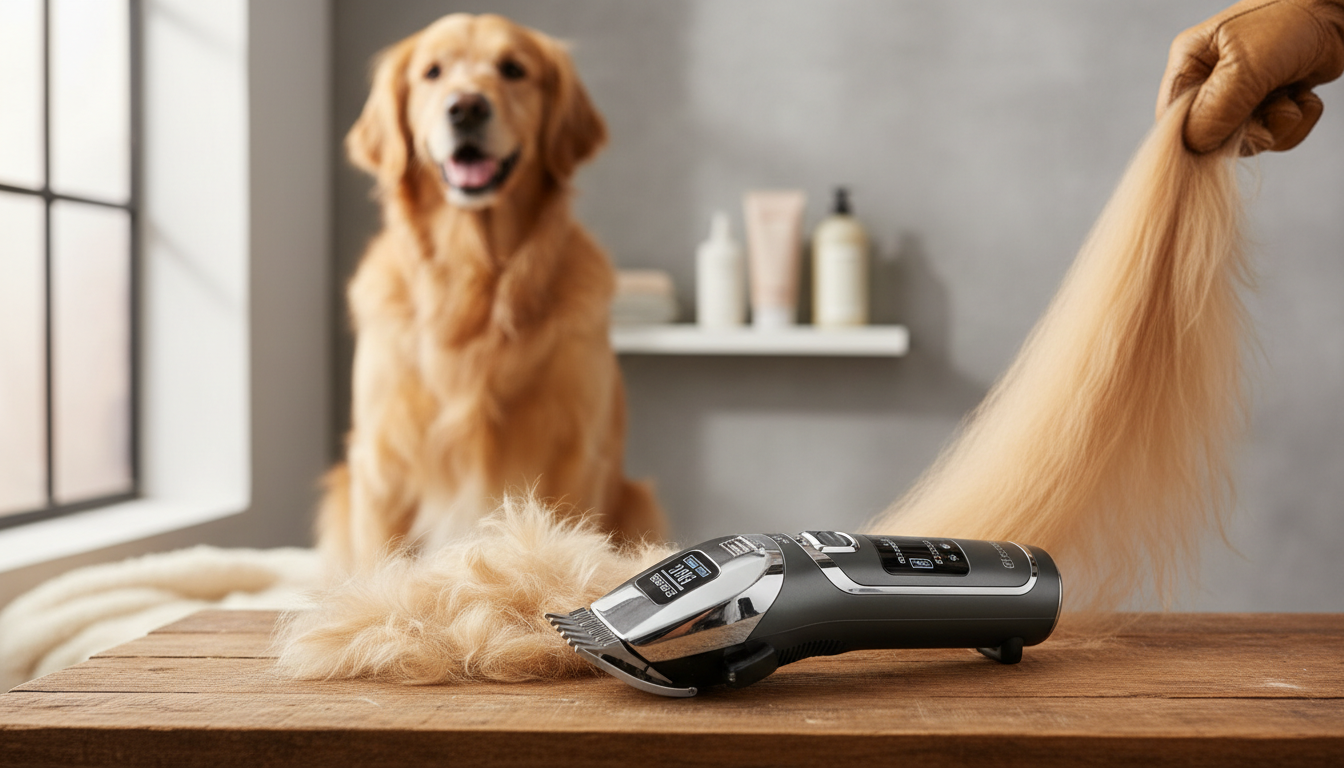
Choosing Dog Grooming Clippers for Thick Coats: Power and Performance for Dense Fur
Navigating the Challenges of Grooming Dogs with Thick Coats
Grooming a dog with a thick, dense, or double coat presents unique challenges that can quickly overwhelm standard clippers. These demanding coat types are prone to tangles and mats, requiring tools specifically engineered for power and endurance. Without the right equipment, dog owners often encounter common frustrations:
- Snagging and Pulling: Underpowered motors or inappropriate blades can catch and pull the fur, causing discomfort for the dog and an uneven cut.
- Overheating Blades: Dense coats generate more friction, leading to blades heating up rapidly. This not only risks burning the dog's skin but also reduces clipper efficiency and blade lifespan.
- Ineffective Cutting: Standard clippers may struggle to penetrate thick fur, resulting in a tedious, time-consuming grooming process that yields unsatisfactory results.
This article is designed to guide dog owners through the specific features, maintenance considerations, and usage techniques necessary to confidently select and utilize grooming clippers that effectively handle the unique demands of thick dog coats. Understanding these factors is key to achieving a smooth, efficient grooming experience while preventing common issues.
Why Thick Coats Demand Specialized Clippers
Grooming dogs with dense, thick, or double coats presents a distinct set of challenges that standard clippers are often ill-equipped to handle. These coat types, characterized by their volume, texture, and often a soft, insulating undercoat, create significant resistance for grooming tools. Unlike fine or short coats that offer less friction, thick fur requires a different approach to ensure an effective, comfortable, and safe grooming experience.
The unique characteristics of these coats directly impact clipper performance:
- Increased Density and Resistance: Thick coats mean a higher concentration of hair per square inch. This density requires a motor with sufficient power and torque to push through the fur consistently without snagging or slowing down. Standard clippers often bog down, leading to an uneven cut and discomfort for the dog.
- Varied Texture and Matting Potential: Many thick-coated breeds possess a mix of hair textures, from coarse guard hairs to soft, woolly undercoats. This combination, especially in non-shedding or low-shedding breeds, is highly prone to matting and knotting. Inadequate clippers struggle to penetrate these tangled areas, often pulling the hair rather than cutting it cleanly.
- Accelerated Heat Buildup: The sheer volume and friction generated by cutting through dense fur cause clipper blades to heat up much faster than with thinner coats. Blades that become too hot risk burning the dog's skin, necessitating frequent cooling breaks or specialized blades designed to dissipate heat more efficiently.
Attempting to groom a thick-coated dog with clippers not designed for the task frequently results in frustration for the owner and stress for the dog. Common issues include uneven cuts, visible clipper lines, hair pulling, and the constant need to stop due to overheating blades or stalled motors. Therefore, selecting clippers engineered with robust construction, powerful motors, and appropriate blade systems is not merely a convenience but a necessity for successful and humane grooming of dense canine coats.
Essential Clipper Features for Dense and Double Coats
Successfully grooming dogs with dense, thick, or double coats hinges on selecting clippers equipped with specific features designed to handle such demanding fur. Standard clippers often fall short, leading to frustration, discomfort for the dog, and inefficient grooming. Understanding the critical components ensures you invest in a tool capable of performing consistently.
-
Motor Power and Type
- Rotary Motors: These are the standard for modern pet clippers, offering consistent power and torque necessary to cut through dense fur without bogging down. Unlike magnetic or pivot motors, rotary motors maintain speed even under heavy load.
- SPM/DBS (Strokes/Double Strokes Per Minute): This metric indicates how many times the blade moves back and forth per minute. For thick coats, a higher SPM (typically 3,000+ SPM) signifies greater cutting efficiency, reducing the likelihood of snagging and pulling. Clippers with robust motors are essential for sustained performance through high-resistance coats.
-
Speed Settings
- Multiple Speeds: Clippers offering variable speed settings provide versatility. Lower speeds are beneficial for sensitive areas, detailed work, or dogs new to grooming, as they produce less heat and noise. Higher speeds are crucial for tackling the bulk of a thick, matted, or double coat, allowing for faster and more efficient removal of dense fur. This adaptability helps manage blade heat and noise levels throughout the grooming process.
-
Blade Types
- Detachable Blades: A system that allows for easy blade changes is vital for thick coats. This enables you to swap between different blade sizes for various coat lengths and types, and quickly replace a hot blade with a cool one to prevent skin irritation.
- Material (Steel vs. Ceramic): Steel blades are durable and sharp, but can heat up quickly with prolonged use on dense coats. Ceramic blades tend to stay cooler for longer, reducing the risk of burns, though they can be more fragile. Many high-performance blades combine these materials for optimal cutting and heat management.
- Coarse Tooth Blades: Specifically designed for thick, dense, or matted fur, coarse-tooth blades have wider spaces between teeth. This design allows them to glide through heavy coats more effectively, preventing clogging and ensuring a smoother cut compared to fine-tooth blades, which can struggle and pull.
-
Corded vs. Cordless Operation
- Corded Clippers: Offer consistent, uninterrupted power, which is often preferred for grooming large dogs or those with extremely thick coats that require extended clipping sessions. There are no concerns about battery depletion during a long groom.
- Cordless Clippers: Provide greater flexibility and maneuverability, making it easier to reach awkward angles without a cord obstruction. However, for thick coats, prioritize models with long battery run times and quick charging capabilities to ensure the clipper doesn't lose power mid-groom. The sustained power output of cordless models is critical for dense fur.
-
Ergonomics and Durability
- Ergonomics: Grooming a thick-coated dog can be time-consuming. Clippers with an ergonomic design, comfortable grip, and balanced weight reduce hand fatigue, allowing for longer, more precise grooming sessions.
- Durability: The demanding nature of cutting through dense fur requires a robustly constructed clipper. Look for models built with quality materials that can withstand regular, heavy-duty use without compromising performance.
-
Noise and Vibration
- Reduced Noise and Vibration: Excessive noise and vibration can cause stress and anxiety for dogs, especially during lengthy grooming sessions required for thick coats. Clippers engineered for quieter operation and minimal vibration contribute to a calmer experience for the dog and less hand fatigue for the groomer, making the process more manageable for both.
Managing Common Grooming Hurdles with Thick Coats
Grooming dogs with dense, thick, or double coats often presents specific challenges that can hinder the process and potentially cause discomfort for the dog. Recognizing and proactively addressing these common hurdles is crucial for a smooth, effective, and safe grooming experience.
-
Blade Overheating
- Causes: Blades can heat up rapidly when grooming thick coats due to increased friction. This is exacerbated by a dirty or oily coat, insufficient blade lubrication (dry blades), or prolonged use of a single blade without breaks. An overheated blade can cause skin irritation or even burns.
- Mitigation: To prevent excessive heat, ensure the dog's coat is clean and dry before grooming. Regularly apply a clipper blade coolant spray during the grooming session. Having multiple blades available allows you to swap out a warm blade for a cool one, giving the first blade time to cool down naturally. Take frequent short breaks to check blade temperature against your skin (not the dog's) and allow both the clipper and dog to rest.
-
Clipper Jamming and Snagging
- Prevention: Thick coats, especially if matted or tangled, can cause clippers to jam or snag, pulling the dog's fur uncomfortably. Thorough pre-grooming preparation is paramount. This includes bathing, drying, and meticulously brushing out all mats and tangles before the clippers touch the coat. Using the correct blade type and size for the coat's density, along with maintaining a consistent, steady stroke against the direction of hair growth (or with, depending on desired length), helps the blades glide through efficiently. Avoid forcing the clipper through resistant areas.
-
Skin Irritation and Clipper Burn
- Risks: Beyond direct heat from the blade, improper technique can lead to skin irritation. Dull blades can pull hair rather than cut it, causing discomfort. Applying too much pressure, especially over bony areas or thin skin, can also result in irritation or "clipper burn," which manifests as redness or rash.
- Avoidance: Always ensure blades are sharp and well-maintained. Use a light, even pressure and stretch the skin taut in areas to create a flat surface for the blade, reducing the risk of nicks or uneven cuts. Pay close attention to the dog's reactions, stopping immediately if they show signs of discomfort.
-
Importance of Proper Blade Maintenance
- Impact: Consistent blade maintenance directly influences clipper performance and longevity. After each use, blades should be cleaned of all hair and debris, then oiled to reduce friction and prevent rust. Dull blades not only perform poorly but also generate more heat and pull hair, increasing discomfort. Regular sharpening by a professional service is essential to maintain the cutting edge, ensuring clean cuts and extending the life of your blades.
Optimizing Your Grooming Routine for Thick-Coated Dogs
Grooming a dog with a thick, dense, or double coat requires a systematic approach to ensure efficiency, comfort for your dog, and the longevity of your equipment. Effective preparation and mindful technique are crucial for navigating the challenges presented by these demanding coat types.
-
Thorough Pre-Grooming Preparation Before any clipping begins, the coat must be in optimal condition. This is especially critical for thick fur, where dirt, debris, and tangles can quickly dull blades and impede clipper performance.
- Bathing: A clean coat is paramount. Bathe your dog thoroughly with a suitable shampoo to remove dirt, oils, and loose hair. A clean coat allows clipper blades to glide more smoothly and cut more effectively.
- Drying: Ensure the coat is completely dry. For thick coats, a high-velocity dryer is often necessary to penetrate the dense fur and remove all moisture. Clipping a damp coat can lead to uneven results, strain the clippers, and dull blades rapidly.
- Detangling: This step cannot be overstated for thick coats. Use a slicker brush and a sturdy metal comb to meticulously work through the entire coat, removing all knots and tangles. Clippers cannot cut through mats; attempting to do so will snag, pull, and cause significant discomfort to your dog, potentially leading to skin irritation or injury. Address any mats before the clippers touch the fur.
-
Effective Clipping Techniques for Dense Fur Once the coat is clean, dry, and tangle-free, specific techniques help manage thick fur.
- Sectioning the Coat: Divide the dog's coat into manageable sections (e.g., body, legs, head). Working in smaller areas prevents fatigue and ensures no spots are missed, which is common with dense coats.
- Direction of Cut: Generally, clipping with the grain of the fur leaves a longer finish, while clipping against the grain achieves a shorter cut. For very thick coats, you may need to make multiple passes or clip against the grain to effectively reduce bulk. Maintain a steady, even pressure and stroke to prevent uneven patches.
- Navigating Mats: If you encounter a mat that couldn't be brushed out, clippers should not be used to cut through it. Instead, if safe and accessible, carefully use a short blade (e.g., #10 or #15) to go under the mat, close to the skin, exercising extreme caution to avoid cutting the skin. For tight, large mats, professional help is recommended.
-
Maintaining Blades During Grooming Thick coats generate significant friction, leading to rapid blade heating and wear. Proactive blade care is essential.
- Frequent Lubrication: Apply clipper oil to the blades every 10-15 minutes of continuous use. This reduces friction, helps dissipate heat, and ensures smooth operation.
- Cooling Measures: Regularly check blade temperature by touching the back of the blade to your own skin. If it feels hot, stop immediately. Use a blade cooling spray or switch to a fresh, cool blade. Having multiple blades available allows you to rotate them, letting hot blades cool down naturally.
- Blade Switching: For longer grooming sessions on thick coats, rotating between two or more identical blades can prevent overheating and maintain cutting efficiency.
-
Guard Combs and Their Limitations Guard combs attach to clipper blades to leave a specific length of fur. While useful for many coat types, their effectiveness on very thick or dense coats can be limited.
- Function: Guard combs are designed to lift and guide fur into the clipper blade, allowing for a consistent, longer cut.
- Thick Coat Challenges: With extremely dense fur, the hair may not feed properly through the guard comb's teeth. The comb might "float" on top of the fur, resulting in an uneven cut or the clipper failing to cut effectively. In such cases, it may be necessary to use a shorter metal blade without a guard comb for the initial bulk reduction, then potentially use a guard comb for a second pass if the coat is sufficiently thinned.
-
Post-Grooming Care After the clipping is complete, attention to both your dog and your equipment ensures a positive experience and readiness for the next session.
- Dog's Comfort: Check your dog's skin for any signs of irritation, nicks, or redness, especially in sensitive areas. Offer praise and a reward for their cooperation.
- Equipment Maintenance: Immediately after grooming, brush all hair from the clipper blades and housing. Disinfect the blades with a clipper disinfectant. Re-oil the blades before storing them to prevent rust and maintain their sharpness. Store clippers and blades in a clean, dry place, protecting them from damage. Regular professional sharpening of your blades is also crucial for consistent performance on thick coats.
Matching the Right Clipper System to Your Dog's Specific Needs
Selecting the ideal grooming clipper system for a thick-coated dog involves more than just picking a powerful motor. It requires evaluating your dog's unique coat characteristics, your grooming habits, and practical ownership considerations. This holistic approach ensures you invest in tools that are effective, durable, and comfortable for both you and your pet.
Consider the following factors to guide your decision:
- Your Dog's Specific Coat Type: While all thick coats present challenges, nuances exist. A dense double coat (e.g., Malamute, Newfoundland) demands maximum power and robust blades to cut through both undercoat and guard hairs. A woolly or curly thick coat (e.g., Poodle, Doodle) benefits from sharp blades designed to glide without snagging, often requiring frequent blade changes or sharpening. Wiry coats (e.g., Terriers) also need strong motors and specific blade geometries to achieve a crisp finish. Understanding these distinctions helps prioritize motor strength and blade compatibility.
- Grooming Frequency and Scope:
- Frequent, full-body grooms: If you plan to groom your dog regularly, a heavy-duty, corded clipper with a powerful rotary motor is often the most reliable choice for consistent performance without battery limitations.
- Occasional touch-ups or detail work: For less frequent body trims or focusing on specific areas, a high-quality cordless clipper might offer sufficient power with added maneuverability.
- Detail-oriented work: Regardless of frequency, a smaller, quieter detail trimmer is beneficial for sensitive areas like paws, face, and sanitary regions, complementing a full-size clipper.
- Home Groomer's Balance: Power vs. Ease of Use: For home groomers, balancing raw power with manageable weight, noise, and vibration is crucial. While professional-grade power is often necessary for thick coats, excessive noise or a heavy, unwieldy unit can make the grooming process stressful. Seek clippers that offer sufficient power without compromising user comfort or dog temperament. Multi-speed options can help manage heat and noise by allowing lower speeds for sensitive areas or higher speeds for dense sections.
- Considering a 'Clipper System': For thick-coated dogs, a single clipper may not suffice. A comprehensive approach often involves:
- A primary, full-size clipper: This tool handles the bulk of the body work, requiring a motor capable of cutting through dense fur efficiently.
- A secondary, smaller detail trimmer: These are invaluable for precision work around paws, ears, eyes, and sanitary areas. They are typically quieter and more maneuverable, reducing stress in sensitive spots. Research indicates that most home groomers benefit from this dual setup.
- Budget and Long-Term Value: Initial cost is a factor, but consider the long-term investment. A more expensive, durable clipper with readily available replacement parts and blades may offer better value over time than a cheaper unit that struggles with thick fur or requires frequent replacement.
- Blade Availability and Compatibility: For thick coats, blades dull faster. Ensure your chosen clipper uses a common blade system (e.g., A5 detachable blades) that allows for easy replacement, different cutting lengths, and professional sharpening services. This ensures consistent performance and extends the life of your clipper.
Frequently Asked Questions About Grooming Thick Coats
Navigating the nuances of grooming dogs with dense or double coats often brings specific questions to light. Understanding these common concerns can help owners make informed decisions and ensure a smoother grooming experience.
-
What motor type is best for thick coats? For thick, dense, or matted coats, clippers featuring a powerful rotary motor are generally recommended. Rotary motors deliver consistent power and torque, which is crucial for cutting through high-resistance fur without snagging or slowing down. Their design allows them to maintain speed under load, reducing the likelihood of bogging down that can occur with less powerful motor types.
-
How do I prevent clipper blades from overheating? Blade heat is a common issue when grooming thick coats due to increased friction. To manage this risk:
- Start with a Clean Coat: Always groom a freshly bathed and thoroughly dried coat. Dirt and debris dull blades and increase friction, leading to faster heat buildup.
- Lubricate Regularly: Apply clipper oil to the blades frequently during grooming sessions, typically every 10-15 minutes, to reduce friction and maintain smooth operation.
- Use Blade Coolants: Specialized cooling sprays can rapidly reduce blade temperature. Apply them as needed, ensuring the blades are clean before use.
- Rotate Blades: Having multiple blades allows you to swap them out when one starts to get warm. This gives the hot blade time to cool down naturally.
- Take Breaks: Periodically stop grooming to allow both the clippers and your dog to rest.
-
Can I use guard combs with very thick or matted coats? Guard combs are designed to achieve specific coat lengths and work best on clean, tangle-free fur. For very thick or matted coats, guard combs are generally not effective and can pull uncomfortably on the dog's skin. It's often necessary to first remove the bulk of the coat or address matting with a metal blade (e.g., a #10 or #30 blade) directly against the skin, or by carefully clipping under the matting, before attempting to use guard combs for styling.
-
What's the difference between full-size clippers and trimmers? Full-size clippers are designed for general body grooming and have the power and blade size to handle large areas and dense coats. They are the primary tool for significant hair removal. Trimmers, on the other hand, are smaller, lighter, and typically less powerful. They are specialized for precision work on delicate or hard-to-reach areas such as paws, around the eyes, ears, and sanitary regions. While some trimmers can handle light body work, they lack the endurance and cutting capacity for an entire thick coat.
-
How often should I groom a dog with a thick coat? The frequency of grooming depends on the specific breed, coat type, lifestyle, and desired coat length. Dogs with thick, dense, or double coats, especially those prone to matting, often require more frequent attention than those with simpler coats. Regular brushing, ideally daily or every few days, is crucial to prevent tangles and mats. Full clipping sessions might be needed every 4-8 weeks to maintain health and hygiene, or more frequently if the coat is kept shorter or the dog is very active outdoors.
Empowering Confident Grooming Decisions for Thick-Coated Breeds
Selecting the right grooming clippers for a dog with a thick, dense, or double coat is a foundational step towards a successful and stress-free grooming routine. The specific demands of these coats necessitate tools engineered for power, durability, and efficient heat management, distinguishing them from standard clippers.
To confidently navigate your choices, prioritize clippers that offer:
- Robust Motor Power: Look for rotary motors with high Strokes Per Minute (SPM) or Detachable Blade System (DBS) ratings, capable of consistently cutting through dense fur without bogging down.
- High-Quality Blades: Detachable blades made from durable materials like ceramic or high-carbon steel are crucial for maintaining sharpness and reducing friction.
- Multiple Speed Settings: These allow for adaptability, using lower speeds for sensitive areas or finer work, and higher speeds for tackling the thickest sections.
- Effective Heat Dissipation: Features that minimize blade and housing heat are vital for your dog's comfort and safety during longer grooming sessions.
Beyond the initial purchase, consistent pre-grooming preparation and diligent clipper maintenance are equally critical. Thoroughly bathing, drying, and brushing out your dog's coat before clipping reduces strain on the motor and blades, preventing snags and ensuring a smoother cut. Regular cleaning and oiling of blades, along with timely replacement, extend the life of your equipment and maintain optimal performance.
By understanding these core requirements and committing to proper grooming practices, you empower yourself to make an informed decision. Choosing clippers specifically designed for thick coats, coupled with attentive preparation and maintenance, transforms a potentially challenging task into a more positive and effective experience for both you and your thick-coated companion.
More in Dog Grooming Clippers
View All
Preparing Your Dog for Grooming with Clippers: A How-To Guide for Stress-Free Sessions
Compare how to dog grooming with clippers with a practical informational SEO brief, decision criteria, FAQs, and publishing checks before you commit.
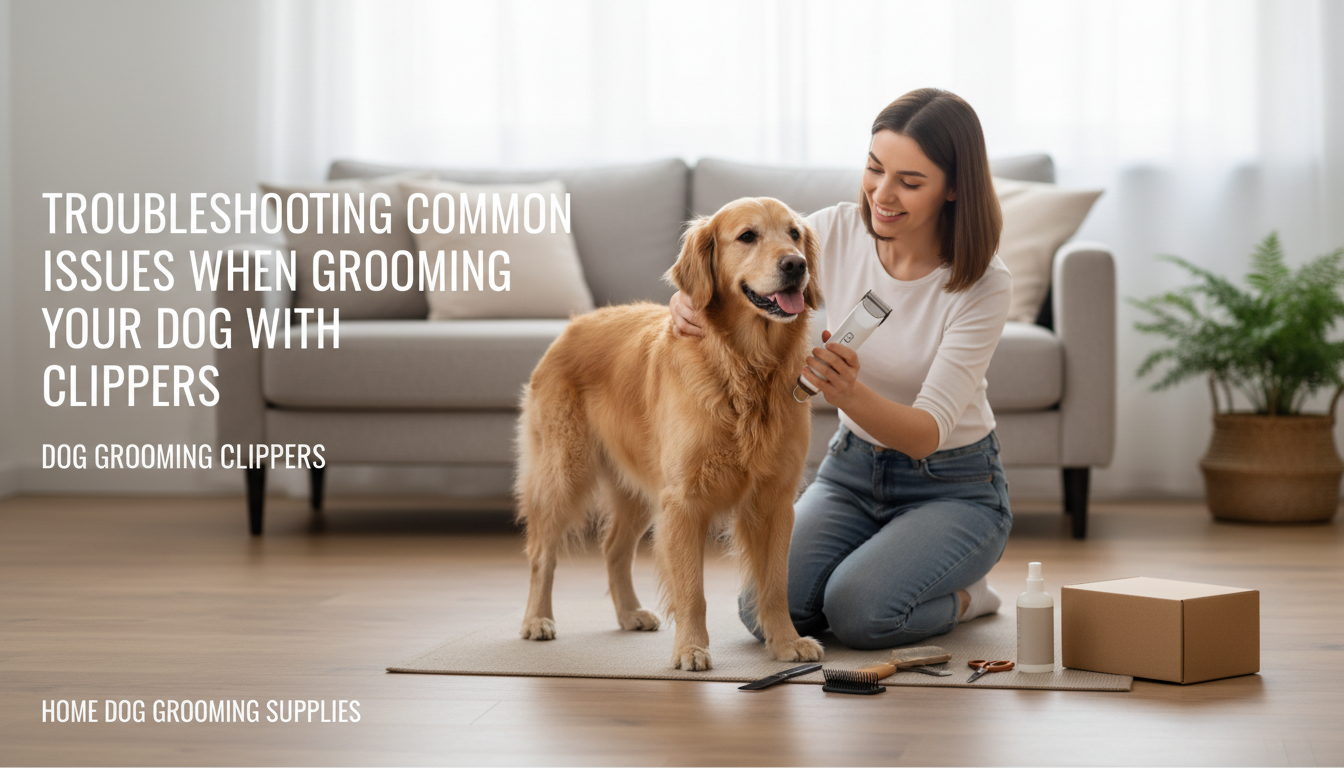
Troubleshooting Common Issues When Grooming Your Dog with Clippers
Compare grooming a dog with clippers with a practical informational SEO brief, decision criteria, FAQs, and publishing checks before you commit.
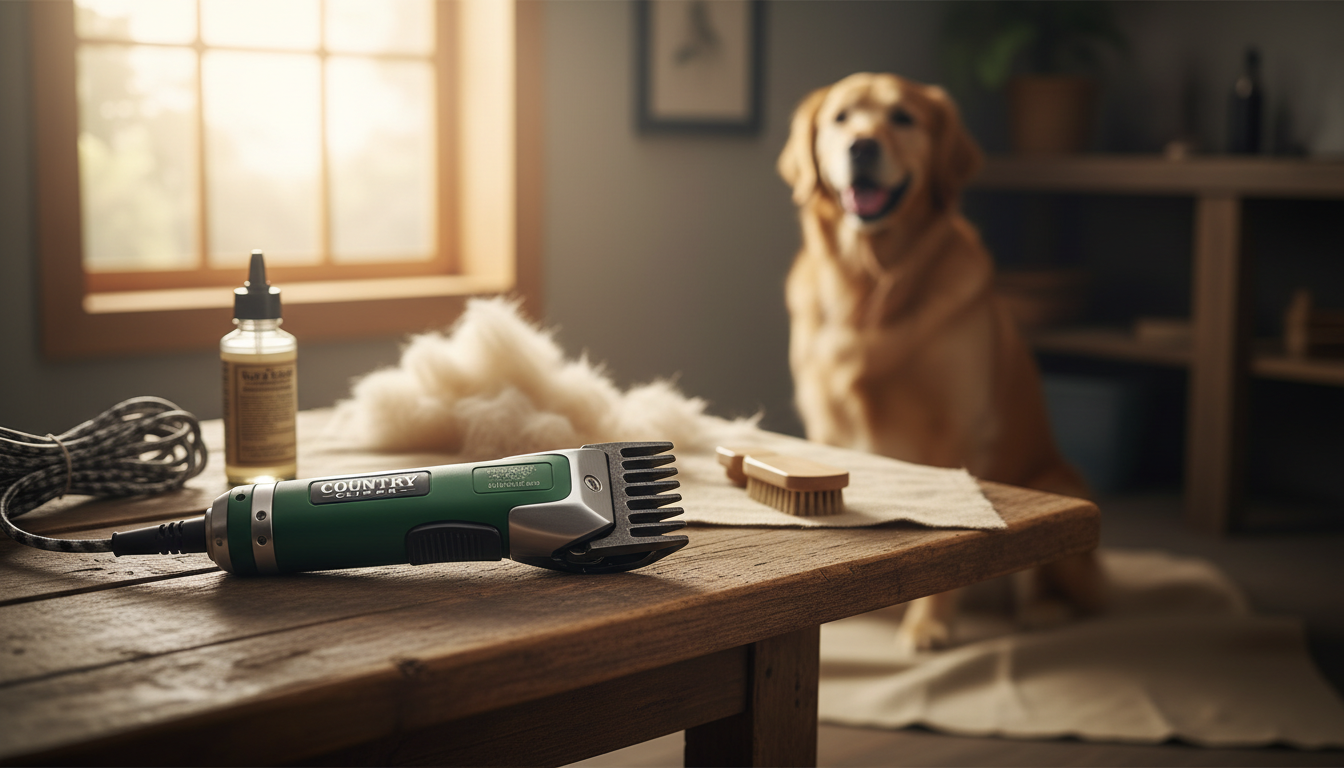
Country Clippers for Dog Grooming: Built for Durability and Demanding Use
Compare country clippers dog grooming with a practical informational SEO brief, decision criteria, FAQs, and publishing checks before you commit.