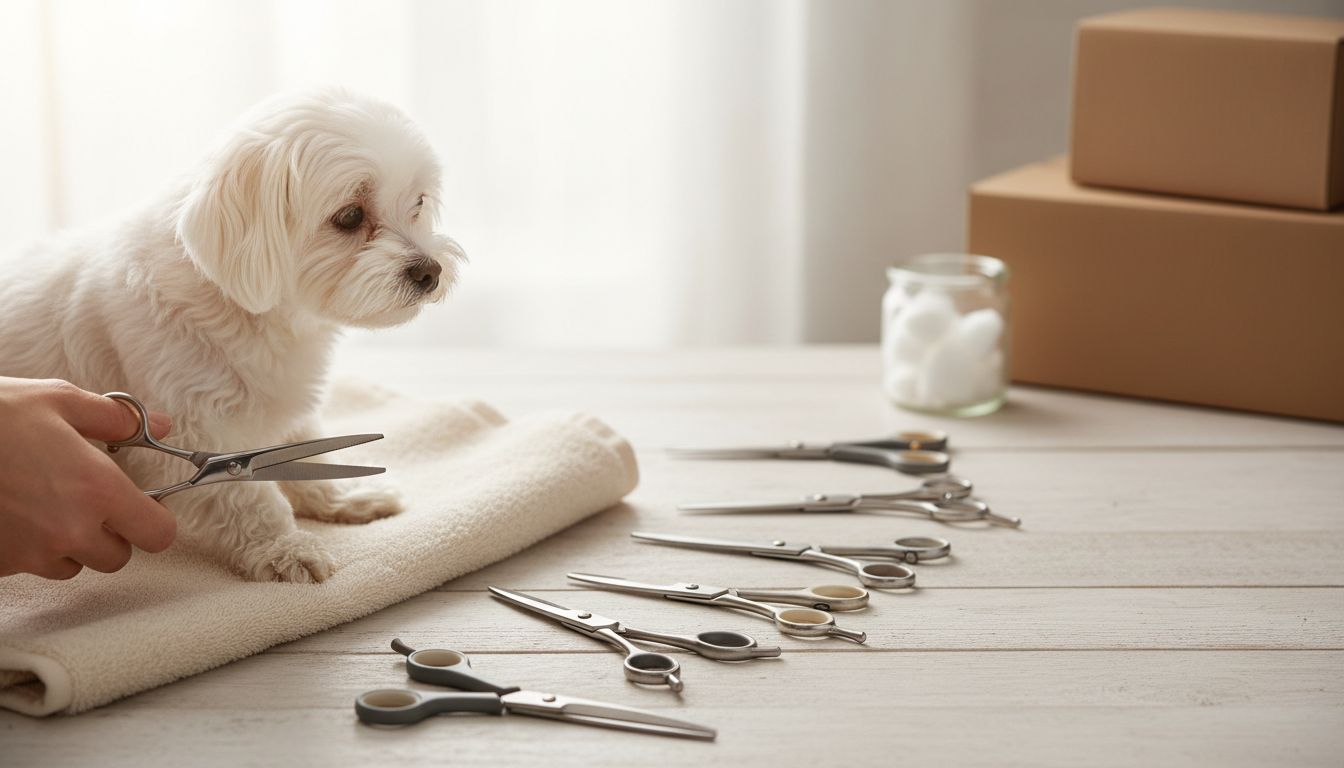
Choosing Small Dog Grooming Shears: Precision Tools for Delicate Areas and Tiny Breeds
Why Specialized Shears are Essential for Small Dog Grooming
Grooming a small dog presents a unique set of challenges that standard or larger grooming shears often cannot address effectively or safely. Tiny breeds frequently possess delicate skin, making them susceptible to nicks and irritation if not handled with extreme care. Their compact size means intricate areas like paws, faces, and around the ears require precise, controlled cuts. Furthermore, many small dogs can be prone to anxiety during grooming, necessitating quick, efficient, and comfortable tool use to minimize stress.
For these reasons, specialized small dog grooming shears are not merely a convenience but a necessity. They are designed to offer the precision required for detailed work and the safety features crucial when working close to sensitive areas. Using shears that are too large or unwieldy can significantly increase the risk of accidental injury to the pet, reduce the quality of the trim, and cause discomfort for both the groomer and the dog.
- Delicate Skin and Intricate Areas: Small dogs often have thinner skin and smaller body contours, demanding tools that allow for fine manipulation.
- Enhanced Safety: Oversized blades can obscure the groomer's view or make it difficult to maneuver, increasing the chance of accidental cuts. Specialized shears provide better sightlines and control.
- Reduced Pet Anxiety: A quicker, more precise grooming experience can help alleviate stress for anxious dogs, making future sessions more manageable.
- Groomer Ergonomics: Smaller, lighter shears are easier to handle for extended periods, especially when working on detailed areas or with a wiggly pet, reducing strain on the groomer's hand and wrist.
This guide will explore the specific characteristics that make certain shears ideal for small dogs, helping you choose tools that ensure a safe, precise, and comfortable grooming experience.
Understanding the Anatomy of Small Dog Grooming Shears
Selecting the right shears for small dogs requires an understanding of their fundamental components and how each design choice impacts precision, safety, and comfort during grooming. Unlike general-purpose shears, tools for smaller breeds are specifically engineered to navigate delicate areas and minimize stress for both the pet and the groomer.
-
Blade Length and Size For small dog grooming, shorter blade lengths are paramount. Shears typically ranging from 5.5 to 6.5 inches offer superior control and maneuverability, which is critical when working on intricate areas such as around the eyes, ears, paws, and tail. This reduced length allows for finer detail work and helps prevent accidental nicks on sensitive skin. In contrast, longer shears, often 7.5 to 8.5 inches, are generally reserved for larger breeds where more coat needs to be removed efficiently. The compact size of small dog shears ensures a clear line of sight to the working area, enhancing safety and accuracy.
-
Blade Material and Edge The performance and longevity of grooming shears largely depend on the quality of their blade material and edge. High-quality stainless steel is a standard choice, offering a balance of sharpness, durability, and corrosion resistance. Premium alloys may enhance edge retention, meaning the blades stay sharper for longer, reducing the frequency of sharpening and ensuring clean cuts. A sharp, well-maintained edge is crucial for preventing pulling or snagging the dog's coat, which can cause discomfort and stress.
-
Ergonomics and Handle Design Comfort and control for the groomer are directly influenced by the shear's ergonomics and handle design. For detailed work on small dogs, lightweight shears are preferred as they reduce hand fatigue during extended grooming sessions. Handle designs vary, with common types including:
- Straight handles: Offer a traditional, symmetrical grip.
- Offset handles: Position the thumb ring slightly forward, which can reduce strain on the thumb and wrist by allowing a more natural hand position.
- Crane handles: Feature a significantly dropped thumb ring, further opening the hand and promoting an even more relaxed grip. Finger rings should fit comfortably without being too large, as oversized rings can require awkward hand adjustments, especially when maneuvering in tight spaces. A proper fit ensures stable control and reduces the risk of slippage.
-
Weight and Balance The overall weight and balance of the shears contribute significantly to reducing hand fatigue, particularly during the precise, often repetitive movements required for small dog grooming. A well-balanced shear feels like an extension of the hand, allowing for smooth, effortless cuts. Shears that are too heavy or poorly balanced can lead to strain and diminished control, increasing the potential for inconsistent cuts or even accidents. Prioritizing a light, balanced tool enhances the groomer's endurance and the precision of their work, benefiting both the groomer and the small dog being groomed.
Key Types of Shears for Small Dog Grooming Tasks
Grooming small dogs effectively and safely requires a toolkit tailored to their size and coat characteristics. Different shear types are designed for distinct purposes, allowing for precision in various areas and coat textures. Understanding the specific function of each shear type is crucial for achieving a clean, comfortable, and aesthetically pleasing groom on smaller breeds.
-
Straight Shears Straight shears are fundamental for creating precise, clean lines. For small dogs, these are invaluable for tidying up the body coat, defining the edges of paws, and carefully trimming around the muzzle or eyes where a crisp finish is desired. Their straightforward blade design allows for controlled cuts, making them suitable for initial length reduction and detailed work on flat surfaces or areas requiring sharp definition. When working on small breeds, shorter straight shears (e.g., 5.5 to 6.5 inches) offer enhanced maneuverability and control, reducing the risk of accidental nicks.
-
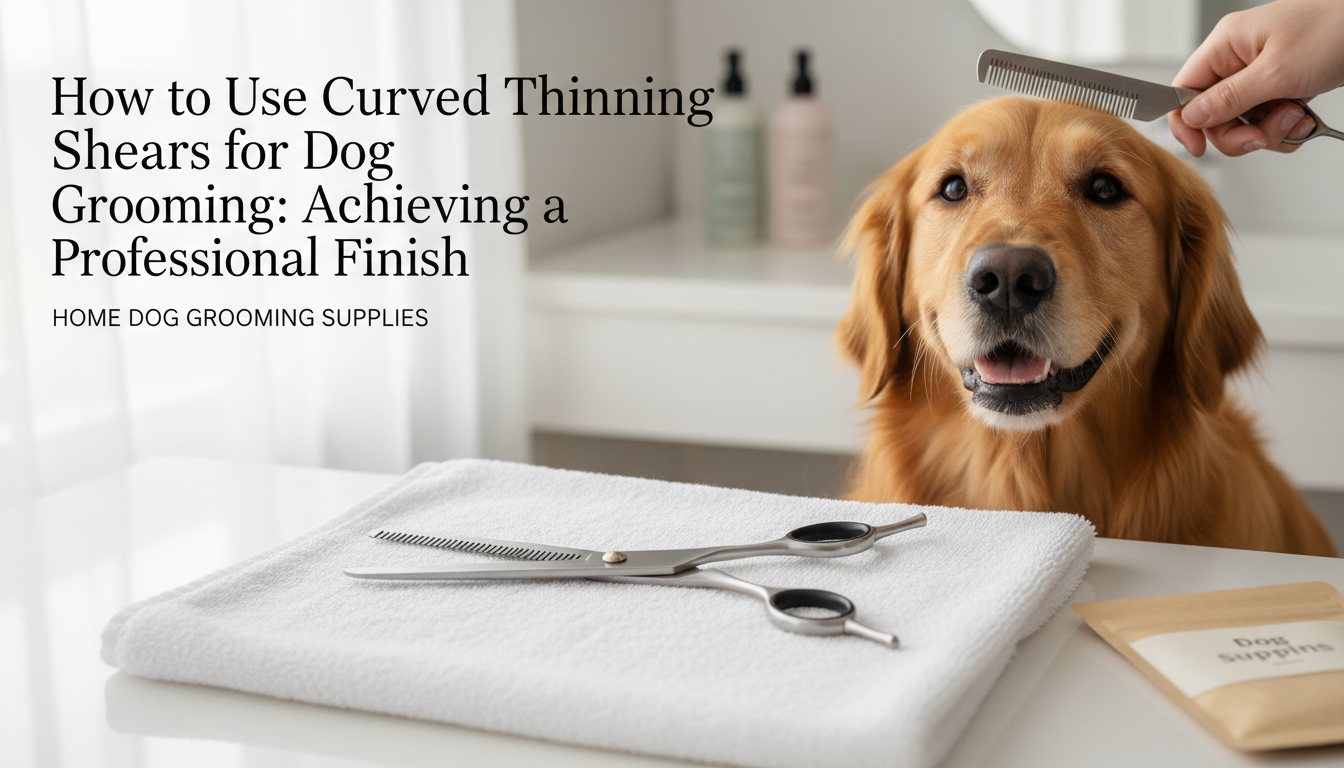
Curved Shears Curved shears are indispensable for shaping and contouring, especially on small dogs with rounded features. Their curved blades naturally follow the contours of the body, making them ideal for sculpting the head, creating rounded feet, or shaping tails. This design helps achieve a soft, natural appearance without leaving harsh lines. For breeds like Poodles or Bichon Frises, curved shears are essential for their characteristic rounded cuts, allowing groomers to follow the natural curves of the dog's anatomy with greater ease and safety than straight blades.
-
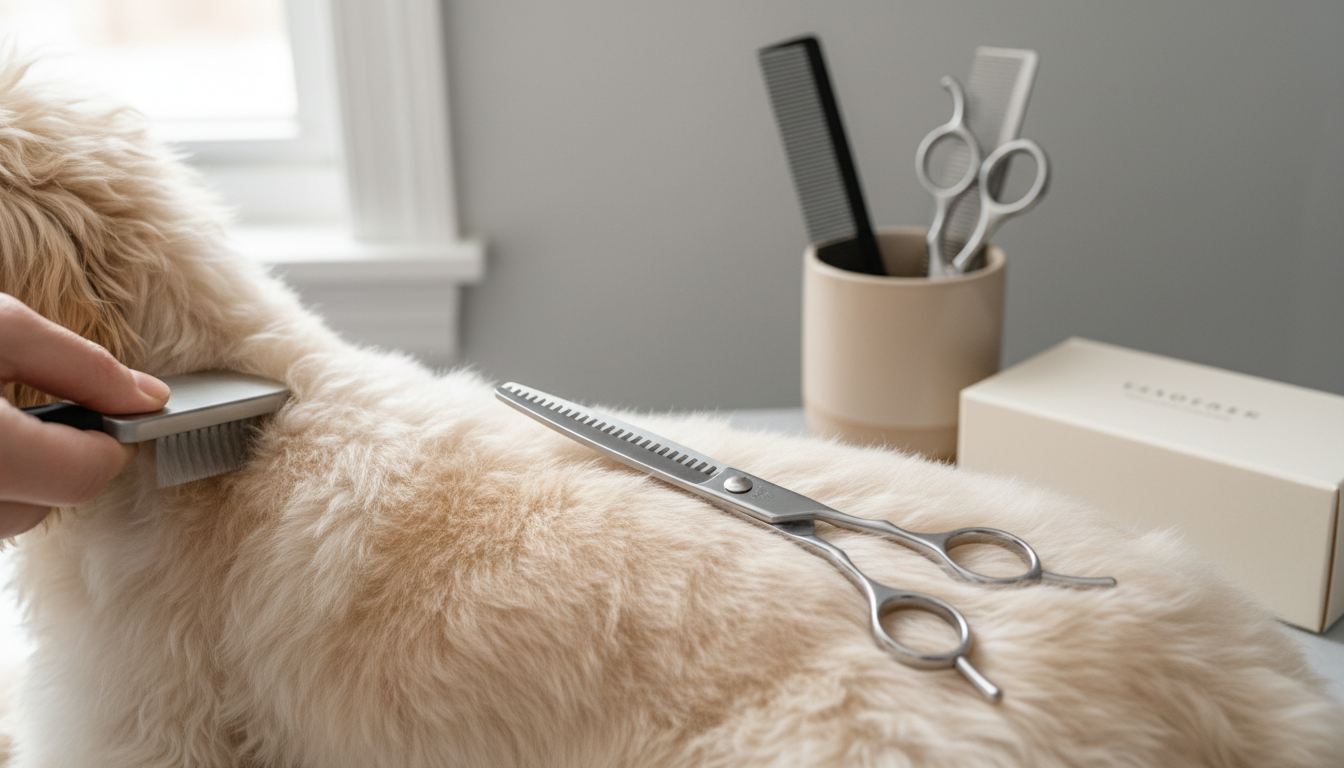
Thinning/Texturizing Shears Thinning or texturizing shears are characterized by one serrated blade and one straight blade, designed to remove bulk and blend coat layers without significantly shortening the overall length. For small dogs, these shears are perfect for softening harsh lines left by straight shears, reducing density in thick coats, or creating a more natural, feathered look. They are particularly useful for blending different coat lengths, thinning out matted areas carefully, or adding texture to certain styles. The number of teeth on the serrated blade determines how much hair is removed with each cut, offering versatility for various coat types and desired finishes.
By strategically employing a combination of straight, curved, and thinning shears, groomers can address the unique demands of small dog coats. Straight shears provide the initial structure and definition, curved shears refine the shape and flow, and thinning shears add the finishing touches of blending and texture, ensuring a balanced and safe grooming outcome.
Selecting the Right Shears: Practical Criteria for Small Dog Owners
Choosing the appropriate grooming shears for a small dog involves more than just picking a sharp pair. It requires a thoughtful assessment of your pet's specific needs, your grooming habits, and your own comfort. The right tools enhance safety, improve precision, and make the grooming experience more positive for both you and your dog.
-
Dog's Size and Coat Type:
- Shear Length: For small breeds and detailed work, shorter shears, typically ranging from 5.5 to 6.5 inches, offer superior control and maneuverability. This is crucial when working around sensitive areas like eyes, ears, and paws, where longer blades could be cumbersome or risky.
- Coat Density and Texture:
- Fine or Silky Coats: May benefit from very sharp, fine-edged straight shears for clean lines, and thinning shears for seamless blending without removing too much bulk.
- Dense or Double Coats: Require robust, sharp blades that can cut through thickness efficiently without pulling or snagging the hair. Dull or low-quality shears will struggle, causing discomfort to the dog and frustration for the groomer.
- Curly or Wavy Coats: Curved shears are invaluable for shaping and creating natural contours, particularly on rounded areas of the body or head.
-
Grooming Frequency and Skill Level:
- Occasional Home Groomers: May prioritize ease of use and safety features. A basic, high-quality straight shear, possibly accompanied by a small curved shear, can be sufficient. Durability is still important, as even infrequent use warrants reliable tools.
- Frequent Home Groomers or Those Seeking Advanced Styles: Investing in a more comprehensive kit and higher-grade steel shears will offer better performance, longevity, and a wider range of styling options. As skill improves, the benefits of specialized tools become more apparent.
-
Individual Fit for the Groomer:
- Ergonomics: The comfort and fit of the shears in your hand directly impact control and reduce fatigue. Look for lightweight designs with offset or swivel handles that align with your natural hand position. Large finger rings can be awkward, especially when navigating tight angles.
- Testing Comfort: While direct testing isn't always possible before purchase, consider how the shear's weight, balance, and handle design might feel during extended use. An uncomfortable grip can lead to shaky hands and reduced precision, increasing the risk of accidents.
-
Budget vs. Quality:
- Investment in Durability: While prices vary significantly, from under $100 to several hundred, quality often correlates with blade material, sharpness, and overall construction. High-quality stainless steel shears maintain their edge longer, provide a cleaner cut, and are less likely to rust.
- Trade-offs: Cheaper shears might seem appealing but can dull quickly, pull hair, and require more frequent sharpening, potentially costing more in the long run. Prioritizing sharp, durable blades is a safety measure, as dull shears are more prone to causing injury.
-
The Concept of a Grooming Kit:
- For comprehensive small dog grooming, a set of specialized shears is often more effective than a single pair. A typical kit might include:
- Straight Shears: For foundational cuts, clean lines, and general body trimming.
- Curved Shears: Essential for shaping rounded areas like heads, paws, and tails, providing a natural, sculpted finish.
- Thinning Shears (or Texturizers): Used for blending harsh lines, reducing bulk, and creating a softer, more natural appearance, particularly useful on fluffy or dense coats.
- This combination allows for versatility, addressing different coat textures and styling needs while ensuring precision in delicate areas.
- For comprehensive small dog grooming, a set of specialized shears is often more effective than a single pair. A typical kit might include:
Common Pitfalls and Trade-offs When Buying Small Dog Grooming Shears
Navigating the options for small dog grooming shears can be complex, and certain missteps can lead to frustration, poor results, or even injury. Understanding these common pitfalls and inherent trade-offs is crucial for making an informed purchase that prioritizes safety, comfort, and effectiveness.
-
Choosing the Wrong Length Using shears that are too long (e.g., 7.5 to 8.5 inches, often used for finishing larger breeds) for small dogs can significantly compromise precision and safety. Longer blades are unwieldy in tight spaces like paw pads, around eyes, or under the tail, increasing the risk of accidental nicks to delicate skin. For small breeds, shorter shears, typically ranging from 5.5 to 6.5 inches, offer superior control and maneuverability, which is essential for detailed work on compact frames. The trade-off is often speed, as shorter blades remove less hair per cut, but this is a necessary compromise for precision and safety.
-
Ignoring Ergonomics Poorly designed or ill-fitting handles can lead to hand strain, fatigue, and reduced control over time. Shears with large finger rings or awkward grips can force the groomer's hand into uncomfortable positions, especially during prolonged grooming sessions or when working on a squirming pet. This lack of ergonomic fit not only impacts the groomer's comfort but also increases the risk of an unsteady hand, potentially leading to injury for the dog. Prioritizing shears that feel balanced and natural in your hand is paramount for consistent, safe grooming.
-
Underestimating Maintenance Needs Neglecting proper care can quickly degrade the performance and lifespan of even high-quality shears. Blades can dull prematurely if not cleaned and oiled regularly, especially after contact with moist or dirty coats. Dull blades don't cut cleanly; instead, they can pull or bend hair, causing discomfort to the dog and leading to an uneven finish. This not only makes grooming more difficult but also increases the risk of skin irritation or accidental cuts as the groomer applies more force to compensate for blunt edges. Regular cleaning and professional sharpening are essential investments in your tools.
-
Misconceptions About Price While quality often comes at a cost, a higher price tag does not automatically guarantee the best shears for your specific needs. Conversely, inexpensive options are not always inferior. The market offers a wide range of shears, and some excellent tools can be found at more accessible price points, while some very expensive shears might not suit every user's preference or specific grooming task. The key is to evaluate features like blade material, edge type, and ergonomic design against your budget and requirements, rather than solely relying on price as an indicator of quality or suitability.
-
Using Human Scissors Employing household or human hair-cutting scissors for dog grooming presents significant safety and performance risks. Human scissors typically have very sharp, pointed tips that can easily injure a dog's delicate skin or eyes. Their blade geometry is designed for human hair, which differs in texture and density from animal fur, often leading to inefficient cutting, pulling, and an uneven finish. Dog grooming shears are specifically designed with features like blunt tips for safety in sensitive areas and blade angles optimized for pet hair, making them the only appropriate tool for the job.
Maintaining Your Small Dog Grooming Shears for Longevity and Performance
Investing in quality small dog grooming shears is only the first step; proper maintenance is crucial to preserve their precision, ensure safety, and extend their lifespan. Consistent care prevents rust, maintains blade sharpness, and ensures smooth operation, which directly impacts the comfort and effectiveness of each grooming session for both you and your pet. Neglecting these steps can lead to dull blades, inefficient cuts, and potential discomfort for the dog.
- Daily Cleaning: After each grooming session, meticulously clean your shears. Use a soft, dry cloth to wipe down the blades and handles, removing all traces of hair, dander, and moisture. Pay particular attention to the pivot screw area, where hair can easily accumulate and hinder smooth action. Even if a dog's coat appears dry, residual moisture or oils can contribute to corrosion if not cleaned promptly.
- Regular Oiling: Lubrication is essential for smooth operation and rust prevention. Apply a single drop of specialized shear oil or clipper oil to the pivot screw joint. Gently open and close the shears several times to distribute the oil evenly across the moving parts and blade surfaces. This routine helps maintain the integrity of the steel and ensures a fluid cutting motion, reducing strain on your hand and the blades.
- Proper Storage: Protect your precision tools from damage when not in use. Store shears in their original protective case, a dedicated leather pouch, or on a magnetic strip designed for tools. Avoid tossing them into a drawer with other metal objects, which can nick or dull the delicate edges. Keep them in a dry environment to prevent moisture buildup and potential rust.
- Professional Sharpening: Over time, even the highest quality blades will lose their edge. Professional sharpening is vital to restore the optimal cutting angle and performance of your shears. Look for a reputable sharpener who specializes in grooming tools, as they possess the expertise and equipment to handle the precise angles and finishes required for small dog grooming shears.
- Avoid DIY Sharpening: Resist the temptation to sharpen specialized grooming shears at home using generic sharpeners or abrasive tools. These shears are designed with specific blade geometries and fine tolerances that can be easily compromised by improper techniques. Attempting to sharpen them without the correct knowledge or equipment can permanently damage the blades, rendering them ineffective and potentially unsafe for use on delicate areas.
Frequently Asked Questions About Small Dog Grooming Shears
Understanding the nuances of grooming tools can empower you to make informed choices for your small dog. Here are answers to common questions about specialized shears.
-
What makes small dog grooming shears different from regular scissors? Small dog grooming shears are specifically designed for precision and safety on a smaller scale. They typically feature shorter blades, often ranging from 4.5 to 6.5 inches, which provides greater control for intricate work around delicate areas like faces, paws, and ears. The tips may also be blunted for enhanced safety, reducing the risk of accidental pokes or nicks. Unlike human hair scissors, dog grooming shears are engineered with a specific blade angle and sharpness to cut through the unique texture and density of pet hair cleanly, preventing pulling or damage to the coat.
-
What length of shears is best for small dogs? For optimal control and safety when grooming small dogs, shears with blade lengths between 5.5 and 6.5 inches are generally recommended. Shorter shears allow for more precise maneuvering in tight spaces and reduce the likelihood of accidental cuts on a small, often squirming, pet. While longer shears might cover more area, they can be unwieldy for delicate work on tiny breeds, increasing the risk of injury.
-
Do I need different types of shears for my small dog? Yes, a versatile grooming kit for a small dog often benefits from including different types of shears, each serving a specific purpose:
- Straight Shears: Ideal for creating clean lines, tidying up paw pads, and general body trimming where a uniform length is desired.
- Curved Shears: Excellent for shaping contours, rounding off paws, creating a rounded face, or defining top knots, allowing for a more natural, blended look.
- Thinning Shears: Used to remove bulk, soften harsh lines, blend different coat lengths, and create a more natural finish without significantly shortening the hair. They are particularly useful for reducing density in thick coats or around sensitive areas without leaving blunt cut marks.
-
How often should I sharpen my grooming shears? The frequency of sharpening depends heavily on how often you use your shears and the type of coat you're cutting. Regular cleaning and oiling after each grooming session are crucial for maintaining their edge and extending their lifespan. When your shears begin to pull hair instead of cutting cleanly, or if you notice uneven cuts, it's a clear indication that professional sharpening is needed. Investing in quality sharpening services ensures your shears remain effective and safe for your pet.
-
Can I use human hair scissors on my small dog? It is generally not recommended to use human hair scissors on your small dog. Dog hair is fundamentally different from human hair; it's often thicker, coarser, and has a different growth pattern. Human scissors are designed for the finer texture of human hair and may not have the necessary sharpness or blade angle to cut through a dog's coat cleanly. Using them can lead to pulling, tearing, or bending the hair, causing discomfort to your dog and potentially damaging their coat. Moreover, human scissors typically lack safety features like blunt tips, increasing the risk of injury to your pet.
Making Your Confident Choice for Small Dog Grooming Shears
Selecting the right shears for grooming small dogs is a personal decision that balances your pet's specific needs with your own comfort and grooming approach. The goal is to achieve a safe, precise, and stress-free experience for your small canine companion. By focusing on key attributes, you can confidently choose tools that enhance your grooming capabilities.
Revisit the foundational criteria for small dog grooming shears:
- Optimal Length: Prioritize shorter shears, typically ranging from 5.5 to 6.5 inches, for superior control and maneuverability around delicate areas like paws, faces, and ears. While longer shears might offer efficiency for broader body work, precision tools are paramount for small breeds.
- Purpose-Driven Types: Consider a small collection that includes straight shears for clean lines, curved shears for shaping and contouring, and potentially blunt-tip or detail shears for maximum safety in sensitive zones. Thinning shears can also be valuable for blending and softening harsh lines on finer coats.
- Groomer Ergonomics: Your comfort directly impacts your control and the dog's safety. Look for shears that feel balanced, lightweight, and fit your hand without strain. Features like offset handles, finger rests, and appropriate ring size can significantly reduce fatigue during grooming sessions.
- Blade Material and Edge: High-quality stainless steel ensures durability, sharpness, and resistance to corrosion, which are vital for a clean cut and the longevity of your tools. A sharp, well-maintained edge minimizes pulling and discomfort for your dog.
Ultimately, the "best" small dog grooming shears are those that feel like a natural extension of your hand, allowing you to work with confidence and precision. Prioritize your dog's safety above all else, ensuring the tools you select enable you to navigate their unique anatomy without risk. Consider your personal grooming style—whether you prefer quick, efficient trims or meticulous, detailed work—and match your tools accordingly. The ideal choice supports both your technique and your small dog's comfort, making grooming a positive experience for everyone involved.
More in Dog Grooming Shears
View All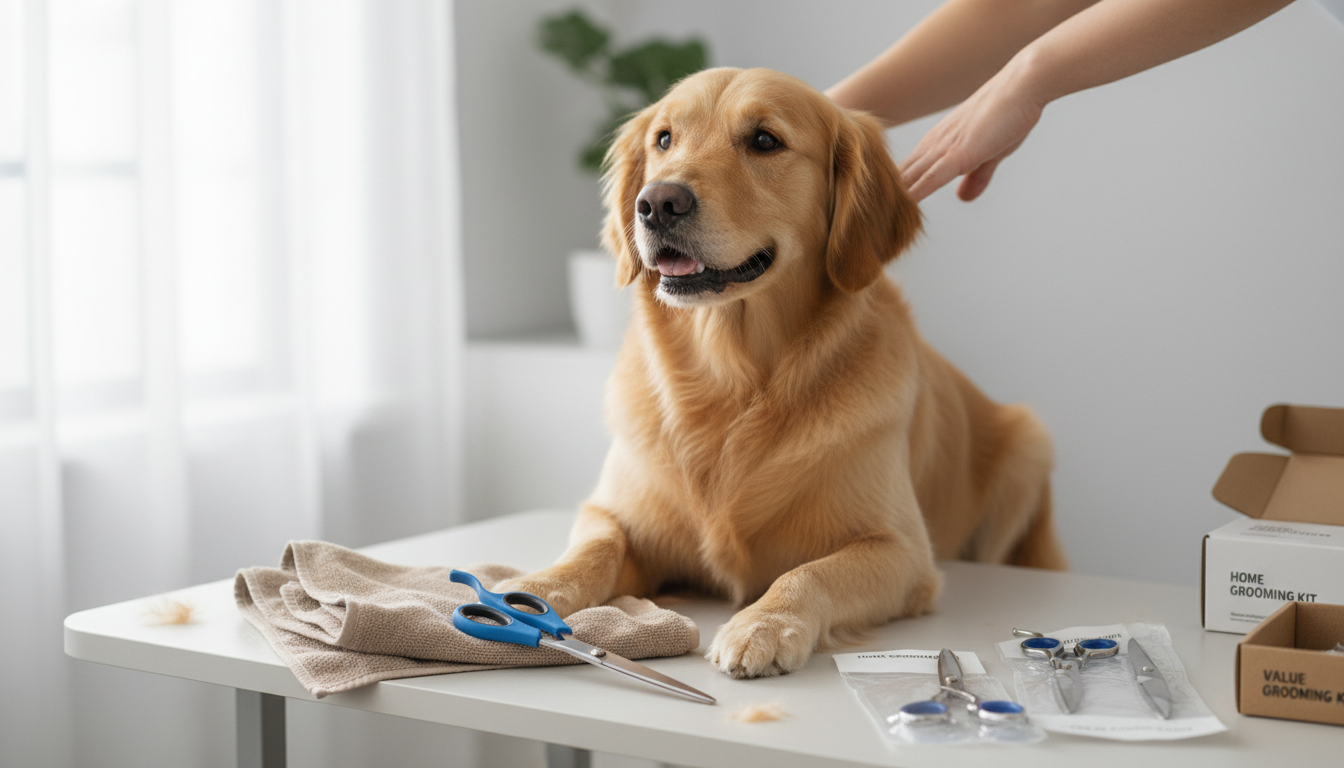
Dog Grooming Shears at PetSmart: Value Options for Casual Home Groomers
Compare dog grooming shears petsmart with a practical informational SEO brief, decision criteria, FAQs, and publishing checks before you commit.
Swivel Dog Grooming Shears: Enhancing Comfort and Control for Detailed Trimming
Compare swivel dog grooming shears with a practical informational SEO brief, decision criteria, FAQs, and publishing checks before you commit.
Investing in High-Quality Dog Grooming Shears: What to Look for in Professional-Grade Tools
Compare high quality dog grooming shears with a practical informational SEO brief, decision criteria, FAQs, and publishing checks before you commit.