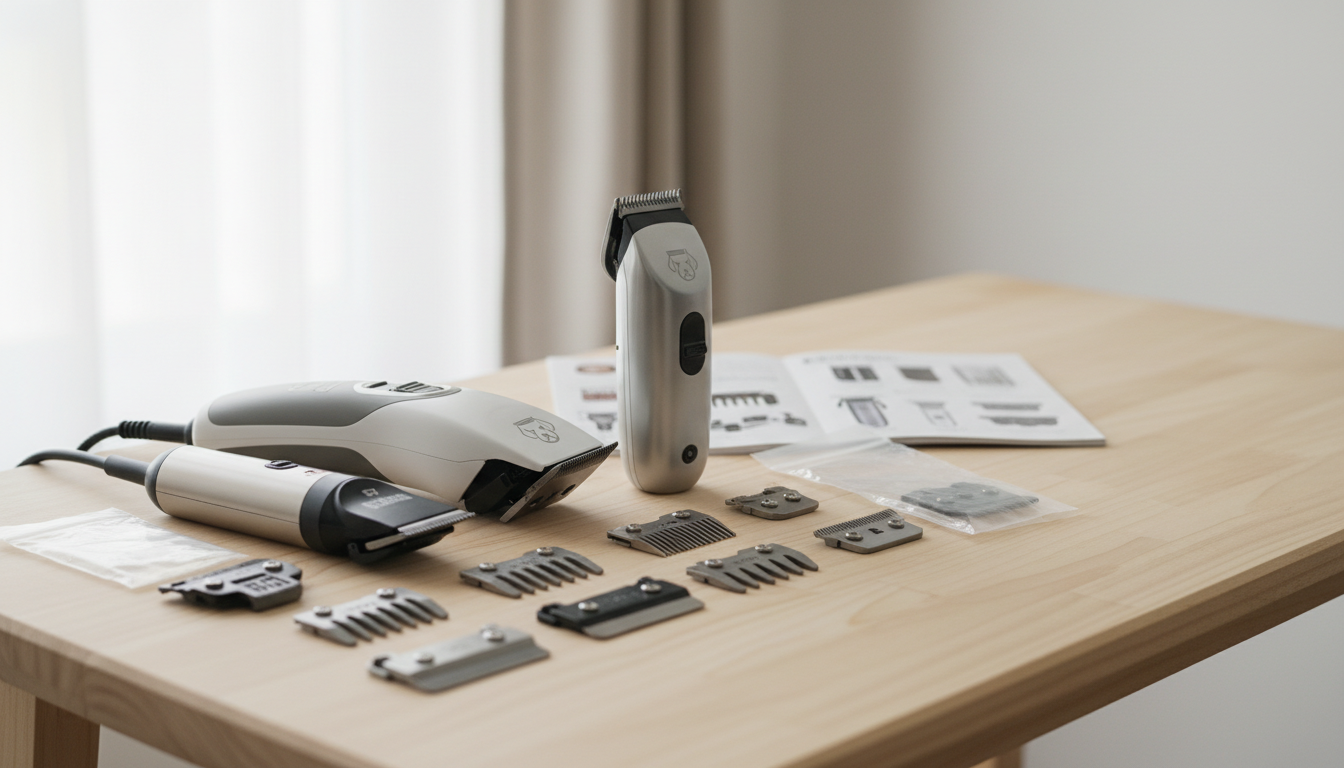
Choosing Dog Grooming Clippers and Blades: A Guide to Compatibility and Performance
Navigating the World of Dog Grooming Clippers and Blades
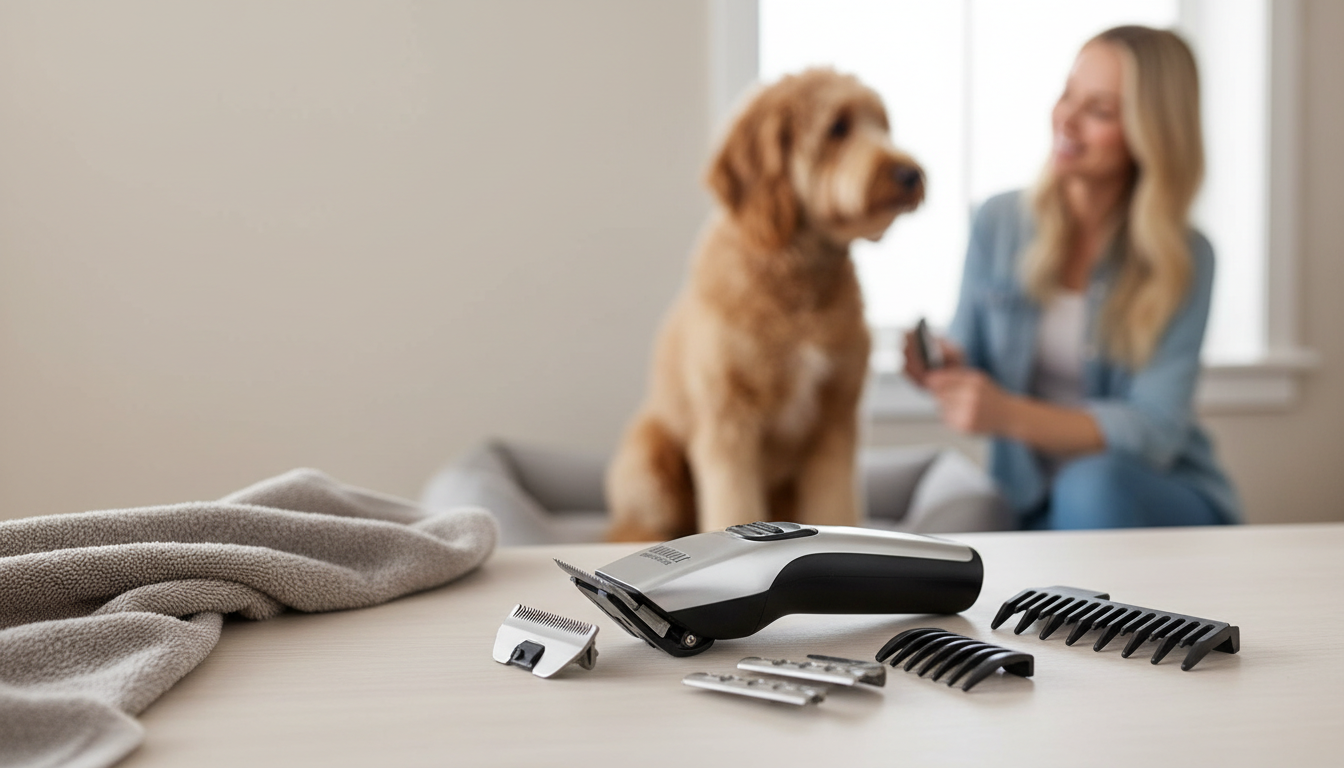
Selecting the correct dog grooming clippers and blades is fundamental to achieving effective and comfortable grooming results for any dog. Unlike human hair, canine coats vary significantly in texture, density, and length, requiring specialized tools designed for their unique needs. Attempting to use human clippers often leads to poor performance, discomfort for the pet, and potential damage to the tools themselves, as dog hair is typically coarser and more challenging to cut.
Many dog owners and aspiring groomers encounter challenges when choosing these essential tools. Common issues include understanding the compatibility between different clipper brands and blade types, deciphering blade numbering systems, and ensuring the chosen combination delivers the desired performance without overheating or pulling. These complexities can lead to frustration and less-than-ideal grooming outcomes.
This guide will demystify the critical interplay between dog grooming clippers and their blades. We will explore key compatibility factors, performance criteria, and practical fit recommendations. By understanding these nuances, you can avoid common pitfalls and make confident purchasing decisions that ensure effective and safe grooming for your canine companion.
Understanding Dog Grooming Clippers: Types, Power, and Key Features
Dog grooming clippers are the primary tool for shaping and shortening a dog's coat, but their effectiveness is intrinsically linked to their design and the blades they accommodate. Understanding the core components and features of these devices is crucial for selecting a system that performs reliably and safely for various coat types and grooming tasks.
The fundamental choice often begins with the power source:
- Corded Clippers: These clippers offer consistent, uninterrupted power, making them suitable for long grooming sessions or professional use where a power outlet is readily available. They typically provide higher torque, which can be advantageous for dense or matted coats. However, the cord can limit mobility and pose a tripping hazard.
- Cordless Clippers: Offering superior maneuverability and freedom of movement, cordless clippers are ideal for home groomers or for touch-ups in areas without easy access to power. Their performance depends on battery life and motor strength, which can vary. While convenient, they require recharging and may not sustain peak power through very long or challenging grooms.
Beyond the power source, the motor type significantly dictates a clipper's performance and suitability for different coats:
- Rotary Motors: These are the most common and versatile, found in both corded and cordless professional-grade clippers. They offer consistent power and speed, making them effective for all coat types, from fine to thick and matted. Their design allows for a direct drive of the blade, providing efficient cutting.
- Pivot Motors: Often found in heavy-duty clippers, pivot motors excel at cutting through thick, coarse, or wet hair at lower blade speeds. They offer high torque but generally operate at slower speeds than rotary motors.
- Magnetic Motors: These motors are simpler in design, offering high blade speed but often with less torque than rotary or pivot motors. They are typically found in lighter-duty clippers and are best suited for fine to medium coats without significant matting.
The control over a clipper's operation is also a key performance factor:
- Single-Speed Clippers: These operate at one fixed speed, which can be sufficient for basic grooming tasks on cooperative dogs with straightforward coats. Their simplicity can be a benefit, but they offer less flexibility.
- Multi-Speed Clippers: Offering two or more speed settings, these clippers provide greater versatility. Lower speeds are useful for sensitive areas, puppies, or to reduce heat build-up, while higher speeds are effective for dense coats or faster removal. This adaptability allows groomers to match the clipper's performance to the specific coat condition and dog's temperament.
For user comfort and precision, ergonomic design elements are important. Clippers that are lightweight, well-balanced, and have a comfortable grip reduce hand fatigue during extended grooming sessions, enhancing control and safety.
Finally, a critical consideration for compatibility is the A5 system. This widely adopted standard refers to a universal blade attachment system used by many professional clipper brands. Clippers designed with the A5 system can accept a broad range of interchangeable blades from various manufacturers, offering significant flexibility in blade selection. This compatibility simplifies finding the right blade for specific coat lengths and textures, regardless of the clipper brand, making it a key factor in long-term grooming utility.
Decoding Dog Grooming Blades: Sizes, Materials, and Their Impact on Coat Finish
The blade attached to a dog grooming clipper is the primary determinant of the cut's length, finish, and overall effectiveness. Understanding the various characteristics of these blades—from their numbering system to their material composition and tooth configuration—is essential for achieving desired grooming outcomes and ensuring the comfort of the dog. These specialized tools are engineered to manage the unique demands of canine coats, making them distinct from blades designed for human hair.
The Blade Numbering System and Cut Lengths
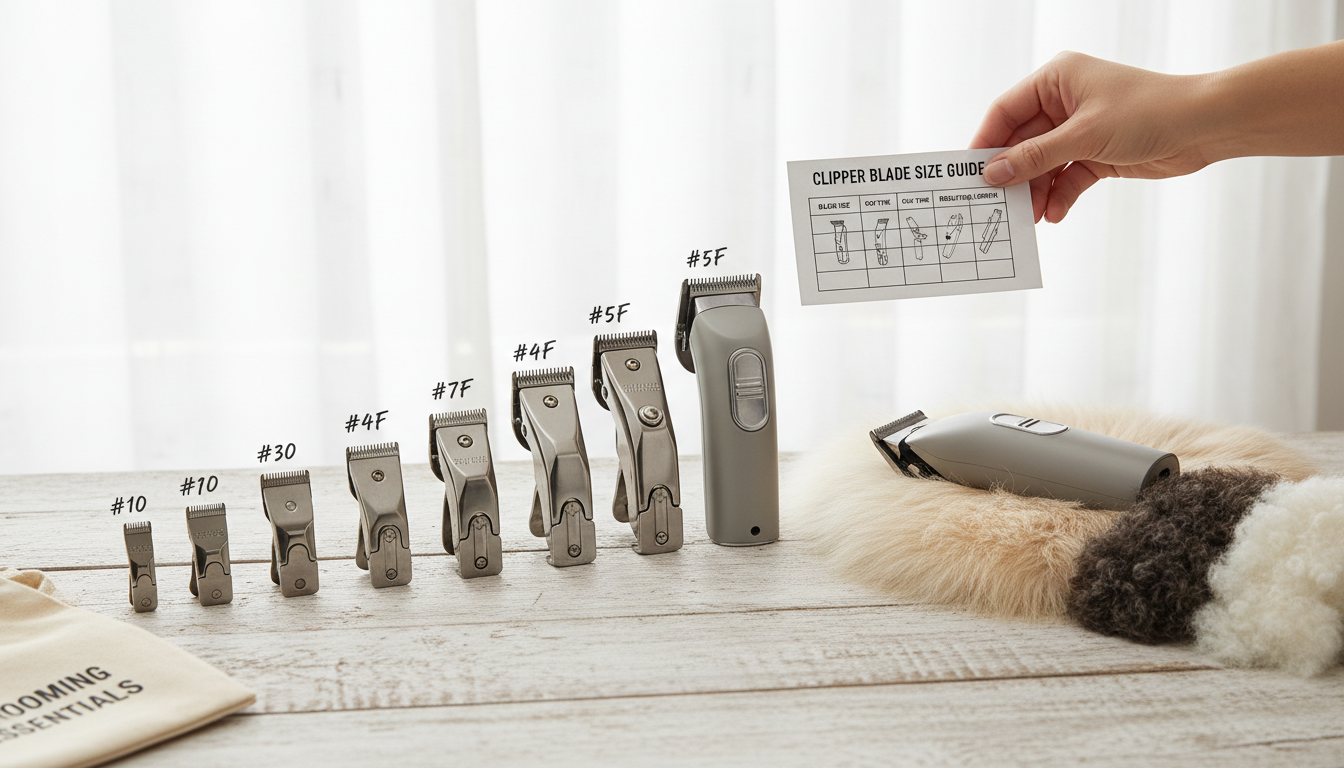
Dog clipper blades follow a numbering convention where, counter-intuitively, a higher number generally indicates a shorter cut. This system provides a standardized reference for groomers to achieve consistent lengths.
- #10 Blade: This is a versatile, standard blade that leaves a relatively short, clean cut, often used for sanitary areas, paws, and general body work on shorter-coated breeds.
- #30 Blade: Providing a very close cut, this blade is typically reserved for surgical preparation, extremely fine work, or under snap-on combs to achieve specific lengths.
- #4F, #5F, #7F Blades: These blades leave progressively longer cuts, with #4F being the longest and #7F the shortest among this group. The "F" designation indicates a finish blade, designed for a smooth, uniform appearance.
The specific length left by each blade can vary slightly between manufacturers, but the relative order of cut length remains consistent across the industry.
Blade Materials: Steel Versus Ceramic
The material composition of a blade significantly influences its performance, particularly regarding heat generation and durability. Most blades feature a steel comb, with the cutting element being either steel or ceramic.
- Steel Blades:
- Durability: Highly durable and resistant to chipping, making them robust for general use.
- Sharpening: Can be sharpened multiple times, extending their lifespan.
- Heat: Tend to heat up more quickly during prolonged use, necessitating frequent cooling or oiling to prevent "clipper burn" on the dog's skin.
- Ceramic Blades (Cutter):
- Heat Dissipation: Ceramic cutters remain cooler for longer periods compared to all-steel blades, reducing the risk of overheating.
- Sharpness: Often provide a very sharp initial cut.
- Brittleness: More fragile than steel and can chip or break if dropped.
Choosing between these materials often involves balancing cost, desired heat management, and careful handling.
Skip-Tooth, Finish, and 'F' Blades
The configuration of a blade's teeth dictates its application and the texture of the resulting coat finish.
- Skip-Tooth Blades: Characterized by alternating long and short teeth, these blades are designed to feed thicker, matted, or heavily coated hair into the cutting surface more effectively. They are often used for initial rough-cutting or removing bulk from dense coats. However, due to their uneven tooth pattern, they can leave a less uniform finish and require careful handling to avoid nicking the skin, especially on uneven body contours.
- Finish (Full-Tooth) Blades: These blades, often denoted with an 'F' (e.g., #4F, #5F, #7F), have uniformly spaced teeth of the same length. They are engineered to provide a smooth, even, and finished cut, making them ideal for general body clipping and achieving a consistent, polished appearance. The full-tooth design generally offers a safer clipping experience.
Why Dog-Specific Blades Are Essential
Using blades designed for dogs is critical, as human hair clippers are fundamentally unsuitable for canine grooming.
- Coat Differences: Dog hair is typically coarser, denser, and often comprises multiple layers (guard hairs and undercoat) compared to human hair. Dog blades are designed with stronger teeth and a more powerful cutting geometry to handle this density without snagging or pulling.
- Skin Sensitivity: Canine skin is delicate and can be easily irritated or cut by human blades, which are designed for the finer texture of human hair and the less sensitive contours of the human scalp.
- Performance: Human clippers and blades will struggle to cut through a dog's coat, leading to inefficient grooming, discomfort for the animal, and potential damage to the clipper motor. Dog-specific blades ensure a clean, efficient cut, promoting a positive grooming experience.
Ensuring Seamless Compatibility: Matching Clippers with Blades for Optimal Performance
The effectiveness of any dog grooming session hinges significantly on the seamless compatibility between your clipper and its blades. Mismatched components can lead to inefficient cutting, discomfort for the animal, and premature wear on your equipment. Understanding how clippers and blades are designed to work together is crucial for a successful grooming experience.
A cornerstone of professional dog grooming equipment is the "A5" universal blade system. This widely adopted standard dictates the physical dimensions and attachment mechanism for blades, allowing a single A5-compatible blade to fit various clipper brands that also adhere to the A5 standard. Many professional-grade clippers from manufacturers like Andis, Oster, Wahl, and Heiniger are designed to accept A5 blades. This prevalence offers groomers considerable flexibility, enabling them to interchange blades across different clipper bodies and access a broader selection of blade types and sizes from various manufacturers without being locked into a single brand's ecosystem.
However, not all clippers utilize the A5 system. Some brands, particularly those designed for lighter-duty home use or specific applications, employ proprietary blade systems. These brand-specific blades are engineered exclusively for their corresponding clipper models and are not interchangeable with other brands or the A5 system. Attempting to force an incompatible blade onto a clipper can damage both components, compromise cutting performance, and potentially create safety hazards.
Beyond the physical fit, compatibility also involves the blade drive system. Clippers feature an internal drive mechanism, often a lever or cam, that oscillates to move the cutting blade. For proper function, the blade's attachment point must correctly engage with this drive system. A5-style blades typically have a standard "tab" or "hook" that mates precisely with the clipper's drive lever, ensuring the blade moves with the necessary precision and speed. If this engagement is incorrect, the blade may vibrate excessively, cut poorly, or fail to operate at all.
To verify compatibility before purchasing, always consult the manufacturer's specifications. Clipper product descriptions will explicitly state whether they are "A5 compatible" or if they require "proprietary [Brand Name] blades." Similarly, blade packaging or online listings will indicate which clipper systems or specific models they are designed for. When in doubt, checking the product manual or contacting the manufacturer directly can prevent purchasing errors.
Proper compatibility offers several key benefits:
- Enhanced Grooming Efficiency: A well-matched clipper and blade system cuts smoothly and consistently, reducing snagging and the need for multiple passes.
- Improved Pet Safety and Comfort: Correctly fitted blades operate without excessive vibration or pulling, minimizing the risk of nicks, skin irritation, and overheating, which can cause discomfort to the dog.
- Extended Tool Lifespan: When components fit and function as intended, there is less strain on the clipper motor and less wear on the blade, prolonging the life of your grooming equipment.
- Consistent Performance: Ensures the blade operates at its optimal speed and cutting efficacy, delivering the desired coat length and finish every time.
Making Your Choice: Key Considerations and a Decision Framework
Selecting the optimal dog grooming clippers and blades requires a systematic approach, moving beyond simple brand preference to match tools with specific needs. This framework integrates critical factors, guiding you toward a combination that ensures effective grooming, pet comfort, and tool longevity.
- Coat Characteristics and Density: The dog's coat is the primary determinant.
- Thick, Dense, or Double Coats: These require powerful clippers with high torque, often corded models or robust cordless units, to prevent bogging down. Coarse-toothed blades (e.g., skip tooth blades) or wider blades can help manage bulk, but finishing blades (F-blades) are needed for a smooth cut.
- Fine or Silky Coats: Less powerful clippers may suffice. Fine-toothed blades are generally preferred for a clean finish.
- Curly or Matted Coats: Clippers with strong motors are essential to cut through mats, often paired with specific blade types (e.g., #10 or #30 for initial mat removal, followed by longer blades).
- Shedding Coats: Clippers can help manage shedding by reducing coat length, but de-shedding tools are often used in conjunction.
- Desired Grooming Style and Length: Your aesthetic goals directly influence blade selection.
- Short, Uniform Cuts: Achieved with shorter blades (e.g., #10, #15, #30) or by using longer blades with clipper combs.
- Longer, Styled Cuts: Require longer blades (e.g., #7F, #5F, #4F) or specialized clipper combs to maintain length while shaping. Understanding the counter-intuitive blade numbering system (where lower numbers mean longer cuts, and 'F' denotes a finish blade) is crucial.
- Frequency of Use: This dictates the required durability and feature set of your equipment.
- Occasional Home Grooming: A mid-range clipper with a few essential blades might be sufficient. Cordless options offer convenience. Emphasis on ease of use and maintenance.
- Frequent or Professional Use: Demands robust, high-performance clippers, often corded for continuous power, with a wider array of specialized blades. Durability, heat management, and ergonomic design become paramount.
- Noise and Vibration Levels: For sensitive or anxious dogs, lower noise and vibration are critical to minimize stress during grooming. Some clippers are specifically designed with quieter motors. Consider the dog's temperament and previous grooming experiences.
- Managing Heat Generation: Clippers and blades can heat up during use, causing discomfort or even burns.
- Clipper Design: Look for clippers with ventilation or cooling technology.
- Blade Material: Ceramic blades often run cooler than steel, though they can be more brittle.
- Operational Practices: Using cooling sprays, having multiple blades to swap out, and taking breaks are essential strategies to prevent overheating.
- Maintenance and Cleaning: Ease of disassembly, cleaning, and oiling contributes to the longevity and performance of your tools. Regular maintenance, including cleaning hair from blades and lubricating them, prevents rust and dulling. Consider the availability of replacement parts and sharpening services.
To prioritize features, begin by assessing your dog's coat and your grooming frequency. A thick, double-coated dog groomed monthly will necessitate a more powerful, durable clipper and a diverse blade set than a short-haired dog receiving occasional touch-ups. Next, consider your dog's comfort with noise and vibration. Finally, factor in the practicalities of heat management and maintenance. By systematically evaluating these points, you can identify the clipper and blade combination that best aligns with your specific grooming demands and ensures a positive experience for both you and your dog.
Avoiding Common Pitfalls: Risks and Trade-offs in Clipper and Blade Selection
Navigating the selection of dog grooming clippers and blades involves understanding potential pitfalls and making informed trade-offs. Overlooking these aspects can lead to ineffective grooming, discomfort for the dog, and premature equipment failure.
- Risk of Incorrect Blade Application: Using a blade that is too short for a dog's coat type can cause skin irritation, clipper burn, or even nicks, particularly on delicate areas or with inexperienced handling. Conversely, a blade that is too long for the desired outcome may fail to cut effectively, resulting in an uneven finish or requiring excessive passes, which increases grooming time and stress for the animal. Using a finishing blade on heavily matted fur, for instance, can pull hair painfully rather than cutting it, while a skip-tooth blade used improperly on fine skin can cause injury.
- Clipper and Blade Overheating: Friction generated during grooming causes blades and clipper heads to heat up. This is exacerbated by prolonged use, inadequate lubrication, or dull blades that require more effort to cut. Overheating poses a significant risk of clipper burn to the dog's skin, which can be painful and lead to irritation or infection.
- Mitigation: Regular application of blade coolant sprays, frequent lubrication with clipper oil, taking breaks during long grooming sessions, and having multiple blades to rotate can help manage heat buildup.
- Consequences of Improper Blade Care: Neglecting blade maintenance directly impacts performance and longevity.
- Dullness: Dull blades pull and snag hair rather than cutting cleanly, causing discomfort and pain for the dog, requiring more passes, and leading to an uneven, choppy appearance.
- Damage: Blades can become damaged through drops, improper cleaning, or exposure to moisture, leading to rust or bent teeth. Damaged blades can scratch the dog's skin, fail to cut, or even break during use.
- Reduced Lifespan: Poor care accelerates wear, necessitating more frequent and costly blade replacements or professional sharpening.
- Dangers of Non-Compatible Parts: While seemingly cost-effective, using blades or accessories not specifically designed for your clipper model can introduce several problems. Non-compatible blades may not seat correctly, leading to excessive vibration, inefficient cutting, or the blade detaching during operation, posing a safety risk to both groomer and dog. It can also strain the clipper's motor, reducing its lifespan and potentially voiding warranties.
- Trade-offs: Initial Cost vs. Long-Term Performance: The market offers a range of clippers and blades at various price points. A lower initial investment might seem appealing, but it often comes with trade-offs in material quality, durability, and cutting efficiency.
- Cheaper options may use less robust materials, leading to quicker dulling, increased heat generation, and a shorter overall lifespan, requiring more frequent replacements or sharpening services.
- Higher-priced equipment typically features more durable materials (e.g., high-carbon steel, ceramic, or titanium-coated blades), advanced motor technology, and superior construction. This often translates to a smoother, cooler cut, greater longevity, and a more consistent grooming experience, potentially reducing long-term costs associated with replacements and maintenance, and ensuring greater comfort for the dog.
Frequently Asked Questions (FAQs) About Dog Grooming Clippers and Blades
Navigating the options for dog grooming clippers and blades can raise several questions for owners and aspiring groomers. Understanding these common points helps in making informed decisions and ensuring successful grooming experiences.
What is the A5 system and why is it important? The A5 system refers to a universal standard for detachable clipper blades, primarily used by professional-grade clippers. Its importance lies in compatibility: A5-style blades from various manufacturers can typically fit any A5-compatible clipper, regardless of the brand. This interchangeability offers flexibility and a wider selection of blade types and sizes for groomers.
Why can't I use human clippers on my dog? Human clippers are designed for softer, finer human hair and skin. Dog hair is often thicker, coarser, and can be matted, requiring more powerful motors and specialized blade geometries to cut effectively without pulling or snagging. Additionally, dog clippers are engineered with better heat dissipation and blade materials to withstand longer grooming sessions and prevent overheating, which can burn a dog's skin.
How do I choose the right blade size for my dog's coat? Selecting the correct blade size depends on your dog's coat type, condition, and the desired finished length. Generally, higher blade numbers (e.g., #10, #15, #30) result in shorter cuts, while lower numbers (e.g., #7F, #5F, #4F) leave the coat longer. "F" blades are "finish" blades, designed to leave a smooth, finished look. Consider the density and texture of the coat, as well as any matting, which may require a shorter blade for removal before a final trim.
What are the differences between corded and cordless clippers? Corded clippers offer continuous, consistent power, making them suitable for extended grooming sessions or thick, dense coats without concern for battery life. They often have higher torque. Cordless clippers provide greater mobility and convenience, ideal for quick touch-ups or dogs sensitive to cords. Their performance is dependent on battery charge and motor strength, which can vary between models.
How can I prevent clipper and blade overheating? Overheating is a common issue that can cause discomfort or burns to a dog's skin. To prevent it, ensure blades are clean and properly lubricated before and during use. Take frequent breaks during grooming to allow blades and clippers to cool down. Using a clipper coolant spray can also help dissipate heat quickly. If a blade becomes too hot, switch to a cool, clean blade immediately.
How often should clipper blades be sharpened or replaced? The frequency for sharpening or replacing blades depends on usage, the dog's coat type, and proper maintenance. Blades that are used frequently, especially on dirty or matted coats, will dull faster. Signs a blade needs attention include pulling hair, leaving track marks, or becoming noticeably dull. Professional sharpening can extend a blade's life multiple times, but eventually, blades wear out and require replacement when sharpening no longer restores their cutting ability.
What are some common mistakes to avoid when buying clippers and blades? A common mistake is purchasing clippers and blades without considering the dog's specific coat type and grooming needs. Another error is neglecting compatibility, leading to blades that don't fit the clipper. Overlooking the importance of blade material and tooth configuration for the intended use can also result in poor performance. Lastly, underestimating the need for proper maintenance, such as cleaning and oiling, can significantly shorten the lifespan and effectiveness of both clippers and blades.
Making the Right Cut: Confident Choices for Your Dog's Grooming Needs
Successfully grooming your dog hinges on more than just technique; it fundamentally relies on selecting the right tools. This guide has underscored the critical interplay between dog grooming clippers and their blades, emphasizing that compatibility is paramount. Understanding diverse blade types, their specific applications, and crucial performance factors like motor power and heat management empowers you to avoid common pitfalls and ensure effective, comfortable grooming.
By applying the criteria discussed—from matching blade material to coat type, to assessing clipper power for density—you are now equipped to make informed purchasing decisions. This knowledge translates directly into confident choices, moving beyond guesswork to purposeful selection.
Ultimately, investing time in understanding these nuances ensures that your grooming tools are not just functional, but optimal. The right clippers and blades lead to smoother, safer grooming experiences, resulting in a well-maintained coat and a happier, more comfortable canine companion.
More in Dog Grooming Clippers
View All
Preparing Your Dog for Grooming with Clippers: A How-To Guide for Stress-Free Sessions
Compare how to dog grooming with clippers with a practical informational SEO brief, decision criteria, FAQs, and publishing checks before you commit.
Troubleshooting Common Issues When Grooming Your Dog with Clippers
Compare grooming a dog with clippers with a practical informational SEO brief, decision criteria, FAQs, and publishing checks before you commit.
Country Clippers for Dog Grooming: Built for Durability and Demanding Use
Compare country clippers dog grooming with a practical informational SEO brief, decision criteria, FAQs, and publishing checks before you commit.