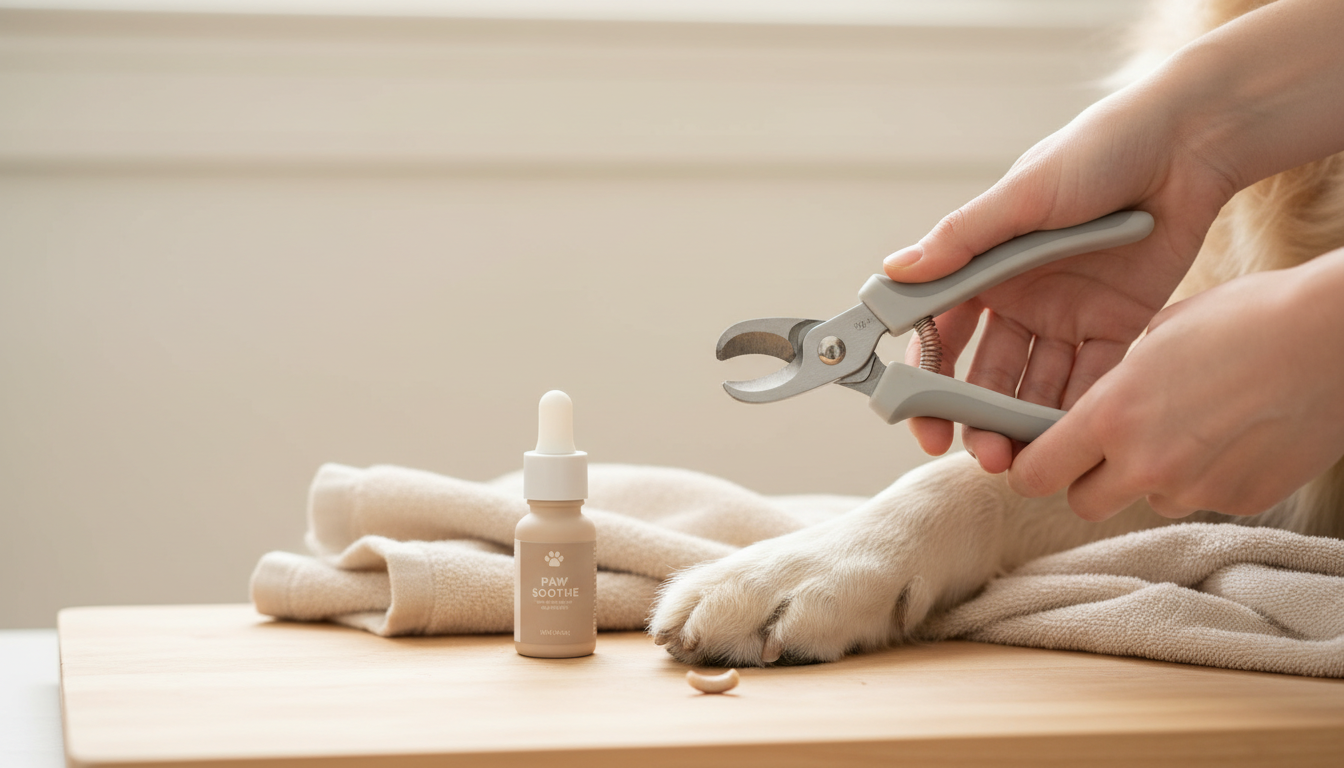
Dog Grooming Nail Clippers: Essential Tools for Paw Health and Maintenance
Why Proper Dog Nail Care is Crucial for Their Well-being
Regular nail maintenance is a fundamental aspect of a dog's overall health and comfort, extending beyond mere aesthetics. Overly long nails can significantly impact a dog's quality of life, leading to various physical issues. When nails grow too long, they can push against the paw pad, causing discomfort and pain with every step. This unnatural pressure can alter a dog's gait, potentially leading to long-term orthopedic problems, joint strain, and poor posture as they compensate for the discomfort. In severe cases, overgrown nails can curl and grow into the paw pad, creating painful wounds susceptible to infection.
To prevent these health complications, dog grooming nail clippers serve as the primary tool for routine paw care. Utilizing sharp, appropriate clippers ensures a clean cut, minimizing stress and discomfort for your dog, unlike dull tools that can squeeze and tear the nail.
This article aims to empower dog owners by providing a comprehensive guide to selecting the safest and most effective nail clippers. We will explore different types of clippers, highlight critical features to consider, and discuss common pitfalls to avoid, all to help you confidently choose the right tool for your dog's specific size, nail type, and temperament.
Navigating the Different Types of Dog Nail Clippers and Grinders
Selecting the appropriate tool for your dog's nail care is a foundational step in ensuring their comfort and safety. The market offers two primary categories for trimming dog nails: traditional clippers and nail grinders. Each type operates differently and presents distinct advantages and considerations, making understanding their mechanics essential for an informed choice.
Traditional nail clippers offer a swift, decisive cut and generally fall into two main styles:
-
Scissor-style (Plier-style) Clippers:
- Mechanics: These clippers resemble a pair of scissors or pliers, featuring a spring-loaded mechanism that helps to open the blades after each cut. The blades come together to sever the nail.
- Suitability: Often favored by professionals, they provide strong leverage and a clean cut when sharp. They are generally effective for a wide range of dog sizes, particularly larger breeds with thick, robust nails that require significant cutting power. Various sizes are available to match different paw dimensions.
- Considerations: While efficient, they require precision to avoid cutting into the quick (the sensitive part of the nail containing blood vessels and nerves).
-
Guillotine-style Clippers:
- Mechanics: With this design, the dog's nail is inserted into a small opening, and a sliding blade moves across to make the cut.
- Suitability: These can offer good control for some users, particularly with medium-sized dogs whose nails fit snugly within the aperture.
- Potential Issues: Guillotine clippers can be prone to common misuse. If the blades become dull, they may squeeze or tear the nail rather than providing a clean cut, causing discomfort. This can also make it harder to achieve a precise cut, increasing the risk of encountering the quick, especially with very thick or very small nails where proper positioning is challenging.
As an alternative to clippers, nail grinders offer a different approach to paw maintenance:
- Nail Grinders:
- Mechanics: These battery-operated tools feature a rotating abrasive head that files down the nail gradually.
- Suitability: Grinders are particularly beneficial for dogs that are nervous about traditional clipping, as they eliminate the sudden pressure and "snip" sensation. They are also highly recommended for dogs with black nails, where the quick is difficult to visualize, as the gradual abrasion reduces the risk of cutting too far. The process creates a smoother, blunter nail edge, which can be more comfortable for the dog and reduce scratching on surfaces.
- Main Drawbacks: Grinding takes more time than clipping and can generate noise and vibration, which some dogs may still find unsettling. They also produce fine nail dust. Cordless models require regular charging, and the abrasive heads need periodic replacement to maintain effectiveness.
Key Factors for Selecting the Best Dog Grooming Nail Clippers
Choosing the right dog grooming nail clippers involves more than just picking a tool; it requires a thoughtful assessment of several critical features that impact safety, effectiveness, and ease of use for both you and your dog. Understanding these factors helps ensure a positive grooming experience and maintains your dog's paw health.
-
Dog Size and Nail Characteristics The size and strength of the clippers must correspond to your dog's build and nail thickness.
- Small Breeds: Often have finer nails, benefiting from smaller, more precise clippers that offer clear visibility and delicate control.
- Medium to Large Breeds: Require robust clippers with strong, sharp blades capable of cleanly cutting through thicker, harder nails without crushing or splintering. Pliers-style clippers are often preferred for their leverage.
- Nail Thickness: Consider the density of your dog's nails. Some breeds naturally have exceptionally hard nails that demand industrial-strength tools, while others have softer nails.
-
Blade Sharpness and Material The quality of the blade is paramount. Sharp blades are crucial for a clean, swift cut, which minimizes discomfort and prevents the nail from tearing or splintering.
- Material: Look for blades made from high-quality stainless steel, which retains sharpness longer and resists rust.
- Maintenance: Even the best blades dull over time. Clippers with replaceable blades or those known for exceptional durability are beneficial. A dull blade can squeeze the nail before cutting, causing pain and a negative association with grooming.
-
Ergonomics and Handle Comfort Your ability to maintain a secure and comfortable grip directly influences control and precision during clipping, reducing the risk of accidents.
- Non-slip Grip: Handles with rubberized or textured surfaces provide better traction, especially if your hands become sweaty.
- Hand Size: Ensure the handles fit comfortably in your hand, allowing for a firm, stable hold without strain.
- Spring Mechanism: A good spring mechanism assists in opening the clippers after each cut, reducing hand fatigue during longer grooming sessions.
-
Safety Features Integrated safety mechanisms are designed to protect both the dog and the owner during nail trimming.
- Quick Guard/Stopper: This small, adjustable guard helps prevent you from cutting too far back into the quick (the sensitive part of the nail containing blood vessels and nerves). While helpful, it should not replace careful observation and knowledge of your dog's nail anatomy.
- Locking Mechanism: A safety lock keeps the clippers closed when not in use, preventing accidental cuts during storage and protecting the blades from damage.
-
Ease of Use Consider your own experience level and comfort with dog grooming tools.
- Visibility: Some clipper designs offer better visibility of the nail, which is particularly helpful for owners new to nail trimming or for dogs with dark nails where the quick is harder to see.
- Simplicity: For beginners, straightforward designs without too many moving parts might be less intimidating and easier to manage.
-
Durability and Build Quality Investing in well-constructed clippers can provide reliable performance over time.
- Construction Materials: Beyond blade material, evaluate the overall construction. Sturdy hinges, robust plastic or metal handles, and solid rivets contribute to a longer lifespan.
- Longevity: Clippers that feel substantial and well-assembled are generally more durable and less prone to breaking or misalignment, ensuring consistent performance.
Overcoming Common Challenges in Dog Nail Trimming
Even with the right tools, dog nail trimming can present several challenges that, if not addressed, can lead to discomfort for your dog or frustration for the owner. Understanding these common pitfalls and how to mitigate them is crucial for establishing a safe and positive grooming routine. Proactive awareness of these issues helps build confidence and ensures effective paw care.
Understanding and Avoiding the Quick
The "quick" is a sensitive part of a dog's nail that contains blood vessels and nerves. Cutting into the quick is painful for the dog and will cause bleeding. To avoid this, always trim small portions of the nail at a time. For lighter-colored nails, the quick appears as a pinkish area visible through the nail. For darker nails, it's less obvious, often appearing as a small, dark, or gray dot in the center of the cut surface. Stopping just before this point is critical.
The Risk of Dull Blades
Using clippers with dull blades poses a significant risk. Instead of providing a clean cut, dull blades can squeeze, crack, or tear the nail, causing discomfort and potential injury. Research indicates that sharp tools make a clean cut, while dull ones can cause tearing, similar to cutting cardboard with dull scissors. This can make the experience painful for your dog and lead to a negative association with nail trimming. Regularly inspecting your clippers for sharpness and replacing them when they become dull is essential for precise, humane trimming.
Managing Dog Anxiety and Fear
Many dogs develop anxiety around nail trimming due to past negative experiences or unfamiliarity. Strategies to alleviate this fear include:
- Positive Reinforcement: Offer treats and praise during and after trimming.
- Gradual Introduction: Start by simply handling your dog's paws, then introduce the clippers without trimming, slowly building up to short trimming sessions.
- Calm Environment: Choose a quiet, comfortable space free from distractions.
- Patience: Never force the process; if your dog becomes too stressed, take a break and try again later.
Importance of Correct Technique
Improper technique can lead to inefficient cuts, missed nails, or accidental injury. Holding the clippers correctly and positioning them at the appropriate angle are fundamental. Generally, clippers should be held perpendicular to the nail, aiming for a 45-degree angle to the paw pad, though this can vary slightly based on your dog's specific nail structure. A firm, confident grip on both the paw and the clippers helps ensure a clean, quick cut.
Specific Challenges with Black Nails
Trimming black nails presents a unique challenge because the quick is not visible from the outside. This significantly increases the risk of cutting too far. For dogs with black nails, nail grinders can be a safer alternative. Grinders allow for gradual removal of the nail, letting you remove tiny layers until you see a small, dark dot or oval appear in the center of the nail, indicating you are close to the quick and should stop. This controlled approach greatly reduces the chance of causing pain or bleeding.
Maintaining Your Dog Nail Clippers for Optimal Performance
Ensuring your dog's nail clippers or grinder remain in prime condition is crucial for both their effectiveness and your dog's safety and comfort. Well-maintained tools provide clean, precise cuts or smooth filing, reducing the risk of discomfort, injury, or fear during grooming sessions. Neglecting maintenance can lead to dull blades that tear the nail or grinders that become inefficient, making the process stressful for both you and your pet.
To sustain optimal performance and extend the lifespan of your grooming tools, consistent care is essential.
-
Cleaning After Each Use Immediately after each grooming session, thoroughly clean your clippers or grinder. This prevents the buildup of nail dust, hair, and debris, which can harbor bacteria and impede the tool's function.
- For clippers, use a small brush or old toothbrush to remove any trapped nail fragments or hair from the blades and hinge. Wipe the blades with an alcohol-soaked cotton pad or a pet-safe disinfectant wipe, then dry them completely with a clean cloth to prevent rust.
- For grinders, detach the grinding head (if possible) and use a brush to clear away nail dust. Wipe down the body of the grinder with a damp cloth, ensuring no moisture enters electronic components.
-
Proper Storage to Prevent Damage How you store your tools directly impacts their longevity and sharpness. Improper storage can lead to dulling, damage, or even rust.
- Always store clippers with their safety lock engaged (if applicable) to protect the blades from accidental contact and prevent injury.
- Keep tools in a designated drawer, a protective case, or a pouch to shield them from impacts that could nick blades or damage the grinder's motor.
- Store them in a dry environment, away from humidity, which can accelerate rust formation on metal components.
-
Assessing Sharpness and Wear Regularly inspecting your tools helps identify when they need attention, ensuring they perform reliably.
- When to Sharpen or Replace Blades: Clippers with dull blades will squeeze and tear the nail rather than providing a clean cut, causing discomfort for your dog. If you notice increased effort is required to cut, or if the nail appears frayed after trimming, it's time to sharpen the blades or replace the clipper entirely. Some scissor-style clippers can be professionally sharpened, while others are designed for replacement.
- When to Replace Grinding Heads: Grinder heads wear down over time, becoming less abrasive and requiring more time and pressure to file the nail. If your grinder is taking longer to achieve results or feels less effective, replace the grinding head according to the manufacturer's instructions.
- Regular Checks for Wear and Tear: Before and after each use, visually inspect your tools. Look for:
- Any visible nicks, rust, or bends on clipper blades.
- Loose screws or wobbly handles that could compromise control.
- Cracks or damage to the housing of a grinder.
- Smooth operation of the spring mechanism on clippers.
By adhering to these maintenance practices, you ensure your dog's nail care tools remain effective, safe, and ready for use, contributing to a positive grooming experience and your dog's ongoing paw health.
Frequently Asked Questions About Dog Nail Clippers
Understanding the nuances of dog nail care can alleviate common concerns and improve the grooming experience for both you and your pet. Here are answers to frequently asked questions regarding dog nail clippers and the trimming process.
How often should I trim my dog's nails?
The frequency of nail trimming varies significantly depending on your dog's activity level, breed, and individual nail growth rate. A general guideline is to trim them when you can hear them clicking on hard floors. For some dogs, this might be every 2-3 weeks, while others may need it monthly. Regular inspection is key; if the nails extend beyond the paw pads, they are likely too long.
Can I use human nail clippers on my dog?
It is strongly advised against using human nail clippers on dogs. Human clippers are designed for flat, relatively thin nails and can crush, split, or cause discomfort to a dog's thicker, rounded nails. Dog-specific clippers are engineered with sharper, stronger blades and an appropriate cutting angle to make a clean, precise cut, reducing the risk of injury or pain.
What's the difference between guillotine and scissor-style clippers?
These are the two main types of manual dog nail clippers, each with a distinct mechanism:
- Scissor-style (Plier-style) Clippers: These operate much like a pair of scissors, with two blades that come together to cut the nail. They typically feature a spring-loaded handle for easier operation and are often preferred for their leverage, making them suitable for dogs with very thick nails.
- Guillotine-style Clippers: These have a small hole through which the dog's nail is inserted. When the handles are squeezed, a blade slides across the hole, severing the nail. Proper technique is crucial for guillotine clippers; they should be held so the blade cuts from the bottom up, with the fixed handle in your palm, to ensure a clean cut and prevent incorrect usage that can lead to tearing.
What if I accidentally cut the quick?
Accidentally cutting the quick (the pink, sensitive part of the nail containing blood vessels and nerves) is a common concern for many owners. If it happens:
- Don't panic: The quick will bleed, but it's rarely life-threatening.
- Apply styptic powder: This specialized powder helps to clot the blood quickly. Apply a small amount directly to the bleeding nail and hold pressure for a few seconds. Cornstarch can serve as a temporary alternative if styptic powder is unavailable.
- Maintain pressure: If bleeding continues, reapply powder and maintain direct pressure on the nail until it stops.
- Comfort your dog: Offer reassurance and treats. While painful, the discomfort is usually brief. Using sharp clippers in the correct size helps minimize the risk of quicking and discomfort.
Are nail grinders a better option for some dogs?
Nail grinders, which use a rotating abrasive head to file down the nail, offer distinct advantages for certain dogs and owners:
- Reduced quicking risk: They remove small layers of nail at a time, making it easier to avoid cutting into the quick, especially beneficial for dogs with black nails where the quick is harder to see.
- Smooth finish: Grinders leave a smooth edge, preventing sharp points that can scratch people or furniture.
- For nervous dogs: Some dogs tolerate the vibration of a grinder better than the sudden pressure of clippers, particularly if they've had a negative experience with clipping.
- Considerations: Grinders can be noisy, generate dust, and the process can take longer than clipping. They also require occasional replacement of grinding heads.
Making the Right Choice for Your Dog's Paw Health
The journey to confident and effective dog nail care culminates in selecting the right grooming tool. This decision is not merely about purchasing an item, but about equipping yourself with the means to consistently support your dog's comfort and long-term health. By understanding the nuances of different clipper types, essential features, and potential challenges, you are better prepared to make an informed choice that aligns with your specific needs.
To ensure you choose wisely and foster a positive grooming experience:
- Prioritize Fit: Consider your dog's size, the thickness and color of their nails, and their temperament. A nervous dog might benefit more from a quiet grinder, while a large dog with robust nails may require heavy-duty scissor-style clippers.
- Assess Your Comfort: Your own dexterity and confidence play a significant role. If you're new to nail trimming, a grinder or clippers with a safety guard might offer more peace of mind.
- Focus on Blade Quality: Regardless of type, sharp blades are paramount. Dull blades can crush or tear the nail, causing pain and discomfort, which can lead to a negative association with grooming.
- Recognize Long-Term Impact: Regular, proper nail trimming prevents a cascade of issues, from painful overgrown nails that affect gait and posture to potential infections. This consistent care contributes significantly to your dog's mobility, joint health, and overall well-being throughout their life.
Ultimately, the best dog grooming nail clippers are those that you can use safely and effectively, providing a stress-free experience for both you and your canine companion. Take the time to evaluate the options against your unique circumstances, ensuring every trim contributes positively to your dog's paw health.
More in Dog Grooming Clippers
View All
Preparing Your Dog for Grooming with Clippers: A How-To Guide for Stress-Free Sessions
Compare how to dog grooming with clippers with a practical informational SEO brief, decision criteria, FAQs, and publishing checks before you commit.
Troubleshooting Common Issues When Grooming Your Dog with Clippers
Compare grooming a dog with clippers with a practical informational SEO brief, decision criteria, FAQs, and publishing checks before you commit.
Country Clippers for Dog Grooming: Built for Durability and Demanding Use
Compare country clippers dog grooming with a practical informational SEO brief, decision criteria, FAQs, and publishing checks before you commit.