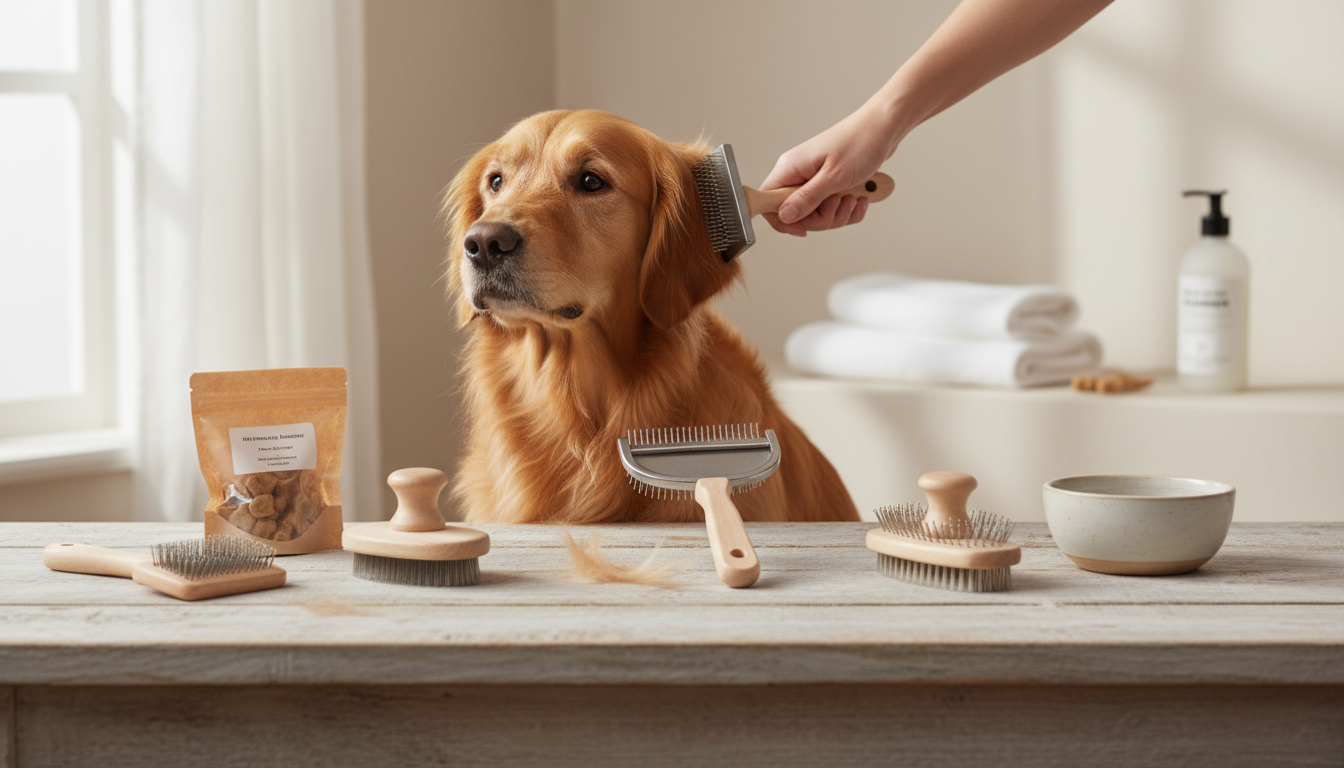
Essential Dog Brushes for Grooming: A Guide for Every Home Pet Owner
The Essential Guide to Dog Brushes for Every Home Groomer
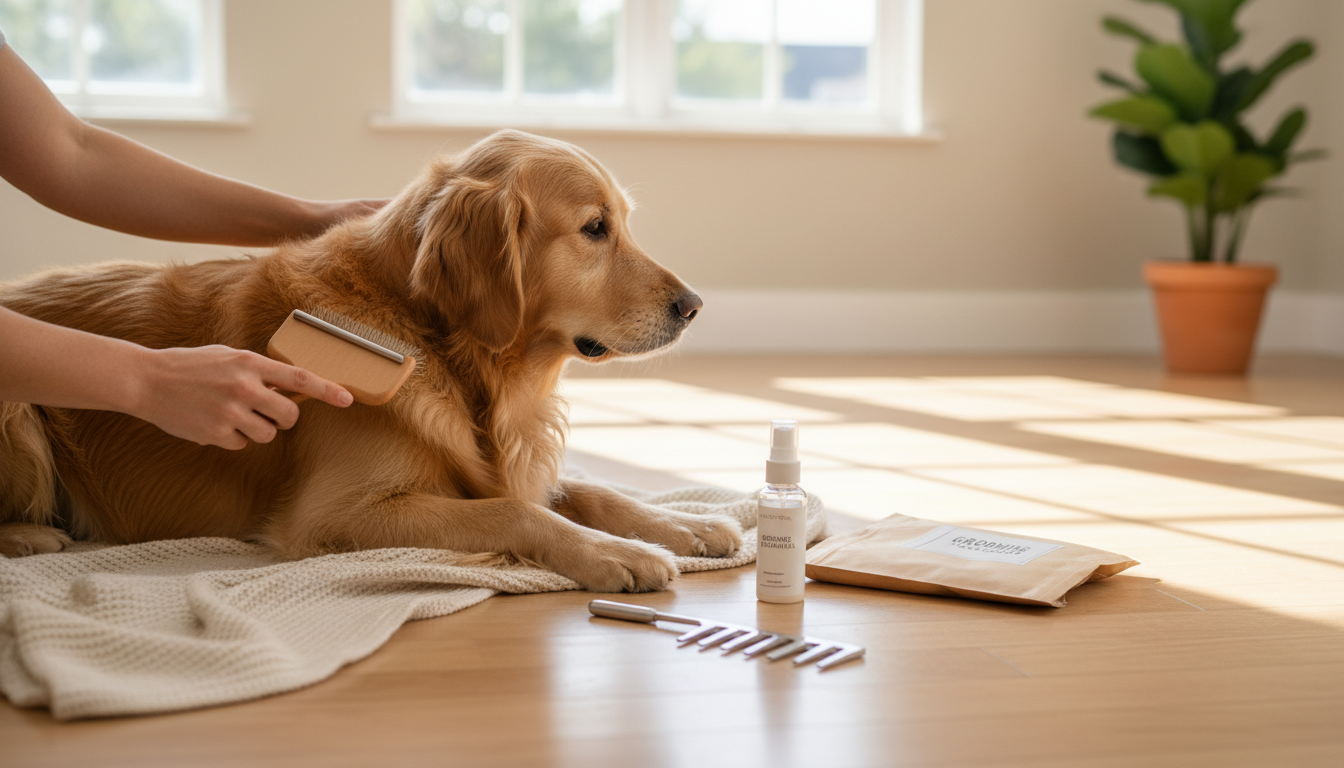
Regular grooming is a fundamental aspect of caring for your dog, directly impacting their health and overall well-being. Beyond maintaining a tidy appearance, consistent brushing helps prevent painful mats, reduces excessive shedding throughout your home, and distributes natural skin oils for a healthier coat. It also offers a valuable opportunity to bond with your pet and regularly check for any skin issues, parasites, or unusual lumps.
Stepping into the world of dog grooming tools can feel overwhelming, with an extensive array of brushes designed for various purposes. From slicker brushes to deshedding tools, pin brushes, and rubber mitts, each type promises specific benefits. Understanding these distinctions is key to effective grooming.
This guide aims to demystify the selection process for home pet owners. Our purpose is to equip you with the foundational knowledge needed to confidently choose the most appropriate dog brushes, ensuring they align perfectly with your dog's unique coat type, size, and your specific grooming priorities.
Understanding Your Dog's Coat: The First Step to Choosing a Brush
Before selecting any grooming tool, recognizing your dog's unique coat type is paramount. This characteristic dictates the specific challenges you'll face and, consequently, the brushes best suited to maintain their skin and fur health. Different coats have varying lengths, textures, and densities, each requiring a tailored approach to prevent common issues like matting, excessive shedding, and skin irritation. Matching the brush to the coat ensures effective grooming without causing discomfort or damage.
Consider these common coat types and their associated grooming needs:
- Short/Smooth Coats: Dogs like Beagles, Boxers, and Greyhounds typically have short, dense fur that lies close to the body.
- Challenges: While less prone to tangles, these coats still shed and benefit from regular brushing to remove loose hair and distribute natural skin oils for a healthy sheen.
- Brush Fit: Rubber curry brushes or bristle brushes are ideal for stimulating circulation and collecting shed fur without irritating the skin.
- Long/Silky Coats: Breeds such as Shih Tzus, Yorkshire Terriers, and Afghan Hounds possess fine, flowing hair that can grow quite long.
- Challenges: These coats are highly susceptible to tangles, knots, and painful mats if not brushed frequently. Breakage can also be a concern.
- Brush Fit: Pin brushes are excellent for gently detangling, while a metal comb is essential for working through smaller knots and checking for missed areas.
- Double Coats: Many breeds, including Golden Retrievers, Huskies, and German Shepherds, have a dense, soft undercoat beneath a coarser topcoat.
- Challenges: Double-coated dogs experience significant seasonal shedding, and their undercoat can easily mat if not properly maintained, leading to skin issues.
- Brush Fit: Slicker brushes are effective for removing loose undercoat and surface mats, often paired with an undercoat rake or deshedding tool to reach the deeper layers.
- Wiry Coats: Terriers like the Airedale or Jack Russell often have a coarse, stiff outer coat with a softer undercoat.
- Challenges: These coats are designed to protect against elements, and proper grooming often involves "stripping" dead hair to maintain texture, though home groomers typically focus on removing loose hair.
- Brush Fit: Slicker brushes can help remove loose hairs and prevent matting in the undercoat, while a firm bristle brush can smooth the topcoat.
- Curly/Wavy Coats: Poodles, Bichon Frises, and many "Doodle" mixes feature tightly curled or wavy fur.
- Challenges: These coats are highly prone to matting close to the skin, which can become severe quickly if neglected.
- Brush Fit: Slicker brushes are crucial for penetrating dense curls and preventing mats, often followed by a pin brush for fluffing and a comb for thoroughness.
Understanding these distinctions ensures that your grooming efforts are effective, comfortable for your pet, and contribute positively to their overall health.
Types of Dog Brushes and Their Specific Purposes
Selecting the correct brush is fundamental to effective and comfortable grooming for your dog. Each brush type is engineered with a specific function in mind, designed to address particular coat structures and grooming challenges. Understanding these distinctions helps home pet owners choose tools that are not only efficient but also prevent discomfort or skin irritation for their companion.
-
Slicker Brushes
- Function: These brushes feature fine, short wires packed closely together on a flat or curved surface. They are highly effective at grabbing loose undercoat, removing mats, and detangling fur.
- Ideal for: Medium to long-haired dogs, those with curly or double coats, and breeds prone to matting. Examples include Golden Retrievers, Poodles, and Shetland Sheepdogs.
- Benefits & Considerations: Slicker brushes excel at breaking up tangles and removing dead hair from dense coats, significantly reducing shedding. However, care must be taken to use a gentle hand, as the wire bristles can scratch the skin if applied with too much pressure, especially on sensitive areas.
-
Bristle Brushes
- Function: Composed of natural or synthetic bristles, similar to human hairbrushes, these brushes are designed to remove loose surface dirt and hair, and to distribute natural oils throughout the coat.
- Ideal for: Short, smooth-coated dogs like Beagles, Boxers, and Greyhounds. They are also useful as a finishing brush for longer coats after detangling.
- Benefits & Considerations: Bristle brushes promote a healthy, shiny coat by spreading natural oils, which can improve skin health. They are generally gentle and stimulating, making them a good choice for daily grooming to maintain coat cleanliness and shine without harsh detangling.
-
Pin Brushes
- Function: Featuring widely spaced, straight, or bent pins with or without protective tips, pin brushes are primarily used for general detangling and fluffing.
- Ideal for: Dogs with long, silky, or curly coats, such as Collies, Afghan Hounds, or Poodles, where a slicker brush might be too harsh for initial passes.
- Benefits & Considerations: These brushes glide through longer coats, helping to separate strands and prevent knots without pulling excessively. They are less effective at removing undercoat or mats compared to slicker brushes but are excellent for maintaining fluff and preventing minor tangles.
-
Rubber Curry Brushes / Grooming Mitts
- Function: Made from rubber or silicone, these tools feature soft nubs or teeth that massage the skin, stimulate circulation, and effectively capture loose hair, especially during baths.
- Ideal for: Short-haired dogs like Labradors, Rottweilers, and Pit Bulls. They are also excellent for use during shampooing to work lather through the coat and remove dead hair.
- Benefits & Considerations: Gentle and non-irritating, rubber curry brushes are perfect for sensitive skin and can turn bath time into a more effective deshedding session. They are easy to clean and provide a pleasant massage for most dogs, making grooming a positive experience.
-
Deshedding Tools (e.g., Furminator-style)
- Function: These specialized tools feature a fine-toothed blade designed to reach deep beneath the topcoat to safely remove loose undercoat hair without cutting the topcoat.
- Ideal for: Dogs with significant undercoats that shed heavily, such as German Shepherds, Huskies, and Samoyeds.
- Benefits & Considerations: Deshedding tools can dramatically reduce shedding by removing large quantities of dead undercoat hair that would otherwise end up on furniture and floors. However, they should be used sparingly and with caution, as over-brushing can irritate the skin or damage the coat. Following manufacturer guidelines for frequency is crucial.
-
Undercoat Rakes
- Function: Designed with long, widely spaced teeth, undercoat rakes penetrate dense topcoats to pull out loose and dead undercoat, particularly in breeds with very thick fur.
- Ideal for: Dogs with thick, double coats, such as Akitas, Newfoundlands, and Bernese Mountain Dogs.
- Benefits & Considerations: These rakes are essential for preventing matting deep within the undercoat and managing shedding in heavily coated breeds. They are effective but require careful use to avoid pulling healthy hair or scratching the skin, especially around bony areas.
-
Metal Combs
- Function: Available in various tooth spacings (fine, medium, coarse), metal combs are versatile tools used for finishing touches, checking for missed tangles, and grooming delicate areas.
- Ideal for: All coat types as a supplementary tool. Particularly useful for long-haired breeds to ensure thorough detangling, and for areas like the face, ears, and tail.
- Benefits & Considerations: A sturdy metal comb is indispensable for confirming that all tangles have been removed after brushing and for precision grooming. It helps to locate small knots that brushes might miss. Ensure the comb's teeth are smooth and free of sharp edges to prevent skin irritation.
Key Considerations Beyond Coat Type for Choosing a Dog Brush
While understanding your dog's coat type is fundamental, successful home grooming also depends on several practical factors that influence brush selection. These considerations ensure comfort and effectiveness for both you and your pet, contributing to a more positive grooming experience.
- Dog Size and Physical Dimensions: The physical size of your dog should directly influence the dimensions of the brush you select. A small brush used on a large breed like a Saint Bernard will make grooming inefficient and prolonged, while an oversized brush can be cumbersome and potentially intimidating for a Chihuahua or similarly small dog. Matching the brush head size to your dog's body allows for more efficient coverage and better control during grooming.
- Ergonomics and Handle Comfort: Grooming sessions, especially for dogs with dense or long coats, can extend for considerable periods. A brush with an ergonomic, comfortable handle is crucial for the groomer. Features like non-slip grips or contoured handles can significantly reduce hand fatigue and improve control, making the process more manageable and less strenuous.
- Material and Durability of Construction: The longevity and effectiveness of a brush depend on the quality of its materials. Evaluate the construction of the bristles or pins, ensuring they are securely set and appropriate for their intended purpose. The handle material should be robust enough to withstand regular use without cracking or breaking, while the overall build should feel sturdy, indicating it can endure the demands of routine grooming.
- Ease of Cleaning the Brush: A brush collects loose hair, dander, and sometimes debris from your dog's coat. A brush that is difficult to clean can accumulate bacteria and become less effective over time. Look for designs that allow for easy removal of trapped hair, such as self-cleaning slicker brushes or those with wide-spaced pins or bristles that can be quickly rinsed or wiped down.
- Dog's Skin Sensitivity and Temperament: Some dogs have naturally sensitive skin, making certain brush types uncomfortable. Others may be nervous or anxious about grooming. For these pets, a brush with softer bristles, rounded pin tips, or a gentle rubber texture can minimize irritation and foster a more positive association with grooming. Observing your dog's reaction to different brush types can guide you toward the most appropriate, least stressful option for their individual needs.
Common Grooming Challenges Solved by the Right Brush
Selecting the appropriate grooming brush is a proactive step in managing common canine coat and skin issues, transforming potential problems into manageable routines. The right tool, used correctly, can significantly reduce discomfort for your pet and simplify your grooming tasks.
-
Tackling Tangles and Mats: Unattended tangles can quickly escalate into painful mats that pull on a dog's skin, harbor moisture, and hide skin infections. Brushes designed for detangling work by gently separating individual hairs and lifting dead undercoat before it can bind together. Slicker brushes, with their fine, angled wires, are effective for removing loose hair and small tangles from various coat types. For longer, more delicate coats, pin brushes can help work through minor knots without excessive pulling. A sturdy metal comb is an essential follow-up tool to ensure all tangles have been addressed, particularly in areas prone to matting like behind the ears, armpits, and leg feathering.
-
Managing Excessive Shedding: All dogs shed, but the volume of loose hair can be significantly reduced with regular grooming. Deshedding tools are specifically engineered to reach through the topcoat and effectively remove loose, dead undercoat hair without damaging the healthy guard hairs. Consistent use of these tools can dramatically decrease the amount of fur found around the home. For short-coated breeds, rubber curry brushes are excellent at loosening and collecting shed fur while providing a gentle massage. Regular brushing, regardless of the tool, is key to capturing loose hair before it disperses throughout your environment.
-
Promoting Skin Health and Coat Shine: Beyond hair removal, brushing plays a vital role in maintaining the overall health and appearance of your dog's coat. The physical act of brushing stimulates blood circulation to the skin, which is crucial for nutrient delivery and healthy hair growth. Additionally, brushes help distribute the natural oils produced by your dog's skin evenly along the hair shaft. This natural conditioning process results in a healthier, shinier coat and can help prevent dryness or flakiness. Bristle brushes are particularly effective for short-coated breeds, as they excel at polishing the coat and spreading these beneficial oils.
-
Potential Risks of Incorrect Brushing: While beneficial, improper brushing can lead to discomfort or even injury. Using a brush with bristles that are too stiff or sharp for your dog's coat type, or applying excessive pressure, can cause skin irritation, redness, or "brush burn." Similarly, a brush that is too small for your dog's size might not cover enough surface area efficiently, leading to prolonged grooming sessions that can be stressful for both pet and owner. Choosing the wrong tool can also snag and pull hair painfully, causing your dog to develop an aversion to grooming. Matching the brush to the coat type and using gentle, consistent strokes are crucial for a positive and effective grooming experience.
Matching the Right Brush to Your Dog: A Quick Decision Guide
Selecting the optimal brush for your dog involves more than just a single tool; it's about building a small kit tailored to their specific coat characteristics and grooming needs. Different brush types are designed to address unique challenges, from removing loose undercoat to preventing mats or simply enhancing shine. Understanding these distinctions allows you to groom effectively and comfortably for your pet.
Here’s a practical guide to help home pet owners choose the right tools based on common coat types:
-
For Short-haired Dogs (e.g., Beagles, Boxers, Greyhounds) These dogs have smooth, close-lying coats that shed consistently. Their primary grooming needs involve removing loose surface hair, stimulating skin, and distributing natural oils for a healthy sheen.
- Recommended Brush Combinations:
- Rubber Curry Brush: Ideal for daily use, especially during baths, to loosen and collect shedding hair and stimulate circulation. Its soft nubs are gentle on the skin.
- Bristle Brush: Excellent for finishing, smoothing the coat, and distributing natural oils to enhance shine. Choose natural bristles for softer coats.
- Why this combination works: The rubber brush handles the bulk of shedding and skin stimulation, while the bristle brush provides a polished finish.
- Recommended Brush Combinations:
-
For Long-haired Dogs (e.g., Shih Tzus, Yorkshire Terriers, Afghan Hounds) Long, often fine, hair is prone to tangling and matting if not maintained regularly. The goal is to prevent knots and keep the coat flowing smoothly.
- Recommended Brush Combinations:
- Pin Brush: Used for general brushing, detangling, and separating longer strands without pulling. Look for pins with rounded tips to protect the skin.
- Slicker Brush: Effective for carefully working out small mats and removing loose hair from the undercoat that can contribute to tangles. Use with a light touch.
- Metal Comb: Essential for checking for any missed tangles or mats, particularly behind ears, under legs, and on the tail. It provides precision for delicate areas.
- Why this combination works: The pin brush gently manages the overall coat, the slicker targets problem areas, and the comb ensures thorough detangling.
- Recommended Brush Combinations:
-
For Double-Coated Dogs (e.g., Huskies, German Shepherds, Golden Retrievers) These breeds possess a dense, soft undercoat beneath a coarser topcoat. They experience significant seasonal shedding, requiring tools that can reach and remove the dead undercoat without damaging the protective outer layer.
- Recommended Brush Combinations:
- Undercoat Rake: Designed with long, widely spaced teeth to penetrate the topcoat and effectively pull out loose undercoat without cutting or damaging the guard hairs. Crucial during shedding seasons.
- Slicker Brush: Useful for removing the remaining loose undercoat and for general tidying of the topcoat.
- Deshedding Tool (used sparingly): Can be highly effective for reducing shedding, but must be used according to instructions to avoid irritating the skin or damaging the coat.
- Why this combination works: The rake targets the deep undercoat, the slicker cleans up closer to the surface, and a deshedding tool can augment undercoat removal when needed.
- Recommended Brush Combinations:
-
For Wiry or Curly-Coated Dogs (e.g., Terriers, Poodles, Bichon Frises) Wiry coats often require stripping or trimming but still benefit from brushing to remove debris and prevent mats. Curly coats can easily mat if the curls are allowed to knot together.
- Recommended Brush Combinations:
- Slicker Brush: Excellent for detangling curly coats and removing loose hair from wiry coats, helping to separate strands and prevent matting.
- Pin Brush: Can be used on curly coats to gently separate curls and fluff the coat without straightening it excessively.
- Metal Comb: Indispensable for meticulously checking for mats in dense or curly areas, especially around the face, paws, and tail.
- Why this combination works: The slicker and pin brushes address the unique texture of these coats, while the comb provides the necessary precision for mat prevention.
- Recommended Brush Combinations:
It's important to remember that many dogs, especially those with mixed heritage or unique coat characteristics, will benefit from a combination of brushes. Starting with a primary tool for overall grooming and adding secondary tools for specific tasks like detangling, deshedding, or finishing will ensure a comprehensive and effective grooming routine. Always observe your dog's comfort and coat response to each tool.
Frequently Asked Questions About Dog Grooming Brushes
Navigating the world of dog grooming tools often leads to practical questions about their use and maintenance. Understanding these common queries can help home pet owners refine their grooming routines and ensure they're using their tools effectively and safely.
-
How often should I brush my dog? The ideal brushing frequency largely depends on your dog's coat type and shedding level. Dogs with long, dense, or double coats may require daily brushing to prevent mats and control shedding. Breeds with short, smooth coats might only need brushing once or twice a week to remove loose hair and distribute natural oils. During shedding seasons, most dogs benefit from more frequent brushing, regardless of coat type. Regularity is key to managing loose fur and maintaining coat health.
-
Can I use a human brush on my dog? It is generally not recommended to use human brushes on dogs. Dog coats and skin differ significantly from human hair and scalps. Human brushes often have bristles or pins that are too stiff, sharp, or spaced inappropriately for a dog's fur, potentially causing skin irritation, scratches, or pulling. Dog-specific brushes are designed with considerations for coat density, skin sensitivity, and hair structure, ensuring a safer and more effective grooming experience for your pet.
-
What's the difference between a deshedding tool and a regular brush? A regular brush, such as a slicker brush or pin brush, primarily works on the outer coat to remove loose surface hair, tangles, and minor mats. It's suitable for daily or frequent grooming to maintain general coat health. A deshedding tool, conversely, is specifically engineered to reach deep into the undercoat and remove loose, dead undercoat hair without cutting the topcoat. These tools are typically used less frequently than regular brushes, often once or twice a week during heavy shedding periods, to significantly reduce the amount of hair shed around the home.
-
How do I clean my dog's grooming brushes? Regular cleaning of your dog's brushes is essential for hygiene and tool longevity.
- Remove hair: After each use, manually pull out as much trapped hair from the bristles or pins as possible. A comb or a specialized brush cleaner can assist with this.
- Wash: Periodically, wash the brush with mild soap (like dish soap or a gentle pet shampoo) and warm water. For slicker brushes, avoid soaking the pad to prevent water damage to the cushion.
- Rinse thoroughly: Ensure all soap residue is rinsed away to prevent skin irritation during future grooming sessions.
- Dry completely: Allow brushes to air dry completely with the bristles facing down to prevent water from collecting in the base, which can lead to rust or mildew. For brushes with fabric or wooden components, ensure they are thoroughly dry before storing.
Empowering Your Home Grooming Routine
The journey through various dog brush types underscores a critical point: effective home grooming begins with informed tool selection. Choosing the correct brush is not merely about owning a tool, but about equipping yourself to address your dog's specific needs with precision and care. This foundational knowledge transforms grooming from a chore into a beneficial ritual, preventing discomfort for your pet and frustration for you.
As you consider the array of options, always return to your dog's unique characteristics. Their coat type, skin sensitivity, size, and even their temperament should guide your decisions. A brush that works wonders for a long-haired breed might be unsuitable, or even harmful, for a dog with a short, smooth coat. Prioritizing this individual fit ensures that each grooming session is productive and contributes positively to your dog's well-being.
Ultimately, consistent and effective grooming, supported by the right tools, is an investment in your dog's health and happiness. Regular brushing helps maintain a healthy coat and skin, reduces shedding in your home, and allows for early detection of potential issues. Beyond these practical benefits, it strengthens the bond you share, making grooming a cherished part of your life together.
More in Dog Grooming Brushes
View All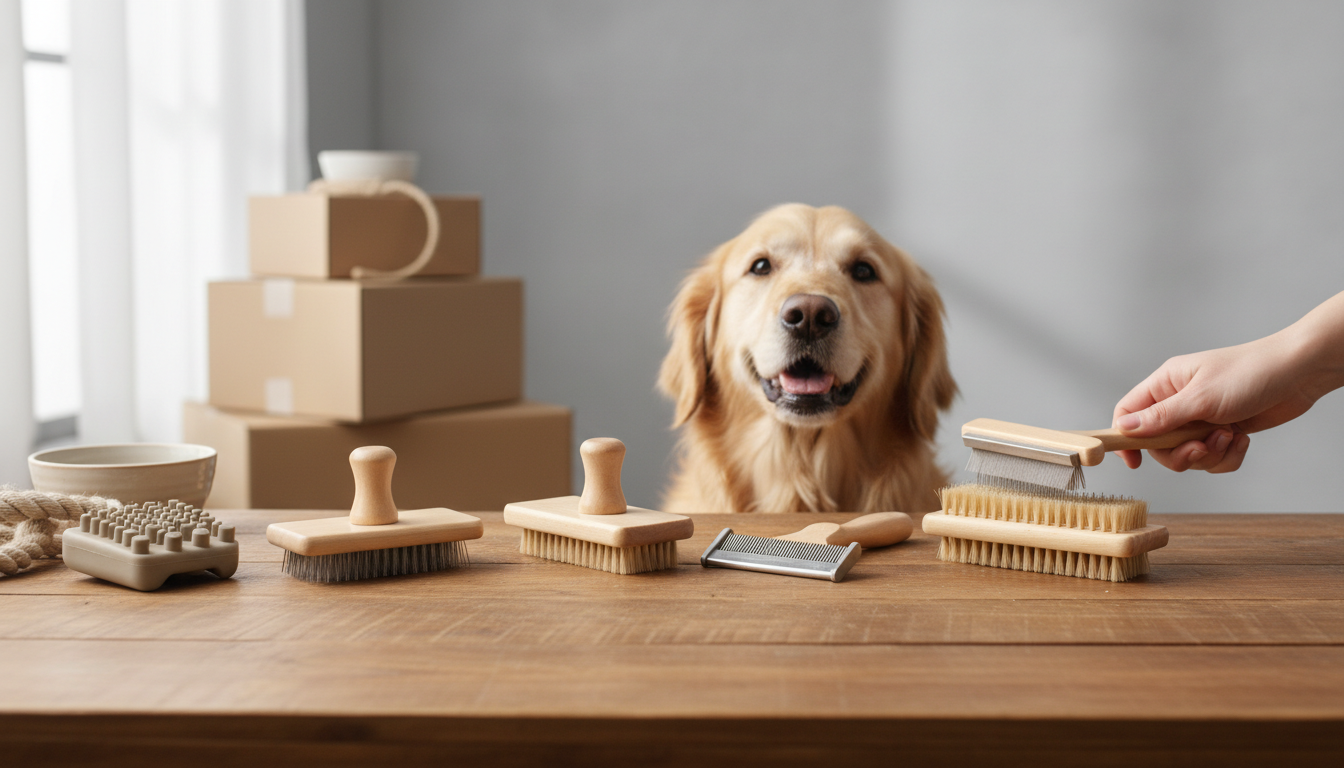
Types of Dog Grooming Brushes: A Comprehensive Guide to Selecting the Right Tool
Compare types of dog grooming brushes with a practical informational SEO brief, decision criteria, FAQs, and publishing checks before you commit.
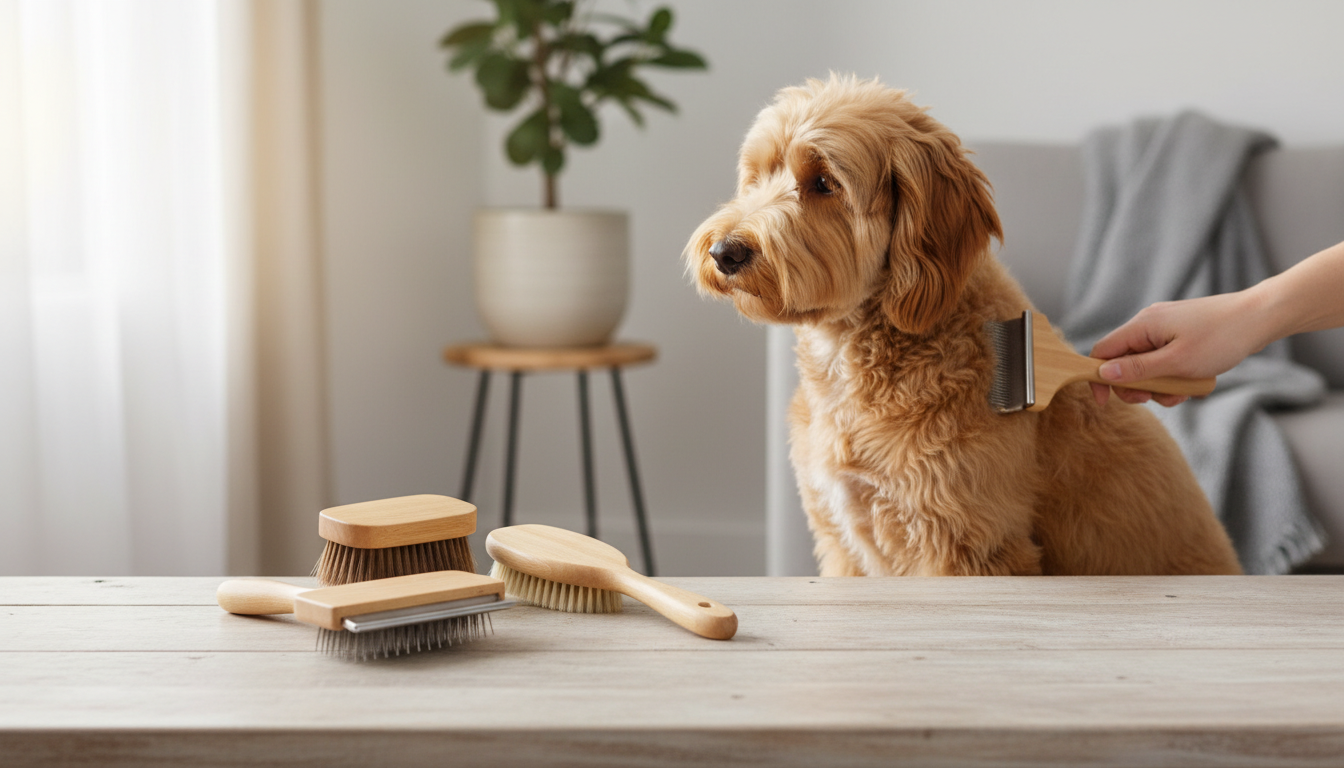
Professional Dog Grooming Brushes for Home Use: Elevating Your Pet's Grooming Routine
Compare professional dog grooming brushes with a practical informational SEO brief, decision criteria, FAQs, and publishing checks before you commit.
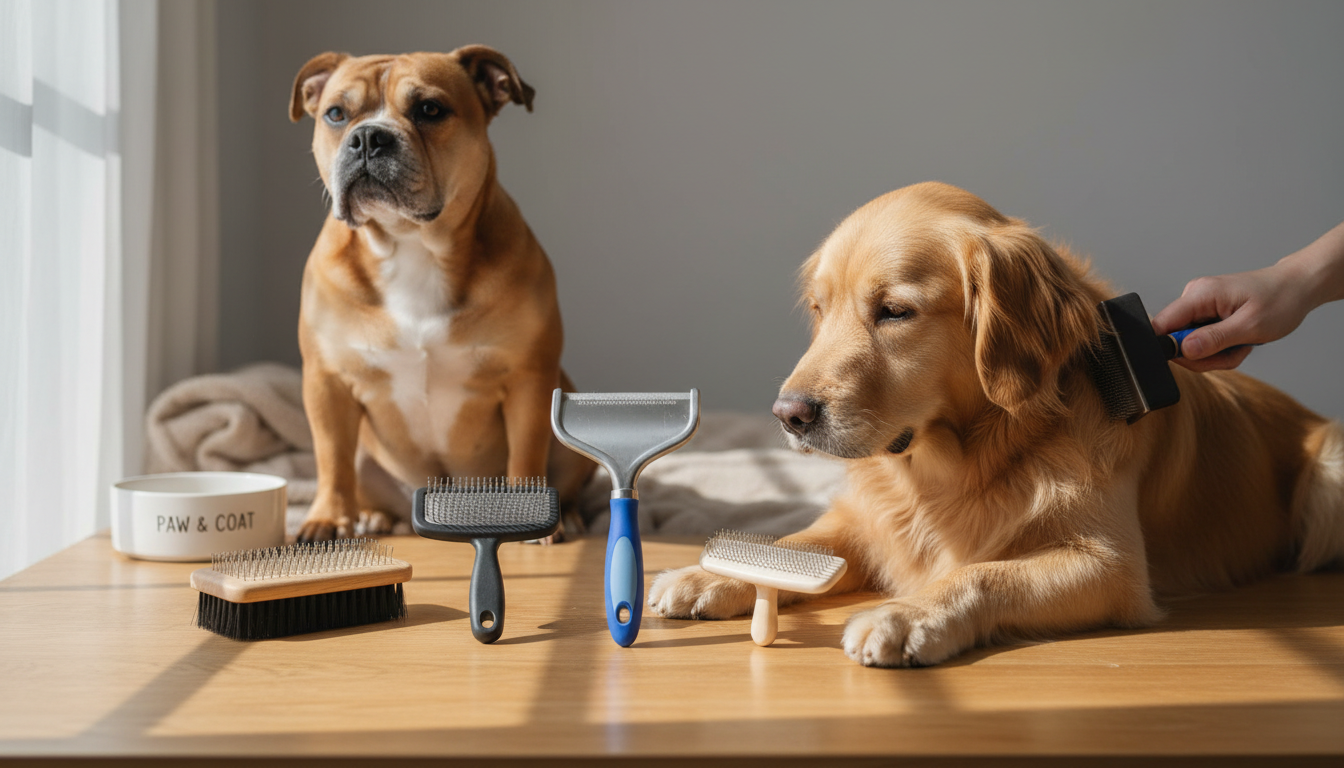
Choosing the Best Dog Grooming Brushes: A Buyer's Guide for Healthy Coats
Compare best dog grooming brushes with a practical commercial SEO brief, decision criteria, FAQs, and publishing checks before you commit.