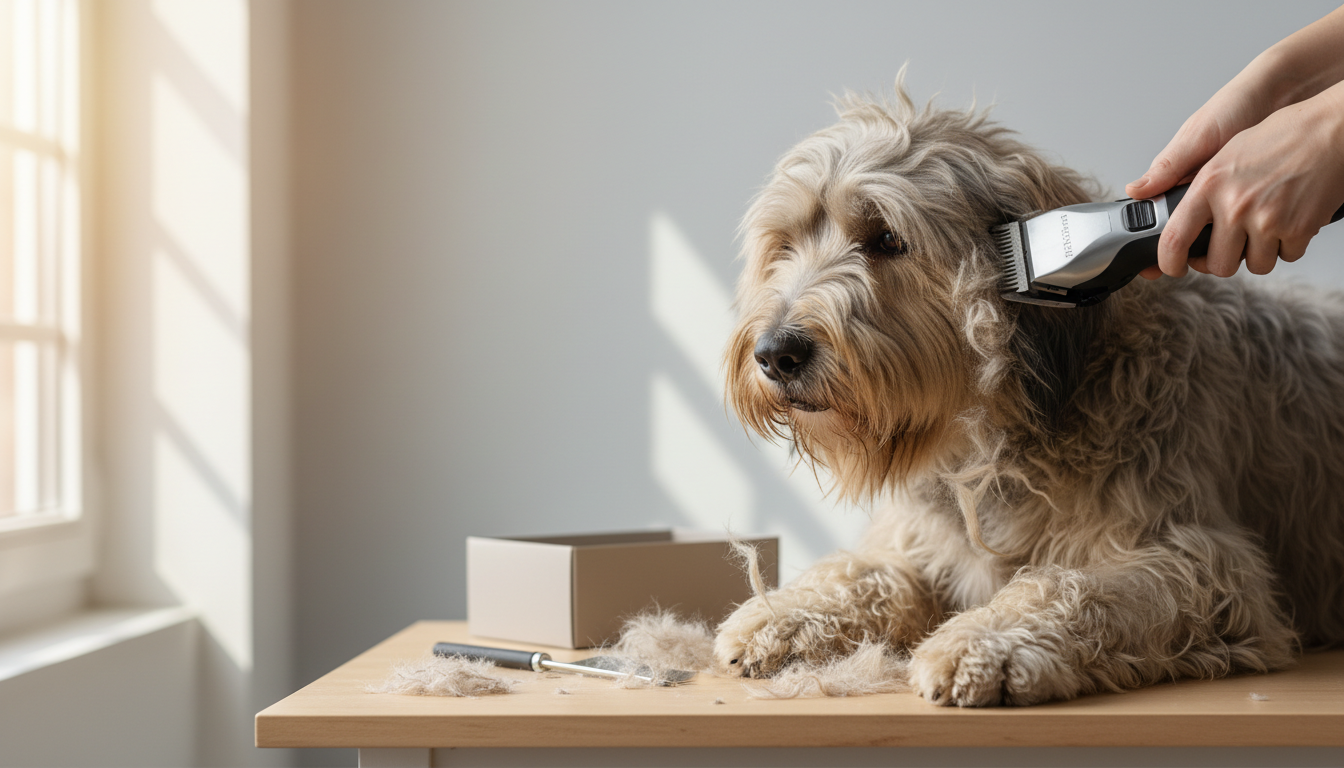
Heavy-Duty Dog Grooming Clippers: Tackling Thick and Matted Coats with Ease
Taming the Toughest Coats: Why Heavy-Duty Dog Grooming Clippers Are Essential
Grooming dogs with dense double coats, thick wiry fur, or stubborn matting presents a significant challenge for many pet owners. These coat types demand more than just a superficial trim; they require specialized tools capable of cutting through substantial hair without snagging or causing discomfort. Standard clippers often lack the motor power and blade resilience to handle such demanding conditions, leading to frustrating stalls, overheating, and an unpleasant experience for both the groomer and the dog.
This is where heavy-duty dog grooming clippers become essential. Engineered with powerful, high-torque motors and durable, sharp blades, these clippers are designed to efficiently and safely tackle the toughest coats. They provide the consistent cutting force needed to glide through thick fur and even some matted areas, ensuring a smoother, more comfortable grooming session for your pet and a less strenuous task for you.
Understanding the specific features and capabilities of these robust tools is key to making an informed choice. This guide will empower you to identify clippers that match your dog's unique coat requirements, focusing on power, durability, and overall suitability, ensuring effective and safe grooming at home.
Decoding "Heavy-Duty": Power, Durability, and Performance Defined
Understanding what distinguishes a "heavy-duty" dog grooming clipper from a standard model is crucial for effectively tackling challenging coats. These clippers are engineered with specific technical and structural characteristics designed for sustained, high-performance use on dense, thick, or matted fur. Their robust nature ensures they can handle demands that would quickly overwhelm less powerful tools.
Key characteristics that define a heavy-duty clipper include:
- Powerful Motor & High Speed: At the core of a heavy-duty clipper is a powerful motor, typically a rotary type, capable of generating significant torque. This power translates into a high number of strokes or rotations per minute (SPM/RPM), often ranging from 2,700 to over 3,400 SPM. This high-speed action is vital for cutting through dense fur efficiently without snagging, pulling, or stalling, which are common issues with less powerful clippers on thick coats. Some models are specifically designed with higher wattage (e.g., 380W) to handle extremely thick double coats.
- Robust Build Quality: Heavy-duty clippers are constructed to withstand regular, demanding use. This includes sturdy, rugged housings made from durable materials that protect internal components from impact and wear. Reinforced power cords are also common, preventing fraying and ensuring consistent power delivery over time. Internally, components are often built to a higher standard, contributing to the clipper's longevity and reliability.
- Effective Heat Management: Extended grooming sessions with powerful motors generate heat. Heavy-duty clippers incorporate cooling mechanisms, such as advanced ventilation systems or specialized motor designs, to dissipate heat efficiently. This prevents the unit from overheating, which can cause discomfort to the dog, reduce clipper lifespan, and necessitate frequent cool-down breaks. A clipper that stays cool during prolonged use is a hallmark of a well-engineered heavy-duty model.
- Detachable Blade System: Versatility is a key benefit, and most heavy-duty clippers feature compatibility with industry-standard detachable blades, such as the A5 type. This allows groomers to easily switch between various blade sizes and types (e.g., ceramic, steel, skip-tooth, finish blades) to suit different coat lengths, textures, and grooming tasks. The ability to quickly remove and replace blades also simplifies cleaning and maintenance, which is essential for hygiene and performance.
Assessing Key Specifications for Heavy-Duty Clippers
Selecting heavy-duty dog grooming clippers requires evaluating several critical specifications to ensure they meet the demands of thick, matted, or double coats. Focusing on these criteria will help identify a tool capable of delivering effective and safe grooming.
-
Motor Power and Speed Versatility Heavy-duty clippers rely on robust motors to maintain cutting efficiency through dense fur. Rotary motors are often favored for their balance of power and consistent torque, which is essential for preventing snags and stalls.
- High Strokes Per Minute (SPM): Look for models with a high SPM, typically ranging from 2,700 to over 3,400, as this directly correlates to cutting speed and effectiveness on challenging coats.
- Speed Settings: Clippers with multiple speed settings offer adaptability. Lower speeds can be beneficial for sensitive areas or for dogs new to grooming, while higher speeds provide the necessary power for thick, matted sections.
-
Construction Durability and User Comfort For prolonged and demanding use, the physical attributes of the clipper are as important as its internal power.
- Robust Materials: Clippers should feature sturdy housing and durable internal components designed to withstand regular, rigorous use. This contributes to the tool's longevity and reliability.
- Ergonomic Design: A comfortable grip, balanced weight distribution, and minimized vibration are crucial for reducing user fatigue during extended grooming sessions. Reduced vibration also contributes to a more positive experience for the dog.
-
Blade Compatibility and Material Choices The blade system is fundamental to a clipper's performance, especially when dealing with challenging coat types.
- Detachable A5-Compatible Blades: This system is a standard for heavy-duty clippers, allowing for quick and easy blade changes. This versatility enables groomers to switch between different blade lengths and types for various coat conditions and body areas. It also facilitates cooling by allowing hot blades to be swapped out.
- Blade Materials:
- Steel Blades: Known for their sharpness and durability, steel blades are a common choice.
- Ceramic Blades: These blades are designed to stay cooler longer due to lower friction, which can enhance comfort for the dog during extended use. However, ceramic can be more prone to chipping if dropped.
-
Power Source: Corded vs. Cordless Operation The choice between corded and cordless impacts both power delivery and operational flexibility.
- Corded Clippers: Provide continuous, consistent power without concerns about battery life or power degradation. They are often preferred for their sustained performance during long or frequent grooming sessions on very thick coats.
- Cordless Clippers: Offer superior mobility and freedom of movement, which can be advantageous for anxious dogs or when grooming in various locations. However, their power output can diminish as the battery drains, and they require recharging.
-
Acoustics and Thermal Management These factors directly influence the dog's comfort and the clipper's operational safety and lifespan.
- Noise Level: While heavy-duty clippers inherently produce some noise, models designed for quieter operation can significantly reduce stress for noise-sensitive dogs.
- Heat Dissipation: Blades generate heat through friction, which can become uncomfortable or even unsafe for the dog. Effective heat dissipation, through design features or the ability to easily swap blades, is critical for preventing overheating and ensuring a comfortable grooming experience.
Matching Your Clipper to Your Dog's Unique Coat Type
The effectiveness of heavy-duty dog grooming clippers hinges significantly on how well their capabilities align with your dog's specific coat characteristics. Not all challenging coats are alike, and a nuanced understanding of your dog's fur type is paramount to selecting a tool that performs optimally without causing discomfort or inefficiency.
Dogs with thick double coats, such as Huskies, Samoyeds, or some German Shepherds, require clippers with substantial motor power and torque to drive through dense undercoat and coarse guard hairs. These coats demand a consistent cutting force to prevent the blades from bogging down or pulling. Similarly, dense curly coats, like those of Poodles or Portuguese Water Dogs, can be incredibly thick and springy, necessitating powerful motors and sharp, appropriate blades to achieve a smooth, even cut without snagging. For these coat types, look for clippers designed for sustained high performance.
When dealing with matted coats, the power requirement escalates further. Mats are tightly woven clumps of fur that can be close to the skin, making them difficult and painful to remove. Heavy-duty clippers with exceptionally strong rotary motors are crucial for carefully cutting through these dense tangles. The choice of blade is also critical; wider or skip-tooth blades might be used initially to break through severe mats before transitioning to finer blades for a smoother finish. Wiry coats, found in breeds like Terriers, are dense and tough, demanding clippers that can withstand the resistance of such stiff hair without losing cutting efficiency.
Using an underpowered or unsuitable clipper for these challenging coats carries several risks and inefficiencies. Clippers that lack sufficient motor strength will often snag, pull, and stall, causing pain and anxiety for your dog. This can lead to a negative association with grooming, making future sessions more difficult. An unsuitable blade type can result in an uneven cut, require multiple passes over the same area, or even cause skin irritation. Furthermore, underpowered motors can overheat quickly when struggling through dense fur, posing a burn risk to your pet and shortening the life of the clipper itself. The entire grooming process becomes prolonged, frustrating, and less effective.
For dogs with sensitive skin or those particularly prone to matting, specific clipper considerations can enhance comfort and safety. Clippers designed with low vibration and quieter operation can reduce stress for anxious or sensitive dogs. Blades that remain cooler during extended use are vital to prevent skin irritation or burns, especially during longer grooming sessions required for thick or matted coats. For dogs that mat easily, consistent grooming with a powerful, reliable clipper is key to prevention, allowing for regular maintenance trims that keep the coat manageable and prevent severe mat formation.
Overcoming Common Grooming Hurdles with the Right Tools
Grooming dogs with dense, matted, or thick double coats often presents a series of challenges for pet owners. Common frustrations include clipper blades quickly clogging with hair, the tool itself overheating uncomfortably, and the painful pulling of hair rather than a clean cut. These issues frequently lead to uneven coat finishes and, crucially, contribute to a dog's anxiety and discomfort during grooming sessions.
Heavy-duty dog grooming clippers are specifically engineered to mitigate these prevalent problems. Their robust, high-torque motors provide the consistent power necessary to cut through dense fur without stalling or snagging, directly reducing instances of painful hair pulling and promoting a more uniform trim. Equipped with sharp, high-quality blades, often crafted from durable materials, these clippers maintain cutting efficiency even through challenging coat textures, minimizing hair accumulation and blockages.
Furthermore, these tools often incorporate efficient cooling systems or designs that facilitate better heat dissipation. This is vital, as the friction from cutting thick coats can cause blades to become excessively hot. The ability to quickly swap blades also allows a hot blade to cool while grooming continues with a fresh one, preventing discomfort for the dog. By addressing overheating, preventing hair pulling, and ensuring smoother operation, heavy-duty clippers significantly reduce a dog's stress, fostering a more positive grooming experience.
While powerful tools are essential, their optimal performance hinges on proper grooming technique. This includes thoroughly preparing the coat by washing, drying, and brushing out any loose hair or minor tangles before clipping. Regular cleaning, oiling, and appropriate maintenance of the blades also maximize efficiency and longevity, transforming demanding grooming tasks into more manageable routines.
Essential Maintenance for Peak Performance and Longevity
Heavy-duty dog grooming clippers are an investment designed to withstand demanding use on challenging coats. Their sustained effectiveness and safety depend significantly on consistent, proper maintenance. Neglecting these routines can lead to reduced cutting efficiency, overheating, premature wear, and a less comfortable experience for your dog. Implementing a clear maintenance regimen ensures your clippers remain a reliable tool for years.
-
Daily Cleaning and Lubrication
- Brush Away Hair: After each grooming session, use a small, stiff brush to remove all loose hair from the blades and the clipper housing. Accumulated hair can impede blade movement and cause overheating.
- Blade Cleaning Solution: Dip the running blades into a specialized blade wash or disinfectant solution for a few seconds. This helps dislodge stubborn hair, dirt, and oils, while also disinfecting the blades. Ensure the clipper is upright to prevent liquid from entering the motor housing.
- Regular Oiling: Apply 2-3 drops of clipper oil across the top of the blades (at the cutting edge and on the rails where the blades meet) before, during, and after each use. Oiling reduces friction, dissipates heat, and prevents rust, which is crucial for maintaining sharp edges and smooth operation, especially with the higher speeds of heavy-duty models.
-
Blade Care and Replacement
- Recognizing Dullness: Blades are dull if they pull or snag hair, leave uneven lines, or require multiple passes to cut effectively. Dull blades generate more heat and can cause discomfort to your dog.
- Sharpening Services: When blades become dull, they often require professional sharpening. Attempting to sharpen them yourself can damage the precise angles needed for effective cutting. Research reputable professional blade sharpening services.
- Timely Replacement: Blades do not last indefinitely. Even with sharpening, they will eventually wear out or become damaged (e.g., chipped teeth). Keeping spare, sharp blades on hand, especially for heavy-duty work, allows for immediate replacement, preventing interruptions and ensuring consistent grooming quality.
-
Proper Storage Techniques
- Clean and Dry: Always ensure clippers and blades are thoroughly cleaned, disinfected, and completely dry before storing. Moisture can lead to rust and corrosion.
- Protective Casing: Store your clippers in their original case or a dedicated protective storage box. This shields them from dust, dirt, and accidental impacts that could damage the motor or delicate blade components.
- Controlled Environment: Keep clippers in a dry area away from extreme temperatures or humidity. Basements, bathrooms, or unheated garages are often unsuitable due to potential moisture or temperature fluctuations.
-
Basic Troubleshooting for Common Issues
- Reduced Cutting Efficiency: If clippers are pulling hair or cutting poorly, first check if the blades are clean, oiled, and sharp. Ensure the tension spring (if applicable) is correctly set. Confirm the dog's coat is clean, dry, and free of tangles, as dirty or matted fur can severely impede even powerful clippers.
- Excessive Heat: Blades heating up quickly is often a sign of friction from insufficient oiling or dull blades. Apply cooling spray, re-oil, or swap to a fresh, sharp blade. Taking short breaks during extended grooming sessions also allows blades and the motor to cool down.
- Unusual Noise or Vibration: A sudden change in sound or increased vibration can indicate a need for lubrication, a loose blade drive, or internal motor issues. Ensure blades are properly seated. If the problem persists after basic checks, professional inspection may be necessary.
Frequently Asked Questions About Heavy-Duty Dog Grooming Clippers
Understanding the nuances of heavy-duty clippers can clarify your grooming approach and ensure you select the right tool for your dog's challenging coat. Here are answers to common questions that arise when considering these powerful grooming devices.
What makes a clipper 'heavy-duty' versus a standard clipper?
Heavy-duty clippers are distinguished by their robust construction and powerful motor, designed to handle dense, thick, or matted coats without stalling or overheating. Unlike standard clippers, which might suffice for lighter coats or touch-ups, heavy-duty models typically feature:
- High-Torque Motors: Often rotary motors with higher revolutions per minute (RPM) or strokes per minute (SPM), delivering consistent cutting power through tough fur.
- Durable Build: Constructed with sturdy housings and internal components to withstand extended use and the demands of thick coats.
- Heat Management: Engineered to dissipate heat more effectively, though blades still require cooling and oiling during use.
- Blade Compatibility: Often compatible with a wider range of detachable A5-style blades, allowing for various cutting lengths and materials suited for different coat types.
These features enable heavy-duty clippers to maintain performance where standard clippers would falter, ensuring a smoother and more efficient groom.
Can heavy-duty clippers be used on all dog coat types?
While powerful, heavy-duty clippers are primarily designed for dogs with challenging coats such as thick double coats, dense wiry fur, or those prone to matting. They can be used on various coat types, but it's crucial to select the appropriate blade for the specific coat texture and desired length. Using a coarse blade on a fine coat, for instance, might not yield the best finish. For very fine, delicate, or sparse coats, a heavy-duty clipper might be overkill or too large for precision work in sensitive areas. Always ensure the coat is clean, dry, and brushed before clipping to prevent blade dulling and snagging, regardless of the clipper's power.
How often should I clean and oil my heavy-duty clipper blades?
Proper maintenance is critical for the performance and longevity of your heavy-duty clipper blades. Blades should be cleaned and oiled before, during, and after each grooming session. During extended grooming sessions, especially with thick or matted coats, blades can heat up due to friction. Cleaning away accumulated hair and applying clipper oil every 10-15 minutes of continuous use helps to:
- Reduce friction and heat buildup.
- Maintain cutting efficiency.
- Prevent rust and extend blade life.
- Ensure a smoother, more comfortable experience for your dog.
After each session, thoroughly clean the blades with a brush, disinfect if necessary, and apply a final coat of oil before storage.
What are the main differences between corded and cordless heavy-duty clippers?
The primary distinction between corded and cordless heavy-duty clippers lies in their power source and resulting operational characteristics:
- Corded Heavy-Duty Clippers:
- Consistent Power: Offer continuous, unwavering power output, ideal for long grooming sessions or multiple dogs without worrying about battery drain.
- Durability: Often feature robust designs, making them salon staples.
- Weight: Can be slightly heavier due to the motor and lack of battery.
- Mobility: Limited by the length of the power cord.
- Cordless Heavy-Duty Clippers:
- Flexibility & Mobility: Provide unrestricted movement, which is beneficial for anxious dogs, hard-to-reach areas, or grooming in various locations.
- Battery Life: Operate on rechargeable batteries, meaning grooming time is limited by battery capacity and charge time. Some models offer swappable battery packs.
- Weight: Generally lighter and more ergonomic due to battery placement and design.
- Power: While powerful, sustained high-torque performance on extremely dense coats might be slightly less consistent than a direct corded connection over very long periods.
The choice often comes down to balancing sustained power and unlimited runtime (corded) against maximum maneuverability and convenience (cordless).
Making Your Confident Choice: The Right Heavy-Duty Clippers for Your Dog
You've navigated the essential considerations for selecting heavy-duty dog grooming clippers, understanding that not all tools are created equal when facing thick, dense, or matted coats. The journey to effective home grooming for challenging fur types culminates in an informed decision, one that prioritizes both your dog's comfort and the longevity of your grooming equipment.
To confidently choose, remember the foundational elements:
- Motor Power and Torque: This is the heart of a heavy-duty clipper, ensuring it can cut through substantial fur without snagging or stalling. Look for robust rotary motors with sufficient SPM for your dog's coat density.
- Durability and Build Quality: A well-constructed clipper with sturdy housing and internal components is an investment. It withstands the demands of frequent, intensive use, preventing premature wear and tear.
- Blade Compatibility and Material: Detachable, high-quality blades designed for specific coat types are crucial. Ceramic or cryogenically treated steel blades maintain sharpness longer and dissipate heat more effectively, enhancing safety and efficiency.
By prioritizing these factors, you secure more than just a grooming tool; you invest in a smoother, less stressful experience for your dog and a more efficient process for yourself. An informed choice leads to effective grooming sessions, reducing discomfort from pulling or overheating, and ensuring your clippers remain a reliable part of your pet care routine for years to come. Apply these criteria to evaluate your options, and confidently select the heavy-duty clippers that will meet the unique demands of your dog's coat with ease.
More in Dog Grooming Clippers
View All
Preparing Your Dog for Grooming with Clippers: A How-To Guide for Stress-Free Sessions
Compare how to dog grooming with clippers with a practical informational SEO brief, decision criteria, FAQs, and publishing checks before you commit.
Troubleshooting Common Issues When Grooming Your Dog with Clippers
Compare grooming a dog with clippers with a practical informational SEO brief, decision criteria, FAQs, and publishing checks before you commit.
Country Clippers for Dog Grooming: Built for Durability and Demanding Use
Compare country clippers dog grooming with a practical informational SEO brief, decision criteria, FAQs, and publishing checks before you commit.