Mastering At-Home Dog Grooming: Choosing the Best Clippers for Your DIY Setup
Unlock the Benefits of At-Home Dog Grooming with the Right Clippers
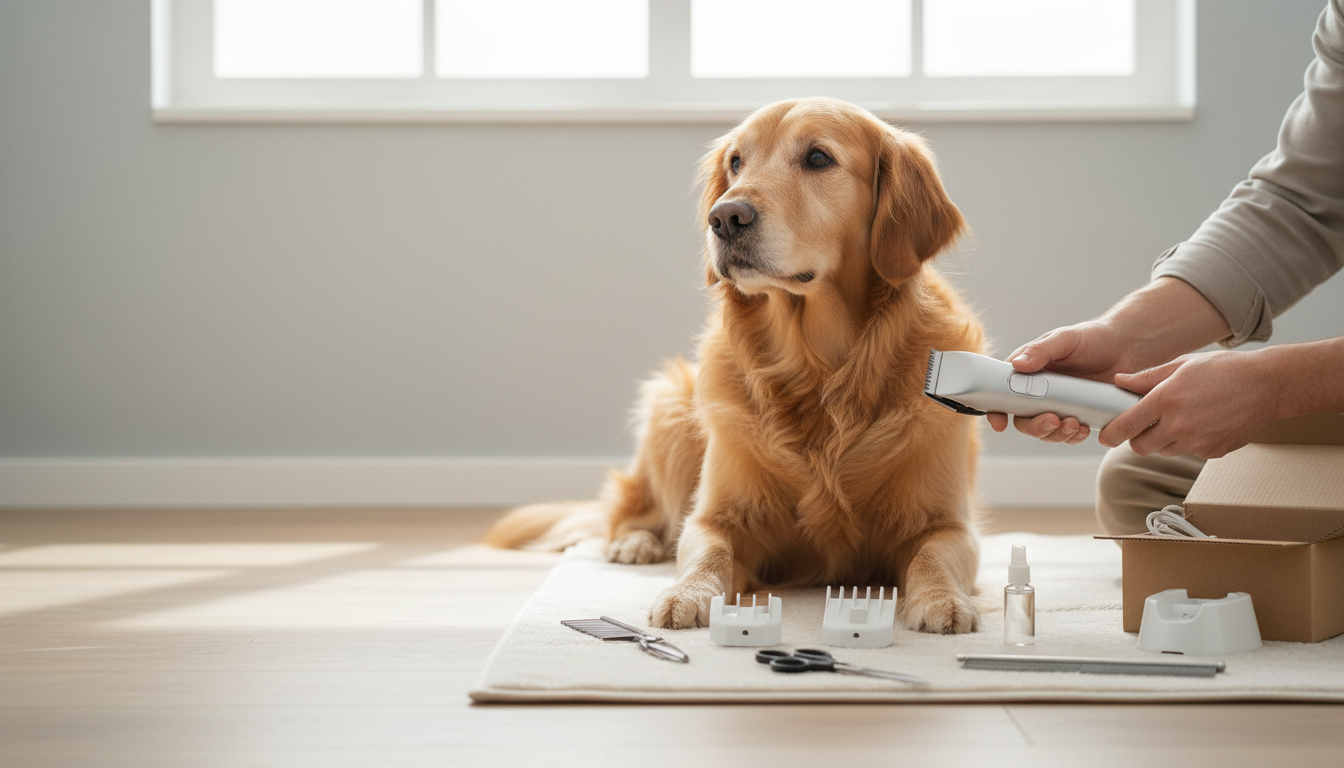
The appeal of grooming your dog at home is growing, offering a unique blend of convenience, cost savings, and an opportunity to strengthen your bond with your pet. Many pet parents are discovering the satisfaction of maintaining their dog's coat themselves, avoiding scheduling conflicts and the recurring expense of professional groomers. This DIY approach allows for a more personalized grooming experience, tailored to your dog's comfort and your schedule.
However, a successful at-home grooming setup hinges on selecting the correct tools, with clippers being paramount. It's crucial to understand that dog grooming clippers are fundamentally different from those designed for human hair. As veterinarian Amy Fox, DVM, notes, "Dogs generally have more hair compared to the hair on our heads, so a human clipper is not designed to handle that." Using human clippers on a dog can lead to ineffective cutting, fur pulling, and quickly clogged blades, creating a frustrating and potentially uncomfortable experience for your pet.
This guide is designed to empower you with the knowledge to confidently navigate the options available. By understanding key criteria, potential trade-offs, and how to match clippers to your dog's specific coat type and your grooming frequency, you'll be equipped to choose the best clippers for an effective, safe, and stress-free at-home grooming journey.
Before You Buy: Understanding Your Dog's Unique Grooming Profile
Embarking on at-home dog grooming begins not with browsing clippers, but with a thorough assessment of your dog. Their individual characteristics directly dictate the type of clipper that will offer the most effective, safest, and least stressful grooming experience. Taking the time to understand these nuances will prevent frustration and ensure a successful DIY setup.
-
Coat Type Matters Your dog's fur is the primary factor influencing clipper choice. Different coat textures and densities require varying motor strengths and blade configurations.
- Thick or Double Coats: Breeds with dense undercoats or thick fur (e.g., Huskies, Golden Retrievers) often demand powerful rotary motors and sharp, durable blades to cut through without snagging. Attempting to use underpowered clippers can lead to pulling, discomfort, and overheating.
- Fine or Silky Coats: Dogs with fine, single-layer coats (e.g., Shih Tzus, Maltese) might tolerate less powerful motors, but still benefit from sharp blades to achieve a smooth finish without leaving track marks.
- Curly or Woolly Coats: Poodles and other curly-coated breeds require robust clippers designed to handle their dense, springy fur, which can easily mat. Detachable blade systems are often preferred for their versatility in length and ease of cleaning.
- Matted Fur: Severely matted fur presents a significant challenge. While clippers can help, extreme matting often requires professional intervention or specialized techniques with short blades, as attempting to clip through dense mats can be painful and dangerous for your dog.
-
Dog Size and Grooming Area The physical size of your dog and the extent of your grooming ambitions influence clipper ergonomics and battery life considerations.
- Full-Body Grooms on Large Breeds: Grooming a large dog from head to paw requires a clipper that is comfortable to hold for extended periods, has a powerful motor to prevent bogging down, and potentially a longer battery life if cordless. Overheating can be a concern with prolonged use, making models designed for continuous operation more suitable.
- Small Dogs or Targeted Trims: For smaller dogs or specific areas like paws, face, or sanitary regions, a lighter, more compact clipper might be easier to maneuver. Precision trimmers are often ideal for these delicate spots.
-
Temperament & Noise Sensitivity A dog's reaction to noise and vibration is a critical factor for a positive grooming experience.
- Nervous or Anxious Dogs: For dogs prone to anxiety, clippers with quiet motors and low vibration are crucial. These features help minimize stress and make the grooming process less intimidating. Many cordless clippers are designed with quieter operation in mind.
- Tolerant Dogs: While a calm dog might not be as affected by noise, a quieter, smoother-running clipper still contributes to a more pleasant environment for both pet and owner.
-
Grooming Frequency How often you plan to groom your dog directly impacts the durability and power requirements of your clippers.
- Occasional Touch-Ups: If you only plan to groom every few months for minor touch-ups, a less heavy-duty clipper might suffice. These models are often more affordable but may not withstand frequent, prolonged use.
- Regular, Extensive Grooming: For weekly or bi-weekly full-body grooms, investing in a more durable, powerful clipper with a robust motor is advisable. These clippers are designed for longevity and consistent performance, reducing the risk of motor malfunction or overheating that can occur with continuous use.
Decoding Dog Clipper Features: What to Look for in At-Home Models
Once you've assessed your dog's coat type and grooming needs, the next step involves understanding the technical specifications and features that differentiate dog clippers. Each component plays a role in performance, durability, and your pet's comfort during grooming. Evaluating these elements will help you select a tool that aligns with your specific requirements for an effective at-home setup.
-
Motor Power and Type The motor is the heart of your clipper, determining its cutting ability, especially through dense or matted fur.
- Rotary Motors: These motors offer consistent power and speed, making them highly effective for general-purpose grooming and tackling thick, challenging coats. They operate with a direct drive system, providing continuous cutting force.
- Pivot Motors: Operating at a lower blade speed but with higher torque, pivot motors are often suitable for lighter to medium coats and can cut through wet or damp fur effectively.
- Magnetic Motors: Typically found in more basic models, magnetic motors offer a simpler design and are generally best for fine hair or touch-up work, less ideal for heavy-duty grooming.
-
Blade Quality and Material The blades are the primary interface with your dog's fur, directly impacting the cut's quality and your pet's safety.
- Ceramic Blades: Known for staying cooler during extended use, ceramic blades reduce the risk of "clipper burn" on your dog's skin. They are also rust-resistant but can be more brittle than steel.
- Steel Blades: Durable and capable of maintaining a sharp edge, steel blades are a reliable choice. However, they can heat up more quickly than ceramic and require regular oiling to prevent rust and ensure smooth operation.
- Detachable Blades: Clippers with detachable blades offer versatility, allowing you to easily swap out different blade sizes for various cutting lengths or to clean and maintain them effectively. This also enables you to use specialized blades for specific coat types.
- Adjustable Blades: Some clippers feature an adjustable lever or dial that allows for quick changes in cutting length without needing to switch out the entire blade. This is convenient for blending or creating different lengths on the same dog.
-
Corded vs. Cordless Operation Your choice here impacts power consistency, mobility, and convenience during grooming.
- Corded Clippers: These provide continuous, consistent power, eliminating concerns about battery life or power fade during long grooming sessions. However, the cord can restrict movement and pose a tripping hazard.
- Cordless Clippers: Offering superior maneuverability and freedom of movement, cordless clippers are excellent for anxious pets or grooming in various locations. The primary trade-off is reliance on battery life, which can vary significantly and may require recharging mid-groom for some models.
-
Noise and Vibration Levels For many dogs, the sound and feel of clippers can be a source of anxiety.
- Pet Comfort: Lower noise and vibration levels are crucial for a less stressful grooming experience, especially for sensitive or first-time groomed pets. Clippers designed with quiet motors and minimal vibration can help keep your dog calmer and more cooperative.
-
Ergonomics and Weight Grooming can be a time-consuming task, and the design of your clippers affects your comfort and control.
- User Comfort: Clippers that are lightweight, well-balanced, and feature an ergonomic grip reduce hand fatigue, allowing for better control and precision, particularly during longer grooming sessions. This can make the DIY grooming process more enjoyable for you.
-
Included Accessories A comprehensive set of accessories can enhance your grooming capabilities and value.
- Guide Combs: These plastic or metal attachments snap onto the blade, allowing you to achieve consistent cutting lengths across your dog's coat. A variety of sizes is essential for different areas of the body and desired styles.
- Maintenance Tools: Essential items like clipper oil and a cleaning brush are critical for maintaining blade sharpness, reducing friction and heat, and extending the lifespan of your clippers.
- Grooming Scissors: Often included in kits, a good pair of grooming scissors can be invaluable for finishing touches, trimming sensitive areas, or tackling mats that clippers can't safely handle.
Avoiding Common At-Home Grooming Clipper Mistakes and Frustrations
Embarking on at-home dog grooming can be rewarding, but it also comes with potential pitfalls that can lead to frustration for you and discomfort for your dog. Understanding and proactively addressing these common issues will contribute to a safer, more effective, and less stressful grooming experience.
-
The Danger of Human Clippers While the initial thought of using human clippers might seem convenient, they are fundamentally unsuitable for canine coats and pose significant risks. Dog fur is typically thicker, denser, and often has a different texture than human hair, requiring specialized motors and blade designs. Using human clippers can lead to ineffective cutting, painfully pulling your dog's fur, and quickly overheating, which can cause skin irritation or even burns. This can turn a necessary grooming session into a traumatic experience for your pet and potentially result in costly veterinary care for injuries.
-
Dull Blades and Poor Cuts One of the most frequent causes of poor grooming results and canine discomfort is dull clipper blades. Blades naturally dull over time with use, even with proper care.
- Signs of Dullness: You'll notice the clippers pulling or snagging fur instead of cutting cleanly, requiring multiple passes over the same area for an even cut, or visible signs of wear like rust, chips, or broken teeth on the blades.
- Solutions: Regularly inspect your blades. Professional sharpening services can extend their life, but eventually, blades will need to be replaced. Proper cleaning and oiling after each use also help maintain blade sharpness and longevity.
-
Clipper Overheating Continuous use without breaks can cause clipper motors and blades to overheat, particularly with less powerful models or during long grooming sessions.
- Causes: This often stems from an overworked motor, insufficient lubrication of the blades, or a buildup of hair clogging the clipper mechanism.
- Prevention: To prevent overheating, allow your clippers to rest periodically, especially during longer grooming sessions. Regularly clean out trapped hair, ensure blades are properly oiled, and consider using a coolant spray designed for clippers. If the clipper feels warm to the touch, stop immediately to prevent discomfort or burns to your dog's skin.
-
Improper Blade Alignment Incorrectly aligned blades can significantly impact cutting performance and safety. When blades are not properly seated or aligned, they can cause uneven cuts, snag fur, and increase the risk of nicking your dog's skin. Always ensure blades are correctly attached and aligned according to the manufacturer's instructions before starting a grooming session.
-
Lack of Maintenance Neglecting routine clipper maintenance is a direct path to poor performance and premature equipment failure. Clippers require consistent care to function optimally.
- Essential Steps: After each use, thoroughly clean all hair from the blades and clipper housing. Apply clipper oil to the blades as directed by the manufacturer to reduce friction and heat. Store your clippers in a clean, dry place to prevent rust and damage. Consistent maintenance prolongs the life of your clippers and ensures they are ready for the next grooming session.
-
Causing Injury or 'Clipper Burn' The most critical concern for at-home groomers is the potential for injuring their dog. 'Clipper burn' refers to skin irritation or burns caused by hot blades or excessive friction, while nicks and cuts can occur from improper technique or dull/misaligned blades.
- Prevention: Always use the correct blade length for your dog's coat and skin sensitivity. Maintain a light, even pressure, and move the clippers smoothly with the grain of the fur. Be extra cautious around sensitive areas like ears, paws, and underarms. If the blades become hot, stop and allow them to cool or switch to a fresh, cool blade. Careful, deliberate technique is paramount to ensuring your dog's safety and comfort.
Making Your Choice: Matching Clippers to Your Grooming Style and Budget
Selecting the right clippers for your at-home grooming setup involves synthesizing your dog's unique needs with your personal grooming preferences and financial considerations. This final decision-making step ensures you acquire a tool that performs effectively, fits your routine, and provides long-term value.
Balancing Power, Noise, and Portability
The ideal clipper often represents a compromise between several key performance attributes. Each factor influences the grooming experience for both you and your dog:
- Power: Clippers with robust motors are essential for efficiently cutting through dense, matted, or thick coats without snagging. Higher power often translates to a smoother, faster groom, reducing stress for your dog.
- Noise and Vibration: For anxious or noise-sensitive dogs, lower noise and vibration levels are paramount. While powerful motors can sometimes be louder, advancements have led to quieter, yet effective, models. You may need to prioritize a quieter operation over maximum power if your dog reacts poorly to sound.
- Portability (Corded vs. Cordless): Cordless clippers offer freedom of movement and are ideal for grooming in various locations or for dogs that are easily tangled by cords. However, they rely on battery life, which can be a limitation for longer grooming sessions or multiple dogs. Corded clippers provide consistent, uninterrupted power, often with greater motor strength, but restrict your movement.
Navigating these trade-offs means considering your dog's temperament and coat, as well as the typical duration and location of your grooming sessions.
Budget Considerations
Your budget plays a significant role in your selection, but it's important to view clippers as an investment in your dog's health and comfort.
- When to Invest in a Robust Model: If you have a dog with a demanding coat (e.g., thick, curly, prone to matting), plan to groom frequently, or have multiple dogs, investing in a more powerful, durable model is often cost-effective in the long run. These clippers typically offer superior motor quality, more versatile blade options, and better heat management for extended use.
- When a Basic Starter Kit Suffices: For occasional trims, dogs with simpler coat types, or if you're new to at-home grooming and testing the waters, a basic kit can be a suitable starting point. These kits often include essential accessories and provide adequate performance for lighter grooming tasks.
Complete Kits vs. Individual Components
Deciding between an all-in-one grooming kit and purchasing individual clipper components has distinct advantages and disadvantages:
- Complete Kits: These often provide clippers, multiple guide combs, scissors, oil, and a cleaning brush in one package. They offer convenience and can be more budget-friendly initially. They are excellent for first-time groomers as they provide a foundational set of tools.
- Individual Components: Opting for clippers and accessories separately allows for greater customization. You can select a higher-quality clipper motor, specific blade types, and specialized combs tailored precisely to your dog's coat and your grooming needs. This approach is beneficial for experienced groomers or those with very specific requirements.
Durability and Longevity
The lifespan of your clippers depends on their construction and how well they are maintained.
- Quality of Materials: Clippers with durable motor components and high-quality blades (e.g., ceramic or high-carbon steel) generally offer better longevity.
- Maintenance: Proper care is crucial. Regular cleaning, oiling blades, and ensuring correct blade alignment can prevent common issues like dullness, overheating, and motor malfunctions. Allowing clippers to cool during long sessions also extends motor life.
A Final Decision Checklist
Before finalizing your purchase, ask yourself these key questions:
- Does the clipper's power match my dog's coat type and density?
- Is the noise level acceptable for my dog's temperament?
- Do I need the portability of cordless, or is consistent power of corded preferred?
- Does my grooming frequency justify a more robust investment, or is a basic model sufficient?
- Will a complete kit meet all my initial needs, or do I require specific, higher-quality individual components?
- Am I prepared to perform the necessary maintenance to ensure the clippers' longevity?
Your Questions About At-Home Dog Grooming Clippers Answered
Navigating the world of at-home dog grooming can bring up several practical questions. Here are concise answers to common inquiries to help you confidently manage your DIY grooming setup.
-
How often should I clean and oil my dog clipper blades? For optimal performance and longevity, clean and oil your blades frequently. During a grooming session, pause every 5-10 minutes to brush out accumulated hair from the blades and apply a few drops of clipper oil. This reduces friction, prevents overheating, and maintains cutting efficiency. After each full grooming session, thoroughly clean the blades, disinfect them, and apply oil before storing. Dull blades can pull fur, indicating a need for sharpening or replacement, even with proper care.
-
What blade size is best for general body grooming? The "best" blade size depends on your dog's coat type and your desired length. Blade numbers correspond to the length of hair left behind; generally, a higher number means a shorter cut. For general body grooming, many DIY groomers find success with:
- #10 blade: Leaves very short fur, often used for sanitary trims or close body cuts.
- #7F blade: Leaves a slightly longer, smooth finish, good for many medium-length coats.
- #5F or #4F blade: Leaves even more length, suitable for longer body clips while still maintaining a tidy appearance. The "F" indicates a "finish" blade, designed for a smooth, single-pass cut. Consider starting with a longer blade and going shorter if desired.
-
Can I use my dog clippers on matted fur? Clipping through matted fur is generally not recommended. Mats are tight tangles that can pull painfully on your dog's skin, and attempting to clip them can cause skin irritation, cuts, or clipper damage. It's safer to:
- Carefully attempt to de-mat small, loose tangles with a comb and de-matting spray before clipping.
- For severe mats, use blunt-nosed safety scissors to carefully cut under the mat, close to the skin, lifting the mat away from the body.
- In cases of extensive or very tight matting, a professional groomer or veterinarian may be needed to safely remove the mats.
-
What should I do if my dog is scared of the clippers? Fear of clippers is common. Desensitization and positive reinforcement are key:
- Introduce gradually: Let your dog see and smell the clippers while they are off. Reward calm behavior.
- Sound association: Turn the clippers on near your dog (without touching them) for short periods, pairing the sound with treats and praise.
- Touch therapy: Gently touch the back of the clippers (motor end, not blades) to your dog's body, rewarding their tolerance.
- Short, positive sessions: Keep initial grooming sessions very brief and end on a positive note.
- Quiet environment: Choose a calm, quiet space for grooming. Clippers with lower vibration and noise levels can also help reduce anxiety.
-
Are professional-grade clippers necessary for at-home grooming? Not always, but they offer distinct advantages. For occasional grooming of dogs with simple coats, consumer-grade clippers can be sufficient. However, for dogs with thick, dense, or challenging coats, or if you plan to groom frequently, professional-grade clippers can be a worthwhile investment. They typically feature more powerful motors, durable components, and a wider range of compatible blades, leading to more efficient, smoother cuts and a longer lifespan. Consider your dog's coat, grooming frequency, and your budget when making this decision.
Confident Grooming Starts with the Right Clippers
Embarking on the journey of at-home dog grooming is a rewarding endeavor that deepens your bond with your pet and offers practical benefits. The cornerstone of this success lies in the initial decision: selecting the appropriate clippers. Throughout this guide, we've explored the critical factors that differentiate effective tools from those that lead to frustration, emphasizing that a one-size-fits-all approach rarely yields optimal results.
Making an informed choice requires understanding your dog's unique coat type, temperament, and grooming frequency, alongside the various features and capabilities of clippers. This includes assessing motor power, blade types, and the practicalities of corded versus cordless models. By aligning these considerations, you move beyond guesswork, setting the stage for a smoother, safer, and more efficient grooming process. This tailored approach minimizes stress for your pet, maximizes the effectiveness of your efforts, and ultimately fosters a more positive grooming experience for both of you.
With this understanding, you are now equipped to confidently select clippers that align with your specific at-home grooming goals. Embrace the opportunity to provide consistent, comfortable care for your canine companion, knowing that your thoughtful preparation has paved the way for a successful DIY grooming setup.


More in Dog Grooming Clippers
View All
Preparing Your Dog for Grooming with Clippers: A How-To Guide for Stress-Free Sessions
Compare how to dog grooming with clippers with a practical informational SEO brief, decision criteria, FAQs, and publishing checks before you commit.
Troubleshooting Common Issues When Grooming Your Dog with Clippers
Compare grooming a dog with clippers with a practical informational SEO brief, decision criteria, FAQs, and publishing checks before you commit.
Country Clippers for Dog Grooming: Built for Durability and Demanding Use
Compare country clippers dog grooming with a practical informational SEO brief, decision criteria, FAQs, and publishing checks before you commit.