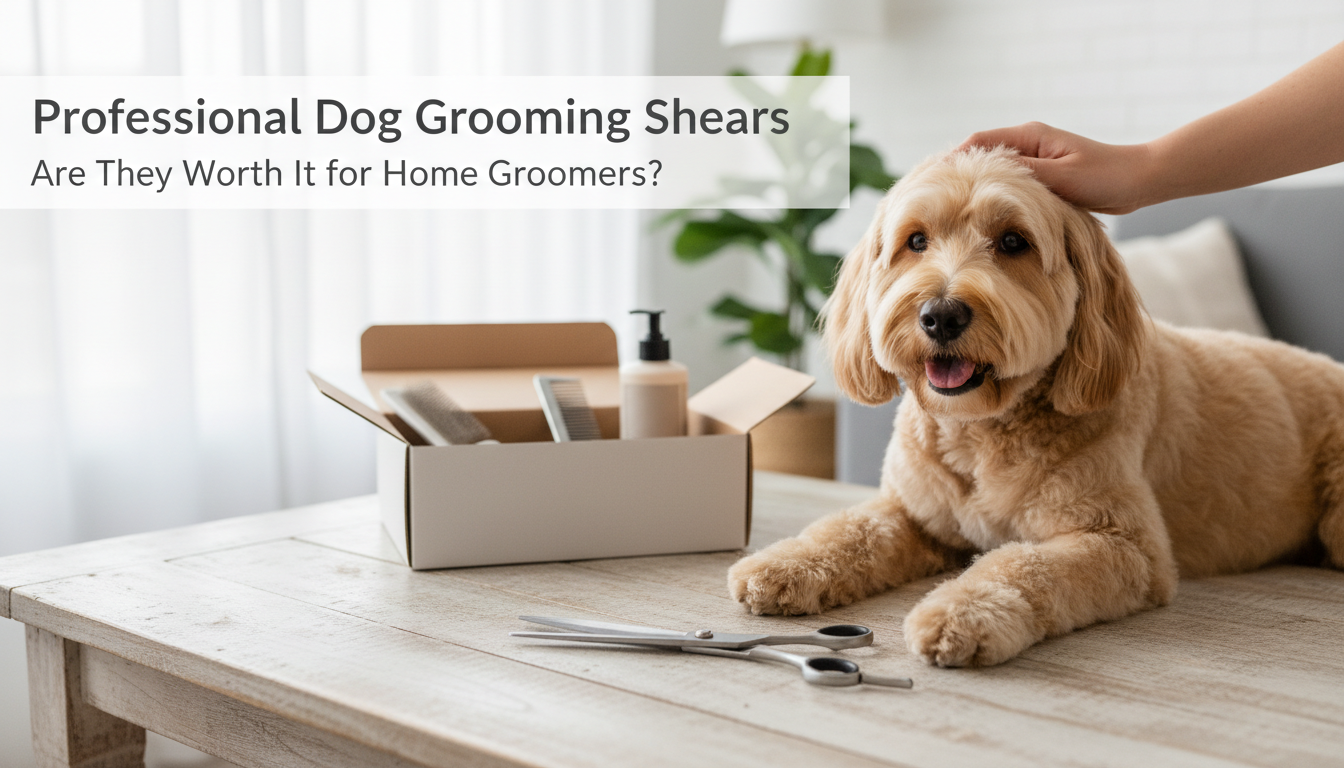
Professional Dog Grooming Shears: Are They Worth It for Home Groomers?
Are Professional Dog Grooming Shears Right for Your Home Grooming Needs?
For many home groomers, the idea of upgrading to professional dog grooming shears often sparks a common question: are they truly a necessary investment, or an extravagance for home use? These specialized tools, encompassing straight, curved, thinning, and blending scissors, are designed for precision and durability, promising a superior finish compared to basic alternatives.
While entry-level shears can manage routine trims, professional-grade tools offer distinct advantages. They can provide enhanced cutting precision, contribute to a smoother, more refined coat finish, and are often built to withstand frequent use, potentially reducing hand fatigue due to ergonomic design. However, the decision to invest involves understanding the specific needs of your dog and your grooming routine.
This article aims to guide home groomers through the decision-making process. We will explore the benefits, considerations, and potential trade-offs associated with professional dog grooming shears, helping you determine if they align with your home grooming goals and what features to prioritize for a worthwhile investment.
Beyond Basic: What Defines Professional Dog Grooming Shears?
Professional dog grooming shears transcend basic household scissors through their specialized design, superior materials, and ergonomic considerations, all aimed at achieving precise results and ensuring comfort for both the groomer and the dog. These tools are engineered to handle the demands of frequent use and diverse coat types, offering distinct advantages over entry-level options.
A primary differentiator is the material and construction. Professional shears typically feature high-grade stainless steel, often specified as Japanese steel, known for its exceptional hardness and ability to maintain a sharp edge. This contrasts with the softer, less durable metals used in many consumer-grade shears, which can dull quickly and lead to frustrating grooming experiences.
The quality of the material directly impacts blade sharpness and edge retention. Professional shears boast meticulously honed blades that deliver clean, crisp cuts, preventing the hair from bending, snagging, or pulling. This not only results in a smoother, more professional finish but also significantly enhances the dog's comfort by avoiding painful tugging. The superior edge retention means these shears stay sharp for longer, reducing the need for frequent sharpening and maintaining consistent cutting performance over time.
Ergonomics and design are critical components of professional shears, directly addressing the physical demands of grooming. Research indicates that improperly chosen shears can contribute to repetitive strain injuries such as carpal tunnel syndrome or tendonitis. Professional models often incorporate features like:
- Offset or swivel thumb rings: These designs reduce wrist strain and allow for a more natural hand position.
- Balanced weight distribution: A well-balanced shear feels lighter and reduces hand fatigue during extended grooming sessions.
- Contoured handles: Shaped to fit the hand comfortably, minimizing pressure points.
This focus on ergonomic design aims to prevent discomfort and potential injury for the groomer, making longer sessions more manageable.
Furthermore, the robust construction of professional shears contributes to their durability and expected lifespan. Built to withstand the rigors of frequent use and professional sharpening services, they offer a significantly longer functional life compared to cheaper alternatives that may quickly lose their edge, develop alignment issues, or break down.
Ultimately, professional dog grooming shears solve several key problems better than their basic counterparts. They enable precise, clean cuts for a polished finish, reduce the grooming time and effort required due to their efficiency, and ensure a more comfortable experience for the dog by minimizing pulling and snagging. This investment can lead to better grooming outcomes and a more positive experience for home groomers and their pets.
Types of Professional Shears and How to Choose for Your Dog
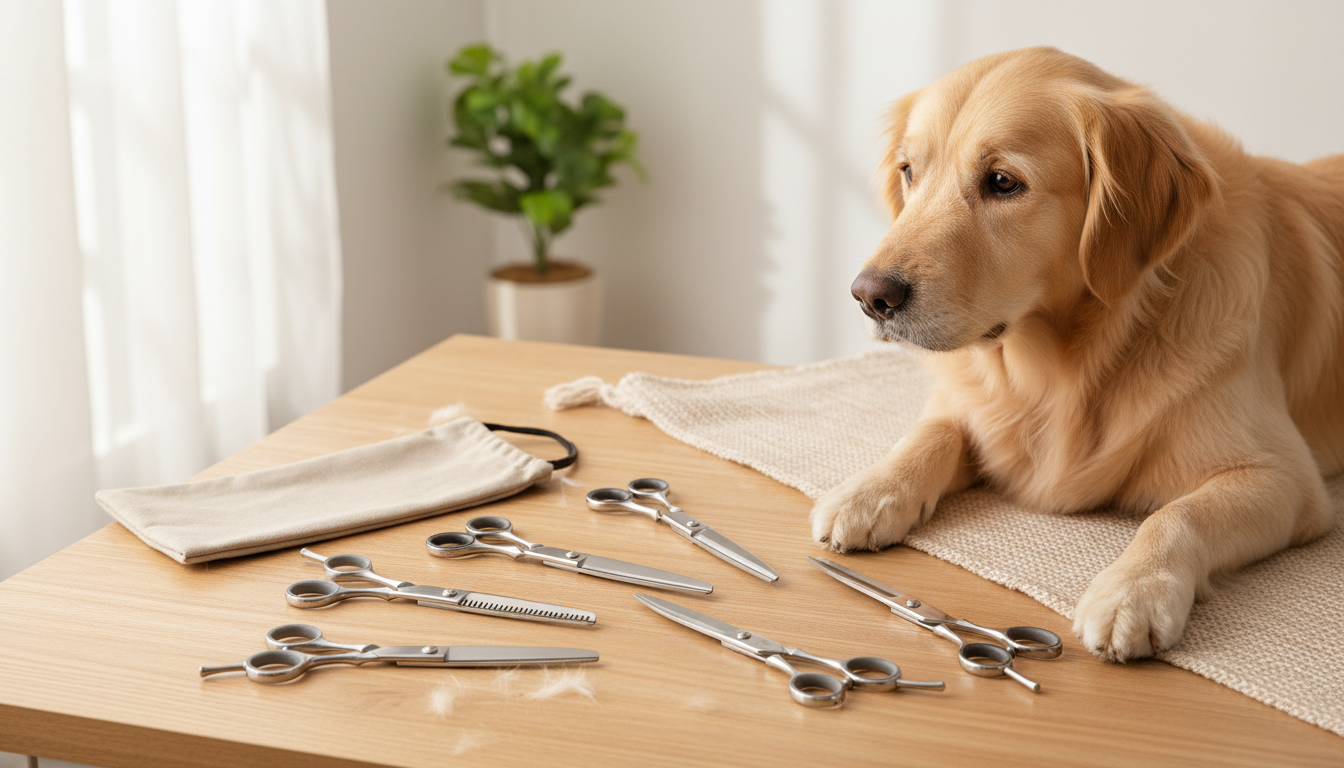
Selecting the right professional shears for your home grooming kit is fundamental to achieving desired results and ensuring your dog's comfort. Each type of shear serves a specific purpose, and understanding these distinctions will guide your investment.
To effectively choose, consider the following:
-
Straight Shears: These are the workhorse of any grooming kit.
- Purpose: Primarily used for general trimming, rough cutting, and establishing the initial length of the coat. They provide clean, crisp lines for a foundational cut.
- Application: Ideal for most body areas where a uniform length is desired.
-
Curved Shears: Distinguished by their curved blades, these shears are designed for shaping.
- Purpose: Essential for creating rounded contours, soft lines, and achieving specific stylistic shapes.
- Application: Commonly used on areas like paws, the top of the head, ears, and tails to give a sculpted, natural finish.
-
Thinning Shears (Blenders): Featuring one solid blade and one notched blade, these shears remove less hair with each cut.
- Purpose: Used for removing bulk, blending different coat lengths, and softening harsh lines left by straight shears. They create a more natural, seamless look.
- Application: Excellent for blending transitions, reducing volume on thick coats, and feathering edges around the face or legs.
-
Chunkers: Similar to thinning shears but with wider teeth, chunkers remove more hair per cut than blenders.
- Purpose: Designed for faster bulk removal and creating a very natural, textured finish without leaving distinct lines.
- Application: Useful for dense, thick coats where significant volume reduction is needed quickly, or for a hand-stripped appearance.
Matching Shears to Your Dog's Needs:
When building your professional shear collection, consider your dog's specific coat type and the grooming styles you aim to achieve:
- Thick Double Coats (e.g., Huskies, Golden Retrievers): Benefit greatly from thinning shears and chunkers to manage bulk and blend the undercoat with the topcoat, preventing a choppy look. Straight shears are still essential for overall length.
- Silky Single Coats (e.g., Shih Tzus, Maltese): Require precise straight shears for clean lines and curved shears for delicate shaping around the face and paws. Thinning shears can soften edges.
- Curly or Wiry Coats (e.g., Poodles, Terriers): Straight shears are crucial for establishing form, while curved shears are indispensable for creating rounded heads and sculpted bodies. Thinning shears help with blending.
- General Maintenance: For dogs requiring only light trims and tidy-ups, a versatile set will suffice.
Starting Essentials for the Home Groomer:
For those new to professional shears, beginning with a foundational set is a practical approach. Research suggests that a straight pair of shears and a set of thinning shears (blenders) offer a versatile starting point. These two types allow you to perform most basic cuts, manage coat length, and achieve a blended finish, providing a solid basis before expanding your collection with more specialized tools like curved shears or chunkers as your skills and needs evolve.
Key Factors for Home Groomers When Selecting Professional Shears
Selecting professional dog grooming shears for home use requires a thoughtful evaluation of several practical criteria. Unlike a professional groomer who may use a wide range of specialized tools daily, home groomers must prioritize shears that align with their specific skill set, grooming frequency, and their dog's unique needs. This approach ensures a worthwhile investment that enhances the grooming experience rather than complicates it.
Consider these essential factors to guide your decision:
- Your Grooming Skill and Experience: Beginners often benefit from starting with foundational shears. A good quality straight shear and a thinning shear can cover most basic home grooming tasks, allowing you to develop technique before investing in more specialized tools like curved shears or chunkers. As your confidence and skill grow, you might expand your collection to achieve more intricate styles or handle challenging coat types.
- Frequency and Scope of Grooming:
- Occasional Touch-ups: If you primarily perform light trims around the face, paws, or sanitary areas, a single, high-quality straight shear might suffice. Durability is less of a concern than precision for these quick tasks.
- Regular Full Grooms: For those undertaking full body grooms regularly, investing in a set of durable, ergonomic shears becomes more critical. Frequent use demands tools that maintain their edge and can withstand repeated cleaning and sharpening, reducing the long-term cost of replacements.
- Comfort and Ergonomics: The fit and feel of shears in your hand are paramount for home groomers, especially during longer sessions. Ill-fitting or heavy shears can lead to hand fatigue and discomfort, potentially contributing to issues like carpal tunnel syndrome or tendonitis over time.
- Weight and Balance: Lighter, well-balanced shears can reduce strain.
- Finger Holes: Ensure finger and thumb holes are appropriately sized for your hands, preventing pinching or excessive looseness.
- Handle Style: Explore different handle configurations (e.g., opposing, offset, crane, swivel thumb) to find what feels most natural and comfortable, promoting a relaxed grip and precise control.
- Budget as an Investment: Professional shears represent a higher upfront cost compared to basic models. However, view this as an investment in quality, longevity, and superior performance. High-grade steel shears maintain sharpness longer, provide cleaner cuts, and are often designed for professional sharpening services, extending their lifespan significantly. This can lead to better grooming results and a more pleasant experience for your dog, potentially saving money on professional grooming appointments in the long run.
- Safety Considerations for Home Use: When grooming at home, safety for both you and your pet is non-negotiable.
- Blunt Tips: Some shears feature rounded or blunt tips, which can reduce the risk of accidental pokes or cuts, particularly around sensitive areas like eyes and ears, or with a wiggly dog.
- Tension Screw: A well-designed tension screw allows you to adjust the blade tension, ensuring smooth cutting action and preventing hair snagging, which can cause discomfort to your dog.
- Proper Handling: Always use shears with care, keeping them closed when not actively cutting and storing them safely out of reach when not in use.
- Influence of Your Dog's Temperament and Your Patience: A dog that is nervous or impatient during grooming requires shears that are exceptionally sharp and efficient to minimize grooming time and reduce stress. Clean, quick cuts with sharp professional shears can make the process faster and more tolerable for a sensitive pet. Conversely, if you have ample patience and a calm dog, you might have more leeway to experiment with different shear types and techniques. The right shears can help manage the trade-off between speed and precision, adapting to the unique dynamics of your home grooming environment.
The Realities and Risks: What to Know Before You Buy
While professional dog grooming shears offer distinct advantages, home groomers should be aware of several practical considerations and potential risks before making an investment. Understanding these factors can help manage expectations and ensure a more informed decision.
A primary consideration is the higher initial cost. Professional-grade shears are crafted from superior materials and designed for precision, making them significantly more expensive than basic consumer-grade options. This upfront investment requires a commitment to their use to justify the expense.
Beyond the purchase price, several factors contribute to the overall cost and effort:
- Learning Curve: Professional sets often include various types of shears—straight, curved, thinning, and blending. Each type serves a specific purpose and requires mastering distinct techniques for optimal results. This can involve a significant time commitment to practice and develop proficiency.
- Maintenance Requirements: To retain their sharpness and performance, professional shears demand consistent care. This includes regular cleaning to remove hair and debris, oiling the pivot screw, and periodic professional sharpening. Neglecting this maintenance can lead to dull blades, snagging hair, and ultimately, a shorter lifespan for the tools.
- Potential for Injury: The exceptional sharpness of professional shears, while beneficial for clean cuts, also presents a risk. Improper handling or technique can lead to nicks or cuts on the dog's skin. Similarly, using ill-fitting shears or incorrect hand positioning can contribute to strain or repetitive stress injuries for the groomer over time. Proper training and a focus on ergonomic design are crucial to mitigate these risks.
Ultimately, the decision involves a trade-off between cost, ease of use, and desired results. While professional shears can deliver a superior finish, they demand a greater financial outlay, a commitment to learning, and diligent maintenance. Home groomers must weigh the aspiration for professional-level results against the practicalities of a steeper learning curve and ongoing care requirements.
Caring for Your Investment: Maintenance Tips for Professional Shears
Investing in professional dog grooming shears is a commitment to quality and efficiency. To ensure these tools deliver consistent performance and last for years, proper maintenance is not just recommended, but essential. Regular care prevents premature wear, maintains cutting precision, and safeguards your investment.
Maintaining your professional shears involves a few key practices after each grooming session:
- Daily Cleaning and Sanitization: After every use, carefully wipe down the blades and handles with a soft cloth to remove all hair, debris, and product residue. Follow this with a disinfectant spray or solution designed for grooming tools, ensuring it's safe for metal. Always dry the shears thoroughly immediately after cleaning to prevent rust and corrosion. A small drop of shear oil applied to the pivot screw can keep the action smooth and prevent friction.
- Proper Storage: Mishandling is a common cause of damage. Store your shears in a dedicated protective case, pouch, or stand. This prevents accidental drops, impacts, or contact with other tools that could nick or dull the delicate blade edges. Keep them in a dry environment, away from humidity and extreme temperatures, and ensure the blades are closed or lightly touching to protect the cutting surface.
Even with diligent daily care, the sharp edges of professional shears will eventually dull. Recognizing the signs of dullness or damage is crucial for timely intervention:
- Identifying Dullness and Damage: If your shears begin to pull or snag the dog's hair instead of cutting cleanly, or if you notice the hair bending or folding, it’s a clear indication that the blades are no longer sharp. Research suggests that "shears not cutting properly" is a primary sign of a dull or damaged edge. Another issue to watch for is "shears getting jammed," which can also point to underlying problems with the blades or tension.
- Professional Sharpening: When these signs appear, it's time for professional sharpening. Unlike household scissors, professional grooming shears require specialized sharpening techniques and equipment to maintain their precise angles and high-quality edge. Attempting to sharpen them yourself can cause irreversible damage. The frequency of sharpening depends on usage, but regular professional service extends the lifespan of your shears and ensures they continue to perform optimally, preventing discomfort for the dog and strain for the groomer.
Consistent maintenance not only preserves the cutting ability of your shears but also protects them from premature wear and tear. This proactive approach ensures your professional tools remain a reliable asset, contributing to smoother grooming sessions and better results for your dog.
Frequently Asked Questions About Professional Dog Grooming Shears
Home groomers often have specific questions when considering an upgrade to professional-grade shears. Understanding these common queries can help clarify expectations and guide your investment.
Are more expensive shears always better?
Higher-priced professional shears often correlate with superior materials, such as high-carbon Japanese steel, and meticulous craftsmanship. These factors typically lead to blades that hold a sharper edge longer, provide smoother cutting action, and are more durable. Additionally, ergonomic design, a common feature in professional tools, can reduce hand fatigue and discomfort during extended grooming sessions. However, the "best" shears also depend on your specific grooming needs, skill level, and consistent maintenance. A well-maintained, mid-range pair that fits your hand comfortably can outperform a high-end pair that is neglected or ill-suited to your grip.
How often should I sharpen my professional shears?
The frequency of sharpening depends on several factors, including how often you groom, the types of coats you work with, and the quality of the shears themselves. Instead of a fixed schedule, look for signs that your shears need attention:
- Pulling hair: If the shears snag or pull the dog's coat instead of cutting cleanly.
- Uneven cuts: When the blades fail to create a smooth, consistent line.
- Increased effort: If you find yourself needing to apply more pressure to cut.
Generally, professional groomers might sharpen their primary shears every few weeks to a few months. For home groomers with less frequent use, this interval could be longer. Always seek out professional shear sharpeners who specialize in grooming tools, as improper sharpening can damage the blades.
Can I use human hair shears for my dog?
It is generally not recommended to use shears designed for human hair on dogs. Dog coats are typically much thicker, coarser, and have a different texture than human hair. Shears made for human hair are often not robust enough to handle the demands of a dog's coat, which can lead to several issues:
- Damage to shears: The blades can dull quickly, become misaligned, or even nicked.
- Poor cut quality: They may pull or bend the dog's hair, resulting in an uneven finish and discomfort for the animal.
- Potential injury: Dull or improperly designed blades increase the risk of accidental nicks or cuts to the dog's skin.
Professional dog grooming shears are specifically engineered with stronger blades and appropriate angles to cut through various canine coat types effectively and safely.
What's the best way to clean and disinfect them?
Proper cleaning and disinfection are crucial for maintaining your shears, extending their lifespan, and ensuring hygiene for your dog.
- Remove hair: After each use, carefully wipe away all hair from the blades and pivot screw with a soft cloth or brush.
- Clean: Use a shear cleaner spray or a soft cloth dampened with rubbing alcohol to remove any residue or oils.
- Disinfect: Apply a pet-safe disinfectant spray or dip the blades in a suitable disinfectant solution, following the product's instructions for contact time. Rinse thoroughly if required by the disinfectant.
- Dry: Ensure the shears are completely dry before storage to prevent rust.
- Oil: Apply a small drop of shear oil to the pivot screw and along the inside of the blades. Open and close the shears several times to distribute the oil, then wipe off any excess.
Store your clean, dry, and oiled shears in a protective case to prevent damage.
Do I need a full set, or can I start with just one pair?
For home groomers, starting with a full set of professional shears is often unnecessary and can be overwhelming. Many home groomers find that a quality straight pair of shears and a good pair of thinning shears are sufficient to handle most basic grooming tasks.
- Straight shears: Essential for general cutting, shaping, and creating clean lines.
- Thinning shears: Useful for blending cut lines, removing bulk, and softening harsh edges, creating a more natural finish.
As your skills develop and if you wish to tackle more intricate styles or work with different coat types, you might consider adding curved shears for shaping round areas (like paws or heads) or chunkers for faster bulk removal with a blended finish. Begin with the essentials and expand your collection as your confidence and needs grow.
Making the Final Decision: Are Professional Shears Worth It For You?
Deciding whether to invest in professional dog grooming shears for home use ultimately hinges on your specific grooming goals, your dog's needs, and your commitment to the process. While professional shears offer enhanced precision, durability, and ergonomic comfort compared to basic alternatives, they also represent a greater financial outlay and require proper care. The "worth" is not universal but tailored to individual circumstances.
For some home groomers, the upgrade is a clear advantage. If your dog has a complex coat type that demands intricate styling, frequent grooming, or if you find yourself struggling with less effective tools that snag or pull, professional shears can significantly improve the experience and outcome. Their superior materials and sharp edges facilitate cleaner cuts, reduce grooming time, and can minimize discomfort for your pet. Furthermore, the ergonomic design often found in professional tools can help prevent hand fatigue during longer grooming sessions, making the process more sustainable for you.
Conversely, basic grooming shears might suffice if your dog requires only occasional, simple trims, has a relatively easy-to-manage coat, or if your budget is a primary concern. For quick touch-ups or maintenance between professional groomer visits, a less specialized tool can still get the job done without the higher investment or the need for advanced techniques.
To determine if professional dog grooming shears are a worthwhile investment for your home grooming routine, consider the following questions:
- What is your dog's coat type and grooming frequency? Does their coat mat easily, require specific styling, or need frequent attention?
- How often do you groom your dog at home? Is it a weekly, monthly, or occasional task?
- Are you currently experiencing frustration with your existing tools? Do they pull hair, dull quickly, or cause hand strain?
- Do you desire a more polished, professional-looking finish?
- Are you willing to learn proper techniques and commit to the maintenance required for high-quality shears?
- What is your budget for grooming tools?
Ultimately, the value of professional shears is subjective. If the benefits of precision, efficiency, and comfort align with your dog's needs and your grooming aspirations, the investment can yield noticeable improvements in both the grooming process and the results. If your needs are minimal, simpler tools may serve you just as well.
More in Dog Grooming Shears
View All
Dog Grooming Shears at PetSmart: Value Options for Casual Home Groomers
Compare dog grooming shears petsmart with a practical informational SEO brief, decision criteria, FAQs, and publishing checks before you commit.
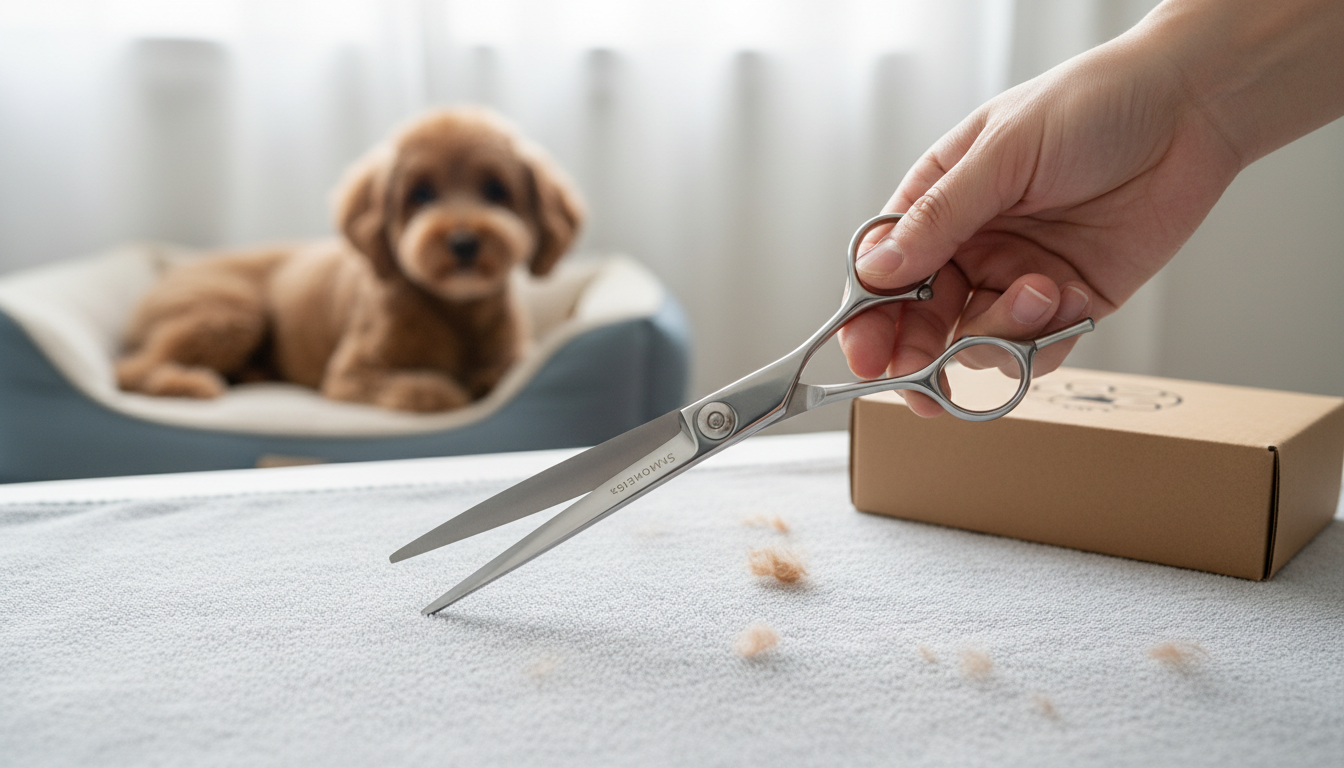
Swivel Dog Grooming Shears: Enhancing Comfort and Control for Detailed Trimming
Compare swivel dog grooming shears with a practical informational SEO brief, decision criteria, FAQs, and publishing checks before you commit.
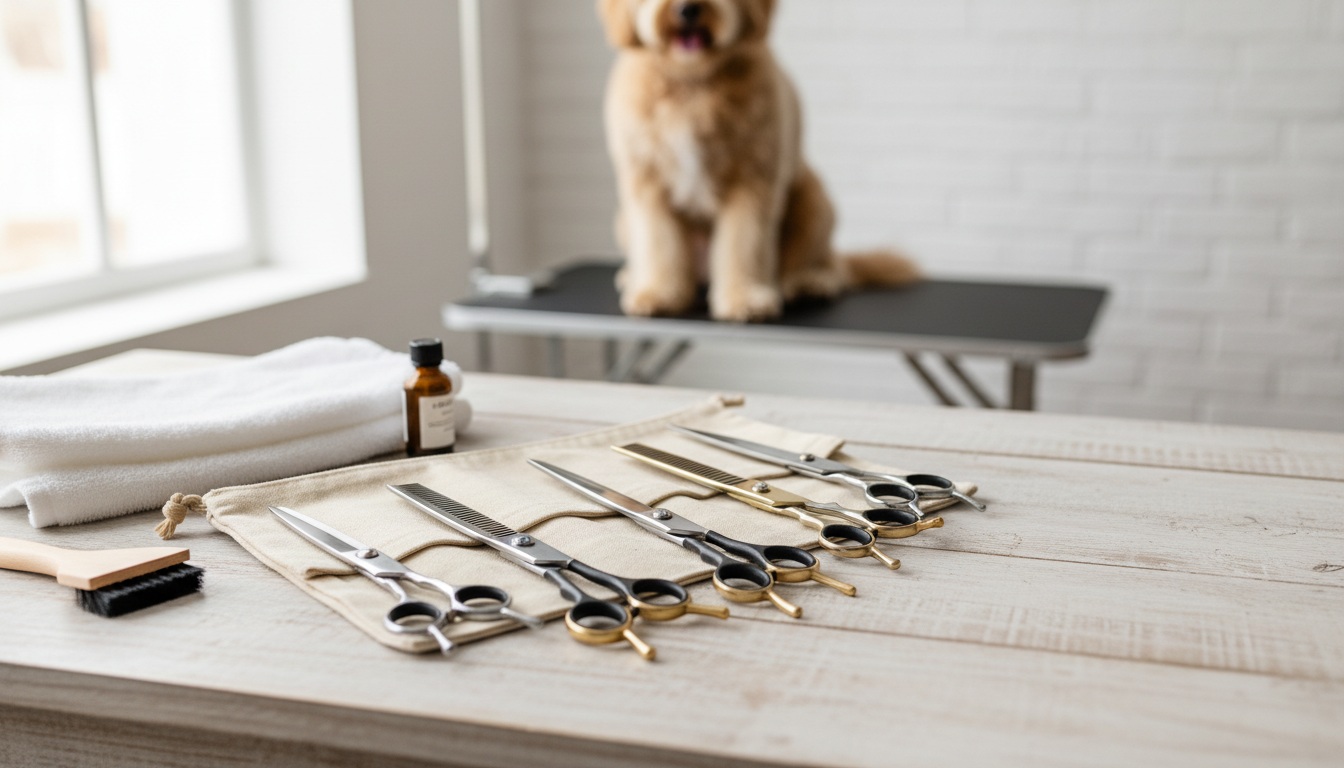
Investing in High-Quality Dog Grooming Shears: What to Look for in Professional-Grade Tools
Compare high quality dog grooming shears with a practical informational SEO brief, decision criteria, FAQs, and publishing checks before you commit.