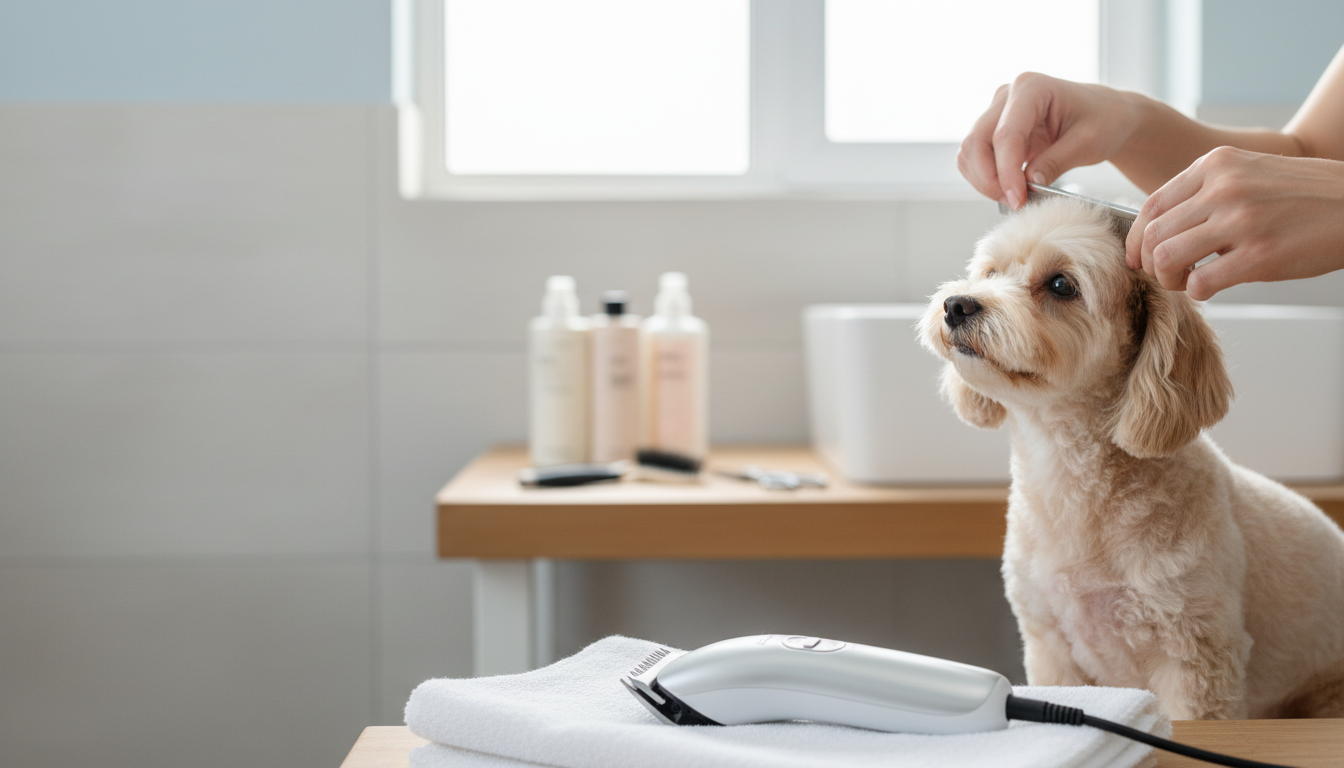
Top Dog Grooming Clippers for Home Use: Essential Tools for DIY Pet Care
Mastering Home Grooming: Finding the Best Dog Clippers
The decision to groom your dog at home is an increasingly popular and practical aspect of pet care. This approach offers several distinct advantages for both you and your canine companion:
- Cost Savings: Reduces reliance on professional grooming services over time.
- Reduced Anxiety: Many dogs experience less stress and greater comfort in their familiar home environment.
- Stronger Bond: Regular, gentle grooming sessions can deepen the connection between you and your pet.
However, achieving successful and safe results hinges on using the correct equipment. It is crucial to understand that clippers designed for human hair are fundamentally different from those required for canine coats. Dog hair is typically denser and has a unique texture, which human clippers are not built to handle effectively. As veterinarian Amy Fox, DVM, notes, human clippers "could just glide over the fur and not actually cut the hair, or the tool will get clogged too quickly to be effective." Using unsuitable tools can lead to inefficient cutting, snagging, or even discomfort for your pet. Specialized dog clippers are engineered to manage these differences, ensuring a smoother, safer grooming experience.
This guide aims to equip home groomers with the knowledge needed to select the ideal tools for their specific needs. We will explore key features, practical trade-offs, and essential maintenance practices to help you make an informed decision for effective and stress-free DIY pet care.
Essential Features: What Makes a Dog Clipper 'Home-Use' Ready?
Selecting the right clippers for home grooming involves understanding how specific features impact ease of use, safety, and effectiveness for both the groomer and their dog. Unlike professional settings, home grooming often prioritizes a balance of performance with user-friendliness and pet comfort.
Key considerations for home-use clippers include:
- Corded vs. Cordless Operation: Each power source presents distinct advantages and limitations for the home environment.
- Corded Clippers: Offer consistent power delivery, ensuring they won't lose strength during longer grooming sessions. This can be beneficial for dogs with dense or matted coats that require sustained cutting power. However, the cord can restrict movement and pose a tripping hazard in a home setting, especially with a moving pet.
- Cordless Clippers: Provide superior maneuverability, allowing you to easily reach all areas of your dog without being tethered to an outlet. This flexibility is particularly useful for grooming in various locations or managing an active dog. The primary trade-off is battery run time, which necessitates charging and can interrupt longer grooming sessions if not managed.
- Blade Types: The material of the clipper blade directly influences its cutting performance, heat generation, and longevity.
- Ceramic Blades: Known for staying cooler longer than metal blades, reducing the risk of "clipper burn" on a dog's skin. They are also very sharp, providing a smooth cut, but can be more brittle and prone to chipping if dropped.
- Titanium Blades: Often feature a titanium coating over a metal base. They offer good durability and sharpness, typically generating less heat than pure stainless steel blades.
- Stainless Steel Blades: Common and durable, but can heat up more quickly during extended use. Regular oiling and monitoring for heat are essential with these blades. Regardless of material, dull blades are a common problem that can prevent efficient cutting, causing dragging and uneven finishes.
- Motor Power and Speed: These specifications, often expressed as RPM (rotations per minute) or SPM (strokes per minute), indicate the clipper's ability to cut through different coat types.
- Higher Power/Speed: Generally more effective for thick, dense, or matted coats, ensuring the blades can move through the fur without snagging.
- Variable Speed Settings: Can be advantageous for home groomers, allowing a slower speed for sensitive areas or anxious pets, and a higher speed for tougher coat sections.
- Noise and Vibration Levels: These factors are critical for a dog's comfort and cooperation during grooming.
- Lower Noise/Vibration: Clippers designed to operate quietly and with minimal vibration significantly reduce stress for anxious or sensitive dogs, making the grooming experience more positive and manageable. High noise or strong vibration can cause fear and resistance, prolonging the process and potentially making future grooming sessions more challenging.
- Ergonomics and Weight: Home grooming sessions can range from quick touch-ups to full body trims, potentially lasting for extended periods.
- Lightweight and Ergonomic Design: A clipper that fits comfortably in the hand and is not excessively heavy helps prevent hand fatigue, allowing for more precise and safer grooming over time.
- Attachment Combs/Guards: These plastic or metal accessories are essential for achieving consistent coat lengths and protecting your dog's skin.
- Variety of Sizes: A good set of guards allows you to choose different cutting lengths, from very short to longer trims, and helps prevent accidental nicks or cuts by maintaining a safe distance between the blade and the skin.
- Why Human Clippers Are Unsuitable: It's important to reiterate that clippers designed for human hair are not appropriate for dog grooming. As veterinarian Amy Fox, DVM, explains, "Dogs generally have more hair compared to the hair on our heads, so a human clipper is not designed to handle that." Dog fur is typically denser, coarser, and often has multiple layers, which can quickly clog human clippers. This can lead to inefficient cutting, pulling, snagging, and potential discomfort or injury to your pet. Specialized dog clippers feature stronger motors and different blade geometries specifically engineered to handle the unique characteristics of canine coats safely and effectively.
Matching Clippers to Your Dog: Breed, Coat, and Temperament Considerations
The effectiveness and comfort of home grooming depend significantly on selecting clippers that align with your dog's unique characteristics. A "one-size-fits-all" approach often leads to frustration for the groomer and discomfort for the pet. Understanding your dog's coat type, temperament, and your grooming frequency provides a critical framework for choosing suitable equipment.
- Coat Type and Condition:
- Thick or Double Coats: Breeds like Huskies, Golden Retrievers, or Sheepdogs possess dense undercoats and coarser guard hairs. These require clippers with robust, powerful motors (often rotary) capable of sustained cutting without snagging or overheating. Blades designed for thick coats, such as those with wider tooth spacing or specific skip-tooth designs, can help navigate dense fur more effectively. Underpowered clippers will struggle, pull hair, and quickly become inefficient.
- Fine or Single Coats: Dogs with fine, silky, or single-layer coats (e.g., Maltese, Shih Tzu) may not demand the highest power. However, sharp, appropriate blades are still essential to prevent pulling. Finer-toothed blades are often suitable for achieving a smooth finish on these coats.
- Matted Coats: Mats can be challenging and painful to remove. For matted areas, higher power clippers are crucial to cut through the dense tangles safely. Specialized coarse blades or careful pre-clipping with scissors may be necessary, prioritizing the dog's safety and comfort above all else.
- Temperament and Sensitivity:
- Anxious or Noise-Sensitive Dogs: For pets prone to anxiety or easily startled by sounds, prioritizing clippers with low noise and minimal vibration is paramount. While some powerful motors can be louder, manufacturers often offer models specifically engineered for quiet operation. Cordless options can also provide greater maneuverability, allowing you to position yourself and the clipper in a way that minimizes stress for your dog.
- Grooming Frequency and Durability:
- Frequent Grooming: If you plan to groom your dog regularly (e.g., bi-weekly or monthly), investing in more durable clippers with high-quality motors and long-lasting blades is advisable. These models typically offer consistent performance and withstand repeated use, proving more cost-effective in the long run.
- Occasional Touch-ups: For less frequent grooming or minor touch-ups, a less heavy-duty model might suffice, provided it still meets the power and blade requirements for your dog's specific coat type. However, even for occasional use, reliability prevents frustration.
When evaluating clippers, consider the inherent trade-offs. Higher power often correlates with more effective cutting on dense coats but can sometimes mean increased noise or vibration. Corded clippers offer consistent, uninterrupted power, which is beneficial for longer sessions or tough coats, but restrict movement. Cordless models provide freedom of movement, which can be advantageous for anxious dogs or hard-to-reach areas, but their battery life and sustained power output need consideration. Balancing these factors—power, noise, convenience, and initial cost versus long-term durability—will materially change your shortlist of suitable clippers, ensuring a better fit for both your dog and your home grooming routine.
Avoiding Common Pitfalls: Maintenance and Troubleshooting for Home Clippers
Effective home grooming extends beyond selecting the right tools; it critically depends on consistent maintenance and knowing how to address common issues. Neglecting clipper care can lead to inefficient cuts, discomfort for your pet, and premature tool failure. Understanding these aspects helps ensure your clippers perform reliably and safely for every grooming session.
Common problems home groomers encounter include:
- Dull Blades: A primary culprit for poor performance, dull blades can drag on the hair, leading to an uneven finish, increased noise from the clipper motor working harder, and potential discomfort for your dog. This often stems from improper maintenance or overuse without sharpening.
- Overheating: Clippers can generate heat during prolonged use, which can become uncomfortable or even burn your pet's skin. This is particularly common with less powerful motors or when blades are dull, requiring the motor to work harder.
- Clogging: Accumulation of hair and debris within the clipper head or around the blades can impede their movement, reducing cutting efficiency and potentially causing the motor to strain or overheat.
To prevent these issues and extend the lifespan of your grooming tools, adhere to essential maintenance practices:
- Regular Cleaning: After each use, thoroughly clean the blades with a brush to remove all trapped hair. For deeper cleaning, detach the blades from the clipper body as recommended by the manufacturer.
- Proper Oiling: Lubrication is crucial for smooth operation and heat dissipation. Apply a few drops of clipper oil to the blades before, during (if grooming a large dog or multiple dogs), and after each grooming session. Ensure the clipper runs for a few seconds after oiling to distribute the lubricant evenly.
- Blade Sharpening or Replacement: Dull blades are not only ineffective but can also pull at your dog's coat. Monitor blade performance; if they start to snag or leave an uneven cut, it's time for sharpening by a professional or replacement. The frequency depends on use and blade quality.
- Manufacturer’s Guidelines: Always consult the specific maintenance recommendations provided by your clipper manufacturer. These instructions are tailored to your particular model and can offer crucial details on cleaning agents, oil types, and service intervals.
Beyond tool care, ensuring your pet's comfort is paramount. Overheating blades can cause "clipper burn," a painful skin irritation. To prevent this:
- Monitor Blade Temperature: Periodically touch the blades to your own skin (e.g., forearm) to check for excessive heat. If they feel hot, stop grooming immediately.
- Cooling Sprays: Use a clipper cooling spray, which also acts as a disinfectant and lubricant, to quickly reduce blade temperature.
- Take Breaks: Allow both your clippers and your dog to rest during longer grooming sessions. This helps prevent overheating and reduces stress for your pet.
- Clean and Oil Frequently: Well-maintained, sharp, and oiled blades generate less friction and heat.
By integrating these maintenance and troubleshooting steps into your home grooming routine, you can ensure a safer, more comfortable experience for your dog and prolong the effectiveness of your clippers.
Your Questions Answered: Home Dog Clipper FAQs
Navigating the world of home dog grooming can bring up several practical questions. Understanding these common concerns can help you approach your dog's grooming routine with greater confidence and effectiveness.
Can I use human hair clippers on my dog?
No, it is generally not recommended to use human hair clippers on dogs. Canine coats differ significantly from human hair in density and texture. As veterinarian Amy Fox, DVM, explains, human clippers are "not designed to handle that" and "could just glide over the fur and not actually cut the hair, or the tool will get clogged too quickly to be effective." Using unsuitable clippers can lead to inefficient cutting, snagging, discomfort for your pet, and potential damage to the clippers themselves. Specialized dog clippers feature more powerful motors and specific blade designs to handle varied dog coat types safely and efficiently.
How often should I groom my dog at home?
The frequency of home grooming depends largely on your dog's breed, coat type, lifestyle, and the desired coat length. Dogs with rapidly growing or long, dense coats may benefit from clipping every 4-6 weeks to prevent matting and maintain hygiene. Shorter-coated breeds might only need trimming every few months. Regular brushing between clipping sessions is crucial for all coat types to remove loose hair and check for tangles. Observe your dog's coat condition and comfort to determine the most appropriate schedule.
What's the difference between ceramic and steel blades for dogs?
Both ceramic and steel blades are common for dog grooming clippers, each offering distinct characteristics:
- Steel Blades: Typically made from carbon steel, these blades are known for their durability and ability to hold a sharp edge. They are robust and can withstand frequent use. However, steel blades tend to heat up more quickly during prolonged use, which can cause discomfort for your dog if not managed with coolants or by switching blades.
- Ceramic Blades: Often used as the cutting blade (the moving part) paired with a steel stationary blade, ceramic blades are prized for their ability to stay cooler for longer periods. This reduces the risk of clipper burn and enhances pet comfort. They can also be very sharp, providing a smooth cut. The primary trade-off is that ceramic is more brittle than steel and can chip or break if dropped.
For home groomers, the choice often comes down to balancing heat management, durability, and budget.
What accessories are essential for a home grooming kit?
Beyond the clippers themselves, a well-rounded home grooming kit includes several essential items to ensure a safe and effective session:
- Grooming Shears: Blunt-tip scissors are vital for delicate areas like around the eyes, ears, and paws where clippers might be too cumbersome or risky.
- Combs and Brushes: Appropriate tools for your dog's coat type are necessary for detangling before clipping and for fluffing the coat during styling.
- Blade Coolant/Lubricant: Essential for reducing friction, preventing overheating, and extending blade life, especially with steel blades.
- Cleaning Brush: A small brush to remove hair from clipper blades after each use.
- Nail Clippers or Grinder: Regular nail care is an integral part of grooming.
- Styptic Powder: A safety measure to quickly stop bleeding from minor nicks, particularly during nail trims.
- Grooming Table or Non-Slip Mat: Provides a stable, elevated surface, which can improve safety and comfort for both you and your dog.
How do I get my dog used to the clippers?
Introducing clippers to your dog requires patience and positive reinforcement to build a comfortable association:
- Positive Association: Start by letting your dog see and sniff the clippers while they are off. Reward curiosity with treats and praise.
- Sound Introduction: Turn the clippers on away from your dog, allowing them to hear the sound without feeling the vibration. Continue with treats and praise.
- Gradual Contact: Once your dog is calm with the sound, gently touch the back of the clippers (not the blade end) to their body for a brief moment, starting with less sensitive areas like a shoulder or hip. Reward immediately.
- Short Sessions: Keep initial sessions very short (a few minutes) and end on a positive note, even if you only manage a small area.
- Never Force It: If your dog shows signs of stress or fear, stop and try again later. Forcing the interaction can create negative associations. Consistency with positive, calm interactions is key.
Making Your Decision: Finding the Best Clippers for Your Home Grooming Needs
Choosing the right dog grooming clippers for home use is less about finding a universally "best" model and more about identifying the ideal fit for your specific dog and grooming routine. Your ultimate selection should align with your pet's needs, your comfort level, and the practicalities of your home environment. By carefully considering a few key factors, you can confidently select tools that facilitate effective and positive grooming experiences.
To guide your final choice, reflect on these critical considerations:
- Your Dog's Coat Type and Density: Different coats require varying motor power and blade types. A thick, dense, or curly coat will demand a more robust motor and specialized blades to prevent snagging and ensure a smooth cut, while fine or sparse coats may be managed with less powerful options.
- Pet Temperament: For anxious or noise-sensitive dogs, clippers with lower noise and vibration levels are paramount. A quieter operation can significantly reduce stress during grooming sessions, making the experience more tolerable for your pet.
- Grooming Frequency and Duration: If you plan frequent, full-body grooms, durability and consistent performance (like that offered by corded models) might be a higher priority. For occasional touch-ups or lighter trims, the convenience and maneuverability of a cordless clipper could be more beneficial.
- Power Source Preference: Corded clippers provide uninterrupted power, which is advantageous for longer grooming tasks or challenging coats. Cordless models offer freedom of movement and portability, but their battery life and power output might be limitations for extensive use. Weigh the trade-offs between consistent power and unrestricted mobility based on your typical grooming scenario.
- Budget Considerations: While entry-level options can be suitable for light use, investing in a more durable set might be cost-effective in the long run if you plan regular grooming. Consider the balance between initial cost and the longevity and performance required for your dog's specific needs.
Ultimately, the most suitable clippers will be those that empower you to groom your dog safely and efficiently, minimizing stress for both of you. Prioritize features that address your dog's unique characteristics and your personal grooming habits.
For a successful home grooming experience, remember these final tips:
- Preparation is Key: Always ensure your dog's coat is clean, dry, and thoroughly brushed before clipping to prevent blade dulling and snagging.
- Introduce Gradually: If your dog is new to grooming, introduce the clippers slowly, allowing them to get accustomed to the sound and vibration before attempting a full groom.
- Regular Maintenance: Keep blades clean and oiled as per manufacturer instructions. This extends the life of your clippers and ensures optimal cutting performance, preventing issues like overheating or dullness.
- Positive Reinforcement: Use treats and praise to create a positive association with grooming, fostering a calmer experience for your pet.


More in Dog Grooming Clippers
View All
Preparing Your Dog for Grooming with Clippers: A How-To Guide for Stress-Free Sessions
Compare how to dog grooming with clippers with a practical informational SEO brief, decision criteria, FAQs, and publishing checks before you commit.
Troubleshooting Common Issues When Grooming Your Dog with Clippers
Compare grooming a dog with clippers with a practical informational SEO brief, decision criteria, FAQs, and publishing checks before you commit.
Country Clippers for Dog Grooming: Built for Durability and Demanding Use
Compare country clippers dog grooming with a practical informational SEO brief, decision criteria, FAQs, and publishing checks before you commit.