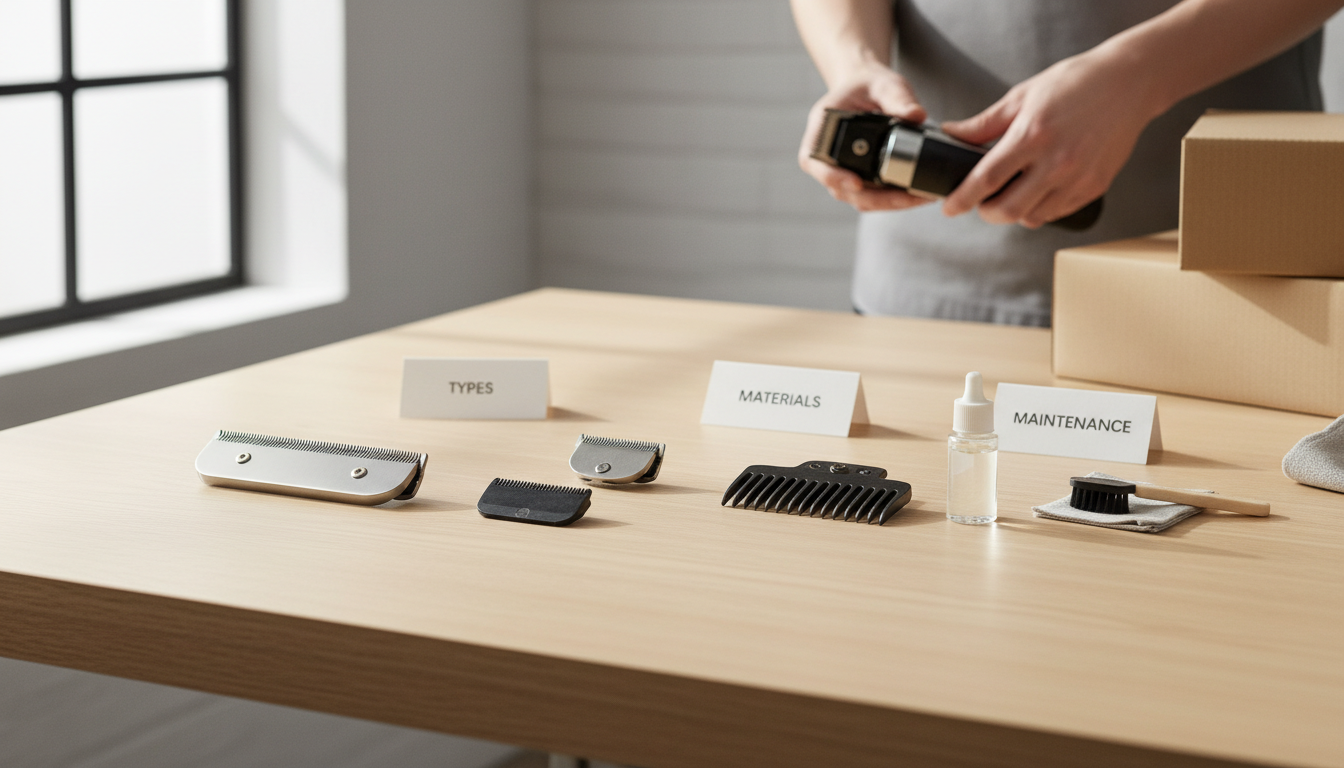
Understanding Blades for Dog Grooming Clippers: Types, Materials, and Maintenance
Navigating the World of Dog Grooming Clipper Blades
Achieving a professional-quality groom at home hinges significantly on the blades for dog grooming clippers you use. These precision-engineered tools are not merely accessories; they are the primary interface between your clippers and your dog's coat, directly influencing both the grooming outcome and your pet's comfort. Many home groomers encounter challenges such as uneven cuts, skin irritation, or blades that pull rather than glide, often tracing back to an unsuitable blade choice or inadequate care.
Selecting the right blades is crucial for several reasons. An appropriate blade ensures a smooth, efficient cut, preventing uncomfortable snagging or pulling that can distress your dog. It also dictates the final coat length and finish, allowing you to achieve the desired aesthetic while maintaining coat health. Conversely, using the wrong type or a dull blade can lead to a frustrating experience for both groomer and dog, potentially causing hot spots, clipper burn, or an unsatisfactory appearance.
This guide aims to empower you with the knowledge needed to make informed decisions about your dog grooming clipper blades. We will explore the various types and materials available, delve into practical selection criteria to match blades to your dog's specific coat and grooming needs, and provide essential guidance on proper maintenance and troubleshooting common issues to ensure optimal performance and longevity.
Decoding Dog Clipper Blade Types and Their Purpose
Understanding the various dog clipper blades available is fundamental to achieving a successful groom and avoiding common issues like uneven cuts or skin irritation. Most professional-grade clippers for home use utilize a universal detachable blade system, often referred to as A5 style. This standardization means that blades from different manufacturers are generally interchangeable with A5-compatible clippers, offering flexibility in your selection. However, the specific type and size of the blade are what truly dictate its function and suitability for your dog's coat.
The primary distinction among dog grooming clipper blades lies in their cutting length and tooth configuration. Blade sizes are identified by numbers, where, counter-intuitively, a smaller number typically corresponds to a longer cut, and a larger number indicates a shorter cut.
- #10 Blade: This is a versatile, standard blade that leaves hair approximately 1/16 inch (1.6mm) long. It's a common choice for sanitary trims, paw pads, and bellies, or as a starting point for matted coats where longer blades might snag.
- #7F, #5F, #4F Blades: The 'F' denotes a "Finish" blade, meaning the teeth are closely spaced and fully finished, providing a smooth, uniform cut. These blades are ideal for achieving specific body lengths and a polished finish.
- #7F: Leaves hair about 1/8 inch (3.2mm). Useful for a shorter body cut.
- #5F: Leaves hair about 1/4 inch (6.3mm). A popular choice for a medium-length body trim.
- #4F: Leaves hair about 3/8 inch (9.5mm). Provides a longer, natural-looking cut.
- Skip Tooth Blades (e.g., #7, #5, #4): Unlike finish blades, skip tooth blades have alternating long and short teeth, with gaps between the longer teeth. They are designed for bulk removal on thick, dense, or matted coats. These blades can be more aggressive and require careful handling to avoid nicking the skin, especially on uneven surfaces. They are generally not recommended for a final, smooth finish directly on the skin but rather for initial coat reduction.
- #30 Blade: This blade cuts very short, typically 1/50 inch (0.5mm). It's often used for surgical preparation, very close sanitary trims, or as the base blade when using attachment combs, as it provides a secure foundation for the comb to glide over.
- Wide Blades: Available in various lengths (e.g., wide #10, wide #7F), these blades cover a larger surface area with each pass. They are particularly efficient for grooming larger breeds or for covering expansive body sections, reducing grooming time and effort.
Matching the correct blade to your dog's coat texture and the desired finish is key to avoiding an "uncertain fit" and achieving optimal results:
- Matted or Very Thick Coats: You might start with a #10 or even a #30 blade to get under mats and reduce bulk safely. Skip tooth blades can also be used for initial bulk removal on very dense coats, but with extreme caution.
- Curly or Wavy Coats (e.g., Poodles, Doodles): Longer 'F' blades (#5F, #4F) are often preferred to maintain curl and body, providing a consistent length.
- Double Coats (e.g., Golden Retrievers, Huskies): While generally not recommended for full body clipping due to potential coat damage, if necessary for health reasons, longer 'F' blades can be used cautiously. Never use very short blades on double coats as it can damage the undercoat.
- Smooth or Short Coats (e.g., Boxers, Beagles): Shorter 'F' blades or a #10 can be used for tidying up or for specific areas.
By understanding these distinctions, you can confidently select the appropriate dog clipper blades that align with your dog's specific needs and your grooming goals, ensuring a comfortable experience and a professional-looking outcome.
Essential Criteria for Selecting Your Next Dog Clipper Blades
Choosing the right clipper blades for dog grooming is a critical step in ensuring a successful and comfortable experience for your pet. Beyond just the desired cut length, several factors dictate a blade's performance, longevity, and compatibility with your grooming routine. Understanding these elements can prevent common issues like uncertain fit, premature wear, and uncomfortable grooming sessions.
-
Clipper Compatibility: Before considering any other feature, confirm that the blades will fit your specific clipper model. Many home groomers use clippers designed to accept the "A5 standard" detachable blade system, which allows for interchangeability across various brands. However, some clippers, particularly entry-level models, may use proprietary blade systems unique to their manufacturer. Always check your clipper's manual or product specifications to ensure you purchase compatible dog hair clipper blades to avoid an uncertain fit and wasted expense.
-
Blade Material and Construction: The material of your blade directly impacts its sharpness, durability, and heat retention.
- Steel Blades: These are the most common, available in carbon and stainless steel. Carbon steel often offers a very sharp edge but requires diligent oiling to prevent rust. Stainless steel provides better corrosion resistance and is a popular, durable choice for general use. Both types of steel can generate heat during prolonged use, necessitating cooling breaks or blade coolants.
- Ceramic Blades: Often used for the moving cutter blade (paired with a steel comb blade), ceramic is excellent at dissipating heat, staying cooler for longer than steel. This significantly enhances dog comfort by reducing the risk of clipper burn. However, ceramic is more brittle than steel and can chip or break if dropped.
- Cryogenically Treated Blades: These are steel blades that have undergone a super-cooling process. This treatment alters the metal's molecular structure, resulting in a harder, more durable edge that retains sharpness longer and generates less heat than untreated steel blades. They offer a good balance of durability and heat management but typically come at a higher cost.
-
Durability and Longevity: The inherent quality of the blade material and its construction contributes to how long it will maintain its sharpness and effectiveness. Cryogenically treated steel blades generally offer superior edge retention. However, proper care, including regular cleaning, oiling, and professional sharpening, is paramount for extending the lifespan of any blade material. Neglecting maintenance can lead to dullness and poor cutting performance, regardless of initial quality.
-
Heat Dissipation: Blade overheating is a common concern that can cause discomfort or even skin irritation for your dog. Materials like ceramic excel at staying cooler, while cryogenically treated steel also offers improved heat resistance compared to standard steel. The design of the blade, including ventilation channels, can also play a role in managing heat. Prioritizing blades known for better heat dissipation can lead to a more pleasant grooming experience for sensitive dogs.
-
Noise and Vibration: While the clipper motor is the primary source of noise and vibration, the quality and sharpness of the blade can also influence the grooming experience. Dull or poorly manufactured blades can cause the clipper to work harder, leading to increased noise and vibration. A sharp, well-fitting blade allows for smoother cutting, reducing stress on the motor and minimizing discomfort for noise-sensitive dogs.
Selecting the right dog grooming clipper blades involves a trade-off between initial cost, material benefits, and expected performance. Higher-quality materials like ceramic or cryogenically treated steel may have a greater upfront cost but can offer superior heat management, longer sharpness, and ultimately, a better grooming outcome, potentially saving you money on replacements or sharpening in the long run.
<h2>Avoiding Common Pitfalls: Troubleshooting and Preventing Blade Problems</h2>Even with the right selection, dog grooming clipper blades can present challenges that hinder a smooth grooming experience. Understanding how to identify and address these common issues can prevent frustration, ensure your dog's comfort, and extend the life of your blades. Proactive maintenance and quick troubleshooting are key to turning potential "bad past purchases" into learning opportunities.
-
Dullness and Inefficient Cutting: A dull blade is a primary culprit behind many grooming woes.
- Signs: Blades dragging on the coat instead of gliding, pulling hair, leaving an uneven finish, or causing the clipper motor to work harder and sound louder.
- Immediate Actions: Stop grooming. A dull blade can cause discomfort and irritation. Clean the blade thoroughly to rule out hair buildup. If symptoms persist, the blade likely needs sharpening or replacement.
- Prevention: Regular cleaning and oiling after each use significantly prolong blade sharpness. Avoid dropping blades, as this can damage the cutting edge.
-
Blade Overheating: Friction generated during use can cause blades to heat up, potentially leading to "clipper burn" on your dog's skin.
- Causes: Prolonged continuous use, insufficient lubrication, or a dirty blade increasing friction.
- Solutions: Apply blade cooling spray regularly during grooming sessions. Take frequent breaks to allow blades to cool naturally. Always ensure blades are well-oiled before and during use. Keep multiple blades on hand to rotate them, letting one cool while you use another.
-
Blades Pulling or Snagging Hair: This is often a sign of discomfort for your dog and can stem from several factors.
- Causes: Dull blades, hair buildup between the cutting teeth, improper blade alignment, or attempting to clip through matted or dirty fur.
- Troubleshooting: First, clean the blade thoroughly with a brush and blade wash to remove any trapped hair or debris. Check that the blade is correctly aligned and securely attached to the clipper. Ensure your dog's coat is clean, dry, and thoroughly brushed out before clipping. Using the correct blade type for the coat density also minimizes pulling.
-
Uneven Cuts: A patchy or uneven finish can be frustrating after spending time grooming.
- Causes: Blade wear (unevenly dull spots), inconsistent grooming technique (varying pressure or angle), or issues with the clipper itself (e.g., a weak motor or worn drive lever).
- Diagnosis: Inspect the blade for visible damage or dull spots. Confirm the blade is fully seated and aligned on the clipper. Practice maintaining a consistent, even pressure and angle against the dog's skin. If the blade is sharp and technique is consistent, consider if the clipper's performance is contributing.
-
Uncertain Fit and Poor Attachment: A blade that doesn't attach securely or feels loose can lead to poor cutting and potential safety hazards.
- Prevention: Always follow your clipper manufacturer's instructions for attaching blades. Ensure the blade snaps firmly into place, indicating it's correctly seated on the drive lever. A loose blade can vibrate excessively, cut poorly, or even detach during use. Check that the blade is compatible with your clipper system (e.g., A5 style).
-
Sharpening vs. Replacement: Deciding whether to sharpen or replace a dull blade depends on its condition and cost-effectiveness.
- When to Sharpen: High-quality blades that are dull but otherwise undamaged (no missing teeth, rust, or severe nicks) are excellent candidates for professional sharpening. This is often more economical than frequent replacement for durable blades.
- When to Replace: Blades with broken or missing teeth, excessive rust, bent components, or those that have been sharpened multiple times and no longer hold an edge effectively should be replaced. For some lower-cost blades, replacement might be more practical than professional sharpening.
Maximizing Blade Lifespan: Proper Care and Maintenance Routines
Extending the life and ensuring the peak performance of your blades for dog grooming clippers is paramount for consistent, comfortable grooming. Proper care routines not only safeguard your investment but also prevent common issues like dull cuts, overheating, and premature wear, which can cause discomfort for your dog and frustration for you.
Post-Groom Cleaning Protocol
Thorough cleaning after every grooming session is the first line of defense against blade degradation. Hair and debris can accumulate between the cutting surfaces, leading to friction, dullness, and potential rust.
- Remove Hair: Detach the blade from the clipper. Using a stiff brush (often included with clippers), carefully brush away all loose hair from the teeth and between the cutting plates. Pay close attention to the small spring and guide rails.
- Disinfect and Clean: Apply a specialized blade wash or disinfectant spray directly to the blade, ensuring it penetrates between the moving parts. This helps to clean, lubricate, and sanitize the blade, preventing bacterial buildup and corrosion. Allow the solution to work for the recommended time, then wipe the blade dry with a clean, soft cloth. Ensure no moisture remains, as this is a primary cause of rust.
Essential Blade Oiling Practices
Oiling your clipper blades is critical for reducing friction, dissipating heat, and maintaining smooth operation. Neglecting this step can lead to blades pulling hair, overheating rapidly, and experiencing accelerated wear.
- Frequency: Apply clipper oil before, during (especially for longer grooming sessions), and after each use.
- Application: With the blade detached and clean, place one to two drops of clipper oil on each side of the blade's teeth, and another drop at the heel of the blade where the cutting surfaces meet.
- Distribution: Reattach the blade to the clipper and run the clipper for about 10-15 seconds. This distributes the oil evenly across the cutting surfaces, lubricating the friction points and ensuring optimal movement. Wipe off any excess oil with a clean cloth. Always use oil specifically designed for clipper blades; general household oils can be too thick or contain additives that can gum up the mechanism.
Optimal Storage Solutions
How you store your dog grooming clipper blades significantly impacts their longevity and sharpness. Improper storage can lead to nicks, rust, or dulling, rendering even well-maintained blades ineffective.
- Dry Environment: Always store blades in a dry, cool place, away from humidity that can cause rust. Avoid leaving them in damp bathrooms or near sinks.
- Protective Storage: Utilize blade cases, trays, or the original plastic packaging to protect the delicate teeth from accidental drops or impacts. This prevents nicks and chips that can compromise cutting performance. Storing blades separately from other grooming tools also minimizes potential damage.
Recognizing When Blades Need Attention
Even with diligent care, blades will eventually dull or sustain damage. Recognizing these signs early helps you decide whether a blade needs sharpening or replacement, ensuring your grooming remains effective and comfortable for your dog.
- Performance Decline: A primary indicator of a dull blade is when it starts pulling or snagging hair instead of cutting cleanly. You might notice the clipper struggling, making more noise, or requiring multiple passes to achieve an even cut.
- Heat Buildup: While some heat is normal, excessively hot blades that develop quickly after oiling are often a sign of increased friction due to dullness or misalignment.
- Visual Inspection: Examine the blade teeth for any visible nicks, chips, or signs of rust. Rust can pit the metal, making the blade unusable.
- Sharpening vs. Replacement: Many steel blades can be professionally sharpened multiple times, restoring their edge. However, ceramic blades typically cannot be sharpened. If a blade is severely rusted, chipped, or has been sharpened to its limit, replacement is the most practical solution to maintain grooming quality and your dog's comfort.
Your Buyer's Checklist: Making an Informed Blade Purchase
Selecting the right blades for your dog grooming clippers is a critical step towards achieving effective and comfortable grooming results at home. To confidently navigate the options and avoid common pitfalls like uncertain fit or premature wear, consider the following checklist before making your purchase. This approach helps ensure your chosen blades align with your specific needs and long-term grooming goals.
- Clipper Model Compatibility: Before anything else, verify that the blades you're considering are compatible with your specific clipper model. Most professional-style clippers use a universal A5 detachable blade system, offering broad interchangeability. However, some clippers, particularly those designed for lighter use or specific brands, may require proprietary blades. Check your clipper's manual or manufacturer specifications to confirm compatibility.
- Desired Cutting Length and Blade Type: Understand the specific length you want to achieve for your dog's coat. Blade numbers are inverse to cut length (e.g., a #10 blade cuts shorter than a #4F blade). Also, differentiate between "finish" (F) blades, which leave a smooth, even cut, and "skip tooth" blades, which have alternating long and short teeth designed to feed thicker coats more easily, but require careful use to avoid skin nicks.
- Dog's Coat Type and Condition: Your dog's coat texture, density, and condition heavily influence blade choice. Coarse, matted, or heavily shedding coats may benefit from specific blade types (like skip-tooth for initial dematting, or wider blades for faster coverage). Fine or delicate coats might require finer-toothed finish blades for a smooth appearance. Consider if your dog has a single or double coat, as this impacts how blades glide.
- Preferred Blade Material: Common materials include high-carbon steel and ceramic. Steel blades are generally durable and can be sharpened, but they can heat up more quickly. Ceramic blades often stay cooler for longer, reducing the risk of clipper burn, but they can be more brittle if dropped. Your choice should balance durability, heat management, and potential fragility.
- Maintenance Commitment and Sharpening Options: Factor in the ongoing commitment to blade care. All blades require regular cleaning, oiling, and eventual sharpening. Consider if you prefer to send blades out for professional sharpening (which extends their lifespan) or if you're comfortable with more frequent replacement. Some blade types or materials may have different sharpening requirements or costs.
- Budget and Long-Term Value: While initial cost is a factor, consider the long-term value. Higher-quality blades may have a greater upfront cost but can offer superior cutting performance, durability, and the ability to be sharpened multiple times, potentially reducing overall expenditure over time compared to frequently replacing cheaper alternatives.
By methodically reviewing these points, you can make a purchase that not only meets your immediate grooming needs but also contributes to a smoother, more effective, and safer grooming experience for both you and your dog.
Frequently Asked Questions About Dog Clipper Blades
Navigating the nuances of dog clipper blades can raise several questions for home groomers. Understanding these common queries can help you make informed decisions, optimize your grooming routine, and ensure the longevity of your equipment.
-
How often should I sharpen or replace my dog clipper blades? The frequency depends heavily on your grooming volume, the type of coats you're clipping, and your maintenance routine. For home groomers, a blade might last several months or even a year with proper care before needing sharpening. Signs that a blade is dull include pulling at the hair, leaving an uneven cut, or the clippers sounding like they're working harder. Regular cleaning and oiling after each use significantly extend blade life. Blades should be replaced when sharpening no longer restores their cutting efficiency or if they are visibly damaged.
-
Can I use human hair clipper blades on my dog? It is generally not recommended to use human hair clipper blades on dogs. Dog coats are often thicker, denser, and can be more varied in texture than human hair. Blades designed for human hair may struggle to cut through a dog's coat effectively, leading to pulling, snagging, discomfort for the dog, and rapid dulling or overheating of the blades. Dog-specific blades are engineered with different tooth configurations and materials to handle the unique demands of canine fur.
-
What does the 'F' mean on a clipper blade? The 'F' on a clipper blade stands for "Finish" or "Full Tooth." These blades feature a full row of evenly spaced teeth, designed to provide a smooth, consistent, and finished cut. They are generally considered safer for general body clipping, especially for less experienced groomers, as they reduce the risk of catching the skin compared to "skip-tooth" blades, which have alternating long and short teeth for more aggressive bulk removal.
-
Why do my clipper blades get hot so quickly? Several factors can cause blades to heat up rapidly. The most common reasons include dull blades (which create more friction as they work harder), insufficient lubrication (lack of oiling causes metal-on-metal friction), improper blade tension, or continuous use without breaks. Overheating blades can cause discomfort or even "clipper burn" on your dog's skin. To mitigate this, ensure blades are clean and oiled, take frequent breaks, use a blade cooling spray, or switch to a cool, spare blade.
-
Are ceramic blades better than steel blades for dog grooming? Both ceramic and steel blades have distinct advantages. Ceramic blades are known for staying cooler longer due to their lower heat retention and friction, which can enhance comfort during grooming sessions. They are also rust-resistant. However, ceramic blades are more brittle and can chip or break if dropped. Steel blades (often carbon-enhanced or cryogenically treated) are generally more durable and resistant to impact but tend to heat up faster and require more diligent oiling to prevent rust and maintain performance. The "better" choice depends on your priorities for durability versus heat management.
-
How do I know which blade size to use for my dog? Blade sizes are indicated by numbers, where, counter-intuitively, a smaller number typically leaves a longer coat, and a larger number results in a shorter cut (e.g., a #10 blade cuts shorter than a #4F blade). Your choice should align with your dog's coat type, the desired finished length, and the specific area being groomed. For general body work, blades like #4F, #5F, or #7F are common for leaving a moderate length. A #10 blade is a versatile choice for many areas, while shorter blades like #30 or #40 are often reserved for sanitary trims or use under attachment combs. Always consider the coat's condition; heavily matted coats may require a much shorter blade for safe removal.
Groom with Confidence: The Right Blades Make All the Difference
Navigating the world of blades for dog grooming clippers can initially seem complex, but understanding their types, materials, and proper care transforms grooming from a chore into a confident, rewarding experience. By making informed choices, you directly contribute to your dog's comfort and the quality of their groom.
Remember these core principles for optimal results:
- Informed Selection: Match blade type and size to your dog's specific coat, desired length, and the clipper system you use. Compatibility and suitability are paramount to prevent pulling or an uneven finish.
- Diligent Maintenance: Regular cleaning, oiling, and timely sharpening or replacement are not just recommendations; they are essential practices for blade longevity and consistent cutting performance.
- Proactive Troubleshooting: Recognizing signs of dullness, overheating, or improper fit allows you to address issues promptly, preventing discomfort for your pet and frustration for yourself.
The right blades are more than just cutting tools; they are key to a stress-free and effective grooming routine for both you and your canine companion. Applying the knowledge gained, from selecting the ideal blade for a smooth glide to maintaining it for peak performance, empowers you to approach each grooming session with assurance. This attention to detail ensures a positive experience, fostering a healthier coat and a happier dog.
More in Dog Grooming Clippers
View All
Preparing Your Dog for Grooming with Clippers: A How-To Guide for Stress-Free Sessions
Compare how to dog grooming with clippers with a practical informational SEO brief, decision criteria, FAQs, and publishing checks before you commit.
Troubleshooting Common Issues When Grooming Your Dog with Clippers
Compare grooming a dog with clippers with a practical informational SEO brief, decision criteria, FAQs, and publishing checks before you commit.
Country Clippers for Dog Grooming: Built for Durability and Demanding Use
Compare country clippers dog grooming with a practical informational SEO brief, decision criteria, FAQs, and publishing checks before you commit.