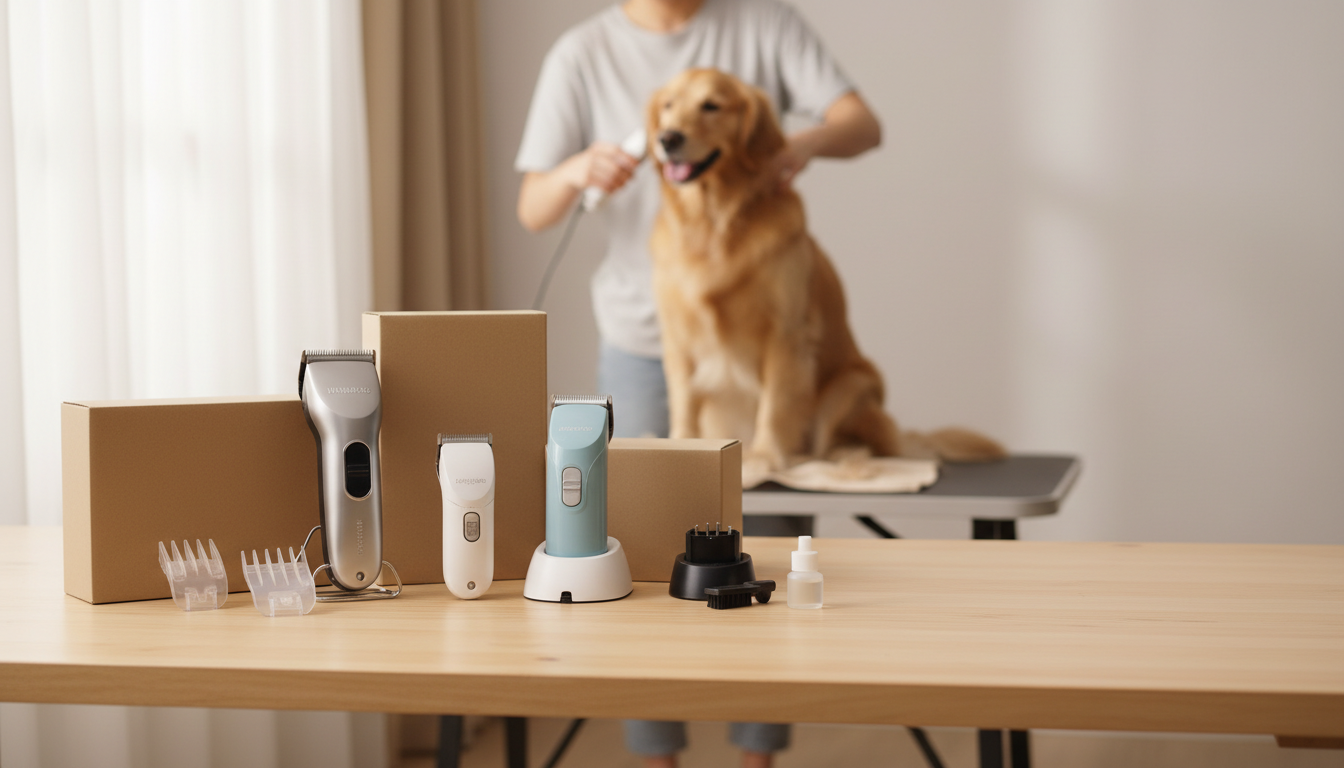
What Are the Best Dog Grooming Clippers? Comparing Top Models for Different Needs
Finding the Perfect Clippers: A Guide to Grooming Your Dog at Home
Regular grooming is essential for a dog's health and comfort, preventing matting, skin irritation, and maintaining a healthy coat. While professional groomers offer valuable services, many dog owners choose to groom their pets at home, leading to a need for reliable tools. However, selecting the right grooming clippers can be a daunting task. Unlike human clippers, which are not designed for the unique density and texture of canine coats, dog grooming clippers come in a wide array of types, power levels, and blade configurations. This variety, while beneficial, makes identifying the "best" model a complex decision.
This guide aims to simplify that choice by providing a comprehensive comparison framework. Instead of offering a one-size-fits-all recommendation, we will break down the critical factors that influence clipper performance and suitability. Our goal is to empower you to make an informed decision, matching clippers to your dog's specific coat type, temperament, and your own grooming frequency and skill level. Understanding these nuances will help you confidently select clippers that ensure effective, comfortable, and safe at-home grooming.
Understanding Your Dog's Unique Grooming Profile
Before evaluating specific clipper models, it's crucial to first understand your dog's individual grooming needs. This involves assessing their coat, temperament, and your typical grooming routine. These factors directly influence the type of clipper that will be most effective, comfortable for your pet, and suitable for your usage.
Coat Type and Density
A dog's coat is a primary determinant in clipper selection. Different fur characteristics place varying demands on a clipper's motor power and blade performance.
- Thick or Dense Coats: Breeds with voluminous or very dense fur, such as many doodles, Newfoundlands, or Samoyeds, require clippers with powerful rotary motors. These motors maintain consistent speed and torque, preventing the blades from bogging down or pulling the hair, which can be painful for the dog. Blades need to be sharp and durable, often made of high-carbon steel or ceramic, to cut through the bulk efficiently.
- Fine or Silky Coats: While seemingly easier, fine hair can still snag if clippers lack sufficient power or if blades are dull. Clippers designed for general use often suffice, but consistent blade sharpness remains key to a smooth cut.
- Curly or Matt-Prone Coats: Curly coats, like those of Poodles or Bichon Frises, can easily mat. Clippers for these coats need to be capable of handling dense, often springy hair. A strong motor helps prevent matting from binding the blades. Regular grooming is essential, making clipper durability and heat management important.
- Double Coats: Dogs with a soft undercoat and a coarser topcoat (e.g., Huskies, German Shepherds) are typically not fully shaved, but clippers might be used for sanitary trims or dematting. When used, the clippers must be robust enough to navigate the two distinct layers without causing irritation or damaging the coat structure. Human clippers are generally unsuitable for any dog coat due to insufficient power and blade design for canine hair density.
Dog's Temperament and Noise Sensitivity
The comfort and safety of your dog during grooming are paramount. A dog's reaction to noise and vibration significantly impacts the grooming experience.
- Anxious or Sensitive Dogs: For dogs easily startled by sounds or vibrations, quieter clippers are a critical consideration. High-pitched whirring or excessive vibration can cause stress, fear, and resistance, making grooming sessions difficult or even traumatic.
- Quieter Operation: Clippers designed for low noise often incorporate advanced motor technology and dampened housings to reduce sound output. While no clipper is truly silent, models engineered for quiet operation can make a substantial difference for nervous pets.
- Vibration Reduction: Beyond noise, excessive vibration can also be unsettling. Clippers with reduced vibration contribute to a calmer experience, allowing for more precise and less stressful grooming. Prioritizing these features can transform a challenging grooming session into a more manageable one.
Grooming Frequency and Duration
Your typical grooming schedule and the length of each session also dictate the type of clippers you need.
- Occasional Touch-ups and Detail Work: If you primarily groom small areas like paws, faces, or sanitary regions, or perform infrequent touch-ups, smaller, lighter clippers or detail trimmers may be sufficient. Battery life might be less critical for these short, focused tasks.
- Regular Full-Body Grooms: For consistent, full-body clipping, especially on medium to large breeds, you'll need a more robust and durable clipper. These sessions can be lengthy, requiring:
- Consistent Power: Corded clippers offer uninterrupted power, which is beneficial for long grooming sessions.
- Battery Life: If opting for cordless, look for models with extended battery life and potentially swappable batteries to avoid interruptions.
- Heat Management: Clippers used for extended periods can generate heat. Models with good ventilation or those designed to run cooler prevent discomfort for both the groomer and the dog.
- Multiple Dogs or Professional Use: For households with several dogs or those undertaking more frequent, extensive grooming, investing in professional-grade clippers with superior motor longevity and heat dissipation capabilities can be a cost-effective choice in the long run.
Key Criteria for Evaluating Dog Grooming Clippers
Selecting the right dog grooming clippers involves more than just picking a popular model. A thoughtful evaluation of technical specifications and features ensures the clippers align with your dog's needs and your grooming style. Understanding these core criteria helps in making an informed decision that prioritizes effectiveness, comfort, and durability.
Motor Type and Power
The motor is the heart of any clipper, directly influencing its cutting ability, particularly for different coat densities.
- Rotary Motors: These motors offer consistent power and speed, making them versatile for nearly all coat types, including thick, matted, or double coats. They maintain torque even under load, reducing pulling and snags. Many professional-grade clippers utilize rotary motors for their reliability and performance.
- Pivot Motors: Designed for high torque at lower speeds, pivot motors excel at cutting through very coarse or dense hair. While they may operate slower than rotary motors, their powerful cutting action can be advantageous for specific challenging coats.
- Magnetic Motors: Known for their high speed, magnetic motors are often found in lighter-duty clippers suitable for fine to medium coats. They tend to run cooler and can be effective for quick trims, though they might struggle with very thick or matted fur.
Blade Material and System
The blades are the direct interface with your dog's coat, and their material and design significantly impact cutting performance, heat generation, and longevity.
- Ceramic Blades: These blades typically run cooler than steel, reducing the risk of "clipper burn" on your dog's skin during extended use. They are also often quieter, which can be beneficial for anxious pets. However, ceramic blades are more brittle and can chip or break if dropped.
- Steel Blades: Durable and resistant to impact, steel blades (often high-carbon or stainless steel) maintain their sharpness over time with proper care. They can, however, generate more heat during prolonged operation, requiring frequent cooling or blade changes to prevent discomfort.
- Blade Systems: Clippers commonly feature either adjustable blades (where a lever changes the cutting length on a single blade) or detachable blades (allowing for quick changes to different fixed-length blades, often compatible with universal "A5" systems). Detachable systems offer greater versatility for achieving various coat lengths and styles.
Power Source: Corded vs. Cordless Operation
The choice between corded and cordless operation impacts maneuverability, power consistency, and overall convenience.
- Corded Clippers: Offer continuous, consistent power without the need for recharging. They are often more powerful and can be a good choice for lengthy grooming sessions or for dogs with very thick coats that demand sustained performance. The main trade-off is restricted movement due to the power cord, which can also be a tripping hazard.
- Cordless Clippers: Provide freedom of movement and greater flexibility, making them ideal for grooming in various locations or for dogs that are restless. They are generally quieter and lighter. The primary limitation is battery life, which can vary significantly between models and may require mid-groom recharging or a spare battery for longer sessions.
Noise and Vibration Levels
For many dogs, particularly those new to grooming or with anxious temperaments, the sound and feel of clippers can be a significant source of stress.
- Impact on Dog Comfort: Lower noise and vibration levels can help keep a dog calmer and more cooperative during grooming, making the experience less stressful for both pet and owner. Clippers designed with noise-dampening technology or specific motor types (like some cordless rotary motors) can be beneficial here.
- Groomer Experience: Reduced vibration also contributes to groomer comfort, especially during longer grooming sessions, minimizing hand fatigue and improving control.
Ergonomics and Weight
The physical design of the clippers plays a crucial role in user comfort and control, particularly during extended grooming sessions.
- Weight Distribution: A well-balanced clipper feels lighter and reduces strain on the wrist and hand. This is important for precision and preventing fatigue.
- Grip and Shape: Clippers with an ergonomic design, such as a contoured body or non-slip grip, provide a secure and comfortable hold, enhancing control and reducing the likelihood of accidents.
- Size: Consider the size of your hand and the maneuverability required for different areas of your dog's body. Compact designs can be helpful for intricate work, while larger models might offer more power.
Included Attachments and Blade Compatibility
The accessories that come with clippers, and their compatibility with other blades, can significantly enhance their versatility and value.
- Comb Attachments: These plastic or metal guides snap onto the clipper blade, allowing you to achieve various uniform coat lengths without changing the blade itself. A good range of comb attachments is invaluable for different styles and coat types.
- Blade Compatibility: Check if the clippers are compatible with industry-standard detachable blades (e.g., A5 type). This allows you to expand your blade collection over time, choosing specialized blades for different coat textures or finishes, and easily replacing worn-out blades from various manufacturers.
Comparing Clipper Categories: Home Use vs. Professional & Corded vs. Cordless
When selecting dog grooming clippers, a fundamental distinction lies in their intended application and power source. Understanding the core differences between home-use and professional-grade models, as well as corded and cordless options, is crucial for aligning your choice with your dog's needs and your grooming routine. Each category presents a unique set of advantages and trade-offs that directly impact performance, durability, and user experience.
Home-Use Clippers
Designed with the occasional groomer in mind, home-use clippers prioritize simplicity, affordability, and ease of handling. They are generally suitable for light to moderate grooming tasks, such as maintaining a short coat, performing touch-ups between professional grooms, or trimming less dense fur.
- Key Characteristics:
- Motor Strength: Typically feature less powerful motors than professional models, sufficient for lighter coats but may struggle with dense or matted fur.
- Noise and Vibration: Often engineered to be quieter and vibrate less, which can be beneficial for noise-sensitive dogs.
- Ergonomics: Lighter weight and simpler designs for comfortable, infrequent use.
- Cost: Generally more budget-friendly, making them accessible for pet owners new to home grooming.
- Trade-offs: May overheat with prolonged use, less durable for frequent grooming, and can lack the cutting power required for challenging coat types.
Professional-Grade Clippers
Professional-grade clippers are built for endurance, power, and versatility. They are engineered to withstand continuous use in a salon environment and handle a wide spectrum of coat types, from fine to extremely dense or matted.
- Key Characteristics:
- Motor Power: Equipped with robust, high-torque motors capable of maintaining consistent speed through thick coats without bogging down.
- Durability: Constructed with heavy-duty materials for a longer lifespan and resistance to wear from frequent operation.
- Heat Dissipation: Often incorporate features like ventilation systems or specialized motor designs to manage heat build-up during extended grooming sessions.
- Blade Compatibility: Typically accept a wider range of interchangeable blades for various cutting lengths and coat textures.
- Trade-offs: Higher initial investment, can be heavier and potentially louder than home-use models, and may require more diligent maintenance, including blade cooling.
Corded Clippers
The traditional choice for many groomers, corded clippers offer a reliable and consistent power supply, making them ideal for lengthy grooming sessions where uninterrupted performance is critical.
- Key Characteristics:
- Consistent Power: Provide continuous, undiminished power, ensuring steady cutting speed regardless of grooming duration.
- No Battery Concerns: Eliminate the need for charging or worrying about battery depletion mid-groom.
- Motor Longevity: Often have motors designed for prolonged, continuous operation without performance degradation.
- Trade-offs: Limited mobility due to the power cord, which can restrict movement around the dog and create a potential tripping hazard. The cord can also be cumbersome when maneuvering around sensitive areas.
Cordless Clippers
Offering enhanced flexibility and freedom of movement, cordless clippers have become increasingly popular, particularly for home groomers and anxious pets.
- Key Characteristics:
- Portability: Allows for grooming in any location without needing a power outlet, ideal for travel or outdoor grooming.
- Maneuverability: Provides unrestricted movement around the dog, making it easier to reach awkward angles and reducing the risk of the cord startling the animal.
- Reduced Hazard: Eliminates the tripping hazard and entanglement risks associated with a power cord.
- Trade-offs: Dependent on battery life, which can limit grooming time and may require multiple batteries or frequent recharging for longer sessions. Power output can sometimes decrease as the battery drains, potentially affecting cutting efficiency.
Common Challenges and Important Considerations Before Buying
Selecting dog grooming clippers involves more than just picking a model; it requires understanding potential pitfalls and making informed trade-offs to ensure a safe, effective, and stress-free grooming experience for your dog. Being aware of these challenges before purchase can prevent disappointment and ensure you choose a tool that genuinely meets your needs.
The Risk of Overheating: Protecting Your Pet
Clipper blades generate heat through friction as they move rapidly. This heat can quickly become uncomfortable or even burn a dog's skin, especially during longer grooming sessions or when cutting through dense coats. Overheating also dulls blades faster and can damage the clipper motor.
- Causes: Prolonged continuous use, insufficient blade lubrication, dirty blades, or a motor working too hard on thick fur.
- Prevention Strategies:
- Regular Oiling: Apply clipper oil to blades before, during, and after use to reduce friction.
- Cooling Sprays: Use specialized cooling sprays directly on the blades to dissipate heat and lubricate.
- Planned Breaks: Take frequent short breaks to allow blades and the motor to cool down naturally.
- Multiple Blades: Have several sharpened blades on hand to swap out as one heats up, allowing it to cool while you continue grooming.
Battery Life and Maintenance for Cordless Models
Cordless clippers offer exceptional maneuverability and freedom, but their performance is directly tied to battery technology. Understanding realistic expectations and maintenance is crucial for long-term satisfaction.
- Realistic Run Times: Most cordless models offer run times ranging from 60 to 120 minutes on a full charge, varying with motor power and battery capacity. This might be sufficient for a small dog but could be a limitation for larger breeds or multiple pets.
- Charging Habits: To maximize battery lifespan, avoid routinely draining the battery completely or leaving it on the charger indefinitely after it's full. Follow manufacturer guidelines for optimal charging.
- Battery Degradation: Like all rechargeable batteries, the capacity of a clipper battery will diminish over time and with repeated charge cycles. This is an inherent trade-off for cordless convenience, meaning older cordless clippers may not hold a charge as long as they did when new.
Dog's Reaction to Noise and Vibration
Many dogs are sensitive to unfamiliar sounds and sensations, and the noise and vibration of clippers can induce anxiety, fear, or resistance. This not only makes grooming difficult but can also be unsafe for both the dog and the groomer.
- Acclimation Strategies:
- Gradual Introduction: Start by simply letting your dog see and sniff the clippers while they are off.
- Sound Exposure: Turn the clippers on nearby, allowing your dog to get used to the sound without touching them. Offer praise and treats.
- Brief Contact: Once comfortable with the sound, gently touch the clippers (turned off, then on) to different parts of their body, starting with less sensitive areas.
- Positive Reinforcement: Consistently reward calm behavior with treats and verbal praise throughout the process.
- Short Sessions: Begin with very short grooming sessions, gradually increasing duration as your dog becomes more comfortable.
Why Human Clippers Are Not Suitable for Dogs
Using human hair clippers on dogs is a common misconception that can lead to frustration and potential harm. Canine coats possess distinct characteristics that human clippers are not designed to handle.
- Motor Power: Dog coats are significantly denser and often coarser than human hair. Human clippers typically lack the robust motor power needed to cut through thick dog fur efficiently. This results in snagging, pulling, and an increased risk of bogging down, which is painful for the dog and ineffective for grooming. (Source: "Dogs generally have more hair compared to the hair on our heads, so a human clipper is not designed to handle that,” says veterinarian Amy Fox, DVM. “Human clippers could just glide over the fur and not actually cut the hair, or the tool will get clogged too quickly to be effective.")
- Blade Design: Dog clipper blades feature specific tooth patterns and cutting angles optimized for various coat textures and thicknesses, minimizing skin irritation. Human blades are designed for finer, more uniform hair and can quickly dull or cause uncomfortable friction on a dog's skin.
- Heat Management: Dog grooming clippers are engineered to dissipate heat generated from cutting dense fur over extended periods. Human clippers can overheat rapidly when faced with a dog's coat, posing a burn risk.
Blade Material Trade-offs: Durability vs. Heat
The material of your clipper blades significantly impacts their performance, longevity, and how they manage heat. Each has distinct advantages and disadvantages.
- Ceramic Blades:
- Pros: Conduct less heat than steel, staying cooler for longer during grooming. Often perceived as quieter.
- Cons: More brittle and prone to chipping or breaking if dropped or mishandled. Can be more challenging to sharpen professionally.
- Steel Blades (e.g., High-Carbon, Stainless Steel):
- Pros: Highly durable and resistant to impact, less likely to chip. Can be sharpened multiple times.
- Cons: Conduct heat more readily, requiring more frequent cooling breaks or cooling sprays to prevent overheating.
Making Your Informed Decision: Matching Clippers to Your Needs
Selecting the ideal dog grooming clippers requires a thoughtful evaluation of your specific circumstances, moving beyond general recommendations to pinpoint features that genuinely align with your dog's requirements and your grooming routine. This process involves weighing power, noise, ergonomics, and durability against the type of grooming you intend to perform.
For Occasional Touch-ups and Light Trimming
If your grooming needs are limited to quick trims around sensitive areas like paws, ears, eyes, or for sanitary clean-ups, your priorities will lean towards ease of handling and minimal disruption for your dog.
- Key Characteristics: Clippers for this purpose often feature lighter-duty motors, which contribute to quieter operation and reduced vibration. A cordless design offers maximum maneuverability for precise work in awkward spots, while a compact and ergonomic build ensures comfort during short grooming sessions. Adjustable blades or a few basic comb attachments are typically sufficient.
- Trade-offs: These clippers are generally not designed for extensive full-body clipping and may lack the power or blade durability needed for dense or matted coats. Their battery life might be shorter, optimized for brief, intermittent use rather than prolonged operation.
For Regular Full-Body Grooming at Home
For dog owners who plan to perform full-body grooms regularly, a more robust and versatile clipper is necessary to manage longer sessions and varying coat textures across the dog's body.
- Key Characteristics: Look for clippers with a durable rotary or pivot motor capable of maintaining consistent speed without bogging down, even through moderately thick fur. If cordless, a strong battery with a long run-time and quick charge capability is crucial. Corded models offer uninterrupted power. An effective heat management system (e.g., good ventilation) is vital to prevent the clipper and blades from overheating during extended use, ensuring comfort for both you and your dog. A system compatible with a range of detachable blades or offering adjustable blade settings provides flexibility for different coat lengths and areas.
- Trade-offs: Clippers suitable for full-body grooming tend to be heavier and may have a higher initial cost than basic trimmers. While powerful, they might still struggle with extremely dense or severely matted coats, which often demand specialized heavy-duty equipment.
For Dogs with Thick, Matted, or Difficult Coats
Dogs with challenging coats—such as those with very dense undercoats, coarse hair, or a history of matting—demand clippers engineered for maximum power and durability to ensure a smooth, pain-free grooming experience.
- Key Characteristics: The primary requirement here is a powerful, heavy-duty rotary motor designed to cut through resistance without pulling or snagging. These clippers often operate at higher speeds and torque. High-quality, sharp blades (e.g., ceramic or high-carbon steel) are non-negotiable for effective cutting through tough fur. Excellent heat dissipation is critical, as prolonged work on thick coats generates significant heat. Many professional-grade models, often corded for consistent power, fall into this category and are compatible with a wide array of specialized detachable blades.
- Trade-offs: Such powerful clippers can be louder and heavier, which might be a concern for noise-sensitive dogs or groomers. Their higher power consumption means cordless versions may have shorter battery life, making corded models a common choice for reliability. The initial investment is typically higher, and blades may require more frequent sharpening or replacement due due to the demanding work.
Considering Your Budget and Long-Term Investment
The purchase price of clippers is only one aspect of the overall investment. Considering durability, performance consistency, and future costs can help you make a more informed decision.
- Value Proposition: While a lower-priced clipper might seem appealing initially, consider its longevity and performance. A higher upfront investment often translates to a more durable motor, better blade quality, and a longer lifespan, potentially saving money on replacements and repairs over time.
- Maintenance and Parts: Evaluate the availability and cost of replacement blades, comb attachments, and, for cordless models, batteries. Clippers from reputable brands often have readily available parts, extending the life of your tool.
- Frequency of Use: If you groom your dog frequently or have multiple dogs, investing in a more robust, higher-quality clipper can provide better performance and reliability, making the grooming process more efficient and less stressful. Conversely, for very occasional use, a more basic model might suffice, provided it meets the specific coat requirements.
Frequently Asked Questions About Dog Grooming Clippers
Understanding the nuances of dog grooming clippers can simplify the selection process and improve your grooming experience. Here are answers to common questions that arise when choosing and maintaining these essential tools.
What's the difference between a single-speed and a multi-speed clipper?
The primary distinction lies in their operational flexibility.
- Single-speed clippers operate at one consistent motor speed. They are often simpler in design and can be suitable for general-purpose grooming on dogs with straightforward coats or for users who prefer a consistent power output. However, their fixed speed means less adaptability to varying coat densities or sensitive areas, and they might generate more heat during prolonged use compared to a lower multi-speed setting.
- Multi-speed clippers offer adjustable motor speeds, typically two or more settings. Lower speeds are beneficial for:
- Grooming sensitive areas (e.g., face, paws, sanitary regions).
- Working with fine or thin coats.
- Reducing heat buildup in the blades.
- Minimizing noise and vibration, which can be less stressful for anxious dogs. Higher speeds provide the necessary power and torque to efficiently cut through thick, dense, or matted coats, preventing snagging and pulling. This versatility allows for greater control and comfort for both the groomer and the dog, though multi-speed models often come at a higher price point.
How often should I oil clipper blades?
Regular oiling is crucial for maintaining blade performance and longevity. It helps reduce friction, dissipate heat, prevent rust, and ensure a smooth, efficient cut.
- Before each use: Apply 1-2 drops of clipper oil to the teeth and sides of the blade. Run the clippers for a few seconds to distribute the oil.
- During grooming: If you are grooming for an extended period (e.g., more than 10-15 minutes) or notice the blades starting to drag or heat up, reapply oil.
- After cleaning: Always oil blades after cleaning them with a blade wash or disinfectant, and ensure they are completely dry beforehand.
Can I sharpen my dog clipper blades?
Yes, dog clipper blades can be sharpened. However, this is a specialized process that requires specific equipment and expertise to ensure the blades are ground and aligned correctly.
- Professional services: Many professional sharpening services specialize in clipper blades, offering a cost-effective way to extend the life of your existing blades.
- DIY limitations: Attempting to sharpen blades at home without the proper tools or knowledge can damage the blade's cutting edge or alignment, rendering them ineffective or even harmful to your dog.
- Replacement consideration: While sharpening can prolong blade life, blades do wear out over time and may eventually need to be replaced, especially if they become chipped, rusted, or no longer hold an edge effectively after sharpening.
What accessories are essential for dog grooming clippers?
To ensure effective, safe, and comfortable grooming, several accessories are highly recommended alongside your clippers:
- Blade oil: As mentioned, essential for lubrication and maintenance.
- Blade coolant spray: Helps to quickly cool down hot blades during grooming, preventing discomfort or burns to your dog's skin.
- Cleaning brush: A small, stiff brush is vital for removing loose hair from the blades and clipper body after each use.
- Attachment combs (guard combs): These plastic or metal attachments snap onto the clipper blade, allowing you to cut the dog's coat to various, consistent lengths without needing to change blades. They are indispensable for achieving uniform results.
- Spare blades: Having a backup blade, or blades of different sizes (e.g., a #10 for sanitary areas and a longer blade for body work), can be very useful.
- Blade wash or disinfectant: For thorough cleaning and sanitization of blades after grooming.
How do I clean dog grooming clippers?
Proper cleaning after each grooming session is critical for hygiene, performance, and extending the lifespan of your clippers and blades.
- Remove loose hair: Use a cleaning brush to thoroughly brush off all hair from the clipper blades and the clipper housing.
- Detach blades: If your clippers have detachable blades, remove them from the clipper body.
- Clean blades: Submerge the detached blades in a blade wash or disinfectant solution (following product instructions). This helps remove fine hairs, dirt, and oils, and sanitizes the blades. Alternatively, you can wipe them down with a disinfectant spray.
- Dry thoroughly: Ensure the blades are completely dry before reattaching them or storing them. Moisture can lead to rust.
- Oil blades: Apply 1-2 drops of clipper oil to the clean, dry blades, and run the clippers for a few seconds to distribute the oil.
- Wipe clipper body: Use a clean, damp cloth (not wet) to wipe down the clipper body, removing any hair or residue. Avoid getting water into the motor housing.
- Store properly: Store your clippers and blades in a clean, dry place, ideally in a protective case, to prevent damage and contamination.
Conclusion: Grooming Success Starts with the Right Tools
Selecting the ideal dog grooming clippers is not about identifying a single "best" model, but rather about making an informed decision tailored to your unique circumstances. Throughout this guide, we've emphasized that the most effective clippers are those that align with your dog's specific coat type, temperament, and your personal grooming frequency and skill level. Prioritizing suitability over generic recommendations ensures a more comfortable experience for your pet and a more efficient process for you.
By carefully considering factors such as motor power, blade material, noise levels, and power source, you can navigate the various options with confidence. Understanding these features and their trade-offs empowers you to choose clippers that can handle your dog's coat without snagging or overheating, while also minimizing stress. A thoughtful selection not only makes grooming easier but also contributes to your dog's overall well-being and appearance. With the right tools in hand, successful and stress-free home grooming is an achievable goal, fostering a stronger bond between you and your canine companion.


More in Dog Grooming Clippers
View All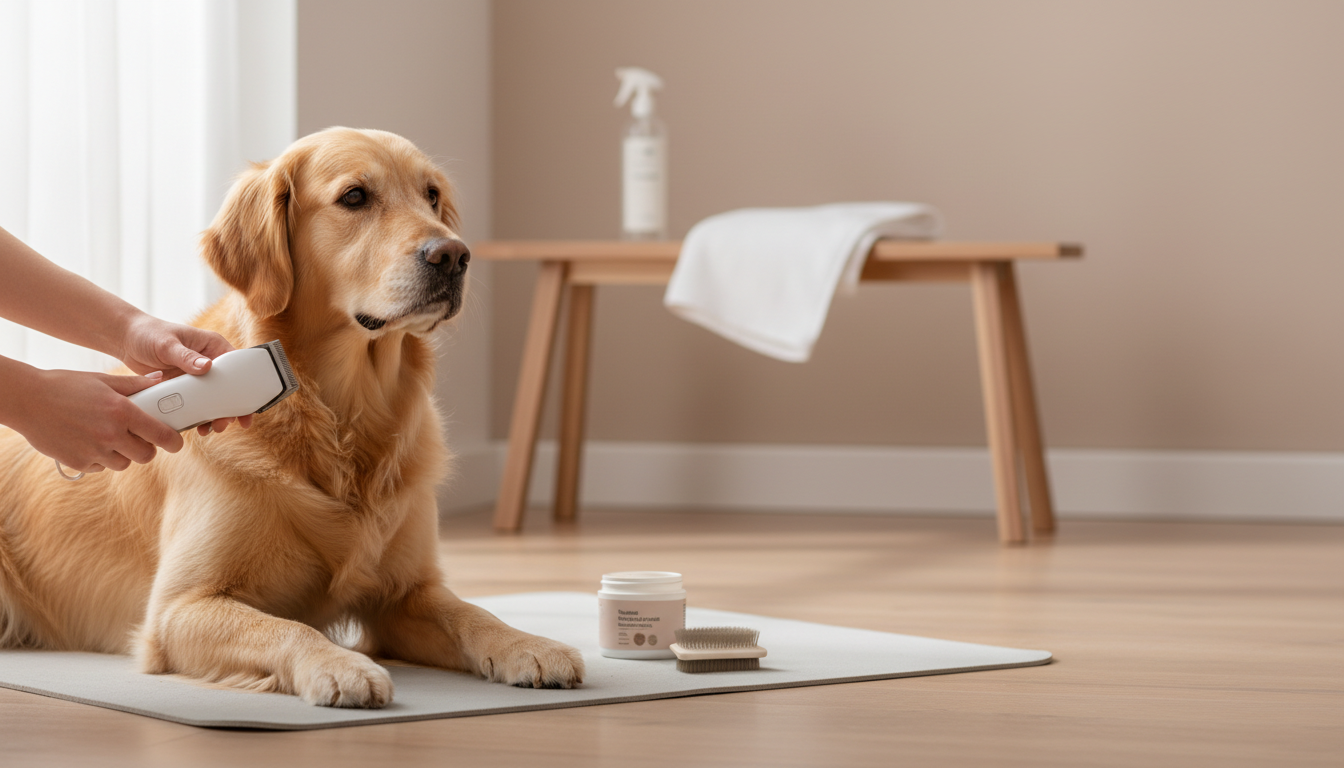
Preparing Your Dog for Grooming with Clippers: A How-To Guide for Stress-Free Sessions
Compare how to dog grooming with clippers with a practical informational SEO brief, decision criteria, FAQs, and publishing checks before you commit.
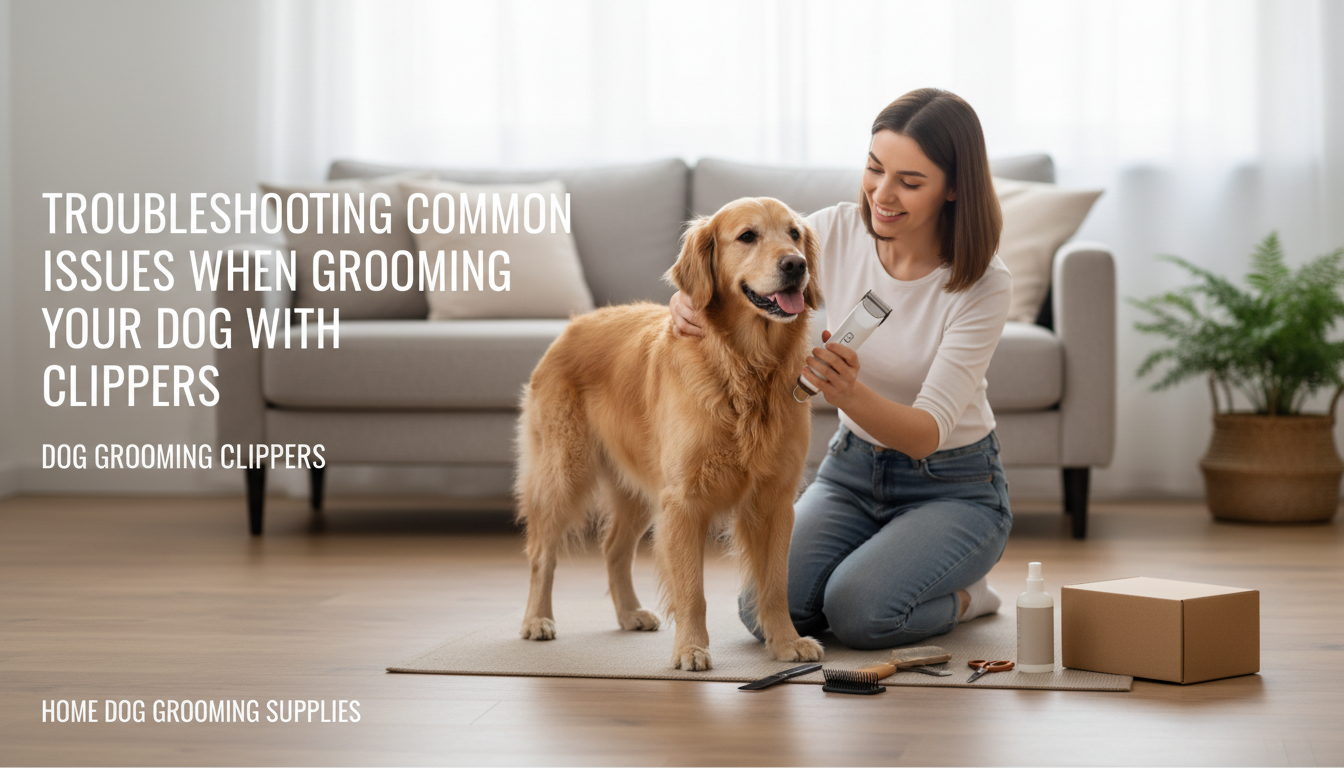
Troubleshooting Common Issues When Grooming Your Dog with Clippers
Compare grooming a dog with clippers with a practical informational SEO brief, decision criteria, FAQs, and publishing checks before you commit.
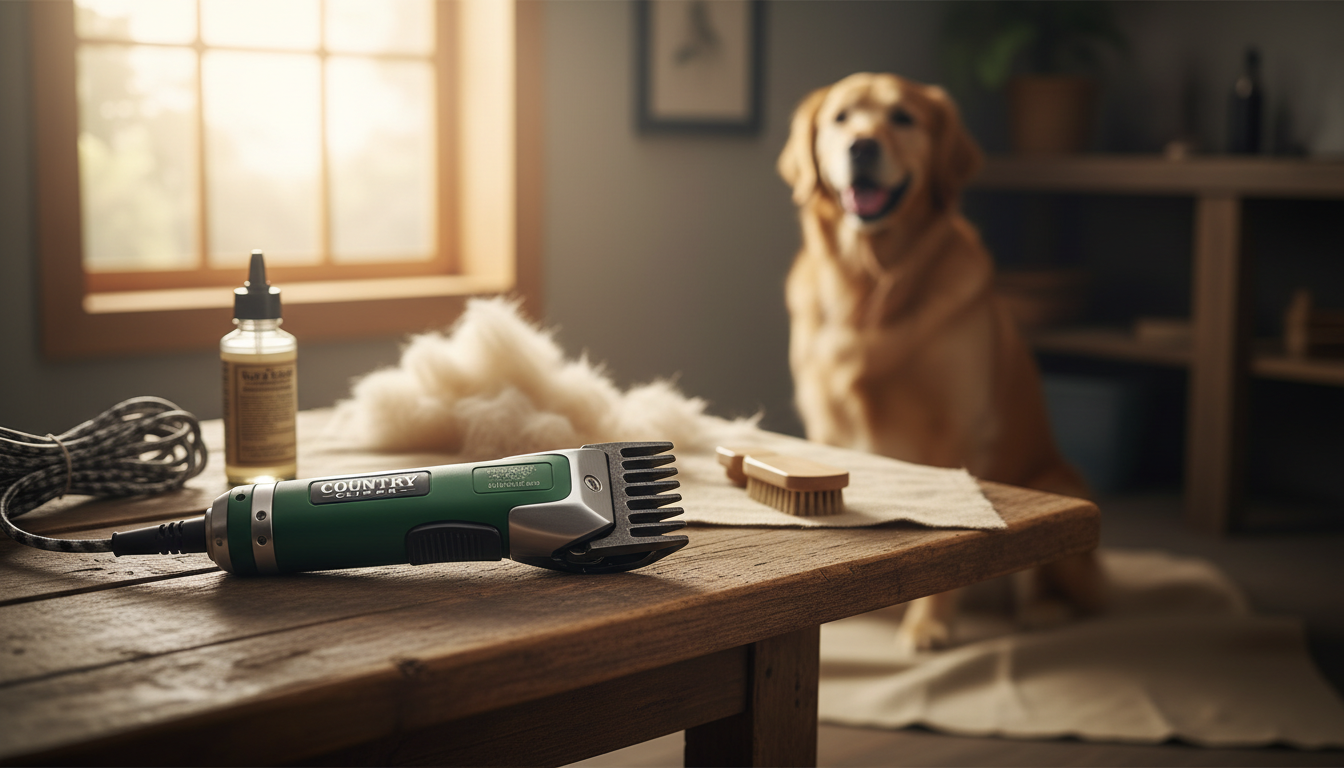
Country Clippers for Dog Grooming: Built for Durability and Demanding Use
Compare country clippers dog grooming with a practical informational SEO brief, decision criteria, FAQs, and publishing checks before you commit.