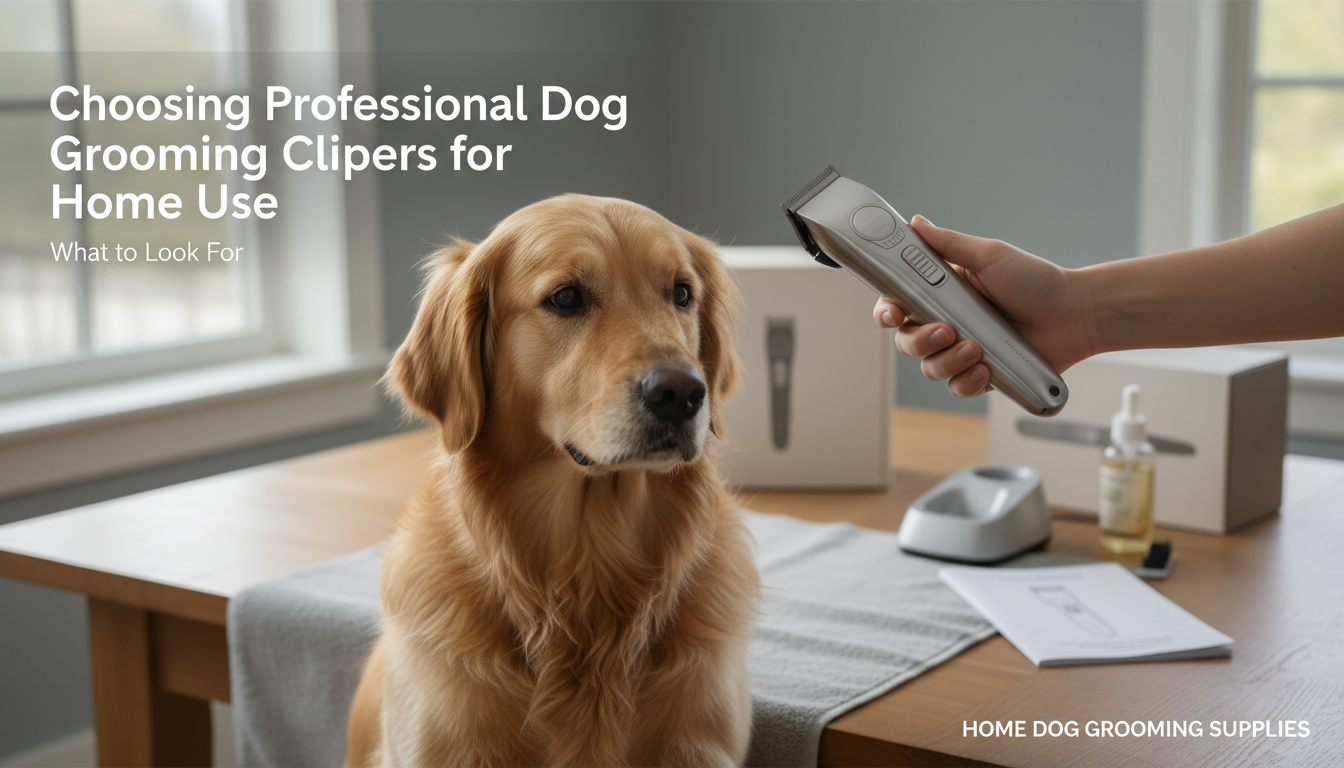
Choosing Professional Dog Grooming Clippers for Home Use: What to Look For
Unleash Professional Results: Why Invest in High-Quality Dog Grooming Clippers for Home
Many pet owners are increasingly taking on the task of grooming their dogs at home, driven by a desire for convenience, a deeper bond with their pet, and the pursuit of salon-quality results. This shift often leads to seeking tools that can deliver beyond basic trims, prompting interest in what defines "professional" dog grooming clippers for non-commercial use.
In the context of home grooming, professional-grade clippers signify tools engineered for consistent, high-performance use. Unlike entry-level models, these clippers typically feature more powerful motors, superior blade quality, and robust construction designed to handle demanding coats and extended grooming sessions. They are built for durability and precision, reflecting the standards required for efficient, reliable operation.
Investing in such equipment offers several distinct advantages. High-quality clippers are designed to cut through dense or matted fur more efficiently, reducing the time and effort required for a groom. This efficiency often translates into a smoother, more even finish, enhancing your dog's appearance. Crucially, the superior cutting action minimizes pulling and snagging, which can significantly improve your pet's comfort and reduce stress during the grooming process.
While the initial investment for professional-grade clippers is typically higher than for standard consumer models, this choice is about long-term value and performance. Understanding the specific features and maintenance requirements is essential to making an informed decision that aligns with your dog's coat type and your grooming goals.
Beyond the Basics: What Professional Clippers Offer Over Standard Models
For home groomers aiming for salon-quality results, understanding the distinction between standard and professional-grade clippers is crucial. While basic models might suffice for occasional touch-ups on simple coats, professional clippers are engineered to address more demanding grooming tasks with greater efficiency and precision, providing a superior experience for both the user and the pet.
One primary advantage lies in their superior motor power and durability. Professional clippers typically house more robust motors designed for continuous operation without significant power drop-off. This consistent performance ensures the blades maintain speed and cutting ability even through dense or challenging coats, reducing the likelihood of stalling or pulling. The construction materials are also generally more resilient, contributing to a longer lifespan and reliability under frequent use.
This enhanced power directly translates to the ability to handle various coat types without snagging or pulling. Whether dealing with thick double coats, fine silky hair, or even matted sections, professional clippers are designed to cut cleanly. Their motors can drive blades through tough fur that might overwhelm less powerful clippers, preventing discomfort for the dog and frustration for the groomer. This is particularly important for breeds with challenging coat textures or for maintaining a consistent cut across different areas of the body.
Enhanced blade quality and interchangeable options are another hallmark of professional tools. These clippers often utilize higher-grade steel or ceramic blades that stay sharper longer and dissipate heat more effectively. The system typically supports a wide array of interchangeable blades, allowing for precise control over cut length and finish. This versatility enables groomers to achieve specific styles, address different coat requirements, and fine-tune details that standard cl clippers cannot match.
Furthermore, professional clippers often feature improved ergonomics and reduced vibration. Designed for extended use, their body shapes are typically optimized for comfortable handling, minimizing hand fatigue. The engineering often includes mechanisms to dampen motor vibration and noise, which can significantly improve a pet's tolerance during grooming sessions. A quieter, smoother-running clipper can reduce anxiety for sensitive dogs, making the entire process less stressful.
While the initial investment is higher, professional clippers generally offer longer lifespan and better long-term value. Their durable construction, serviceable components, and the ability to withstand frequent use mean they often outlast multiple cheaper alternatives. This durability, combined with their superior performance and the ability to maintain a pet's coat effectively, makes them a cost-effective choice over time for dedicated home groomers.
Essential Features: What to Look for in Professional Dog Grooming Clippers
Selecting professional-grade clippers for home use requires understanding the core components that contribute to their performance and durability. These features are designed to handle diverse coat types efficiently, reduce pet stress, and ensure a comfortable grooming experience for the user.
-
Motor Type and Power Professional clippers typically employ powerful motors engineered for continuous operation and cutting through dense, matted, or thick coats.
- Rotary Motors: These are the most common in professional clippers, offering consistent power and speed. They are versatile, capable of handling a wide range of coat types, from fine to very thick, making them a reliable choice for general grooming tasks.
- Pivot Motors: While slower, pivot motors deliver high torque, making them effective for extremely thick or coarse coats. They excel at cutting through heavy fur without bogging down.
- Magnetic Motors: Known for their high blade speed, magnetic motors are often found in trimmers or for lighter, finer coats. They can be less powerful than rotary motors for heavy-duty work but offer quick, precise cutting for specific areas.
-
Blade Material and Detachability The quality and type of blades significantly impact cutting performance and pet comfort.
- Steel Blades: Durable and sharp, steel blades are a workhorse in professional grooming. They maintain a keen edge but can generate heat more quickly during extended use.
- Ceramic Blades: Often paired with a steel cutting blade, ceramic blades are prized for their ability to stay cooler for longer, reducing the risk of clipper burn and enhancing pet comfort, especially for anxious or sensitive animals. However, they can be more prone to chipping if dropped.
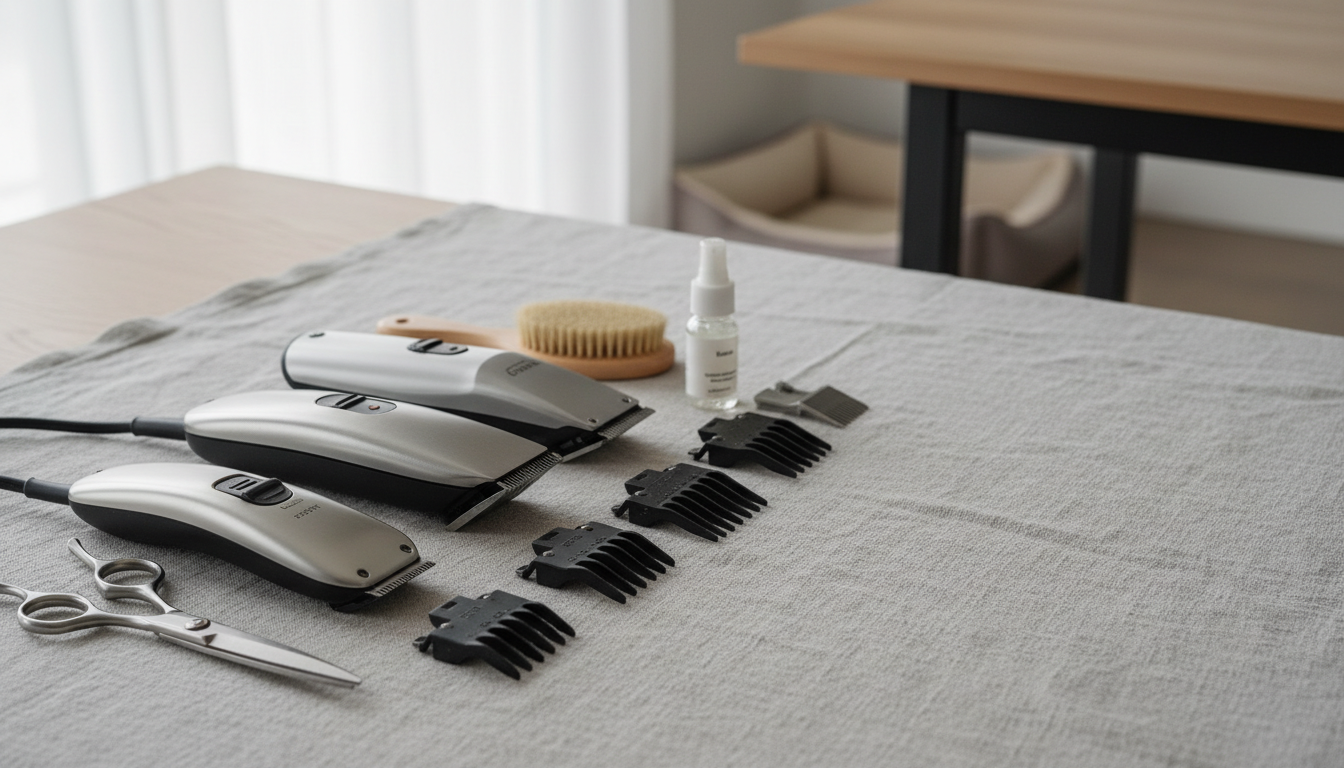
- Detachable Blades: A hallmark of professional clippers, detachable blades allow for quick changes between different sizes and types, easy cleaning, and replacement. This system also enables the use of various attachment combs for consistent coat lengths.
-
Corded vs. Cordless Operation Your choice here impacts flexibility and power delivery during grooming sessions.
- Corded Clippers: Provide consistent, uninterrupted power, eliminating concerns about battery life. They are often preferred for long grooming sessions or for dogs with particularly dense coats that require sustained power.
- Cordless Clippers: Offer superior maneuverability and freedom of movement, without the hindrance of a power cord. When considering cordless models, evaluate battery life (runtime per charge), charging time, and whether the clipper can be used while plugged in, which can be crucial for longer grooming tasks. Having spare batteries can also extend cordless operational time.
-
Noise and Vibration Levels For many pets, the sound and feel of clippers can be a source of anxiety.
- Professional-grade clippers are often engineered to operate with lower noise and vibration. This design consideration helps to minimize stress for sensitive pets and contributes to a calmer grooming environment. Reduced vibration also enhances user comfort, especially during prolonged sessions.
-
Ergonomics and Weight Grooming can be physically demanding, making the clipper's design critical for user comfort and control.
- Ergonomics: Look for a clipper with a comfortable grip that fits well in your hand, reducing strain and fatigue. A balanced design prevents wrist discomfort during extended use.
- Weight: Lighter clippers can significantly reduce hand and arm fatigue, allowing for greater precision and control, particularly when working on intricate areas or during longer grooming sessions.
-
Durability and Build Quality An investment in professional clippers should translate into a long-lasting tool.
- Indicators of good build quality include robust housing materials, solid construction, and components designed to withstand frequent use. Researching brands known for their professional-grade tools can provide insight into expected durability.
-
Blade and Attachment Comb Compatibility Versatility is key for home groomers tackling different coat types and styles.
- Ensure the clippers are compatible with a wide range of detachable blade sizes (e.g., those using a universal A5-style snap-on system) and attachment combs. This allows you to achieve various coat lengths and styles, from close cuts to longer finishes, and to address specific areas like paw pads or faces with appropriate blades.
Finding the Perfect Match: Tailoring Clippers to Your Dog's Coat and Temperament
Selecting professional-grade clippers for home use requires more than just identifying a powerful tool; it demands a precise match to your dog's unique coat, size, and disposition. The optimal choice ensures not only efficient grooming but also a comfortable and safe experience for your pet. As experienced groomers often utilize multiple machines for varied tasks and coat types, understanding your dog's specific needs is paramount to making a single, effective investment.
For dogs with thick, matted, or double coats, such as Poodles, Huskies, or Golden Retrievers, the demands on a clipper are significant. These coats require clippers with robust, high-torque motors, often found in professional models, to maintain consistent cutting power without snagging or bogging down. Look for clippers designed to handle dense fur, capable of accommodating coarse or skip-tooth blades necessary for initial dematting or bulk removal. The ability to run for extended periods without excessive heat buildup, sometimes aided by ceramic blades or efficient cooling systems, is also critical for these challenging coats.
Conversely, dogs with fine, silky, or single coats, like Yorkies or Shih Tzus, benefit from professional clippers that offer precision and a smooth finish. While their coats may be less dense, achieving a clean, even cut without lines requires sharp blades and consistent motor speed. Professional models often provide variable speed settings, allowing for lower speeds on delicate areas or higher speeds for quicker body work, which helps prevent over-cutting or skin irritation on sensitive skin.
A dog's temperament, particularly if they are sensitive or anxious, significantly influences clipper choice. Professional clippers often feature advanced motor designs, such as brushless motors, which operate with noticeably lower noise and vibration compared to standard models. This reduced sensory input can dramatically lessen stress for nervous pets, making grooming sessions more manageable and positive. Prioritizing quieter operation and minimal vibration can transform a challenging experience into a calm routine.
Finally, the ergonomic fit of the clipper impacts the home groomer's comfort and control, especially when dealing with different breed sizes. For grooming small breeds or performing intricate detail work, a lighter, more compact clipper with a comfortable grip can reduce hand fatigue and improve maneuverability. For larger breeds requiring extensive body clipping, a more substantial, well-balanced clipper might be preferred for its power and ability to cover larger areas efficiently. The objective is to find a tool that feels natural in your hand, allowing for steady, controlled movements throughout the grooming process. Ultimately, aligning the clipper's capabilities with your dog's specific characteristics is crucial for a successful and satisfying home grooming outcome.
Navigating the Downsides: Common Challenges and Trade-offs with Professional Clippers
While professional-grade clippers offer significant advantages for home grooming, they also introduce specific challenges and trade-offs that users should understand. Proactive awareness of these potential issues can help manage expectations and ensure a safer, more effective grooming experience for your pet.
One common concern is overheating, affecting both the clipper motor and its blades. Extended use, particularly on dense or matted coats, can generate significant friction and heat. Overheated blades can cause discomfort or even clipper burn on a dog's skin. To mitigate this, consider using cooling sprays directly on the blades during grooming sessions. Swapping between multiple blades or taking frequent short breaks allows blades and the motor to cool down. Some ceramic blades are also designed to run cooler than traditional steel blades, offering an alternative for heat management.
Blade maintenance and sharpening represent an ongoing commitment and cost. Professional blades require meticulous cleaning after each use, regular oiling to ensure smooth operation and prevent rust, and eventual sharpening or replacement. Neglecting this routine can quickly dull blades, leading to inefficient cutting, pulling of the dog's hair, increased motor strain, and a shorter lifespan for your equipment. This ongoing effort is a necessary part of owning high-performance grooming tools.
The initial cost of professional clippers is notably higher than entry-level models. While this upfront expense can be substantial, it's often justified by the long-term value they provide. Professional clippers are built for durability and sustained performance, potentially saving money on professional grooming services over time and offering a more reliable tool than cheaper alternatives. Understanding this balance between initial outlay and extended utility is key.
Furthermore, wielding professional tools effectively requires developing proper technique. These clippers are powerful, and incorrect handling can lead to uneven cuts, skin irritation, or even accidental nicks. There is a learning curve involved in mastering the various strokes, angles, and pressures needed to achieve a smooth, safe groom. Investing time in learning and practicing proper technique is as crucial as the clipper itself.
Thorough coat preparation is paramount, and neglecting it can severely impact performance and tool longevity. Attempting to clip a dirty, matted, or damp coat will quickly dull blades, strain the clipper motor, and result in a poor, choppy finish. Such conditions can also pull at the dog's fur, causing pain and anxiety. Proper washing, drying, and de-matting before clipping are essential steps that cannot be skipped, regardless of clipper quality.
Finally, for those opting for cordless professional clippers, managing power is a practical consideration. While cordless models offer freedom of movement, frequent or extended grooming sessions may necessitate having spare batteries or an additional charger on hand. This prevents interruptions mid-groom, ensuring you can complete the task without unexpected power loss, especially when working with larger dogs or multiple pets.
Maximizing Longevity: Essential Maintenance Tips for Your Professional Clippers
Professional-grade clippers represent a significant investment for home groomers, and their durability and consistent performance depend heavily on diligent maintenance. Proper care not only extends the lifespan of your equipment but also ensures a safer, more comfortable grooming experience for your dog by preventing dull blades, overheating, and mechanical issues. Adhering to a regular maintenance routine is crucial for preserving the precision and power of these high-performance tools.
To safeguard your clippers and maintain their efficiency:
- Thorough Cleaning After Each Use: Hair and debris can quickly accumulate within the clipper housing and between blade teeth, leading to reduced cutting efficiency and increased motor strain. After every grooming session, use a small brush to remove loose hair from the blades and the clipper body. Compressed air can also be effective for dislodging fine particles from hard-to-reach areas.
- Consistent Oiling Practices: Proper lubrication is vital for minimizing friction and heat generation. Apply a few drops of clipper oil to the blade teeth and cutting surfaces before, during (for longer sessions), and after each use. This reduces wear on the blades and motor, preventing overheating and ensuring smooth operation.
- Deep Cleaning and Sanitation: Periodically, or after grooming a pet with skin issues, detach the blades from the clipper body for a more thorough cleaning. Use a blade wash solution to remove stubborn hair, oil residue, and potential contaminants. Ensure blades are completely dry before reattaching or storing to prevent rust.
- Optimal Storage Conditions: When not in use, store your clippers in a clean, dry environment, preferably in their original case or a dedicated protective pouch. This protects them from dust, moisture, and accidental damage. Avoid storing them in areas with extreme temperature fluctuations, which can affect battery life (for cordless models) and material integrity.
- Recognizing Blade Wear: Even with meticulous care, blades will eventually dull. Signs that your blades require sharpening or replacement include pulling or snagging the dog's fur instead of cutting cleanly, requiring multiple passes to achieve an even trim, or visible rust, chips, or broken teeth. Addressing dull blades promptly prevents discomfort for your pet and excessive strain on the clipper's motor.
- Consult Manufacturer Guidelines: Always refer to the specific care instructions provided by the clipper manufacturer. These guidelines often contain model-specific advice on cleaning, oiling, and troubleshooting that can be critical for maintaining warranty validity and optimal performance.
Making Your Confident Choice: A Decision Path for Home Groomers
Selecting professional-grade dog grooming clippers for home use involves more than just picking a highly-rated model; it requires a thoughtful assessment of your specific grooming environment and your dog's unique needs. To confidently navigate this decision, consider a structured approach that prioritizes factors directly impacting your success and your pet's comfort.
Begin by evaluating the core variables that define your grooming challenges and preferences:
- Your Dog's Coat Profile: Is it fine, coarse, thick, matted, or a double coat? This dictates the required motor power, blade type compatibility, and heat management capabilities.
- Pet's Temperament: A dog prone to anxiety or noise sensitivity will benefit from quieter clippers with minimal vibration, ensuring a less stressful experience.
- Grooming Frequency: Occasional touch-ups might allow for more basic professional models, while regular, full-body grooms necessitate robust, continuously powerful clippers designed for extended use.
- Available Budget: Professional tools represent an investment. Define a realistic budget that aligns with the quality and features you deem essential for your specific needs.
- Operational Preference: Decide between the consistent, uninterrupted power of corded clippers or the freedom of movement offered by cordless models, considering battery life and charging convenience.
Once these foundational elements are clear, prioritize clipper features that directly address your most significant grooming challenges. For instance, if you have a dog with a dense, prone-to-matting coat, focus on clippers known for high torque and compatibility with various blade sizes for efficient cutting. If your primary concern is an anxious pet, prioritize models with low decibel ratings and ergonomic designs that minimize hand fatigue during potentially longer, more patient grooming sessions.
It's important to recognize that the "best" professional clipper is not a universal product but rather the one that optimally fits your individual circumstances. There is no single solution for every dog or every home groomer. Your ideal choice will balance power, noise level, ergonomics, and maintenance requirements against your dog's coat, temperament, and your personal grooming routine. By systematically weighing these factors, you can make an informed purchase that supports effective, safe, and positive grooming experiences for years to come.
Your Top Questions on Professional Grooming Clippers
Adopting professional-grade clippers for home grooming can raise several questions for pet owners. Understanding these common inquiries helps clarify expectations and promotes safer, more effective grooming practices.
Are professional clippers really necessary for home grooming?
Not every dog or grooming routine requires professional-grade clippers, but they offer significant advantages for specific situations. If your dog has a dense, thick, or matted coat, or if you plan to groom frequently, professional clippers provide the power, durability, and precision needed for a smooth, efficient cut. They are designed to handle challenging coat types without snagging or overheating, which can greatly improve your dog's comfort and reduce grooming time. For simple trims on easy-to-manage coats, a quality consumer-grade clipper might suffice, but professional models are an investment in consistent, high-quality results.
How often should I oil my clipper blades?
Regular oiling is crucial for maintaining blade performance and longevity. You should oil your clipper blades before, during, and after each grooming session. For longer grooming sessions, reapply oil every 10-15 minutes to reduce friction, prevent heat buildup, and ensure smooth operation. Proper oiling helps the blades glide efficiently, minimizing wear and tear on both the blades and the clipper motor. Always refer to the clipper manufacturer's specific maintenance guidelines for the best results.
Can I use human hair clippers on my dog?
It is generally not recommended to use human hair clippers on dogs. Dog coats are significantly different from human hair; they are often denser, coarser, and can have multiple layers. Human clippers typically have weaker motors and different blade designs not suited to cut through thick animal fur effectively. This can lead to the clippers pulling the dog's hair, causing discomfort, an uneven cut, overheating, and premature dulling of the blades. Investing in clippers specifically designed for animal grooming ensures a safer and more effective experience for your pet.
What's the best way to prevent clipper burn?
Clipper burn, or skin irritation caused by hot or improperly used blades, can be prevented with careful technique and maintenance.
- Keep blades clean and sharp: Dull or dirty blades create more friction and heat.
- Oil blades regularly: Lubrication reduces friction and helps dissipate heat.
- Check blade temperature: Frequently touch the blade to your inner wrist or arm to ensure it's not getting too hot. If it feels warm, switch to a cool blade or use a blade coolant spray.
- Use proper technique: Maintain a light, even pressure, and move the clippers smoothly with the direction of hair growth. Avoid pressing down or making repeated passes over the same area.
- Stretch the skin: Keep the skin taut to prevent nicks and allow the blade to glide more easily.
- Take breaks: Allow both your dog and the clippers to rest, especially during longer grooming sessions.
How do I know when my blades are dull?
Dull blades significantly impact grooming efficiency and your pet's comfort. Several signs indicate your clipper blades need sharpening or replacement:
- Pulling and snagging: Instead of cutting cleanly, the blades pull or tug at the fur.
- Multiple passes required: You find yourself needing to go over the same area repeatedly to achieve an even cut.
- Uneven results: The coat appears choppy or inconsistent after grooming.
- Increased noise or vibration: The clipper motor may sound strained or vibrate more than usual as it struggles to cut.
- Visible damage: Inspect the blade teeth for any chips, rust, or bent sections.
More in Dog Grooming Clippers
View All
Preparing Your Dog for Grooming with Clippers: A How-To Guide for Stress-Free Sessions
Compare how to dog grooming with clippers with a practical informational SEO brief, decision criteria, FAQs, and publishing checks before you commit.
Troubleshooting Common Issues When Grooming Your Dog with Clippers
Compare grooming a dog with clippers with a practical informational SEO brief, decision criteria, FAQs, and publishing checks before you commit.
Country Clippers for Dog Grooming: Built for Durability and Demanding Use
Compare country clippers dog grooming with a practical informational SEO brief, decision criteria, FAQs, and publishing checks before you commit.