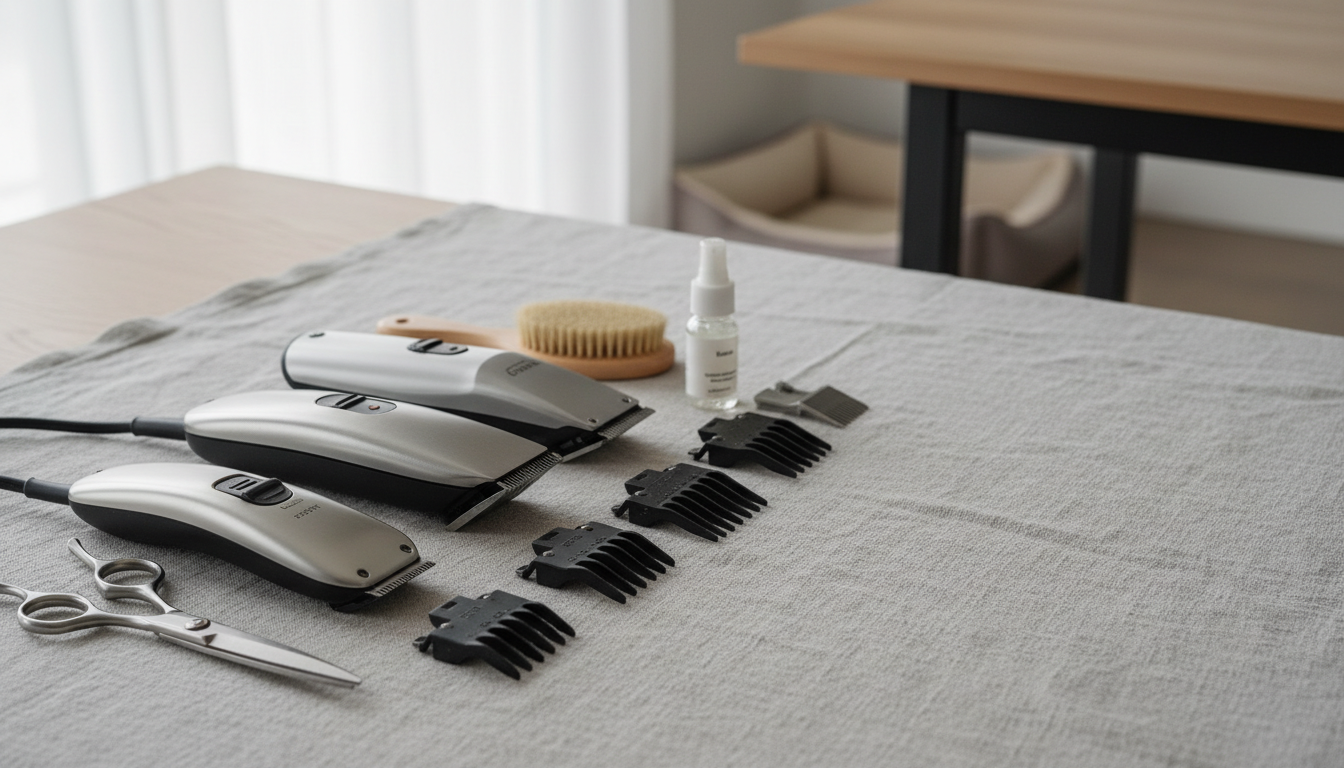
Top-Rated Professional Dog Grooming Clippers: A Guide for Discerning Home Groomers
Elevating Home Grooming: Why Professional Clippers Matter for Your Dog
The desire to provide dogs with meticulous care has led many owners to embrace home grooming. While convenient, achieving salon-quality results often requires more than basic tools. Discerning home groomers frequently seek equipment that delivers consistent, efficient performance, aiming to replicate the precision and finish of a professional groomer.
Standard or consumer-grade clippers often fall short of these expectations. They may struggle with dense, matted, or diverse coat types, leading to uneven cuts, snagging, or premature wear. This can result in a frustrating experience for both the groomer and the dog, and ultimately, an unsatisfactory outcome that mirrors past "bad purchases."
Investing in best-rated professional dog grooming clippers offers distinct advantages. These tools are engineered for durability and power, designed to cut through various fur textures efficiently and smoothly. This not only streamlines the grooming process but also contributes to a more comfortable experience for your dog and helps maintain coat health. High-quality clippers are built to last longer and perform reliably, making them a worthwhile consideration for regular home use.
This guide will help you navigate the options, focusing on criteria that align with professional-grade performance. You will learn how to identify clippers that match your specific needs, your dog's coat type, and your grooming frequency, empowering you to make an informed decision and minimize the risk of unsatisfactory purchases.
Decoding 'Professional-Grade': What It Truly Means for Home Groomers
For discerning home groomers, "professional-grade" signifies more than just a label; it points to a set of design and engineering principles that translate into superior performance and durability. These clippers are built to handle the varied demands of different coat types and frequent use, offering a level of precision and reliability often missing in consumer-grade models. Understanding these core attributes helps ensure your investment yields consistent, high-quality results.
At the heart of professional clippers lies the motor, primarily rotary. Unlike pivot or magnetic motors often found in lighter-duty clippers, rotary motors deliver consistent power and speed (RPM) regardless of the coat density. This sustained power is crucial for cutting through thick, matted, or coarse fur without snagging or stalling, which can cause discomfort to your dog and frustration for the groomer. High RPMs, coupled with robust motor power, ensure a clean, efficient cut, reducing the need for multiple passes and minimizing grooming time.
Blade quality and material are equally critical. Professional clippers typically utilize high-carbon steel or ceramic blades. Steel blades offer exceptional sharpness and durability, while ceramic blades are known for staying cooler during extended use, reducing the risk of skin irritation. Most professional systems feature detachable blades (often referred to as A5-style), which allow for quick changes between different cutting lengths and are easier to clean and maintain than adjustable blades. This versatility is essential for tackling various body parts and coat finishes.
The choice between corded and cordless functionality presents a trade-off for home use.
- Corded clippers provide uninterrupted, consistent power, eliminating concerns about battery life or power degradation during long grooming sessions. They are often favored for their raw cutting strength.
- Cordless clippers offer unparalleled freedom of movement and maneuverability, which can be beneficial for anxious dogs or awkward angles. However, their performance relies on battery life and charge level. For extended use, having spare batteries or a fast-charging system becomes a practical consideration to avoid mid-groom interruptions.
Professional models prioritize the comfort of both the dog and the groomer. Low noise and vibration are key features, achieved through advanced motor design and dampening mechanisms. A quieter, smoother-running clipper significantly reduces stress and anxiety for sensitive dogs, making the grooming experience more positive. Furthermore, ergonomics, weight, and durability are carefully considered. Professional clippers are designed to be comfortable to hold during extended sessions, minimizing hand fatigue, and are constructed from robust materials to withstand frequent, rigorous use over many years.
Finally, heat management is a vital aspect of professional-grade design. Continuous operation generates heat, which can make blades uncomfortably hot for the dog and shorten blade lifespan. Professional clippers often incorporate efficient motor cooling systems and are designed to dissipate heat more effectively. Even with these features, regular cleaning, oiling, and occasional breaks or the use of blade coolants remain important practices to ensure both the dog's comfort and the longevity of your equipment.
Beyond the Buzz: Essential Factors for Choosing Top-Rated Clippers
Selecting professional-grade clippers requires a deliberate approach, moving past marketing claims to focus on practical considerations that directly impact grooming outcomes. For discerning home groomers aiming for consistent, high-quality results and seeking to avoid the frustrations of past unsatisfactory purchases, evaluating these key factors is crucial. This checklist helps align clipper capabilities with your specific needs and your dog's unique characteristics.
- Dog's Coat Type and Thickness: The primary determinant for clipper power and blade selection.
- Consideration: Dogs with dense, double, or matted coats require clippers with robust rotary motors and durable, sharp blades (e.g., ceramic or high-carbon steel) to cut efficiently without snagging or overheating. Fine or silky coats may still benefit from professional power for a smooth finish, but might tolerate less aggressive blades.
- Risk: Underpowered clippers will struggle, leading to an uneven cut, pulling the dog's hair, and premature motor wear.
- Frequency and Type of Grooming: Your grooming routine dictates the required durability and features.
- Consideration: If you perform full-body clips regularly or groom multiple dogs, a heavy-duty, often corded, model with superior cooling and continuous power might be more suitable. For occasional touch-ups or light trims, a high-quality cordless model offering maneuverability and sufficient runtime could suffice.
- Trade-off: Corded models offer consistent power but limit movement; cordless models provide flexibility but require battery management.
- Dog's Temperament and Sensitivity: Prioritizing comfort for an anxious or sensitive dog is paramount.
- Consideration: Look for models specifically engineered for low noise and minimal vibration. These features can significantly reduce stress during grooming, making the experience more positive for your pet and easier for you.
- Fit: Quieter operation can sometimes be a characteristic of specific motor designs or dampening technologies, which may influence model choice.
- User Skill Level: Ease of use and maintenance should align with your grooming proficiency.
- Consideration: For home groomers, features like easy-to-change snap-on blades and intuitive maintenance (e.g., simple oiling points) can reduce frustration. While professional clippers are powerful, some models offer ergonomic designs that are more forgiving for less experienced hands.
- Risk: Overly complex blade systems or maintenance requirements can lead to improper care, reducing clipper lifespan and performance.
- Budget as an Investment: View the purchase as a long-term asset rather than a short-term expense.
- Consideration: Higher-quality professional clippers typically feature superior motor construction, durable housing, and precision-engineered blades, translating to a longer lifespan and consistent performance. This often mitigates the need for frequent replacements due to failure or poor cutting ability.
- Value: An initial higher investment can save money and frustration in the long run by avoiding the cycle of purchasing inadequate tools.
- Availability of Accessories and Replacement Parts: Ensure long-term usability and versatility.
- Consideration: Check for the ease of finding compatible guide combs, different blade sizes (e.g., skip tooth, finish blades), and essential spare parts like batteries (for cordless models). A wide range of accessories enhances the clipper's adaptability to various coat styles and lengths.
- Fit: A clipper is only as good as its support system; readily available parts ensure your tool remains functional and versatile for years.
Troubleshooting Your Grooming Session: Avoiding Common Clipper Frustrations
Even with top-rated professional clippers, discerning home groomers can encounter frustrating issues that disrupt a smooth grooming session. Understanding these potential "failure points" and knowing how to address them can prevent discomfort for your dog, extend the life of your equipment, and ensure a consistent, high-quality finish. Proactive preparation and informed troubleshooting are key to transforming past negative experiences into confident grooming outcomes.
-
Clipper Overheating Professional clippers generate heat during operation, which can become excessive with continuous use, insufficient lubrication, or dirty blades. An overheated clipper or blade can cause skin irritation or even burns to your dog, and can damage the clipper motor.
- Prevention and Solutions:
- Regular Oiling: Apply clipper oil to blades before and during use, typically every 10-15 minutes, to reduce friction and heat.
- Cooling Sprays: Utilize blade cooling sprays to instantly reduce blade temperature and disinfect.
- Strategic Breaks: Take short breaks during long grooming sessions, allowing blades and motors to cool naturally. Consider using multiple blades and rotating them, or having a backup clipper.
- Clean Blades: Ensure blades are free of hair and debris, as build-up can increase friction and heat.
- Prevention and Solutions:
-
Dull Blades A sharp blade is fundamental for an efficient and comfortable groom. Dull blades are a common cause of pulling, uneven cuts, and increased grooming time, leading to discomfort for the dog and strain on the clipper motor.
- Signs: Blades fail to cut cleanly, leave track marks, or require multiple passes over the same area. You may also notice your dog reacting negatively, indicating pulling.
- Solutions:
- Professional Sharpening: Invest in professional blade sharpening services when blades become dull.
- Replacement Blades: Keep spare, sharp blades on hand, especially for different coat types or lengths. Regular replacement is part of routine professional clipper maintenance.
-
Pulling Hair or Snagging This is often a sign of a problem with the blade, the coat, or the grooming technique. It causes pain and anxiety for the dog, making future grooming sessions more challenging.
- Common Causes: Dull or dirty blades, a matted or improperly prepared coat, incorrect blade tension, or grooming too quickly against the natural lay of the hair.
- Remedies:
- Coat Preparation: Always bathe, thoroughly dry, and demat your dog before clipping. A clean, tangle-free coat allows blades to glide smoothly.
- Blade Condition: Ensure blades are sharp, clean, and properly oiled. Check blade tension according to manufacturer guidelines.
- Technique: Use slow, even strokes, moving with or against the grain depending on the desired cut and coat type. Avoid forcing the clipper through dense areas.
-
Motor Issues or Loss of Power A professional clipper should deliver consistent power. A sudden loss of power or unusual motor sounds can indicate an underlying issue.
- Troubleshooting Steps:
- Power Source: For corded clippers, check the outlet and cord for damage. For cordless models, ensure the battery is fully charged.
- Blade Obstruction: Remove blades and check for hair or debris jammed in the drive lever or motor mechanism.
- Lubrication: Ensure the drive lever and blade drive are adequately lubricated.
- When to Seek Professional Service: If basic troubleshooting doesn't resolve persistent power loss, unusual grinding noises, or complete motor failure, professional repair may be necessary. Investing in professional-grade tools often means access to repair services.
- Troubleshooting Steps:
-
Battery Performance Decline (Cordless Models) For the flexibility of cordless grooming, battery health is crucial. A declining battery can lead to mid-groom interruptions and reduced cutting efficiency.
- Tips for Extending Battery Life:
- Follow Charging Protocols: Adhere to the manufacturer's recommended charging cycles; avoid overcharging or letting the battery completely drain too often.
- Optimal Storage: Store clippers and batteries in a cool, dry place, away from extreme temperatures.
- Spare Batteries: Consider purchasing additional battery packs, especially for longer grooming sessions or multiple dogs, to ensure continuous operation.
- Tips for Extending Battery Life:
Ultimately, many common frustrations can be mitigated by prioritizing proper coat preparation—bathing, drying, and thoroughly brushing out tangles and mats—before any clipping begins. Coupled with diligent maintenance of your professional tools and a patient, consistent grooming technique, you can significantly reduce the risk of unsatisfactory results and ensure a positive experience for both you and your dog.
Extending the Life of Your Clippers: Essential Care for Lasting Performance
Investing in professional-grade dog grooming clippers for home use is a commitment to quality results. To protect this investment and ensure your tools consistently deliver optimal performance, a diligent maintenance routine is essential. Proper care not only prolongs the lifespan of your clippers but also maintains their cutting efficiency, reduces the risk of discomfort for your dog, and prevents the premature wear that often leads to unsatisfactory grooming experiences.
Here's how discerning home groomers can implement effective care practices:
-
Immediate Post-Groom Cleaning After each grooming session, thoroughly remove all hair and debris from the clipper blades and body. Hair buildup is a primary cause of blade dullness and motor strain.
- Brush Away Hair: Use a small, stiff-bristled brush (often included with clippers) to clear hair from between the blade teeth and around the housing.
- Air or Vacuum: A can of compressed air or a fine-nozzle vacuum attachment can effectively dislodge stubborn hair particles from intricate areas.
- Blade Wash: For a deeper clean, especially after cutting through dirty or oily coats, immerse only the blade in a specialized blade wash solution while the clipper is running for a few seconds. This helps flush out microscopic debris. Always ensure the blade is thoroughly dried immediately afterward to prevent rust.
-
Consistent Blade Lubrication Proper oiling is crucial for reducing friction, preventing overheating, and maintaining sharp cutting edges.
- Why: Lubrication minimizes heat generation from metal-on-metal contact and allows the blades to glide smoothly, preventing pulling and snagging.
- How Often: Apply a few drops of clipper oil before, during (for extended grooming sessions), and immediately after each use.
- Application: With the clipper running, apply 2-3 drops of the recommended clipper oil across the top of the blade teeth and 1-2 drops on each side of the blade rails. Let the clipper run for approximately 10-15 seconds to distribute the oil, then wipe off any excess with a clean cloth. Never use household oils, as they can gum up the mechanism.
-
Disinfection for Hygiene Beyond cleaning, sanitizing your blades helps prevent the spread of bacteria or fungi, protecting your dog's skin health.
- Method: After cleaning and oiling, use a clipper disinfectant spray. Spray the blades thoroughly, following the product's instructions for contact time, then wipe dry. Ensure the product is safe for use on pet grooming tools.
-
Secure Storage Practices Protecting your clippers from physical damage and environmental factors is key to their longevity.
- Dry Environment: Store clippers and blades in a dry place, away from humidity, which can lead to rust.
- Protective Casing: Utilize the original hard case or a dedicated protective pouch to prevent accidental drops, impacts, or pressure on the blades.
- Organized Space: Keep clippers separate from other tools that might scratch or damage them.
-
Blade Sharpening vs. Replacement Even with diligent care, blades will eventually dull. Knowing when to sharpen and when to replace is a critical decision.
- Sharpening: If blades begin to pull hair, leave track marks, or feel less efficient but show no physical damage, they likely need professional sharpening. Seek out reputable services specializing in pet grooming blades.
- Replacement: Blades with nicks, broken teeth, or excessive wear (e.g., thinning areas on the cutting surface) should be replaced. Attempting to use damaged blades can injure your dog or lead to an uneven, frustrating groom.
-
Battery Care for Cordless Models Cordless professional clippers offer flexibility, but their batteries require specific attention to maintain charge capacity and lifespan.
- Optimal Charging: Avoid completely draining the battery before recharging. Aim to recharge when the power indicator shows a low but not empty state.
- Avoid Overcharging: While many modern chargers have auto-shutoff, prolonged connection to a charger after full charge can still degrade battery health over time. Disconnect once fully charged.
- Long-Term Storage: If storing cordless clippers for an extended period, charge the battery to about 50-70% capacity rather than full or empty.
- Spare Batteries: For home groomers who anticipate longer grooming sessions or frequent use, having a fully charged spare battery can prevent mid-groom interruptions.
Your Perfect Match: A Decision Guide for Top-Rated Professional Clippers
Selecting the ideal professional-grade clippers for home grooming is less about finding a single "best" model and more about aligning specific features with your unique needs and your dog's characteristics. The goal is to move beyond past unsatisfactory purchases by making an evidence-based choice that guarantees quality results and a positive grooming experience.
Consider these factors to synthesize your priorities:
- Your Dog's Coat Profile:
- Density and Texture: Thick, dense, or matted coats demand clippers with robust rotary motors that maintain consistent power and speed (RPM) without bogging down. Finer, thinner coats might allow for a broader range of motor strengths.
- Undercoat vs. Topcoat: Double-coated breeds require clippers capable of navigating both layers efficiently, often necessitating specific blade types and motor power to prevent pulling or uneven cuts.
- Grooming Frequency and Scope:
- Occasional Touch-ups: If you primarily perform light trims or maintenance between professional grooms, a slightly less powerful but perhaps quieter model might suffice.
- Full Body Grooms: Frequent, comprehensive grooming sessions necessitate durable clippers designed for extended use, with superior heat dissipation and consistent performance over time.
- Dog's Temperament and Sensitivity:
- Noise and Vibration: Anxious or noise-sensitive dogs benefit significantly from clippers engineered for quieter operation and minimal vibration. Prioritizing these features can reduce stress during grooming.
- Maneuverability: For skittish dogs or intricate areas, cordless clippers offer greater freedom of movement, reducing the chance of accidental tugs from a power cord.
Navigating Key Trade-offs
Professional-grade clippers often present inherent trade-offs that influence your ultimate satisfaction. Understanding these helps manage expectations and prioritize features:
- Power vs. Noise/Heat: Generally, higher-powered motors, essential for dense coats, can generate more noise and heat. While professional models incorporate cooling mechanisms, prolonged use may still require blade cooling sprays or periodic breaks.
- Corded Consistency vs. Cordless Freedom: Corded clippers provide uninterrupted, consistent power, ideal for long grooming sessions without battery concerns. Cordless models offer unparalleled portability and maneuverability, but battery life and potential torque reduction as the charge depletes are considerations.
- Weight vs. Durability: Clippers built with heavy-duty components for longevity can be heavier. For extended grooming, ergonomic design and a balanced weight distribution become critical to prevent hand fatigue.
- Cost vs. Performance/Lifespan: Professional clippers represent an investment. While budget options exist, they often compromise on motor quality, blade compatibility, or overall durability, leading to a shorter lifespan and less effective grooming.
Actionable Steps for Your Final Selection
The "best" professional clipper is ultimately the one that seamlessly integrates into your home grooming routine, addressing your dog's specific needs, and delivering the results you expect.
- Define Your Non-Negotiables: Based on your dog's coat and temperament, identify 1-2 features that are absolute must-haves (e.g., quiet operation, extreme power for matting).
- Review Blade Compatibility: Ensure the clippers support a range of professional-grade blades (e.g., ceramic, steel, different cut lengths) that match your grooming needs.
- Consider Maintenance: Evaluate the ease of cleaning, oiling, and blade changes. Proper maintenance is crucial for longevity and consistent performance.
- Compare Shortlisted Options: With your priorities and trade-offs in mind, compare models that meet your core criteria. Focus on user reviews that mention similar dog breeds or coat challenges to yours.
Your Professional Clipper Questions Answered
Discerning home groomers often have specific questions when considering professional-grade clippers. Understanding these nuances can help in making an informed decision and ensuring a positive grooming experience for both you and your dog.
-
Are professional clippers really worth the investment for home grooming? Yes, for home groomers committed to regular grooming or those with dogs possessing challenging coat types, professional clippers often prove to be a worthwhile investment. They are engineered for durability and power, designed to cut through dense or matted fur more efficiently and consistently than consumer-grade models. This leads to smoother results, reduces grooming time, and minimizes stress on the dog, ultimately preventing the frustration associated with underperforming tools.
-
What's the difference between single-speed and multi-speed clippers, and which is better? Single-speed clippers operate at a constant motor speed, providing consistent power. Multi-speed clippers, conversely, allow you to adjust the motor's revolutions per minute (RPM). This versatility enables lower speeds for sensitive areas, quieter operation for anxious dogs, or higher speeds for tackling thick, dense, or matted coats more effectively. For home groomers dealing with varied coat types or dogs with different temperaments, multi-speed options often offer greater control and adaptability.
-
How often should I replace clipper blades? Clipper blades do not have a fixed replacement schedule, as their lifespan depends heavily on usage frequency, coat type, and proper maintenance. Instead of replacing them on a calendar, focus on signs of dullness. Regular cleaning, oiling, and proper storage can significantly extend blade life. When blades begin to pull hair, leave track marks, or require multiple passes to cut, it's typically an indicator that they need sharpening or replacement.
-
Can I use human hair clippers on my dog? It is generally not recommended to use human hair clippers on dogs. Dog coats are fundamentally different from human hair; they are often thicker, denser, and have varying textures that human clippers are not designed to handle. Using human clippers can lead to snagging, pulling, uneven cuts, and excessive heat buildup, which can be uncomfortable or even painful for your dog. Dog-specific clippers are engineered with appropriate motor power and blade designs for canine coats.
-
What are the safest clippers for dogs with sensitive skin or anxiety? For dogs with sensitive skin or anxiety, look for clippers that prioritize quiet operation, low vibration, and efficient cutting to minimize pulling. Cordless models often excel in noise and vibration reduction, providing a less intimidating experience. Additionally, ensuring your blades are always sharp and well-oiled is crucial, as dull blades can pull hair and irritate the skin. Clippers designed to run cool also help prevent skin discomfort from heat.
-
How do I know if my clipper blades are dull? Several signs indicate that your clipper blades are dull and require attention:
- Pulling or Tugging: The most common sign is that the clippers start pulling your dog's hair instead of cutting it cleanly.
- Leaving "Track Marks": Dull blades may leave uneven lines or "track marks" in the coat rather than a smooth finish.
- Requiring Multiple Passes: You find yourself needing to go over the same section of fur repeatedly to achieve a cut.
- Increased Noise/Vibration: While clippers always make some noise, dull blades can cause the entire unit to vibrate more or produce a different, strained sound.
- Overheating Quickly: Even with proper oiling, dull blades generate more friction and can heat up faster than sharp ones, potentially causing discomfort to your dog.
More in Dog Grooming Clippers
View All
Preparing Your Dog for Grooming with Clippers: A How-To Guide for Stress-Free Sessions
Compare how to dog grooming with clippers with a practical informational SEO brief, decision criteria, FAQs, and publishing checks before you commit.
Troubleshooting Common Issues When Grooming Your Dog with Clippers
Compare grooming a dog with clippers with a practical informational SEO brief, decision criteria, FAQs, and publishing checks before you commit.
Country Clippers for Dog Grooming: Built for Durability and Demanding Use
Compare country clippers dog grooming with a practical informational SEO brief, decision criteria, FAQs, and publishing checks before you commit.