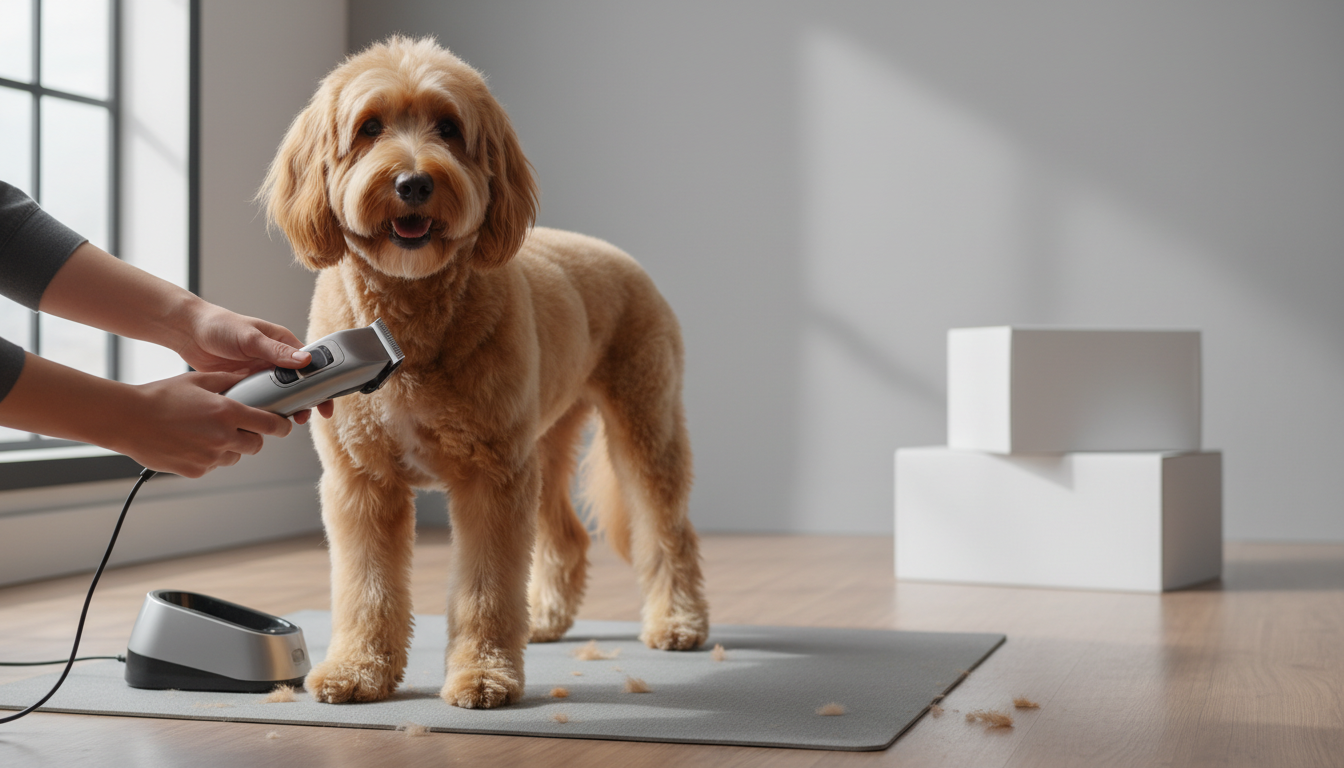
Electric Dog Grooming Clippers: Power and Efficiency for a Smooth Home Groom
Unleash a Smooth Groom: Your Guide to Electric Dog Grooming Clippers
Maintaining your dog's coat at home offers benefits ranging from convenience and cost savings to strengthening your bond. Electric dog grooming clippers are essential tools designed to empower pet owners to achieve professional-looking trims without a trip to the salon. These powered devices offer efficiency and precision, making the grooming process smoother for both you and your canine companion.
The trend of at-home pet care continues to grow, with more owners seeking reliable equipment to manage their dog's hygiene and appearance. However, selecting the right electric clippers requires understanding various features and how they align with your dog's specific needs.
This guide will equip you with the knowledge to confidently choose electric dog grooming clippers. We'll explore key criteria, discuss the trade-offs involved with different models, and highlight how to match clippers to your dog's coat type and temperament. By understanding these factors, you can avoid common operational issues and ensure a safe, effective, and stress-free grooming experience at home.
Why Electric Clippers Are a Game-Changer for Home Groomers
For many home groomers, electric clippers represent a significant upgrade from traditional manual methods, fundamentally changing how they approach their dog's coat care. These devices address common frustrations and offer distinct advantages that empower owners to achieve more consistent and efficient results.
Compared to manual shears, electric clippers provide a level of power and consistency that is difficult to replicate by hand. This motor-driven force allows for:
- Effortless Cutting: Electric motors drive blades through even dense or matted fur with less effort, reducing the physical strain on the groomer and minimizing tugging or pulling on the dog's coat.
- Uniform Results: With interchangeable blades and guide combs, electric clippers ensure a consistent cut length across the entire coat, leading to a more polished and professional appearance than often achievable with manual trimming.
- Enhanced Efficiency: The speed and cutting power of electric clippers drastically reduce grooming time, making the process quicker and less stressful for both the dog and the owner.
Beyond manual tools, electric clippers also offer a compelling alternative to frequent professional grooming appointments. While professional groomers offer expertise, electric clippers provide:
- Cost-Effectiveness: Investing in a quality set of electric clippers can lead to substantial long-term savings compared to recurring salon visits.
- Convenience and Control: Owners can groom their dogs on their own schedule, in a familiar home environment, which can be particularly beneficial for anxious pets. This also allows for immediate touch-ups as needed.
Crucially, electric clippers are designed to handle a wide spectrum of coat types with consistent power. From fine, silky coats to thick, double-layered breeds, selecting the appropriate clipper and blade combination allows home groomers to tackle diverse grooming challenges. This capability solves the problem of struggling with inadequate tools that might snag, overheat, or simply fail to cut through challenging fur, offering a reliable solution for maintaining a well-groomed coat at home.
Essential Features: What to Look for in Electric Dog Grooming Clippers
Selecting the right electric dog grooming clippers involves understanding how specific features directly influence performance, user experience, and overall suitability for your dog's coat and temperament. Evaluating these core components will help you narrow down options to those that best meet your home grooming needs.
-
Power Source: Corded vs. Cordless Corded clippers offer consistent, uninterrupted power, making them ideal for lengthy grooming sessions without concern for battery depletion. They generally provide robust motor performance. Conversely, cordless models prioritize portability and maneuverability, which can be invaluable for grooming anxious dogs or reaching awkward angles without a restrictive cord. However, battery life and charging time become critical considerations; a longer run-time is beneficial for completing a full groom. The choice between corded and cordless materially changes your shortlist based on your grooming environment and the duration of your typical session.
-
Motor Strength and Duty Cycle The motor's power dictates how effectively clippers handle different coat types. Light-duty motors are suitable for fine hair, touch-ups, or small breeds. Medium-duty motors offer a balance for general home grooming of average coats. For dogs with dense, thick, or matted coats, heavy-duty motors are essential to prevent snagging, pulling, and overheating. Matching the motor's capability to your dog's specific coat thickness is a primary factor that should significantly influence your selection.
-
Blade Construction and Material High-quality blades are fundamental for a clean, efficient cut and clipper longevity. Look for blades made from durable materials like stainless steel or hardened steel. These materials contribute to sharpness retention and resistance to corrosion. Sharp blades ensure a smooth pass through the coat, reducing the risk of skin irritation for your dog and making the grooming process more pleasant.
-
Adjustable Blade Settings Clippers with adjustable blade options provide versatility for various grooming tasks. These settings allow you to change the cutting length without switching out entire blade sets, which is particularly useful for delicate areas such as paws, ears, and the face, where precision and shorter lengths are often required. This feature can streamline the grooming process and enhance safety.
-
Noise and Vibration Levels Many dogs are sensitive to loud noises and vibrations, which can make grooming a stressful experience. Clippers designed with low-noise and minimal vibration technology can significantly improve your dog's comfort and cooperation during a trim. Prioritizing quieter models is crucial if your dog is easily startled or anxious, as this directly impacts their willingness to be groomed.
-
Ergonomics and Weight Grooming can be a time-consuming task, so the comfort of the clippers in your hand is important. Ergonomic designs, balanced weight distribution, and a comfortable grip reduce hand fatigue, especially during longer sessions. A lightweight clipper can also offer better control and precision, contributing to a more confident and effective grooming experience.
When shortlisting electric dog grooming clippers, the most impactful criteria are your dog's coat type (determining motor power), their sensitivity to noise (influencing motor design), and your preferred grooming location and session length (guiding the corded vs. cordless decision). These factors will substantially narrow your choices to suitable and effective tools.
Matching Clippers to Your Dog's Coat Type and Grooming Needs
Selecting electric dog grooming clippers that align with your dog's specific coat characteristics is crucial for an effective, comfortable, and safe grooming experience. A mismatch between the clipper's capabilities and the dog's fur can lead to pulling, uneven cuts, overheating, and frustration for both pet and owner. Understanding your dog's coat type is the foundational step in choosing the right tool.
Different canine coats present unique challenges and require varying levels of power and specific blade types:
- Thin or Fine Coats: Dogs with single-layer, fine, or silky coats (e.g., Yorkshire Terriers, Maltese) generally require less powerful clippers. Blades designed for fine hair, often with closer teeth, can achieve a smooth finish without snagging.
- Thick, Dense, or Double Coats: Breeds like Huskies, Golden Retrievers, or Sheepdogs possess thick undercoats and coarser guard hairs. These coats demand robust clippers with powerful motors to prevent bogging down or pulling. Using an underpowered clipper on a dense coat can lead to inefficient cutting and potential overheating of the clipper or blade.
- Curly or Wavy Coats: Poodles, Bichon Frises, and other curly-coated breeds often have hair that can be challenging to cut cleanly. Sharp, high-quality blades are essential to glide through curls without snagging or leaving track marks.
- Matted Coats: While clippers can help with some matting, severely matted coats often require professional dematting or a very short shave with specialized blades to safely remove the matts without harming the skin. Regular grooming aims to prevent this condition.
The distinction between 'light to medium' and 'medium to heavy' duty clippers is paramount. Light to medium-duty clippers are typically suitable for touch-ups, single-coated breeds, or dogs with thinner hair. Conversely, medium to heavy-duty clippers are engineered with more powerful motors and durable components to handle the demands of thick, dense, or double coats, ensuring a smoother cut without excessive strain on the motor. Always verify the product description to confirm it aligns with your dog's specific coat type and condition.
Beyond the general body groom, specific areas of your dog's anatomy require different considerations:
- Body Grooming: For the main body, you'll typically use the primary electric clippers with a suitable blade size and guide comb to achieve the desired length.
- Face, Paw Pads, and Sanitary Areas: These delicate and often sensitive regions benefit from specialized tools. Precision trimmers, often smaller, quieter, and featuring narrower heads, are designed for intricate work around the eyes, ears, between paw pads, and for sanitary trims. Their smaller blades and reduced vibration minimize the risk of nicks and enhance comfort in these sensitive spots.
Choosing clippers with sharp, high-quality blades, often made from stainless or hardened steel, is vital for precision and longevity across all coat types and areas. Adjustable blade options can further enhance versatility, making it easier to adapt to different hair lengths and delicate zones.
Avoiding Common Clipper Problems: Maintenance and Usage Best Practices
Achieving a smooth home groom with electric clippers depends not just on the initial purchase, but also on consistent best practices for usage and maintenance. Overlooking these steps can lead to frustrating performance issues, discomfort for your dog, and a shortened lifespan for your equipment. Understanding potential pitfalls and how to prevent them is key to a professional-quality trim.
One frequent issue is clipper overheating, which can cause discomfort for your dog and damage the clipper motor. This often occurs when the motor works excessively hard or when airflow is restricted. To prevent this:
- Take breaks: Allow the clippers to cool down periodically, especially during longer grooming sessions or when working on dense coats.
- Clean vents: Regularly clear hair and debris from the clipper's ventilation openings to ensure proper airflow.
- Lubricate blades: Ensure blades are consistently oiled, as friction from dry blades generates heat and increases motor strain.
Maintaining blade sharpness is crucial for effective cutting. Dull blades pull and snag hair, causing pain for your dog and an uneven cut. Blade problems are frequently mistaken for clipper motor failure.
- Clean thoroughly: After each use, remove all hair from the blades with a brush and use a blade cleaner or disinfectant.
- Oil regularly: Apply a few drops of clipper oil to the blades before, during (every 10-15 minutes), and after each grooming session. This reduces friction, keeps blades sharp, and prevents rust.
- Monitor for dullness: If blades begin to pull hair or leave tracks, they may need professional sharpening or replacement.
The impact of improper coat preparation cannot be overstated. Electric clippers are designed to cut through clean, dry, and detangled hair. Attempting to groom a dirty, matted, or wet coat significantly hinders performance and can damage your equipment.
- Bathe and dry: Always bathe your dog thoroughly and dry their coat completely before clipping. Dirt and grit dull blades rapidly.
- Brush out mats: Use a slicker brush and de-matting tools to remove all tangles and mats before turning on the cl clippers. Clippers can get stuck in mats, pulling hair and causing pain.
Finally, using the correct tool for the job is paramount. Not all electric clippers are designed for every coat type or grooming task. Attempting to use a light-duty clipper on a dense, thick double coat, for example, can lead to overheating, poor cutting performance, and premature motor wear.
- Match power to coat: Ensure your clipper's motor power is appropriate for your dog's coat density and texture. Heavy-duty clippers are typically required for thick or matted coats.
- Select appropriate blades: Different blade lengths and types are suited for specific coat textures and desired cut lengths. Using the wrong blade can result in an inefficient cut or an undesirable finish.
Understanding these operational considerations helps manage expectations and avoid common frustrations. The trade-offs often involve balancing motor power with noise/vibration levels, or battery life with cutting consistency. Failure points frequently stem from neglecting basic maintenance, such as not oiling blades or attempting to cut an unprepared coat. Recognizing these limitations and committing to best practices will ensure your electric dog grooming clippers remain an effective and reliable tool for years to come.
Your Top Questions About Electric Dog Grooming Clippers Answered
Understanding the nuances of electric dog grooming clippers can help home groomers make informed decisions and achieve better results. Here are answers to common questions buyers often have, addressing practical concerns for effective home grooming.
Are electric dog clippers noisy?
Noise levels in electric dog clippers vary significantly between models and manufacturers. While some clippers produce a noticeable hum or buzz, many are specifically engineered with quieter motors and vibration-dampening technology. This design consideration aims to reduce stress for noise-sensitive dogs, contributing to a more calm grooming experience. Checking product specifications for "low noise" or "quiet operation" can help identify suitable options if your dog is particularly anxious.
Can electric clippers be used on matted fur?
Using electric clippers directly on severely matted fur is generally not recommended and can be ineffective or even harmful. Clippers are designed to cut through clean, untangled hair. Attempting to clip through mats can:
- Pull and snag: This causes pain and discomfort for your dog.
- Overheat the motor: Mats force the clipper motor to work harder, leading to overheating and potential damage.
- Damage blades: Mats can dull or break blades prematurely.
- Cause skin irritation or injury: The blade may not pass cleanly, increasing the risk of cutting the skin hidden beneath the mat.
For matted coats, it's often necessary to carefully de-mat the fur first, or in severe cases, consult a professional groomer or veterinarian.
How often should I clean and maintain clipper blades?
Consistent cleaning and maintenance of clipper blades are crucial for their performance, longevity, and your dog's safety. Blades should be cleaned and oiled after each grooming session. This routine helps to:
- Remove hair and debris: Prevents buildup that can clog the blades and motor.
- Reduce friction and heat: Oiling ensures smooth operation, minimizing friction that causes blades to heat up quickly and dull faster.
- Prevent rust: Proper cleaning and oiling protect the metal from moisture and corrosion.
- Maintain sharpness: Well-maintained blades cut more efficiently, reducing pulling and providing a smoother finish.
Regular inspection for dullness is also important, as dull blades can pull hair and cause discomfort.
What is the main difference between corded and cordless electric clippers?
The primary distinction between corded and cordless electric clippers lies in their power source and resulting operational characteristics:
- Corded Clippers: These draw continuous power directly from an electrical outlet.
- Advantage: Offer consistent, uninterrupted power, making them suitable for long grooming sessions or thick, dense coats without concern for battery depletion.
- Trade-off: Mobility is limited by cord length and the proximity to an outlet.
- Cordless Clippers: These operate on rechargeable batteries.
- Advantage: Provide superior flexibility and maneuverability, allowing you to groom in any location without being tethered to an outlet. They are often preferred for delicate areas, quick touch-ups, or for dogs who are anxious and require movement.
- Trade-off: Battery life is finite, requiring recharging, and power output may diminish as the battery drains, potentially impacting performance on very thick coats if not fully charged.
Making Your Confident Choice: A Summary for Home Groomers
Your selection of electric dog grooming clippers is best guided by a clear understanding of your dog's specific coat type—whether it's fine, thick, single, or double—which directly impacts the necessary motor power. Consider the flexibility offered by cordless models versus the consistent power of corded options, weighing noise and vibration levels for your dog's comfort. Lastly, assess your commitment to maintenance, as proper blade care is crucial for longevity and performance.
Prioritize these criteria based on your dog's temperament and your regular grooming routine; a sensitive dog might benefit more from a quieter, lower-vibration clipper, while a dense coat demands a heavy-duty motor. Armed with this tailored perspective, you can confidently choose clippers that ensure effective, safe, and stress-free home grooming, achieving a professional-quality trim in your own home.
Achieving a Professional Look at Home
Successfully selecting electric dog grooming clippers based on your dog's specific needs and coat type transforms home grooming from a chore into an empowering routine. The insights gained regarding motor types, blade materials, and ergonomic design are not merely technical details; they are the foundation for achieving results that rival professional grooming.
A well-chosen electric clipper provides several enduring advantages for the home groomer:
- Consistent Results: The correct clipper and blade combination ensures uniform coat length and a neat finish, contributing to your dog's overall well-being and appearance.
- Enhanced Safety: Clippers suited to your dog's coat and temperament minimize pulling, snagging, and overheating, reducing stress and potential injury during grooming sessions.
- Cost Efficiency: Investing in the right tool allows for regular maintenance at home, potentially reducing the frequency and cost of professional grooming appointments.
- Stronger Bond: A positive, comfortable grooming experience fosters trust and strengthens the bond between you and your pet.
Armed with an understanding of critical features and potential trade-offs, you are now equipped to choose electric clippers that are effective, safe, and tailored to your dog. This empowers you to confidently manage your dog's coat, ensuring they remain comfortable, healthy, and looking their best, all from the familiar environment of your home.
More in Dog Grooming Clippers
View All
Preparing Your Dog for Grooming with Clippers: A How-To Guide for Stress-Free Sessions
Compare how to dog grooming with clippers with a practical informational SEO brief, decision criteria, FAQs, and publishing checks before you commit.
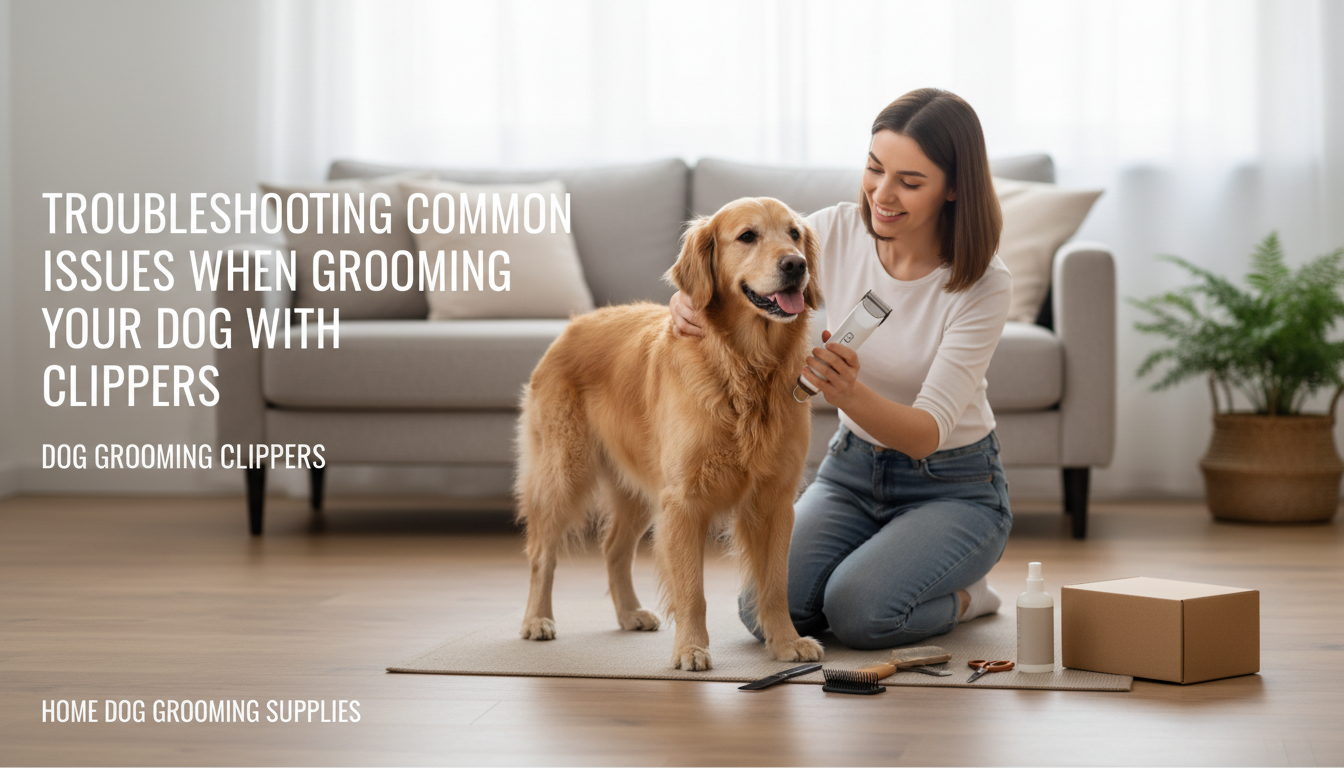
Troubleshooting Common Issues When Grooming Your Dog with Clippers
Compare grooming a dog with clippers with a practical informational SEO brief, decision criteria, FAQs, and publishing checks before you commit.
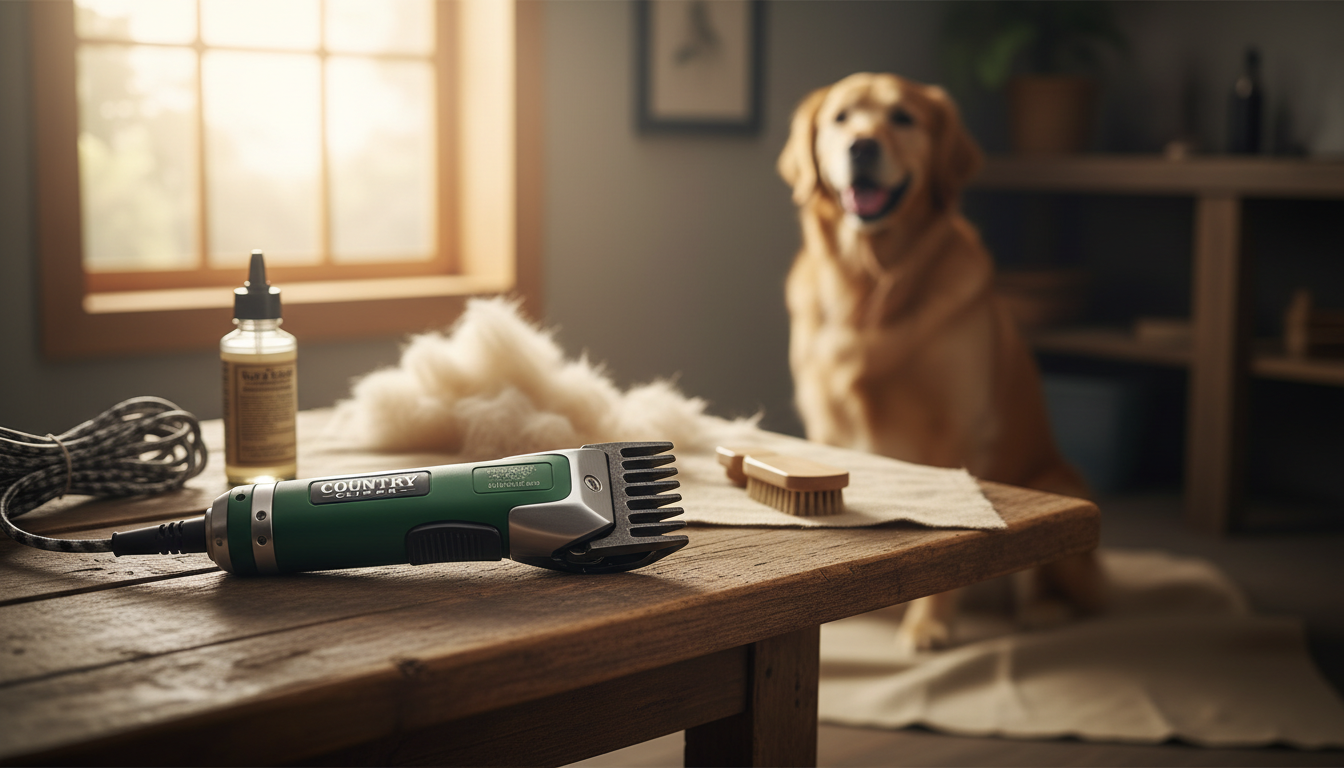
Country Clippers for Dog Grooming: Built for Durability and Demanding Use
Compare country clippers dog grooming with a practical informational SEO brief, decision criteria, FAQs, and publishing checks before you commit.