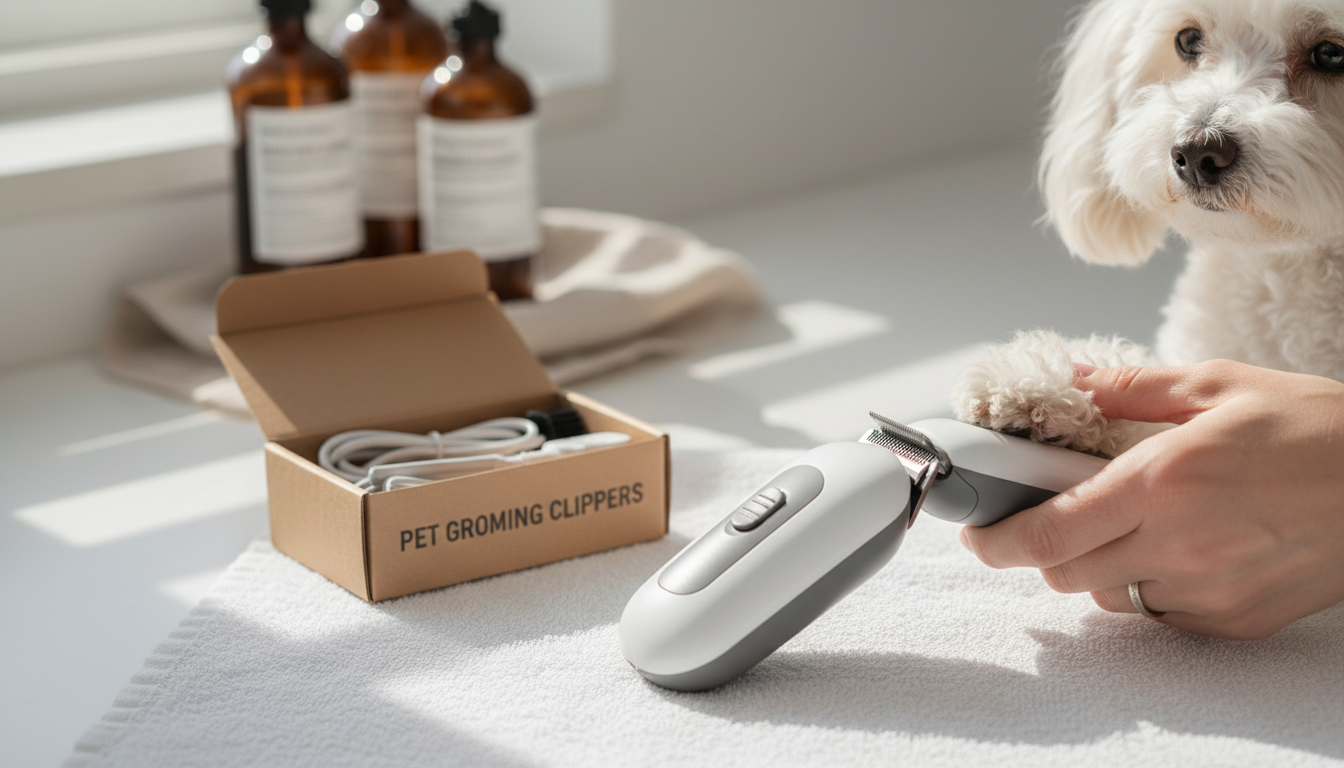
Compact Dog Grooming Clippers: Ideal for Detail Work and Hard-to-Reach Areas
Small-Scale Grooming Demands
For many dog owners and professional groomers, the primary challenge isn't always a full-body shave, but rather the intricate detail work required in sensitive or hard-to-reach areas. This specific use case demands a grooming tool that prioritizes precision and maneuverability over raw power or broad coverage. Whether maintaining hygiene around sanitary areas, tidying up paw pads, or shaping delicate facial hair, the objective is to achieve a clean, safe trim without causing discomfort or anxiety for the dog.
The decision to invest in compact dog grooming clippers often stems from the need to address these particular grooming tasks effectively. Unlike larger clippers designed for extensive coat removal, smaller models are engineered to navigate tight contours and fine details. This focus on controlled application helps prevent nicks, irritation, and uneven cuts, especially on breeds with complex coat patterns or those requiring frequent touch-ups in specific zones.
When evaluating clippers for these specialized tasks, consider the unique demands of the job:
- Precision in Delicate Zones: Trimming around eyes, ears, and sanitary areas requires a fine touch and a narrow blade.
- Maneuverability in Tight Spaces: Paw pads and armpits are confined areas where a bulky clipper can be awkward or unsafe.
- Reduced Noise and Vibration: Many dogs are sensitive to sound and vibration, especially when clippers are near their face or paws. Compact models often feature quieter motors.
- Comfort for Both Groomer and Dog: A lightweight, ergonomically designed tool reduces hand fatigue during detailed work and can make the grooming experience less stressful for the pet.
- Cordless Operation: For quick touch-ups or anxious dogs, the freedom from a cord can significantly improve flexibility and safety.
Counter footprint criteria for this setting
When selecting compact clippers for detail work and hard-to-reach areas, the physical and operational characteristics of the tool directly influence its effectiveness and safety in these specialized applications. The "counter footprint" here refers not just to physical size, but also to how the clipper's design impacts its use in confined spaces and during intricate tasks. Evaluating these aspects helps ensure the tool is a precise extension of the groomer's hand, rather than a hindrance.
Consider the following criteria to determine if a clipper is genuinely suited for small-scale, precision grooming:
- Overall Size and Weight:
- Fit Criteria: Clippers that are notably smaller and lighter than full-sized models enhance maneuverability around delicate contours like eyes, ears, and sanitary regions. A lightweight design reduces hand fatigue during prolonged, intricate work, maintaining precision.
- Deal Breaker: A bulky or heavy design compromises the ability to navigate tight spaces, increasing the risk of accidental nicks or uneven cuts.
- Blade Width and Type:
- Fit Criteria: Narrow blades (e.g., 1 inch or less) are crucial for isolating small sections of fur and achieving clean lines in confined areas like between paw pads or along facial creases. Specialized T-blades or fine-tooth blades can offer enhanced precision.
- Deal Breaker: Standard or wide clipper blades are inefficient and potentially unsafe for fine detail work, as they cannot access or isolate small tufts of hair effectively.
- Ergonomics and Grip:
- Fit Criteria: A comfortable, non-slip grip that allows for precise control is paramount. Designs that fit well in smaller hands or offer multiple grip positions facilitate steady movements during delicate trimming.
- Deal Breaker: An awkward or oversized handle can lead to instability and reduced control, especially when performing detailed work at unusual angles.
- Noise and Vibration Levels:
- Fit Criteria: Lower noise and minimal vibration are significant advantages, particularly when working near a dog's sensitive face or ears. Quieter operation can reduce anxiety for the pet, allowing for a more cooperative and safer grooming experience.
- Deal Breaker: High noise or noticeable vibration can stress the dog, making it difficult to keep them still for precise work and potentially leading to a negative association with grooming.
- Corded vs. Cordless Operation:
- Fit Criteria: Cordless models offer unrestricted movement, which is invaluable when navigating around a dog's body, especially for quick touch-ups or anxious pets who may shift positions frequently. Good battery life is essential for completing tasks without interruption.
- Deal Breaker: A short or cumbersome cord can limit reach and maneuverability, creating tangles or pulling that disrupt precise movements.
When evaluating these criteria, be aware of evidence limits: specific decibel ratings for "low noise" are not always provided by manufacturers, and "minimal vibration" can be subjective. Similarly, ergonomic comfort is highly personal. Rely on detailed product descriptions for blade specifications and battery runtimes, but consider that real-world performance can vary based on coat type and usage intensity.
Storage Access workflow in practice
Integrating compact grooming clippers into a regular pet care routine involves a workflow optimized for their specialized purpose: quick, precise work in delicate areas. This approach emphasizes readiness, targeted application, and focused upkeep to ensure the tools remain effective for intricate tasks.
Daily Use Considerations
For detail work, compact clippers are often used for short, frequent sessions rather than extensive full-body grooms. This influences how they are stored and accessed.
- Ready Accessibility: Store compact clippers in an easily reachable location, such as a dedicated drawer or grooming kit, rather than packed away with larger tools. This encourages quick retrieval for spontaneous touch-ups or addressing immediate needs like matted paw fur.
- Targeted Application: Before each use, identify the specific area requiring attention. This prevents unnecessary grooming of larger sections and focuses the tool's precision where it's most effective. For instance, a quick trim around the eyes or sanitary areas can be done efficiently without setting up for a full groom.
- Pet Comfort: Due to their smaller size and often quieter operation, these clippers can be less intimidating for pets. Introduce them calmly, especially for sensitive areas, and keep sessions brief to build positive associations.
Pre-Use Setup Checks
Before engaging in any detail work, a few quick checks ensure the compact clippers are prepared for optimal performance and safety.
- Blade Condition: Inspect the small blades for any hair buildup from previous use or signs of dullness. A clean, sharp blade is crucial for precise cuts and preventing painful pulling, especially in sensitive areas.
- Charge Level (Cordless Models): For cordless compact clippers, verify the battery charge. Detail work often requires freedom of movement, and an unexpected power loss can disrupt a delicate task. Consider a spare battery or frequent charging for consistent readiness.
- Attachment Security: If using comb attachments for specific lengths, ensure they are securely fastened to prevent accidental shifts during grooming.
- Lubrication: A drop of clipper oil on the blades before use helps reduce friction, heat, and wear, contributing to smoother operation and blade longevity.
Post-Use Maintenance
Proper maintenance is key to prolonging the life of compact clippers and ensuring they remain hygienic and effective for future detail work.
- Immediate Hair Removal: After each use, use the small brush typically included with the clippers (or a dedicated cleaning brush) to remove all visible hair from between the blade teeth and the clipper housing. Fine hairs can accumulate quickly in the smaller mechanisms of compact clippers.
- Blade Cleaning: For thorough cleaning, especially after grooming dirty or oily areas, consider using a blade wash solution. With the clippers running, dip the blades into a shallow container of the solution for a few seconds to flush out fine debris and disinfect.
- Re-oiling Blades: Following cleaning, re-oil the blades to protect against rust and ensure smooth movement. This is particularly important after using blade wash, which can strip existing lubrication.
- Sanitization: For multi-pet households or professional use, spray the blades with a clipper disinfectant to prevent the transfer of bacteria or fungi between animals.
- Battery Recharging: If using cordless clippers, recharge the battery promptly after use, especially if it's significantly depleted. This ensures they are ready for the next spontaneous detail grooming session.
Reservoir Reach and fit warnings
While compact dog grooming clippers are invaluable for precision tasks, understanding their limitations is crucial to avoid frustration and ensure effective grooming. These specialized tools are designed for intricate work, not broad applications. Attempting to use them outside their intended scope can lead to poor results, discomfort for the animal, and premature wear on the equipment. Recognizing these use-case mismatches is key to a successful purchase.
Several risk signals indicate that a compact clipper might not be the appropriate tool for a given task:
- Frequent Jamming or Snagging: If the clipper struggles to pass through even small sections of hair, or if blades clog rapidly, it suggests the hair density or volume exceeds the tool's capacity. Compact clippers are not built for bulk hair removal.
- Rapid Overheating: Designed for intermittent, focused use, compact clippers can overheat quickly when subjected to prolonged or heavy-duty operation beyond their intended scope. This can cause discomfort for the dog and reduce the clipper's lifespan.
- Ineffective Cutting on Thick Coats: Even in small, detailed areas, dogs with exceptionally dense or coarse fur may require more powerful motors and robust blades than typically found in compact models.
- Excessive Noise or Vibration: While many compact clippers are designed to be quiet, if the tool becomes noticeably louder or vibrates excessively when attempting to cut, it's a sign it's being overtaxed.
Consider who might find compact clippers insufficient as a primary grooming solution:
- Owners of large breeds or dogs with extensive coats: If your primary need is to trim significant portions of your dog's body, a full-sized clipper with greater power and wider blades will be more efficient and less stressful for both you and your pet.
- Individuals dealing with matted fur: Compact clippers lack the power and blade design necessary to safely and effectively remove mats. Attempting to do so can pull the dog's skin, cause pain, and damage the clipper.
- Those seeking a single, all-purpose grooming tool: Compact clippers excel in their niche but are not substitutes for general-purpose clippers, especially for full-body grooms or dogs with challenging coat types.
Given the specialized nature of these tools and hygiene considerations, always review the retailer's return policy before purchasing. Understanding conditions for returns, especially if the product doesn't meet your specific grooming needs, can prevent future complications.
Dog Grooming Clippers Small FAQ
Addressing common questions about compact dog grooming clippers can clarify their specific role and value in a grooming routine, especially for detail work and hard-to-reach areas.
-
When are small clippers truly necessary for grooming? Compact clippers are most beneficial for tasks requiring precision and access to confined or sensitive areas. This includes trimming hair on paw pads, around the eyes, inside or around the ears, and for sanitary trims. Their smaller size and often quieter operation make them suitable when a full-sized clipper might be too bulky, noisy, or risky for delicate work. They are ideal for quick touch-ups between more extensive grooming sessions.
-
Can't I just use my regular clippers or scissors for detail work? While larger clippers can manage some areas, their bulk often makes them unwieldy for intricate tasks, increasing the risk of uneven cuts or accidental nicks in tight spots. They may also cause more vibration or noise, potentially stressing a dog during sensitive trims. Scissors, though precise, carry a higher risk of injury if the dog moves unexpectedly, and they may not provide as uniform a finish as a clipper in certain coat types. Small clippers offer a blend of safety, precision, and consistent results specifically designed for these challenging zones.
-
What's the cost-benefit of adding small clippers to my grooming kit? Investing in compact clippers provides a specialized tool for specific needs. The primary value lies in enhancing safety and comfort for your dog during delicate trims, which can reduce anxiety for both the pet and the groomer. They enable cleaner, more precise finishes in areas where larger tools struggle, potentially extending the time between professional grooming appointments for routine touch-ups. For those who frequently perform detail work, the improved results and reduced stress often justify the addition to a grooming arsenal.
Space-Fit Recommendation Path
If your primary grooming needs center on achieving precise trims in sensitive, delicate, or hard-to-reach areas—such as around the eyes, ears, sanitary regions, or paw pads—then compact dog grooming clippers are a highly suitable tool. These specialized clippers are designed to offer the maneuverability and control necessary for intricate work, minimizing stress for both the dog and the groomer. They address the specific challenges of detailed grooming more effectively than larger, general-purpose clippers.
Your next step involves evaluating specific models based on the criteria most critical for these tasks:
- Ergonomics and Weight: For fine detail work, a lightweight, well-balanced clipper reduces hand fatigue and enhances precision.
- Blade Design: Look for narrow, fine-toothed blades or adjustable blade systems that allow for varying cut lengths without changing the entire blade.
- Motor Type and Noise Level: A quiet motor and minimal vibration are crucial, especially when working near a dog's face or on anxious pets.
- Power Source: Cordless options offer unparalleled freedom of movement, which is beneficial for navigating tight angles and for quick touch-ups.
- Maintenance Considerations: Easy cleaning and blade care are essential to prevent hair buildup and ensure consistent performance.
By focusing on these attributes, you can identify a compact clipper that aligns with your specific detail-grooming workflow, ensuring safe, efficient, and comfortable results for your dog.
More in Dog Grooming Clippers
View All
Preparing Your Dog for Grooming with Clippers: A How-To Guide for Stress-Free Sessions
Compare how to dog grooming with clippers with a practical informational SEO brief, decision criteria, FAQs, and publishing checks before you commit.
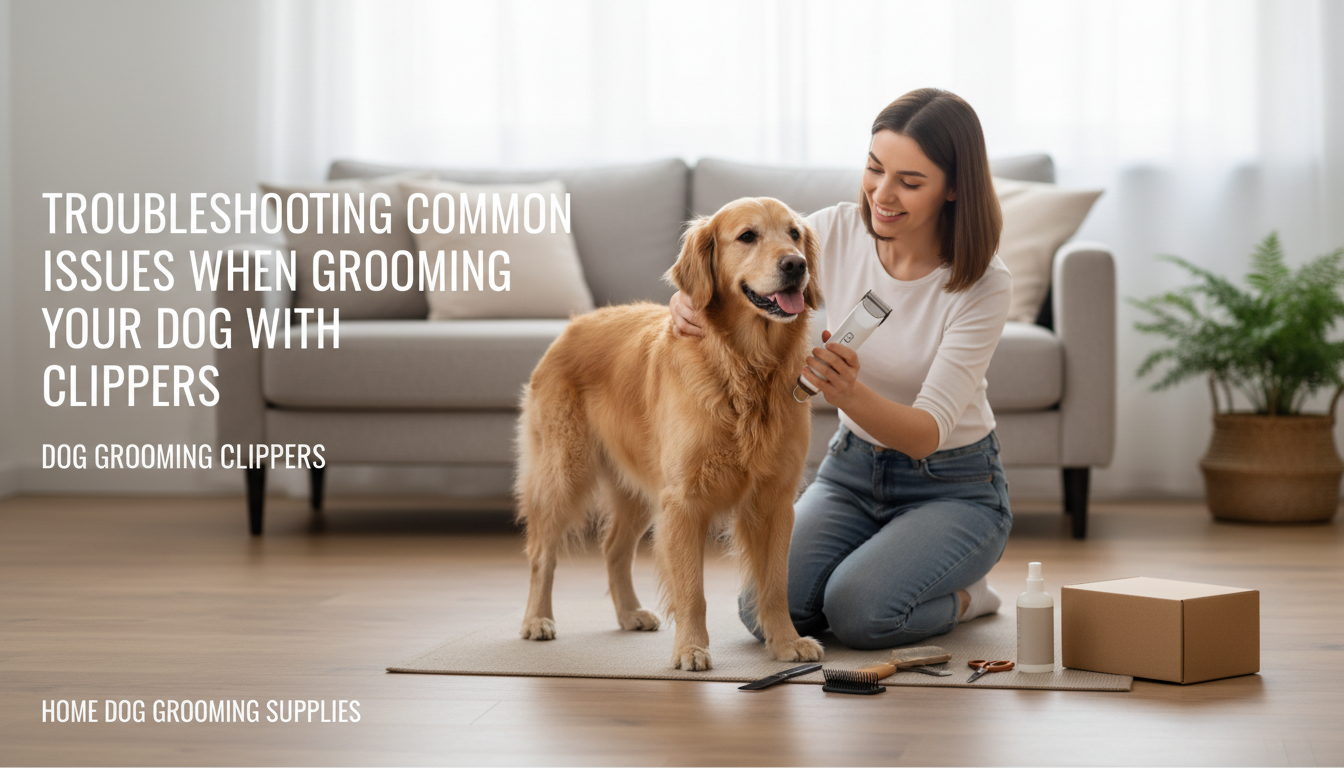
Troubleshooting Common Issues When Grooming Your Dog with Clippers
Compare grooming a dog with clippers with a practical informational SEO brief, decision criteria, FAQs, and publishing checks before you commit.
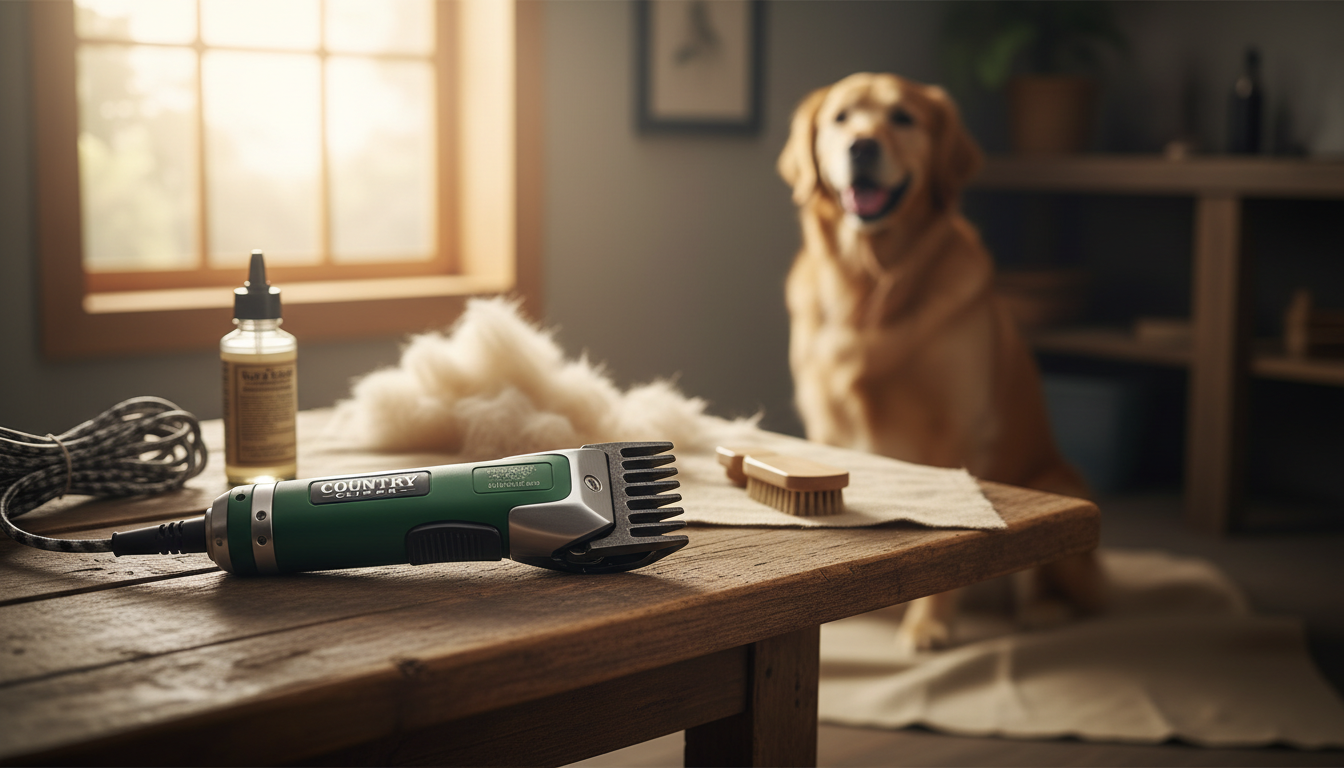
Country Clippers for Dog Grooming: Built for Durability and Demanding Use
Compare country clippers dog grooming with a practical informational SEO brief, decision criteria, FAQs, and publishing checks before you commit.