Essential Dog Grooming Clippers: A Beginner's Guide to Choosing Your First Pair
Beyond the Barber: Why Home Dog Grooming and the Right Clippers Matter
Bringing dog grooming into your home offers several distinct advantages beyond a trip to the professional salon. It can foster a deeper bond with your pet through regular, gentle handling, potentially reduce grooming-related stress for anxious dogs, and provide significant cost savings over time. The convenience of grooming on your own schedule, without appointment hassles, is another compelling benefit for many pet owners.
However, for first-time groomers, the initial step of selecting the right tools can feel overwhelming. Faced with a multitude of options, many beginners worry about making an "uncertain fit" choice for their dog's unique coat or repeating "bad past purchases" that proved inadequate. This guide aims to demystify the process, empowering you to confidently choose your first pair of clippers for dog grooming.
Understanding that not all clippers are created equal is crucial. The ideal clippers dog grooming setup must align with your dog's specific coat type, density, and your grooming frequency. Selecting the appropriate tool ensures an effective, comfortable, and safe experience for both you and your canine companion.
Decoding Your Dog's Coat: The Foundation for Choosing the Right Clippers
Before evaluating any technical specifications of dog clippers, understanding your dog's unique coat is the most critical first step. This foundational knowledge directly informs the type of clipper power, blade design, and overall durability you'll need, serving as the primary filter to ensure a suitable fit and avoid the frustration of an inadequate purchase. Different coat types present distinct grooming challenges that directly impact clipper requirements.
Consider these common coat characteristics and their implications for clippers for dog grooming:
- Thick or Double Coats (e.g., Huskies, Golden Retrievers, Newfoundlands): These coats feature a dense undercoat and a coarser outer layer.
- Challenge: Prone to matting, can easily bog down underpowered clippers, leading to pulling and discomfort.
- Clipper Need: Requires clippers with robust, high-torque motors capable of sustained cutting through dense hair without overheating or stalling. Blades designed to navigate thick undercoats are essential.
- Curly or Wavy Coats (e.g., Poodles, Goldendoodles, Bichon Frise): Characterized by springy, often dense curls.
- Challenge: Highly prone to matting, especially if not brushed regularly. The curls can be difficult for standard blades to penetrate smoothly.
- Clipper Need: Benefits from powerful clippers to handle density and potential tangles. Blades with wider teeth or specific designs for curly hair can reduce snagging.
- Fine or Silky Coats (e.g., Yorkshire Terriers, Maltese, Shih Tzus): Long, flowing, and often delicate hair.
- Challenge: Can be easily pulled or cut unevenly by overly aggressive or dull blades. Matting can still occur, but the texture is different from dense undercoats.
- Clipper Need: While not always requiring the highest power, precision and sharp blades are crucial to achieve a smooth finish without causing irritation. Quieter clippers might also be beneficial for these often smaller, more sensitive breeds.
- Wiry Coats (e.g., Terriers, Schnauzers): Coarse, stiff, and often dense hair.
- Challenge: Very tough to cut, demanding durable blades and consistent power.
- Clipper Need: Requires powerful, heavy-duty clippers and robust blades designed to withstand the stress of cutting through coarse hair.
- Short or Smooth Coats (e.g., Boxers, Beagles, Greyhounds): Generally low-maintenance coats.
- Challenge: Less frequent full-body clipping; often used for tidying specific areas or for medical purposes.
- Clipper Need: May not require the highest-end, most powerful clippers, as the grooming tasks are less demanding. Lighter, more maneuverable clippers can be sufficient for touch-ups.
Beyond the coat type, the frequency of grooming also plays a significant role in your selection. If you plan for occasional touch-ups or light trims, a basic, entry-level clipper might suffice. However, if your dog requires regular, full-body clips (e.g., a Poodle or Goldendoodle needing grooming every 4-6 weeks), investing in a more durable clipper with a powerful motor is advisable. Clippers designed for frequent use typically have better heat dissipation, more robust internal components, and a longer operational lifespan, preventing premature wear and potential performance issues during a groom. Prioritizing your dog's specific coat and your grooming routine ensures you select clippers that can reliably meet the demands of their hair and your schedule.
Essential Features: What to Look for in Quality Dog Grooming Clippers
Once you understand your dog's coat type, the next step involves evaluating the technical features of clippers for dog grooming. These specifications directly influence performance, durability, and the overall grooming experience for both you and your pet. Focusing on these core elements will help you discern quality and ensure your first purchase aligns with your specific needs.
-
Power Source: Corded vs. Cordless Flexibility The choice between corded and cordless clippers impacts your grooming setup and mobility.
- Corded Clippers: Typically offer consistent, continuous power without concerns about battery life. This can be advantageous for longer grooming sessions or for dogs with very dense coats that require sustained cutting power. The primary trade-off is limited mobility, as you are tethered to an outlet, and the cord can sometimes be a hindrance.
- Cordless Clippers: Provide unparalleled freedom of movement, allowing you to maneuver around your dog with ease and reach awkward angles. They are ideal for quick touch-ups or for dogs who are less tolerant of long sessions. However, battery life is a key consideration; some models may lose power or run out mid-groom, potentially causing an incomplete or rushed job. For frequent or extended use, models with long battery life or the option for spare, rechargeable batteries can mitigate this risk.
-
Motor Type and Speed Settings The motor is the heart of your clippers, determining cutting efficiency and heat generation. Different motor types offer distinct advantages:
- Rotary Motors: These are versatile and commonly found in professional-grade clippers. They offer a good balance of power and blade speed, often featuring multiple speed settings. This allows you to adjust the speed for different coat densities—lower speeds for sensitive areas or fine work, and higher speeds for bulk removal.
- Pivot Motors: Known for high torque and lower blade speed, pivot motors excel at cutting through very thick or matted coats without bogging down. They tend to run cooler but may be slower for general grooming.
- Magnetic Motors: These are high-speed motors, generally best suited for fine to medium coats. They are efficient but typically have less torque than pivot motors. Understanding the motor type helps you match the clipper's capability to your dog's coat, ensuring efficient cutting and preventing painful pulling. Variable speed settings are particularly beneficial for beginners, offering control and adaptability.
-
Blade Materials and Types The quality and type of blades are crucial for a smooth, effective cut and your dog's comfort.
- Blade Materials: Most common blades are made from high-carbon steel, which is durable and holds a sharp edge. Ceramic blades are another option, known for staying cooler during use due to less friction, though they can be more brittle than steel.
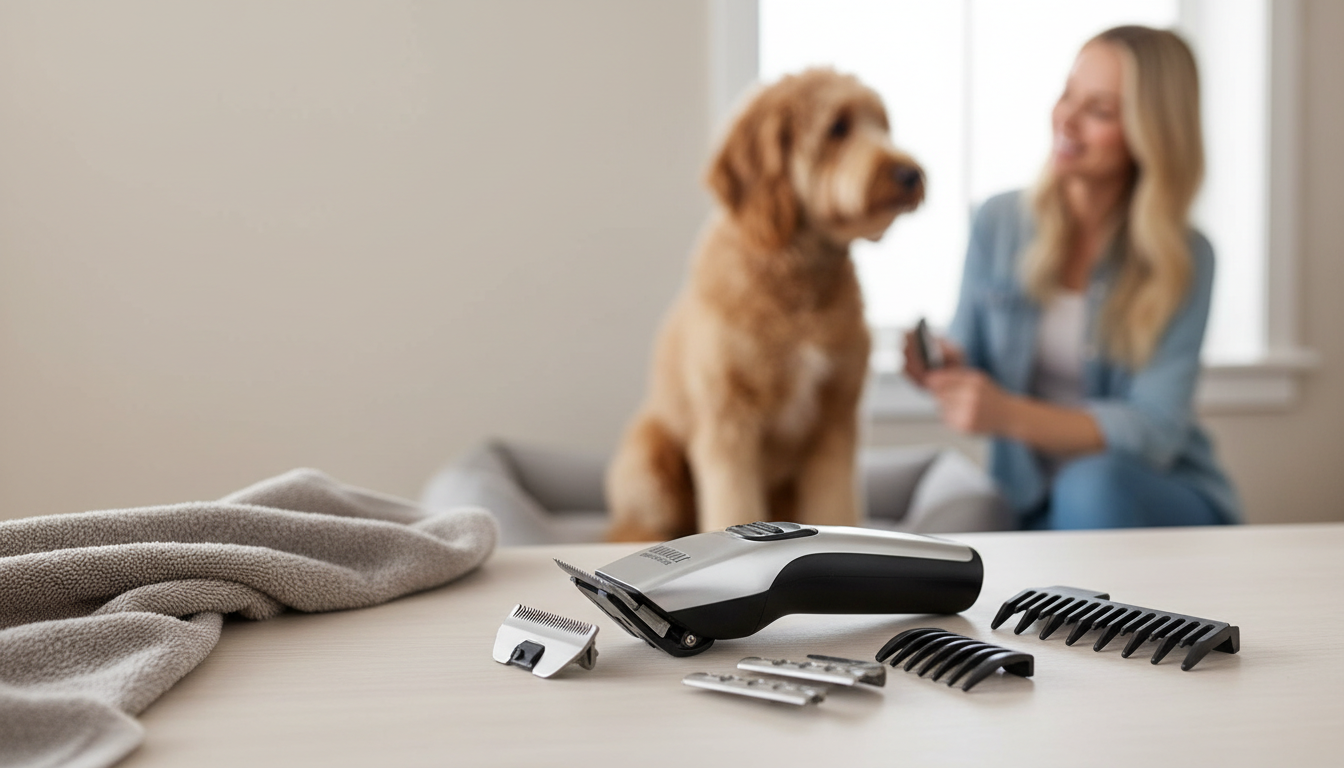
- Interchangeable Blades: A critical feature for any quality grooming clipper is the ability to easily swap out blades. This allows you to use different blade sizes for varying cut lengths and coat types. Crucially, interchangeable blades also enable you to switch to a fresh, cool blade if one becomes hot from friction during a long grooming session, preventing potential skin irritation or burns.
-
Noise, Vibration, and Ergonomics These often-overlooked factors significantly impact both your dog's comfort and your ease of use.
- Noise and Vibration: Clippers that produce excessive noise or vibration can be frightening for dogs, especially those new to grooming or with anxiety. Lower noise and vibration levels contribute to a calmer, more positive experience for your pet, making future grooming sessions easier.
- Ergonomics: A well-designed clipper should feel comfortable and balanced in your hand. Features like a non-slip grip and a lightweight design reduce hand fatigue, which is important for longer grooming sessions and helps maintain control, reducing the risk of accidental nicks.
-
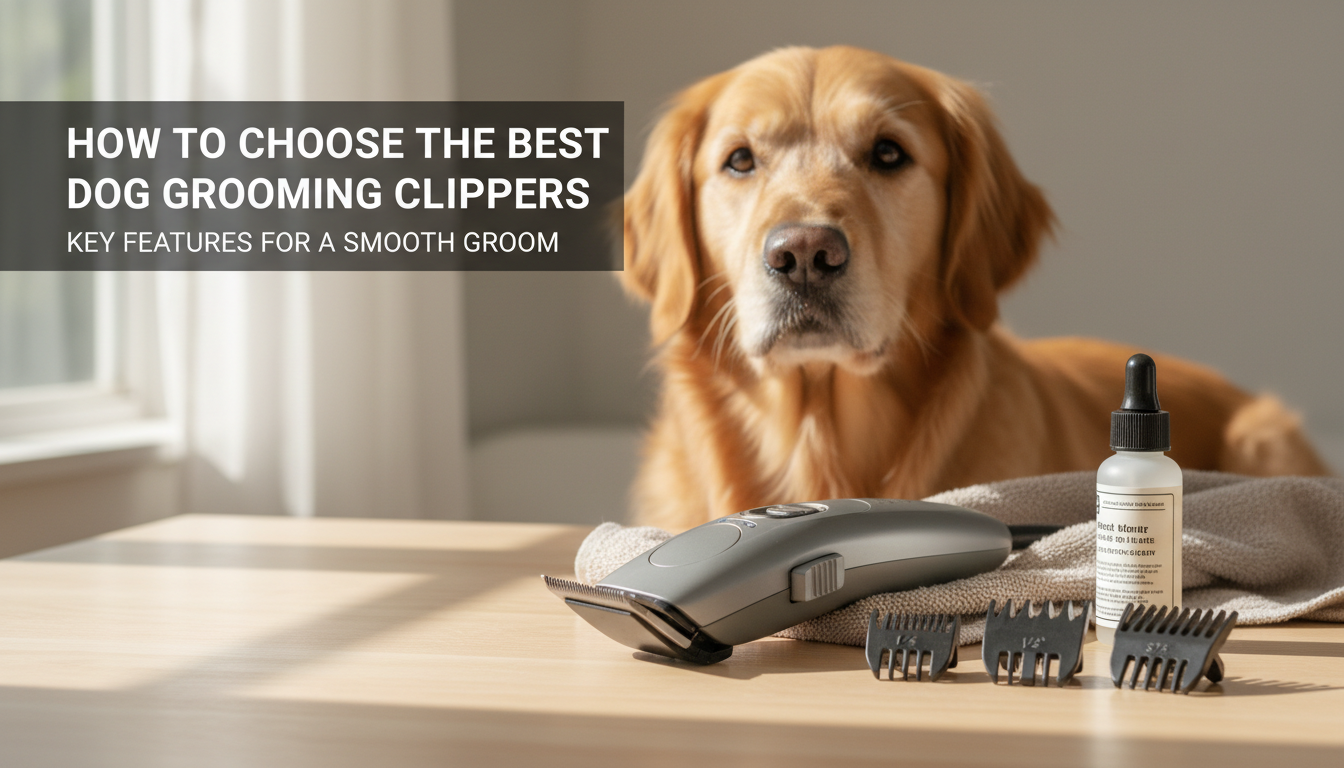
Accessories Many clippers dog grooming kits include essential accessories that enhance usability and maintenance. Look for kits that provide:
- Guide Combs: These plastic or metal attachments snap onto the blade, allowing you to achieve specific coat lengths consistently and safely.
- Blade Oil: Regular oiling is vital for keeping blades sharp, reducing friction, and extending their lifespan. Neglecting this can lead to blades jamming or pulling hair.
- Cleaning Brush: Used to remove hair and debris from the blades and clipper housing after each use, ensuring optimal performance and hygiene. These included items offer immediate value and support the longevity of your investment.
Navigating the Hurdles: Common Pitfalls and Trade-offs in Clipper Use
Embarking on home grooming with clippers can feel daunting, and it's common for first-time owners to encounter unexpected challenges. Understanding these potential pitfalls and their underlying causes can help you avoid frustration and ensure a smoother, safer grooming experience for your dog. Proactive awareness of these trade-offs and practical solutions can prevent a "bad past purchase" and build confidence.
Overheating Blades and Clipper Care
One of the most critical concerns when using clippers is blade overheating. As clipper blades move rapidly, friction naturally generates heat. This heat can quickly become uncomfortable or even burn your dog's skin, leading to aversion or injury. The risk increases with prolonged use, especially on dense coats that require more passes. To mitigate this, regularly check the blade temperature by touching it to the back of your hand. If it feels hot, stop immediately. Allowing the blades to cool, using a cooling spray, or having a spare, cool blade to swap in can prevent discomfort. Consistent cleaning and lubrication of your blades also reduce friction, helping them run cooler and operate more efficiently.
Jamming and Poor Cutting Performance
Nothing is more frustrating than clippers that pull hair or stop cutting mid-groom. This poor performance often stems from several common issues. Clippers are designed to work best on clean, dry hair; dirt, debris, and matted fur can quickly clog the blades, forcing the motor to work harder and leading to painful pulling for your dog. Dull blades are another frequent culprit; like any cutting tool, clipper blades lose their sharpness over time, making them ineffective. A lack of proper lubrication also contributes to jamming and reduced cutting ability, as it increases friction and impedes smooth operation. To avoid these issues, always groom a clean, thoroughly dried dog, regularly clean hair from between the blades, and apply clipper oil before, during, and after each grooming session. Consider having blades sharpened or replaced when they no longer cut cleanly.
Battery Life and Mid-Groom Interruptions
For cordless clippers, the convenience of maneuverability comes with the trade-off of finite battery life. Running out of charge in the middle of a grooming session can be disruptive and stressful for both you and your dog, especially if your pet is already anxious. The duration of a full charge varies by model and motor power, with denser coats often requiring more battery drain. To prevent mid-groom interruptions, ensure your clippers are fully charged before starting. For longer grooming sessions or larger dogs, consider models with extended battery life, the option to use them corded while charging, or investing in a spare battery if available for your specific model.
Noise Sensitivity
Some dogs are naturally sensitive to unfamiliar sounds and vibrations, and the hum of clippers can be a source of anxiety. High-pitched whirring or strong vibrations can make a dog nervous, leading to resistance during grooming. This can make the process challenging and potentially negative for your pet. When introducing clippers, choose a quiet model if possible, and acclimate your dog gradually. Start by simply turning the clippers on nearby without touching your dog, offering treats and praise for calm behavior. Slowly progress to briefly touching the clippers (turned off, then on) to different parts of their body, always observing their comfort level and stopping if they show signs of distress. Positive reinforcement and patience are key to helping your dog accept the sound and sensation.
Preparing for a Successful Grooming Session
Acquiring your first pair of dog grooming clippers is just one step; effective preparation of both your dog and your tools is equally crucial for a smooth, stress-free experience. For first-time groomers, establishing a consistent pre-grooming routine and understanding proper clipper care can significantly reduce anxiety and improve results, ensuring your new "hair clippers for dog grooming" perform optimally.
Pre-Grooming Essentials
Before your clippers even touch your dog's coat, these steps are vital to prevent discomfort, reduce blade wear, and achieve an even cut.
- Bathe Your Dog Thoroughly: Dirt, dander, and grime are common culprits for clogging clipper blades. Using clippers on a dirty coat forces them to work harder, can cause overheating, and dulls the cutting edge prematurely. A clean coat allows the blades to glide smoothly.
- Dry Completely: After bathing, ensure your dog's coat is absolutely dry. Attempting to clip a wet or damp coat can lead to pulling, an uneven finish, and can even damage your clipper blades. Towel-dry, then use a pet-specific dryer if available, ensuring every layer of the coat is dry.
- Brush Out All Tangles and Mats: This is perhaps the most critical preparatory step. Clippers cannot cut through mats; they will snag, pull your dog's skin, and cause pain. Use a comb and brush appropriate for your dog's coat type to meticulously remove all tangles before clipping.
Setting Up Your Space
The environment where you groom plays a significant role in your dog's comfort and your ability to work effectively.
- Choose a Calm Location: Select a quiet area free from excessive noise, sudden movements, or other pets that could distract or startle your dog. A calm atmosphere helps reduce stress for both of you.
- Ensure a Safe Surface: Use a non-slip surface, such as a grooming table with a rubber mat, or even a sturdy counter covered with a bath mat. This prevents slips and falls, keeping your dog secure.
- Provide Ample Lighting: Good visibility is paramount to see your dog's coat clearly, identify skin folds, and avoid accidental nicks. Position your grooming area near natural light or use bright, overhead lighting.
Clipper Maintenance for Longevity
Proper care after each use extends the life of your clippers and ensures they are ready for the next session, preventing common issues like jamming or poor cutting performance.
- Clean Blades Immediately: After each grooming session, use a small brush (often included with clippers) to remove all hair and debris from between the blades and inside the clipper housing. This prevents buildup that can cause clippers to work inefficiently or overheat.
- Lubricate with Clipper Oil: Apply a few drops of clipper oil to the blades while the clippers are running (as per manufacturer instructions). This reduces friction, keeps the blades cool during operation, and maintains their sharpness. Regular oiling is essential for smooth performance and blade longevity.
- Store Properly: Once clean and oiled, store your clippers and blades in their original case or a protective container. This shields them from dust, moisture, and accidental damage, ensuring they remain in optimal condition for future use.
Frequently Asked Questions About Dog Grooming Clippers
Navigating your first clipper purchase can bring up several questions. Addressing these common concerns can help clarify potential misconceptions and reinforce confidence in your choice.
Can I use human hair clippers on my dog?
It is generally not recommended. Human hair clippers are designed for finer, less dense hair and typically have weaker motors. Dog coats, especially thick or double coats, require significantly more power to cut effectively without pulling or stalling, which can cause discomfort or injury. Additionally, dog clipper blades are engineered for different fur textures, and many human clippers are louder, potentially increasing anxiety for your pet.
How often should I groom my dog with clippers?
The frequency depends largely on your dog's coat type and your desired length. Dogs with continuously growing coats (e.g., Poodles, Shih Tzus) often require clipping every 4-8 weeks to prevent matting. Dogs with shedding coats may need less frequent full-body clips, perhaps seasonally, but might benefit from regular tidying of hygiene areas. Always observe your dog's coat condition and comfort.
Why do my clipper blades get hot, and what can I do?
Blade heat is a common occurrence due to friction generated by the metal blades moving rapidly against each other. Hot blades can cause discomfort or even burns to your dog's skin. To mitigate this:
- Cooling Sprays: Use specialized clipper cooling sprays periodically during grooming.
- Breaks: Take frequent breaks to allow blades to cool naturally.
- Spare Blades: Have a second set of blades to swap out a hot blade for a cool one.
- Lubrication: Ensure blades are clean and regularly oiled, as proper lubrication reduces friction.
What's the most important factor when choosing clippers for a beginner?
For a first-time groomer, the most crucial factor is matching the clipper's power and blade capabilities to your dog's specific coat type and density. An underpowered clipper for a thick coat will lead to frustration and a poor experience for both you and your dog. Beyond that, consider ease of use features like ergonomic design and manageable weight to ensure a comfortable and controlled grooming session.
Making Your Confident Choice: Matching Clippers to Your Unique Grooming Journey
With a clearer understanding of clipper features and how they relate to your dog's coat, the final step is to synthesize this information into a confident purchase decision. Your goal isn't to find a universally "best" clipper, but rather the optimal match for your dog's specific needs and your evolving grooming journey.
Consider these guiding principles as you finalize your selection:
- Assessing Your Budget vs. Required Features: Clipper prices vary widely, and it's tempting to opt for the cheapest or most expensive. Instead, balance cost with the essential features identified for your dog. If your dog has a dense, mat-prone coat, investing in a robust motor and quality blades is a feature requirement, not a luxury, to avoid frustration and potential re-purchase. For lighter grooming or very fine coats, a more basic, reliable model might suffice. Prioritize features that directly address your dog's coat type and temperament to ensure long-term value.
- Prioritizing Features for Your Dog: Revisit your dog's specific profile.
- Coat Type: Is it thick, fine, curly, or double-coated? This dictates the necessary motor power and blade compatibility.
- Temperament: Is your dog anxious or sensitive to noise and vibration? Quieter, low-vibration clippers can significantly improve their comfort.
- Grooming Style: Are you aiming for full body clips, quick touch-ups, or sanitary trims? This influences the range of blade sizes and clipper precision you'll need. These factors, not general reviews, should ultimately drive your feature prioritization.
- Embracing the Beginner's Mindset: As a first-time groomer, focus on reliability, user-friendliness, and safety. You don't necessarily need the most advanced professional model. A good quality, entry-level or mid-range clipper that is easy to handle and maintain will allow you to concentrate on learning proper technique—such as holding the clippers correctly, managing blade heat, and cleaning—which is paramount for effective and comfortable grooming.
- The "Best" Clippers Are a Personal Fit: There is no single "best" dog clipper for everyone. The ideal choice is highly individual, defined by how well the tool aligns with your dog's unique characteristics and your personal grooming goals. By carefully weighing these criteria, you empower yourself to make an informed decision that builds confidence and sets the stage for successful home grooming.
Your First Step Towards Confident Home Grooming
You've now navigated the core considerations for selecting your first pair of dog grooming clippers. This journey has equipped you with the understanding that the right tool isn't a one-size-fits-all solution, but rather a thoughtful match to your dog's unique coat, your grooming environment, and your comfort level. By focusing on practical criteria, you can confidently move beyond initial anxieties about an "uncertain fit" or the disappointment of "bad past purchases."
The knowledge gained empowers you to make an informed decision, ensuring your chosen clippers for dog grooming are effective and comfortable for your pet.
- Coat Type Dictates Power: Remember that your dog's specific coat—be it thick, fine, curly, or double-layered—is the primary factor in determining the motor strength and blade type required.
- Functionality Matters: Assess whether corded reliability or cordless flexibility best suits your grooming space and routine. Consider features like speed settings and ergonomic design for your comfort.
- Maintenance for Longevity: Proper cleaning, oiling, and blade care are not just about performance, but also about the lifespan of your investment and the comfort of your dog during grooming.
Embarking on home grooming with the right clippers is more than just a practical choice; it's an opportunity to strengthen the bond with your canine companion while ensuring their comfort and well-being. With your newfound understanding, you are ready to confidently select the tools that will make this rewarding experience a success.
More in Dog Grooming Clippers
View All
Preparing Your Dog for Grooming with Clippers: A How-To Guide for Stress-Free Sessions
Compare how to dog grooming with clippers with a practical informational SEO brief, decision criteria, FAQs, and publishing checks before you commit.
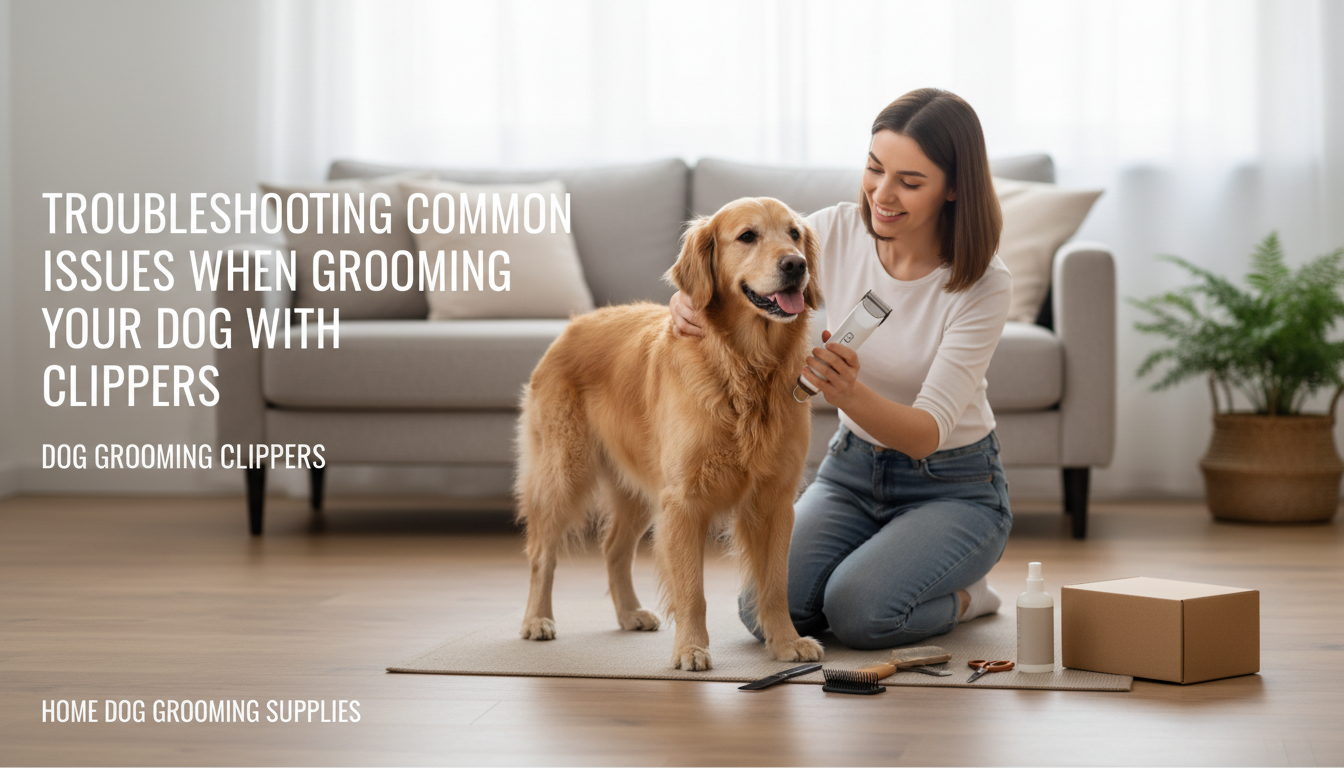
Troubleshooting Common Issues When Grooming Your Dog with Clippers
Compare grooming a dog with clippers with a practical informational SEO brief, decision criteria, FAQs, and publishing checks before you commit.
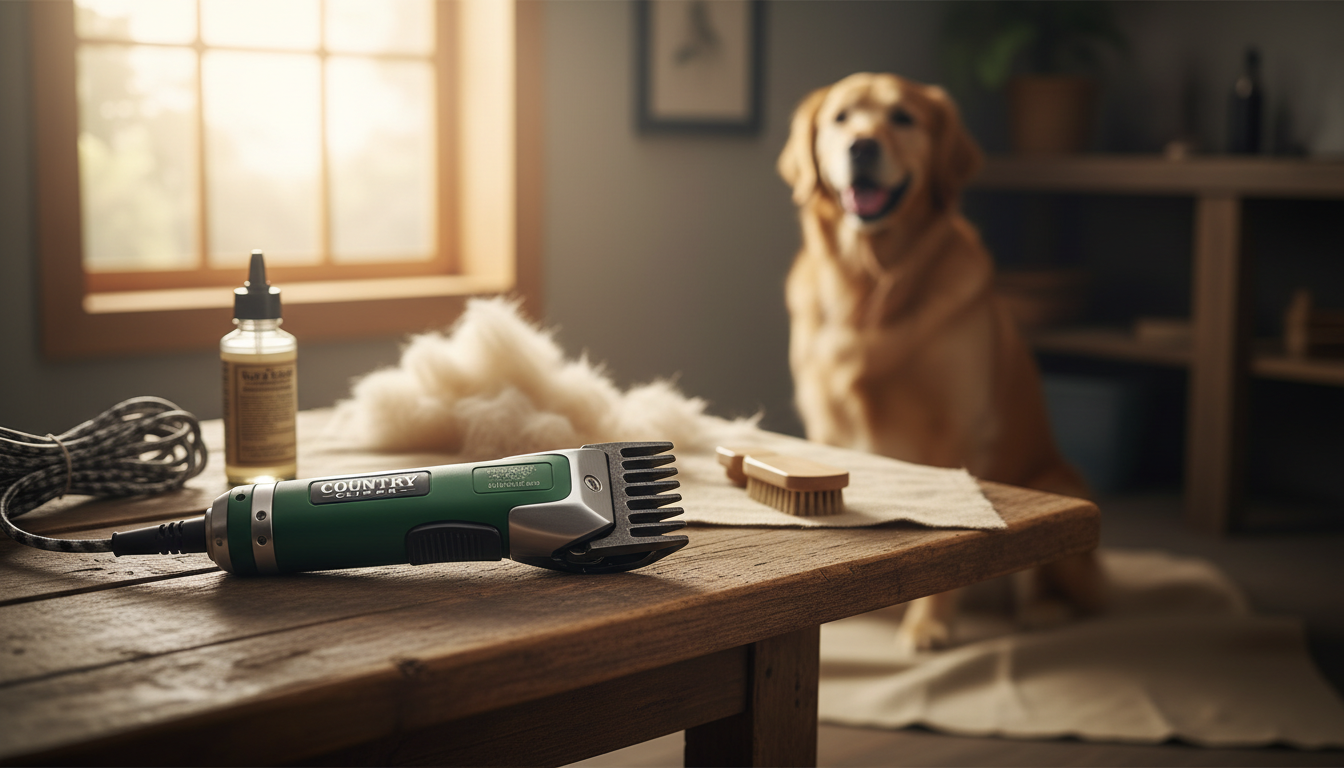
Country Clippers for Dog Grooming: Built for Durability and Demanding Use
Compare country clippers dog grooming with a practical informational SEO brief, decision criteria, FAQs, and publishing checks before you commit.