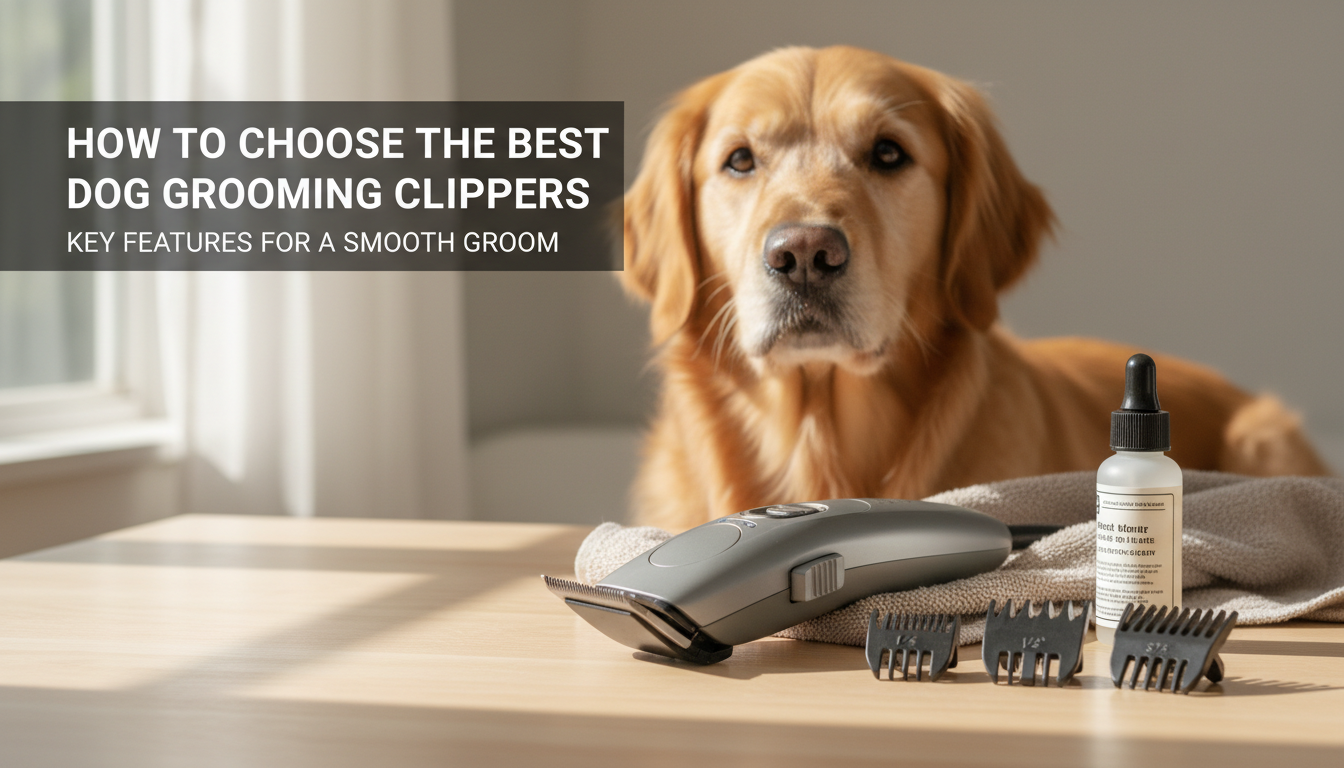
How to Choose the Best Dog Grooming Clippers: Key Features for a Smooth Groom
Beyond the Buzz: Finding the Right Dog Grooming Clippers for Your Home
The appeal of grooming your dog at home has grown significantly, offering benefits like cost savings, convenience, and a deeper bond with your pet. However, the journey to a smooth, stress-free home groom often begins with a common hurdle: selecting the right clippers. Many dog owners find themselves overwhelmed by the sheer variety on the market, frequently leading to purchases that disappoint—clippers that snag, lack power, or simply don't suit their dog's coat type. These unsatisfactory experiences can make the prospect of future home grooming daunting.
This guide aims to cut through the confusion, providing clear, evidence-oriented criteria to help you identify the critical features that genuinely matter in dog grooming clippers. By understanding these essential considerations, you can confidently choose a tool tailored to your dog's specific needs and your grooming routine, transforming past frustrations into successful future grooms.
Matching Clippers to Your Canine: Coat Types and Grooming Frequency
The ideal dog grooming clipper isn't a universal tool; its effectiveness hinges on how well it aligns with your dog's unique coat characteristics and your grooming routine. Understanding these foundational elements is crucial for selecting clippers that perform reliably and prevent the frustration of inadequate tools.
Tailoring Power and Blades to Coat Density
A dog's coat type directly dictates the necessary power and blade configuration of your clippers. Attempting to groom a dense or challenging coat with insufficient power or an unsuitable blade can lead to snagging, uneven cuts, and discomfort for your dog.
- Fine or Sparse Coats: Dogs with fine, single-layer coats may not require the highest-powered motors. Lighter-duty clippers can often manage these coats effectively for maintenance trims.
- Thick or Double Coats: Breeds with dense undercoats or thick, coarse hair demand powerful rotary motors that maintain consistent speed under load. Less powerful clippers can bog down, pull hair, and overheat, leading to an inefficient and potentially painful experience.
- Curly or Wooly Coats: Curly coats, often prone to matting, require robust clippers with sharp, appropriate blades to cut through the springy texture without snagging. Ceramic blades can be beneficial here as they tend to stay cooler than steel, reducing the risk of skin irritation during longer grooming sessions.
- Matted Coats: Severely matted areas often necessitate specialized, short-cutting blades (e.g., a #10 blade or even shorter, depending on the mat severity) and a powerful motor to safely remove the matting close to the skin. This is a delicate process where clipper strength and blade sharpness are paramount for safety and efficacy.
Addressing Sensitivity and Anxiety
Grooming can be a stressful experience for some dogs, particularly those with sensitive skin or a general anxiety towards new sensations. The right clippers can significantly mitigate these concerns.
- Noise and Vibration: Dogs are often sensitive to high-pitched sounds and vibrations. Clippers with quieter motors and reduced vibration can make the grooming process less intimidating, potentially leading to a calmer pet. Comparing decibel levels or user reviews regarding noise can offer insight.
- Heat Generation: Blades can heat up during prolonged use, which can be uncomfortable or even burn sensitive skin. Clippers designed with good ventilation or those compatible with ceramic blades (which dissipate heat more effectively than traditional steel) can help manage blade temperature. Regular lubrication and breaks are also vital for heat management.
Impact of Grooming Frequency on Clipper Durability
The frequency and intensity of your grooming tasks should influence your clipper selection, particularly regarding motor type and overall build quality.
- Occasional Trims and Touch-ups: If you only plan to perform light trims around the paws or face every few weeks, a less robust, potentially less expensive clipper might suffice. These models may have simpler motors or less durable components but can still perform adequately for intermittent use.
- Regular Full Grooms: For dogs requiring frequent, comprehensive grooming sessions, investing in clippers with a durable, heavy-duty rotary motor is often more cost-effective in the long run. These clippers are designed for sustained use without overheating or losing power, offering greater longevity and consistent performance. Cordless models for frequent use should also prioritize battery life and quick charging capabilities to avoid interruptions.
Key Features for a Flawless Cut: What to Look for in Dog Clippers
After considering your dog's coat and grooming needs, the next step involves dissecting the clippers themselves. Beyond basic functionality, specific design and engineering choices significantly impact performance, comfort, and the overall grooming experience for both you and your pet. Understanding these core features helps in identifying clippers that overcome common problems like snagging, overheating, or causing anxiety, transforming a potentially frustrating task into a smooth, effective routine.
Motor Types and Performance Implications
The motor is the heart of your clippers, dictating their power and how they handle various coat types. Different motor designs offer distinct advantages:
- Rotary Motors: These are versatile and maintain consistent power under load, making them suitable for a wide range of coat types, from fine to thick. They are often found in professional-grade clippers due to their durability and ability to handle extended use without bogging down.
- Pivot Motors: Delivering high cutting power at a slower blade speed, pivot motors excel with very thick or matted coats. Their robust nature helps them power through challenging textures efficiently.
- Magnetic Motors: Known for high blade speed and efficiency, magnetic motors are often used for lighter coats or quick touch-ups. While fast, they may struggle with extremely dense or coarse hair compared to rotary or pivot types.
Matching the motor type to your dog's coat density is crucial. An underpowered motor will pull hair, causing discomfort and an uneven cut, while an overpowered one for a fine coat might be unnecessarily loud or produce more heat.
Corded vs. Cordless Operation
Your choice between corded and cordless impacts mobility and power consistency:
- Corded Clippers: These offer consistent, uninterrupted power, eliminating concerns about battery life mid-groom. They tend to be lighter as they don't house a battery pack, which can reduce hand fatigue during long sessions. The trade-off is restricted movement due to the power cord.
- Cordless Clippers: These provide freedom of movement, allowing you to groom in various locations without being tethered to an outlet. Their primary consideration is battery runtime and recharge time. Look for models with lithium-ion batteries for longer life and consistent power delivery, and consider if swappable battery packs are available for extended grooming sessions to avoid mid-groom interruptions.
Adjustable Speed Settings
Clippers with multiple or variable speed settings offer greater control and adaptability to different grooming tasks:
- Lower Speeds: Ideal for sensitive areas, anxious dogs, or precision work, as they generate less heat and noise.
- Higher Speeds: Effective for quickly moving through thick, dense coats, maintaining efficiency.
Variable speeds allow you to tailor the clipper's performance to different parts of your dog's body and specific coat challenges, optimizing both comfort and cutting efficacy.
Noise and Vibration Levels
High noise and vibration are common stressors for dogs during grooming, potentially leading to fear and resistance. Prioritize clippers explicitly designed for low noise and minimal vibration. These features contribute significantly to a calmer grooming experience, reducing anxiety for your pet and making the process easier for you. Overlooking this can turn grooming into a stressful ordeal, making future sessions increasingly difficult.
Ergonomics, Weight, and Grip
Grooming can be time-consuming, making user comfort paramount. Seek clippers that are lightweight, well-balanced, and feature an ergonomic design that fits comfortably in your hand. A non-slip grip enhances control and reduces the risk of accidental slips, particularly when hands might become damp or oily from grooming products. A comfortable and secure grip minimizes hand fatigue and improves precision, especially during detailed work or extended grooming sessions.
Cooling Systems and Ventilation
Clippers generate heat, especially during prolonged use or when working on thick coats. Excessive heat can cause discomfort or even burn your dog's skin. Look for clippers with effective ventilation systems or cooling technologies that dissipate heat efficiently. Some models incorporate ceramic blades or specific housing designs to manage temperature. While dedicated cooling systems are beneficial, it's always wise to have cooling spray on hand and take frequent breaks to allow blades and motors to cool down, regardless of the clipper's built-in features. This practice prevents overheating and ensures your dog's safety.
Beyond the Clipper: Understanding Blade Types and Maintenance for Optimal Performance
The performance of any dog grooming clipper is intrinsically linked to the quality, type, and upkeep of its blades. Many home groomers experience frustration not due to the clipper motor itself, but because of unsuitable or poorly maintained blades, leading to snagging, uneven cuts, and discomfort for their pet. Recognizing the critical role blades play and committing to their proper care can transform a challenging grooming session into a smooth, efficient one.
Blade materials significantly influence cutting efficiency and heat retention during a groom.
- Stainless Steel Blades are common for their durability and ability to hold a sharp edge. However, they can heat up more quickly with continuous use, requiring frequent cooling breaks or the use of cooling sprays to prevent skin irritation.
- Ceramic Blades are prized for their ability to stay cooler for longer, reducing the risk of "clipper burn" on a dog's skin. While they offer excellent sharpness and heat dissipation, ceramic can be more brittle than steel, making them susceptible to chipping if dropped.
Understanding blade sizes is essential for achieving desired coat lengths and finishes. Blades are numbered inversely to their cutting length; a higher number means a shorter cut.
- #10 blades cut very short, often used for sanitary trims, paw pads, or matted areas.
- #7F, #5F, and #4F blades are common "finish" blades (indicated by 'F') that leave progressively longer, smooth cuts, suitable for body work on many breeds. These provide a consistent, finished appearance without leaving clipper lines.
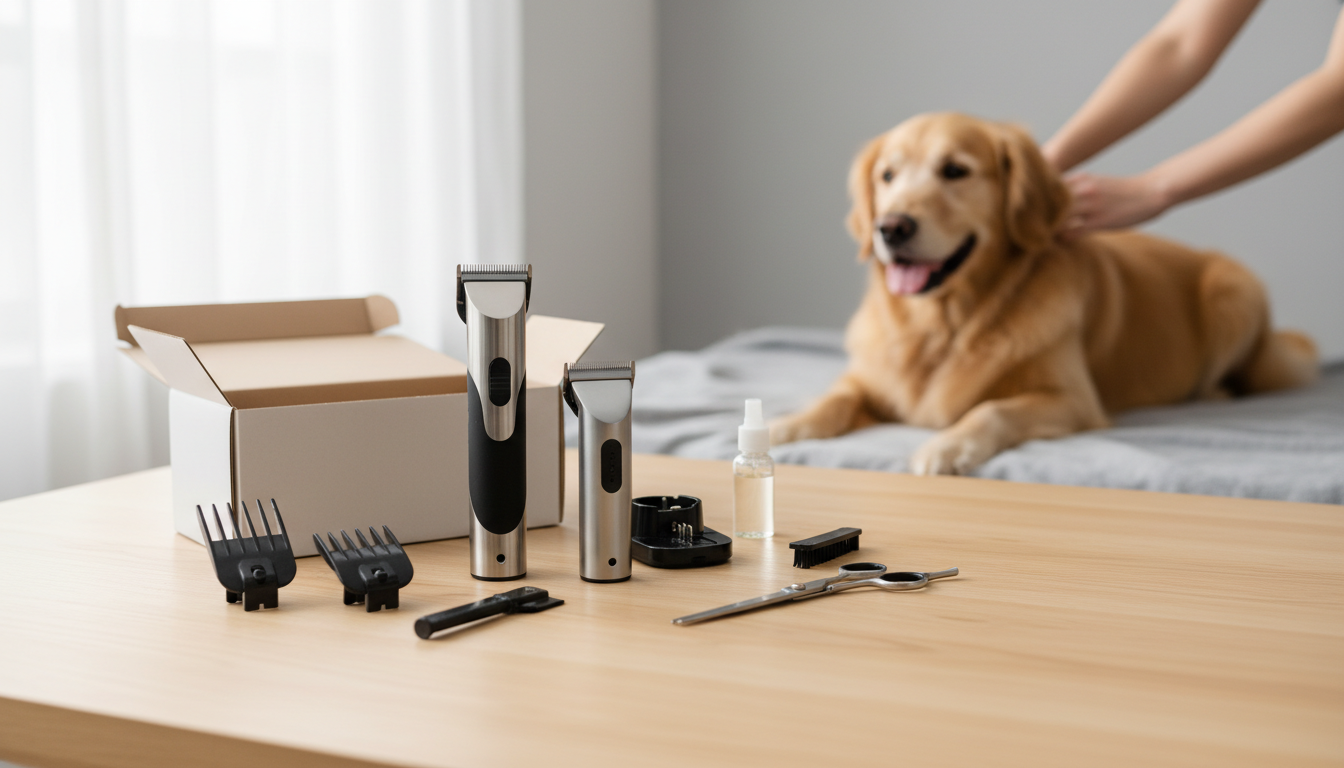
- Attachment combs, also known as guard combs, slide over a #10 or #30 blade to leave even longer lengths. They are invaluable for achieving various coat lengths, adding versatility, and providing an extra layer of protection against accidental nicks, making them particularly useful for novice groomers or for dogs with longer coats.
Recognizing when blades are no longer performing optimally is crucial to prevent discomfort for your dog and ensure a quality groom.
- Pulling or Snagging Fur: A primary indicator of a dull blade is when it pulls or snags hair instead of cutting cleanly, causing discomfort for your dog.
- Uneven Cuts or Lines: Dull blades struggle to cut uniformly, resulting in a patchy appearance or visible clipper lines that are difficult to blend.
- Visible Damage: Inspect blades regularly for rust, chipped teeth, or bent sections, all of which compromise performance and can injure your dog.
Proper maintenance extends blade lifespan and maintains hygienic grooming practices.
- Cleaning: After each use, thoroughly brush away all hair from the blades. Disassemble if necessary to remove trapped fur.
- Oiling: Apply a few drops of clipper oil to the teeth and friction points of the blades before, during (if blades start to heat up), and after each grooming session. This lubricates the blades, reduces friction and heat, and prevents rust.
- Storage: Store blades in a clean, dry place, ideally in a protective case, to prevent damage and contamination. Avoid storing them in humid environments, which can lead to rust.
By prioritizing the selection of appropriate blade types and adhering to consistent maintenance routines, home groomers can significantly improve the effectiveness and comfort of their grooming sessions, avoiding the common pitfalls of unsatisfactory past purchases.
Navigating Common Pitfalls and Trade-offs in Clipper Selection
Choosing dog grooming clippers involves more than just identifying desirable features; it also requires an understanding of potential pitfalls and the inherent trade-offs that come with different models. Addressing these considerations upfront can help prevent future frustration and ensure your investment aligns with your long-term grooming needs.
A significant concern during extended grooming sessions is clipper overheating. While all clippers generate some heat, underpowered units or those with less efficient motors are more prone to heating up rapidly when tackling dense or matted coats. This can cause discomfort for your dog and necessitate frequent breaks, prolonging the grooming process. Strategies to manage this include using cooling sprays, having multiple blades to swap out, or opting for clippers designed for heavy-duty use that dissipate heat more effectively.
The initial cost of clippers often reflects their long-term durability and performance. While a lower price point might seem appealing, 'cheap' clippers can lead to significant frustration. These units may feature less robust motors that struggle with thick hair, flimsy construction that breaks down quickly, or blades that dull prematurely. Such experiences, like switches failing or blades not cutting effectively, can result in poor grooming outcomes and the need for early replacement, ultimately costing more in time and repeated purchases.
To mitigate these risks, brand reputation and customer reviews serve as valuable indicators of reliability and manufacturer support. Established brands often have a history of producing durable tools and offering accessible spare parts or customer service. Reviews from other dog owners, particularly those with similar dog breeds or coat types, can provide practical insights into a clipper's real-world performance, common issues, and how well it holds up over time.
Finally, selecting clippers initiates an ongoing commitment to blade maintenance and potential replacement. Clipper blades, regardless of their initial quality, will eventually dull. This necessitates either professional sharpening services or purchasing new replacement blades. This recurring cost and effort are integral to maintaining effective cutting performance and preventing snagging or pulling, which can be painful for your dog. Factoring in this long-term commitment helps in making a more informed and practical purchasing decision.
Frequently Asked Questions About Dog Grooming Clippers
Navigating the world of dog grooming clippers can raise several questions, especially for those who have experienced unsatisfactory results in the past. Understanding these common concerns can help clarify your choices and improve your grooming experience.
-
What is the best type of motor for dog clippers? The "best" motor depends on your dog's coat type.
- Rotary Motors: These are the most versatile and common, offering consistent power and speed. They are suitable for most coat types, from fine to thick, and maintain speed even when cutting through dense fur.
- Pivot Motors: Designed for power rather than speed, pivot motors operate at a lower blade speed but offer high torque. They excel at cutting through very thick or coarse coats, though they can be louder.
- Magnetic Motors: These are simpler, high-speed motors, often found in lighter-duty clippers. They are generally quieter and lighter but may not have the sustained power for very dense or matted coats. For most home groomers dealing with various coat densities, a quality rotary motor clipper offers the best balance of power and versatility.
-
How do I know when to sharpen or replace my clipper blades? Dull or damaged blades are a primary cause of poor grooming results and discomfort for your dog. Look for these indicators:
- Pulling or Snagging: The most common sign is the clippers pulling or snagging your dog's fur instead of cutting cleanly. This can be painful for your pet.
- Ineffective Cutting: You find yourself needing to pass over the same area multiple times to achieve an even cut.
- Visible Damage: Inspect the blades for visible rust, chips, bent teeth, or any broken parts. Even if not pulling, damaged blades can leave an uneven finish or cause irritation.
- Overheating: Dull blades can cause excessive friction, leading to quicker overheating, which can burn your dog's skin.
-
Can I use human clippers on my dog? It is generally not recommended to use human clippers on dogs. Dog hair is significantly different from human hair; it's often thicker, denser, and has varied textures, from fine and silky to coarse and wiry. Human clippers are not engineered with the motor power, blade sharpness, or durability required to handle canine coats effectively. Using them can lead to:
- Hair Pulling: Insufficient power or dull blades will snag and pull hair, causing pain and discomfort.
- Overheating: Human clippers can quickly overheat when struggling with dog fur, posing a burn risk.
- Ineffective Grooming: You'll likely achieve an uneven cut or struggle to get through the coat at all, leading to frustration for both you and your dog.
-
Why do my clippers pull my dog's hair? Clippers pulling hair is a common and frustrating problem that often indicates an issue with the blades or technique.
- Dull Blades: As noted above, the most frequent culprit is dull blades that can no longer cut cleanly.
- Insufficient Power: The clipper's motor may not be powerful enough for your dog's coat type, causing it to slow down and snag rather than cut.
- Dirty Blades: Hair and debris can build up between the blades, impeding their movement and cutting ability. Regular cleaning and oiling are essential.
- Improper Technique: Moving the clippers too fast, against the grain of the hair, or at an incorrect angle can cause pulling.
- Matted Hair: Attempting to clip through matted fur with standard blades will almost always result in pulling. Mats often require specialized tools or pre-clipping with a shorter blade.
-
Are cordless clippers as powerful as corded ones? Modern cordless clippers have made significant advancements in power and battery life, with many professional-grade cordless models now rivaling their corded counterparts.
- Corded Clippers: Traditionally offer consistent, continuous power without concern for battery depletion, making them reliable for long grooming sessions or very dense coats.
- Cordless Clippers: Provide superior maneuverability and freedom of movement, which can be invaluable for nervous dogs or complex trims. While some may have slightly less peak power than the most robust corded models, many high-quality cordless clippers deliver ample power for most home grooming needs. The primary trade-off is battery life, which can vary and may require recharging during extended grooms.
Your Personalized Clipper Checklist: Making the Best Choice for Your Dog
Having explored the critical features and considerations for dog grooming clippers, the next step is to synthesize this knowledge into a practical framework for your purchase decision. This checklist is designed to help you methodically evaluate options, ensuring you select clippers that align perfectly with your dog's needs and your grooming aspirations, avoiding the pitfalls of previous unsatisfactory purchases.
Use the following steps to confidently assess potential clippers:
-
Step 1: Define Your Dog's Coat Profile
- Density and Texture: Is your dog's coat fine, medium, thick, or extremely dense? Is it straight, wavy, curly, or a double coat? This dictates the required motor power and blade type.
- Matting Tendency: Dogs prone to matting will require more robust clippers capable of handling tangles, often benefiting from higher power and specific blade types.
- Skin Sensitivity: Consider your dog's skin. Some may benefit from ceramic blades that stay cooler longer, or clippers with less vibration.
-
Step 2: Outline Your Grooming Needs and Frequency
- Grooming Frequency: Will you be grooming weekly, monthly, or only for occasional touch-ups? Frequent use might justify a more durable, professional-grade option.
- Grooming Style: Are you aiming for a full-body shave, a specific breed cut, or just sanitary trims and paw tidying? This influences the range of blade sizes and types you'll need.
- Dog's Temperament: Is your dog sensitive to noise or vibration? Prioritize quieter models if your pet is easily startled or anxious during grooming.
-
Step 3: Prioritize Essential Clipper Features
- Motor Type: Match motor power (rotary, pivot, magnetic) to your dog's coat density. Rotary motors are generally versatile for varied coats.
- Power Source: Corded clippers offer consistent power without recharging, ideal for longer grooms. Cordless models provide flexibility and maneuverability but require battery management.
- Blade System: Confirm compatibility with a wide range of detachable blades (e.g., A5 style) to accommodate different coat lengths and types. Look for options like ceramic blades for cooler operation.
- Ergonomics and Weight: Consider how the clipper feels in your hand. Lighter, well-balanced clippers reduce hand fatigue during extended grooming sessions.
- Heat Management: Features that reduce blade overheating, such as ventilation or efficient motor design, are crucial for your dog's comfort and blade longevity.
-
Step 4: Assess Budget and Long-Term Value
- Initial Investment: While a higher initial cost can be a deterrent, consider the durability and performance benefits of a well-suited clipper.
- Maintenance Costs: Factor in the cost and availability of replacement blades and accessories. A system with widely available, affordable blades can offer better long-term value.
By systematically working through these considerations, you can move beyond generic recommendations and pinpoint the clippers that genuinely meet your unique requirements. This informed approach empowers you to make a confident decision, setting the stage for smoother, more effective, and stress-free grooming experiences for both you and your canine companion.
More in Dog Grooming Clippers
View All
Preparing Your Dog for Grooming with Clippers: A How-To Guide for Stress-Free Sessions
Compare how to dog grooming with clippers with a practical informational SEO brief, decision criteria, FAQs, and publishing checks before you commit.
Troubleshooting Common Issues When Grooming Your Dog with Clippers
Compare grooming a dog with clippers with a practical informational SEO brief, decision criteria, FAQs, and publishing checks before you commit.
Country Clippers for Dog Grooming: Built for Durability and Demanding Use
Compare country clippers dog grooming with a practical informational SEO brief, decision criteria, FAQs, and publishing checks before you commit.