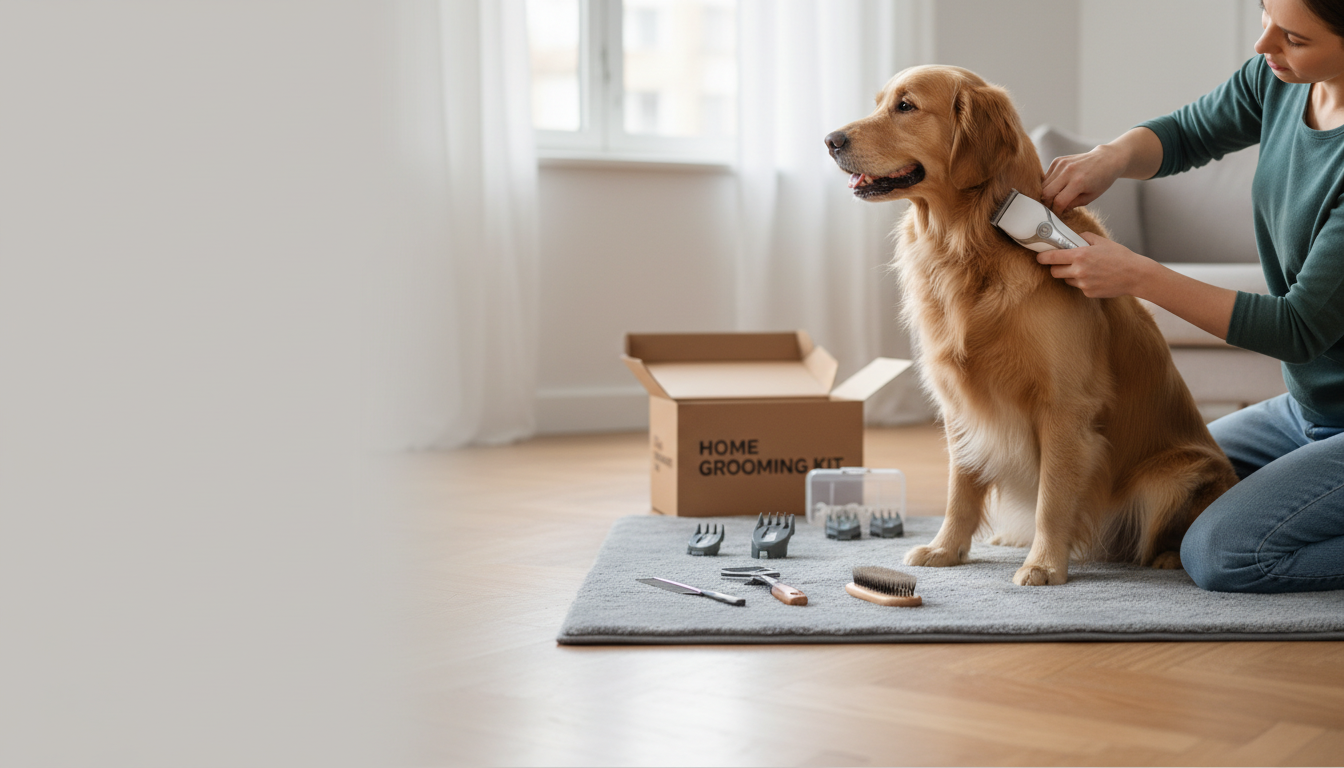
Finding the Best Dog Grooming Clippers: A Buyer's Guide to Performance and Value
Dog Grooming decision snapshot
When seeking "the best dog grooming clippers," the initial search often leads to a comparison of diverse tools rather than a single, universal solution. Your decision isn't about identifying one superior product, but rather aligning specific clipper attributes with your dog's coat type, grooming frequency, and personal comfort. This article provides a structured approach to evaluate performance and value, helping you navigate the options.
The core decision fork in selecting clippers typically involves:
- Power Source: Corded models often provide consistent, uninterrupted power, which can be crucial for dense or matted coats. Cordless options, conversely, offer enhanced maneuverability and flexibility, especially for anxious pets or outdoor grooming, but require battery management.
- Motor Type: Understanding the motor (rotary, pivot, or magnetic) influences a clipper's ability to cut through different coat textures and its overall durability.
- Blade System: Detachable blade systems offer versatility for various cutting lengths and easy cleaning, while integrated adjustable blades provide convenience for quick length changes.
The main trade-off you'll encounter is often between raw cutting power and operational flexibility. High-powered clippers excel on challenging coats but might be heavier or less agile. Lighter, more maneuverable clippers might prioritize ease of use over extreme power, suitable for lighter grooming tasks or maintenance trims. Evaluating these factors against your specific grooming needs is key to making an informed choice.
Dog-Grooming Evidence Criteria Matrix
Selecting the optimal dog grooming clippers involves evaluating specific attributes that directly impact performance, value, and suitability for your pet's needs. Beyond general features, a comparison matrix requires criteria that highlight differentiating factors and potential trade-offs. This section outlines key points to consider, alongside inherent evidence limitations and potential deal-breakers.
Comparison Criteria for Shortlisting
When comparing different clipper models, focus on these criteria to refine your selection:
- Motor Power (Strokes Per Minute - SPM) and Type:
- Relevance: Directly correlates with a clipper's ability to cut through various coat densities without bogging down. Higher SPM (e.g., 3400-4400+ SPM) is often indicative of professional-grade power, suitable for thick or matted coats, as seen in some Andis and Oster models.
- Differentiation: Rotary motors are typically powerful and run cooler, while magnetic motors offer high blade speed but less torque. Pivot motors provide high torque at lower speeds.
- Power Source: Corded vs. Cordless Operation:
- Relevance: Impacts maneuverability, consistent power delivery, and operational runtime. Corded models often provide uninterrupted, maximum power, which can be critical for extensive grooming sessions or challenging coats. Cordless options offer flexibility for anxious pets or outdoor use but introduce battery life and charging considerations.
- Differentiation: Evaluate battery type (e.g., Lithium-Ion for longer life) and typical run-time for cordless models, versus cord length and weight for corded units.
- Blade System Compatibility and Material:
- Relevance: Determines versatility for different coat lengths and ease of maintenance. Detachable blade systems (e.g., A5-style) allow for quick changes between various blade sizes and types (ceramic, steel) and simplify cleaning. Integrated adjustable blades offer convenience but less flexibility in blade material or specialized uses.
- Differentiation: Consider the availability and cost of compatible blades. Some systems offer wider blade options for specific coat textures or finishes.
- Ergonomics and Weight:
- Relevance: Directly affects user comfort and control during extended grooming sessions, reducing hand fatigue. A balanced, lightweight design can significantly improve the grooming experience.
- Differentiation: Compare stated weights and consider the overall form factor, especially if you have smaller hands or anticipate long grooming times.
- Noise and Vibration Levels:
- Relevance: A critical factor for dogs sensitive to sound and vibration. Lower noise levels can reduce anxiety and make the grooming process smoother for both pet and owner.
- Differentiation: While difficult to quantify without direct experience, some manufacturers highlight quiet operation. User reviews can offer anecdotal insights.
Evidence Limitations and Deal Breakers
While product specifications provide a foundation, certain aspects are harder to assess remotely:
- Evidence Limitations:
- Actual Noise Level: Stated decibel levels can be misleading; real-world noise and vibration perception vary. User testimonials offer the best proxy.
- Blade Sharpness Out-of-Box: Initial sharpness can vary, and long-term durability of blades is rarely specified.
- Heat Generation: How cool a clipper runs, especially during prolonged use, is vital to prevent discomfort for the dog and clipper damage. This is often learned through extended use.
- True Ergonomic Fit: Personal comfort with a clipper's grip and balance is subjective and best determined by handling the tool.
- Potential Deal Breakers:
- Insufficient Power for Coat Type: If a clipper consistently bogs down in your dog's specific coat, it will lead to pulling, discomfort, and an unfinished groom. This is a primary functional failure.
- Excessive Heat Buildup: Clippers that overheat quickly pose a burn risk to your dog and can shorten the tool's lifespan.
- Poor Blade Availability/Cost: If compatible replacement blades are hard to find or disproportionately expensive, the long-term value of the clipper diminishes.
- Unmanageable Noise/Vibration: For highly anxious dogs, a clipper that causes significant distress will make grooming impossible, regardless of its cutting performance.
Dog-Grooming Use Case winner by situation
No single dog grooming clipper is universally "best"; instead, optimal performance aligns with specific grooming tasks and your dog's unique needs. Identifying the right tool involves matching clipper characteristics to your primary use case, considering factors like power, maneuverability, and noise levels.
Grooming Thick, Dense, or Matted Coats
For dogs with challenging fur, a clipper's ability to maintain consistent power and cutting efficiency is paramount.
- Winning Characteristic: High-powered, corded clippers with robust rotary motors.
- Why it excels: These clippers deliver consistent torque and cutting force, essential for navigating challenging fur without stalling or pulling. Corded operation ensures uninterrupted power throughout lengthy or demanding sessions, preventing performance degradation.
- Pros:
- Superior cutting efficiency on heavy, matted, or dense coats.
- Reliable, sustained performance without battery fade.
- Often designed for durability and heat management under strenuous use.
- Cons:
- Limited mobility due to the power cord, which can be cumbersome.
- Can be heavier and potentially louder than lighter-duty models.
- May require specific blade types designed for thick fur to prevent overheating and ensure a clean cut.
- Practical Caveat: While powerful, these clippers still require proper technique and pre-grooming (like dematting) to prevent blade damage or discomfort for the dog. The Oster A6 Slim Heavy Duty Animal Clipper, for instance, is noted for its capability with thick coats and larger dogs, offering a high strokes-per-minute rate.
Grooming Anxious or Noise-Sensitive Dogs
For pets easily startled by sounds or vibrations, the grooming tool itself can significantly impact their comfort.
- Winning Characteristic: Cordless clippers engineered for low noise and minimal vibration.
- Why it excels: Reduced operational sound and vibration can significantly lower stress levels for sensitive pets, making the grooming experience more tolerable. Cordless freedom allows for easier positioning and reduces the risk of startling the dog with cord movement or tugs.
- Pros:
- Enhanced comfort and reduced anxiety for the pet during grooming.
- Greater maneuverability for the groomer, especially in awkward positions or for quick adjustments.
- Ideal for quick touch-ups or grooming in various locations without needing a power outlet.
- Cons:
- Battery life limits continuous run time; may require recharging during long grooming sessions.
- Generally less powerful than corded counterparts, potentially struggling with very dense or heavily matted fur.
- Battery degradation over time can impact performance and require eventual replacement.
- Practical Caveat: Even quiet clippers can still cause anxiety if the dog isn't properly introduced to the grooming process. Focus on positive reinforcement alongside the appropriate tool.
Precision Trimming and Detail Work (Paws, Face, Sanitary Areas)
For delicate areas requiring careful attention and safety, specialized clippers offer enhanced control.
- Winning Characteristic: Lightweight, compact clippers or trimmers with fine-tooth, narrow blades.
- Why it excels: These tools offer superior control and visibility, crucial for safely navigating delicate and hard-to-reach areas like paw pads, around the eyes, or sanitary regions. Their smaller size and precision blades minimize the risk of nicks and provide clean, detailed finishes.
- Pros:
- Exceptional accuracy for intricate styling and safety in sensitive zones.
- Less intimidating size for both pet and groomer, promoting a calmer experience.
- Often quieter and produce less heat, suitable for close-contact work.
- Cons:
- Insufficient power or blade width for efficient full-body grooming on most dogs.
- Requires a separate, more robust clipper for general coat reduction.
- Blades may clog more easily with longer or thicker hair if not pre-trimmed.
- Practical Caveat: While precise, these tools are not a substitute for a full-size clipper for overall coat management. They are best used as a complementary tool for finishing touches.
Versatile Home Grooming for Mixed or Average Coats
For the home groomer dealing with a variety of coat types or general maintenance, adaptability is key.
- Winning Characteristic: Mid-range clippers offering multiple speed settings and a detachable blade system.
- Why it excels: This combination provides adaptability for various coat textures and lengths encountered in a typical home grooming routine. Multiple speeds allow adjustment for different body parts or minor coat variations, while detachable blades facilitate easy cleaning and swapping for different cutting lengths.
- Pros:
- Good balance of power and versatility for general use.
- Detachable blades simplify maintenance and offer broad styling options.
- Often designed with ergonomics in mind for comfortable home use.
- Cons:
- May not handle extreme matting or exceptionally dense coats as effectively as heavy-duty, specialized models.
- The initial investment for a quality system with multiple blades can be higher.
- Requires understanding of different blade sizes and their applications to achieve desired results.
- Practical Caveat: While versatile, mastering the use of different blades and speed settings takes practice. The Andis EasyClip Pro-Animal, for example, is noted for its overall quality and versatility across different fur types and lengths, making it a strong contender for varied home grooming needs.
Dog-Grooming Trade-Offs
While comparing dog grooming clippers through a matrix highlights features and specifications, it's crucial to also consider potential pitfalls that could undermine your investment or lead to frustration. Understanding these risks before a purchase can prevent dissatisfaction and ensure the selected clippers genuinely meet your needs.
One significant consideration is the switching risk, particularly if you're transitioning from professional grooming services to home grooming, or upgrading from basic clippers to a more advanced model. The expectation of professional-grade results at home might be tempered by the learning curve involved in handling a powerful tool, mastering techniques for different coat areas, and managing pet behavior. A clipper designed for professional use might be heavier, louder, or require more precise handling than anticipated, impacting the grooming experience for both you and your dog. Conversely, choosing a less powerful clipper for ease of use might lead to it bogging down on dense or matted fur, requiring more passes and causing discomfort.
Beyond the initial purchase price, be aware of hidden costs that can accumulate over the lifespan of the clippers. These often include:
- Blade Replacements and Sharpening: Clipper blades dull over time, especially with frequent use or on coarse coats. Quality replacement blades can be a significant recurring expense, and professional sharpening services also add to the cost.
- Attachment Combs: While some clippers include a basic set, specialized or higher-quality metal-reinforced combs might need to be purchased separately to achieve desired coat lengths and finishes.
- Maintenance Supplies: Clipper oil, blade wash, and cooling sprays are essential for proper maintenance, longevity, and performance, representing ongoing expenses.
- Battery Replacements: For cordless models, battery performance degrades over time, and a replacement battery can be a notable cost, often several years into the clipper's life.
Finally, a fit mismatch between the clippers and your dog's specific needs or your grooming environment can render even a highly-rated product ineffective. This risk manifests in several ways:
- Coat Type Incompatibility: A clipper designed for fine, single coats will struggle with dense double coats or matted fur, leading to pulling and an unfinished look.
- Noise and Vibration Sensitivity: Some dogs are highly reactive to the noise or vibration of clippers. A powerful motor, while efficient, might be too loud for an anxious pet, making grooming sessions stressful or impossible.
- Ergonomic Discomfort: If you plan for extended grooming sessions, a clipper that is too heavy, bulky, or vibrates excessively can lead to hand fatigue and discomfort, impacting your ability to groom effectively.
- Power Source Limitations: A cordless clipper offers freedom but might lack the sustained power for very thick coats or long grooming sessions, potentially requiring recharges mid-groom. Conversely, a corded clipper might limit maneuverability in certain spaces or with restless dogs.
The Best Dog Grooming Clippers FAQ
Navigating the array of dog grooming clippers can raise specific questions about their comparative value, suitable alternatives, and common pitfalls in the selection process. This section addresses frequent concerns to help refine your decision-making.
-
What are the primary alternatives to full-body dog grooming clippers? While full-size dog grooming clippers are essential for comprehensive coat maintenance, alternatives or complementary tools exist for specific tasks.
- Trimmers: Smaller, lighter tools designed for detail work around paws, ears, and sanitary areas. They are not typically suited for full-body grooms on most breeds.
- Grooming Scissors: Used for finishing touches, blending, or carefully trimming sensitive spots where clippers might be too aggressive. They require skill to avoid uneven cuts or injury.
- Shedding Rakes/De-shedding Tools: For managing undercoats and reducing shedding, these are maintenance tools, not cutting instruments. The choice hinges on the specific grooming need; for significant coat reduction or overall styling, clippers remain the primary tool.
-
How can I assess the long-term value of a more expensive clipper model? Evaluating the long-term value of a clipper goes beyond its initial purchase price, particularly in a comparison context. Consider these factors:
- Durability and Build Quality: Higher-priced models often feature more robust construction, professional-grade motors, and durable casings, leading to a longer lifespan.
- Blade System Compatibility: Clippers that accept universal or widely available detachable blades can reduce future costs, as you're not locked into proprietary, expensive replacements.
- Performance Consistency: A more powerful or efficiently designed clipper can maintain consistent cutting performance over time, reducing grooming duration and stress for your dog.
- Maintenance Ease: Models designed for easy cleaning and blade changes contribute to longevity and consistent operation, minimizing potential repair needs. A higher initial investment can translate into reduced frustration, better grooming results, and fewer replacement purchases over several years.
-
What common mistakes should I avoid when comparing dog grooming clippers? When evaluating different clipper models, certain missteps can lead to an unsuitable purchase:
- Prioritizing SPM (Strokes Per Minute) without Context: A high SPM count is important, but it must be considered alongside the motor type (e.g., rotary, pivot, magnetic) and the clipper's ability to maintain that speed under load, especially for dense coats.
- Ignoring Blade System Compatibility: Assuming all blades fit all clippers is incorrect. Ensure the clipper's blade system (detachable A5, adjustable, etc.) matches your needs for versatility and future blade availability.
- Overlooking Noise and Vibration: While not always listed in specifications, excessive noise or vibration can significantly impact a dog's comfort and cooperation during grooming. Seek user feedback or product reviews that address these aspects.
- Underestimating Coat Demands: A clipper suitable for a fine, single coat may struggle significantly with a thick, double, or matted coat, leading to frustration and potential motor burnout. Match the clipper's power and design to your dog's specific coat type.
Dog-Grooming-Pick verdict
Determining "the best" dog grooming clippers ultimately depends on a personalized assessment of your dog's specific needs and your grooming approach. Rather than a single universal recommendation, the most effective choice emerges from a careful evaluation of the criteria discussed throughout this guide. The goal is to match clipper attributes with your unique circumstances to ensure both performance and value.
To reach your informed decision:
- Revisit Your Dog's Profile: Consider their coat type (e.g., thick, fine, double), sensitivity to noise and vibration, and overall temperament during grooming. These factors are paramount in dictating necessary motor power, noise level, and handling characteristics.
- Align with Your Grooming Habits: Evaluate your frequency of grooming, the complexity of the cuts you perform, and whether you prioritize consistent power (corded) or maximum flexibility (cordless).
- Prioritize Key Performance Indicators: Focus on the motor type and power (SPM) for cutting effectiveness, the blade system for versatility and ease of maintenance, and the ergonomic design for user comfort during longer sessions.
Your next action is to apply these considerations to the comparison data you've reviewed. Use the insights on motor types, blade systems, and power sources to filter options that genuinely meet your requirements. The ideal clippers will offer a balance of power, precision, and durability tailored to your specific grooming environment, minimizing potential frustration and maximizing the comfort of both you and your dog.
More in Dog Grooming Clippers
View All
Preparing Your Dog for Grooming with Clippers: A How-To Guide for Stress-Free Sessions
Compare how to dog grooming with clippers with a practical informational SEO brief, decision criteria, FAQs, and publishing checks before you commit.
Troubleshooting Common Issues When Grooming Your Dog with Clippers
Compare grooming a dog with clippers with a practical informational SEO brief, decision criteria, FAQs, and publishing checks before you commit.
Country Clippers for Dog Grooming: Built for Durability and Demanding Use
Compare country clippers dog grooming with a practical informational SEO brief, decision criteria, FAQs, and publishing checks before you commit.