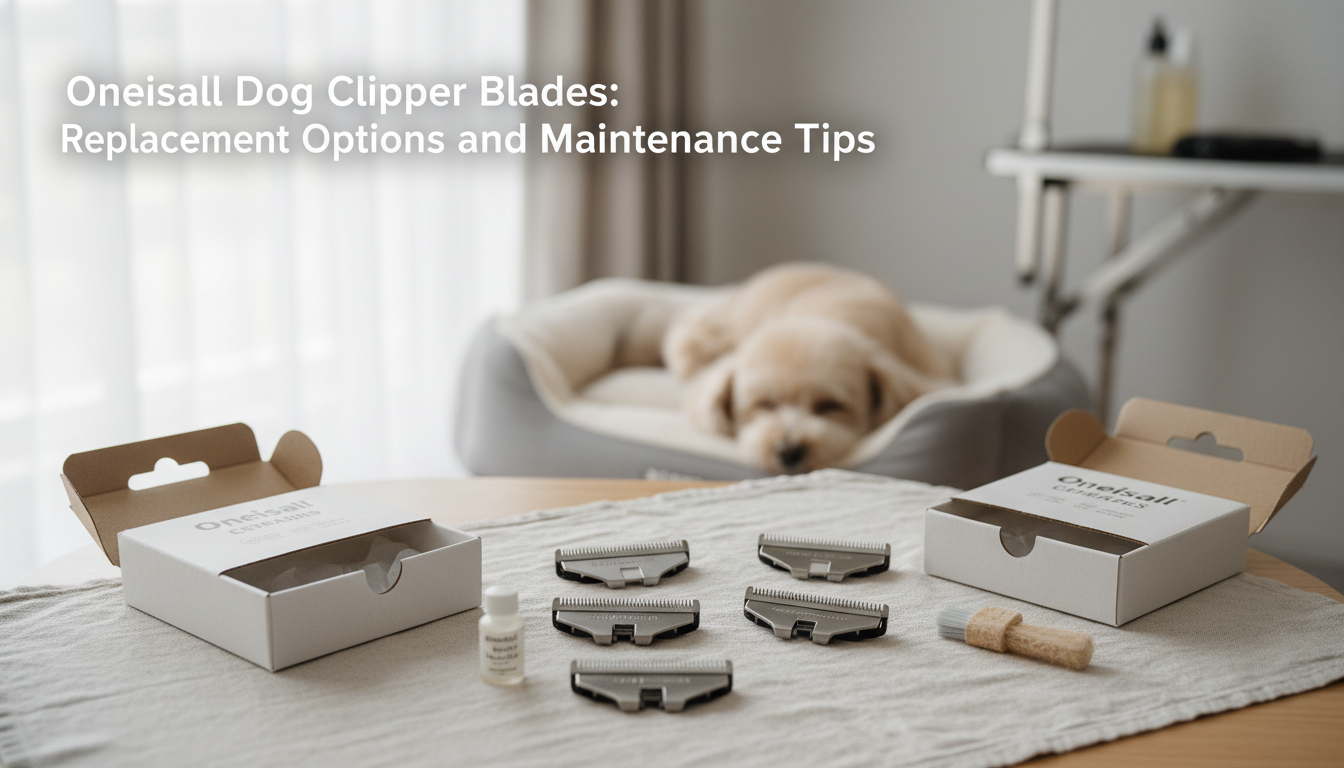
Oneisall Dog Clipper Blades: Replacement Options and Maintenance Tips
Choosing and Caring for Your Oneisall Dog Clipper Blades
Oneisall clippers have become a popular choice for many home dog groomers, recognized for their user-friendly design and effective performance in maintaining a pet's coat. These tools are designed to simplify the grooming process, offering a convenient solution for regular touch-ups and full trims. However, the overall grooming experience and the quality of the cut depend significantly on the blades used.
For effective and comfortable grooming, selecting the correct blades and maintaining them properly is crucial. Dull, incorrect, or poorly maintained blades can lead to uneven cuts, discomfort for your dog, and increased grooming time. Issues such as overheating or hair jamming, commonly associated with blade problems, can be mitigated through informed choices and consistent care practices.
This guide aims to empower Oneisall clipper owners by providing comprehensive insights into understanding the brand-specific replacement blades. We will navigate the various blade types, outline essential selection criteria to match your dog's coat and grooming needs, and share practical maintenance tips to extend blade longevity and ensure optimal grooming performance.
Decoding Oneisall Blade Sizes: What Each Number Means
Understanding the numbering system for Oneisall clipper blades is fundamental to achieving desired grooming lengths and maintaining your dog's coat effectively. Like many professional grooming blades, Oneisall blades typically adhere to a standardized numerical system where the number directly correlates to the cutting length. This system allows groomers to select the appropriate blade for specific coat types and styling preferences.
The general rule is that a higher blade number indicates a shorter cut, while a lower number leaves the hair longer. For instance, a #4 blade will leave significantly more hair than a #30 blade. Common Oneisall blade sizes you might encounter include:
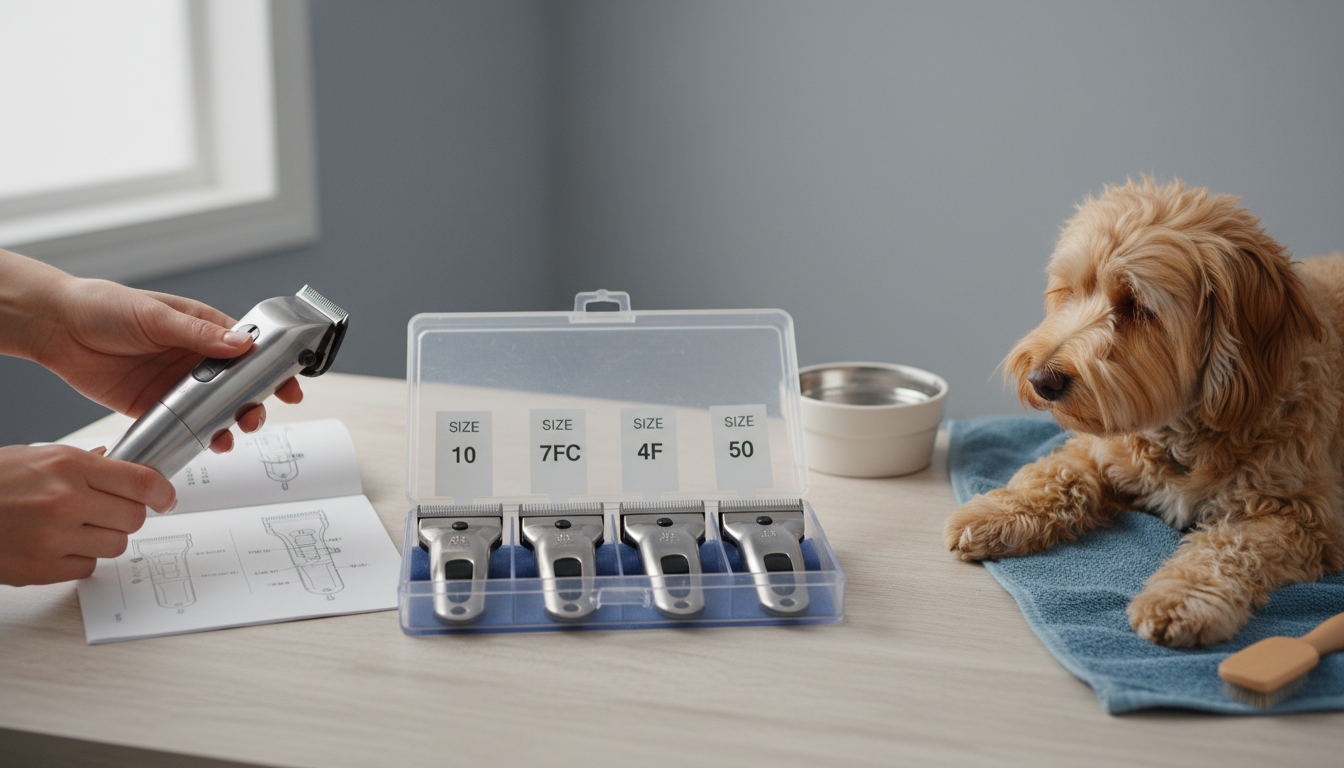
- #4, #5, #7: These blades are designed for longer cuts, often used to leave a moderate amount of hair for a fuller look or for dogs with thicker coats that require some length. The "F" designation (e.g., #4F) indicates a "finish" blade with full teeth, providing a smooth, uniform cut.
- #10: This is a versatile, general-purpose blade, frequently chosen for body work on many dog breeds. It provides a relatively close cut, often used in combination with guard combs for varying lengths.
- #30: This blade delivers a very fine, close cut. While it can be used for specific areas like paws or sanitary trims, it is most commonly utilized as a base blade under a guard comb. Using a #30 blade with a guard comb ensures the comb can effectively lift and guide the hair for an even, longer trim.
Oneisall blades, like many quality clipper blades, are often constructed from materials chosen for sharpness and durability. Typical materials include:
- Stainless Steel: Known for its strength and resistance to corrosion, stainless steel blades offer reliable performance and maintain a sharp edge.
- Ceramic: Often used for the cutting portion of a blade, ceramic is valued for its ability to stay cooler during extended use compared to steel, which can enhance comfort for the dog during grooming sessions.
Guard combs play a crucial role in extending the cutting lengths achievable with your Oneisall clipper. These attachments fit over a base blade, most commonly a #10 or #30, and dictate the final hair length. It's important to remember that dog guard comb lengths are not equivalent to human clipper guards; dog-specific guards are designed to handle different coat textures and densities. By understanding this numbering system and the function of guard combs, Oneisall clipper owners can confidently select the right tools for their dog's grooming needs.
Selecting the Ideal Oneisall Blade for Your Dog's Specific Needs
Choosing the correct Oneisall replacement blade involves more than just selecting a number; it requires a thoughtful assessment of your dog's unique characteristics and your grooming objectives. An informed decision ensures comfort for your pet and optimal results for your grooming efforts.
-
Coat Type Considerations Different coat textures respond uniquely to various blade types. For dogs with thick or dense coats, coarser blades (lower numbers) or using guard combs over a #10 blade can help prevent snagging and reduce the risk of the clipper jamming with hair. Fine or silky coats may benefit from sharp, smooth-cutting blades to avoid pulling and irritation. Curly or woolly coats often require blades designed to glide through tangles without causing discomfort. For double-coated breeds, careful selection is paramount to avoid cutting the insulating undercoat too short, which can impact their natural temperature regulation.
-
Desired Length and Style The blade number directly correlates to the finished hair length. For shorter cuts such as summer trims or sanitary areas, higher numbered blades (e.g., #10, #30) are typically used. To achieve longer, fluffier styles or specific breed-standard cuts, lower numbered blades (e.g., #4, #5, #7) are more appropriate, often combined with guard combs for additional length. Understanding the specific length each Oneisall blade delivers is crucial for matching your grooming vision.
-
Dog's Temperament and Skin Sensitivity A dog's comfort during grooming is paramount. For anxious or sensitive dogs, blades that cut smoothly and efficiently with minimal vibration can reduce stress. Blades that are dull or pull hair will cause discomfort, potentially leading to a negative grooming experience. Additionally, dogs with sensitive skin are more prone to irritation from blades that heat up quickly or cause friction. Ensuring blades are sharp and properly cooled can mitigate these risks.
-
Compatibility with Your Oneisall Clipper Oneisall produces various clipper models, and blade compatibility is not always universal. Before purchasing a replacement blade, verify that it is designed to fit your specific Oneisall clipper model. Refer to your clipper's manual or product specifications to confirm compatibility, as using an incompatible blade can lead to poor performance or damage to the clipper.
-
Balancing Performance and Comfort: Key Trade-offs Selecting a blade often involves balancing several factors. Finer blades (higher numbers) provide a shorter, smoother finish but can generate more heat due to increased friction and closer contact with the skin. This necessitates frequent cooling or breaks to prevent skin irritation. Conversely, coarser blades (lower numbers) or guard combs generally run cooler and are faster for larger areas, but may not achieve as smooth a finish. Wider blades can cover more surface area quickly, which is efficient for larger dogs, but may lack the precision needed for intricate work or smaller body parts.
Extending the Life of Your Oneisall Blades: Cleaning and Lubrication
Proper maintenance is crucial for maximizing the performance and lifespan of your Oneisall dog clipper blades. Neglecting routine care can lead to common issues such as overheating, reduced cutting efficiency, and premature dullness, ultimately impacting your dog's comfort and the quality of the groom. Implementing a consistent cleaning and lubrication regimen after each use helps ensure your blades remain sharp and functional.
Post-Grooming Cleaning
After each grooming session, thoroughly cleaning your Oneisall blades is the first step in preventing hair buildup and preserving cutting integrity. Trapped hair and debris can impede blade movement and contribute to jamming or uneven cuts.
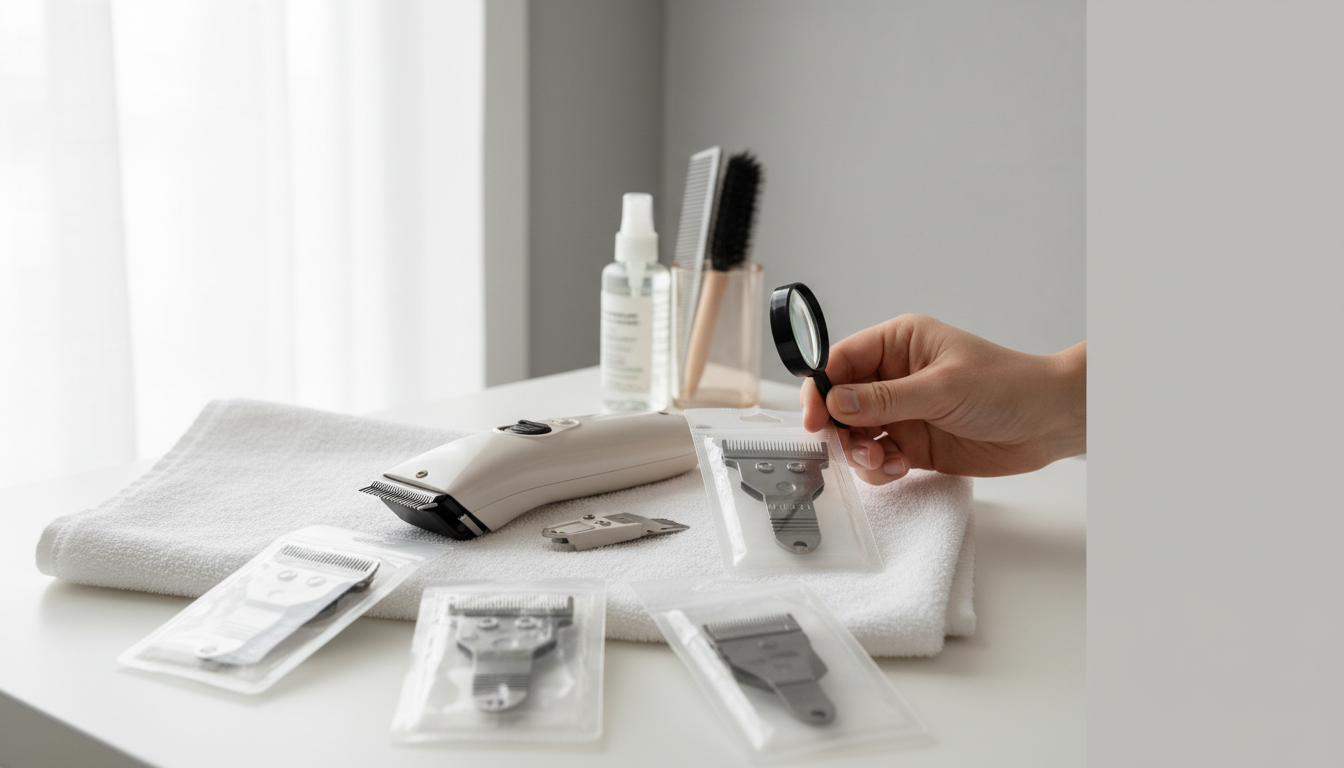
- Remove Excess Hair: Use a small, stiff-bristled brush (often included with clippers) to brush away all visible hair from the blade teeth and the area between the cutting blades. Pay close attention to the fine gaps where hair can easily accumulate.
- Separate Blades (if applicable): For some Oneisall models, blades may be detachable. If so, carefully remove the blade set from the clipper body to allow for more thorough cleaning of both sides.
- Wipe Down: Use a clean, dry cloth to wipe down the blade surfaces, removing any remaining hair or residue. Avoid using water directly on the clipper motor or non-waterproof blade components.
- Air Dry Completely: If any moisture was used (e.g., for wiping), ensure the blades are completely dry before reattaching or storing to prevent rust.
Proper Lubrication
Lubrication is essential to reduce friction, dissipate heat, and ensure smooth operation of your Oneisall blades. Without adequate oil, blades can overheat rapidly, become dull faster, and create discomfort for your pet.
- Importance of Blade Oil: Clipper blade oil is specifically formulated to lubricate the metal surfaces of the blades, allowing them to glide smoothly against each other. This reduces wear and tear, minimizes heat generation, and maintains cutting efficiency.
- Application Method: With the clipper running, apply 2-3 small drops of blade oil across the teeth of the blade and 1-2 drops on each side of the blade rails. Allow the clipper to run for about 10-15 seconds to distribute the oil evenly. This process helps work the oil into all moving parts.
- Frequency: Lubricate your Oneisall blades before each grooming session and periodically during longer grooming tasks, especially if you notice the blades starting to drag, sound louder, or feel warm. A good rule of thumb is to re-oil every 10-15 minutes of continuous use.
Disinfection for Hygiene
While not always necessary after every home groom, disinfecting your blades is a recommended practice, particularly if grooming multiple pets or if there's any concern about skin irritations or infections.
- Benefits: Disinfecting helps eliminate bacteria, fungi, and viruses that can accumulate on blades, promoting better hygiene and preventing the spread of potential skin issues between animals.
- Method: After cleaning and oiling, you can use a clipper blade disinfectant spray. Follow the product instructions carefully, ensuring adequate contact time and proper drying before storage or next use. Always ensure the disinfectant is safe for use on clipper blades and will not cause corrosion.
Storage Best Practices
How you store your Oneisall blades significantly impacts their longevity and readiness for the next use. Improper storage can lead to damage, dulling, or rust.
- Dry Environment: Always store clean and oiled blades in a dry environment to prevent rust and corrosion. Humidity can be detrimental to metal components.
- Protective Casing: Keep blades in their original protective cases or dedicated blade storage boxes. This prevents accidental drops, impacts, or contact with other hard surfaces that could chip or dull the cutting edges.
- Separate Storage: If you have multiple Oneisall blade sizes, store them separately to avoid them rubbing against each other, which can cause premature wear.
- Away from Dust and Debris: Ensure storage areas are clean and free from dust or pet hair, which could contaminate the blades before their next use.
Solving Blade Problems: Oneisall Troubleshooting Guide
Even with proper usage, Oneisall clipper blades can encounter issues that affect grooming performance. Recognizing these common problems and understanding their solutions can help maintain your blades and ensure a comfortable experience for your dog.
-
Overheating Blades Blades can become excessively hot during grooming, posing a risk of skin irritation or burns for your pet.
- Causes: Insufficient lubrication is a primary culprit, as friction increases without adequate oil. Long, uninterrupted grooming sessions also generate heat, as does hair buildup between the blade teeth, which impedes smooth operation and air circulation.
- Solutions: Apply blade oil generously before, during, and after each grooming session, especially for longer coats or multiple dogs. Take frequent short breaks to allow blades to cool, or consider having a spare, cool blade to swap out. Regularly clean hair and debris from between the teeth and under the blade to reduce friction.
-
Blades Jamming or Pulling Hair When blades snag, pull, or stop cutting smoothly, it can be distressing for both the groomer and the dog.
- Causes: Dull blades are a common reason, as they struggle to cut cleanly through hair. Excessive hair or matting can overwhelm the blade, causing it to jam. Improper or infrequent cleaning can lead to hair and debris accumulating within the blade mechanism, hindering its movement.
- Remedies: Ensure your dog's coat is clean, dry, and thoroughly brushed to remove tangles and mats before grooming. Clean the blades meticulously after each use, removing all trapped hair. If the blades continue to pull despite proper cleaning and lubrication, they may be dull and require replacement.
-
Uneven Cuts or Lines If your clipper leaves tracks, an inconsistent length, or fails to cut hair uniformly, several factors could be at play.
- Causes: A dull blade is often the culprit, unable to achieve a smooth, even cut. Incorrect blade choice for the specific coat type or desired length can also lead to poor results. Additionally, inconsistent grooming technique, such as uneven pressure or an incorrect angle, can result in an uneven finish.
- Actionable Steps: Verify that your blade is sharp and appropriate for the coat texture and desired cut length. Practice maintaining consistent pressure and a steady hand while moving the clipper against the direction of hair growth. If the issue persists with a sharp, correctly chosen blade, review your grooming technique.
-
When to Replace Blades Even with diligent maintenance, clipper blades have a finite lifespan. Recognizing when to replace them is crucial for optimal performance and your dog's comfort.
- Signs of a Dull Blade: The most evident signs include the blade pulling hair instead of cutting, requiring multiple passes to achieve a clean cut, leaving visible lines or an uneven finish, increased vibration or noise from the clipper, and the blade feeling rough or catching when moved by hand.
- Replacement Frequency: Oneisall, like most clipper manufacturers, designs its blades for durability, but heavy use on dense or dirty coats will accelerate wear. While there isn't a universal timeline, a general recommendation is to consider replacement when the blade's cutting performance significantly declines despite proper cleaning and oiling. For home groomers, this might be annually or every few years, depending on frequency of use. Owners of Oneisall clippers can find compatible replacement blades directly from the manufacturer or authorized retailers when these signs become apparent.
Your Top Questions About Oneisall Blades Answered
Understanding the nuances of Oneisall clipper blades can significantly enhance your grooming experience and extend the life of your equipment. Here are direct answers to common questions Oneisall owners have about their replacement blades.
-
Are Oneisall blades compatible with other clipper brands? Oneisall clipper blades are primarily designed and engineered for optimal fit and performance with Oneisall clipper models. While some blade types may share general design characteristics with certain universal systems, direct cross-brand compatibility is not typical or guaranteed. Always verify the specific blade attachment mechanism and model compatibility to avoid damage to your clippers or blades.
-
How do I know when my Oneisall blade is dull? Several indicators suggest your Oneisall blade may be dull. You might notice the clipper pulling at your dog's hair instead of cutting cleanly, leaving uneven patches or "track marks" in the coat, or requiring multiple passes to achieve a desired length. Additionally, a dull blade can cause increased friction, leading to the blade heating up more quickly than usual, which can be uncomfortable for your pet.
-
Can I sharpen Oneisall blades myself? Sharpening clipper blades requires specialized equipment and a precise understanding of blade angles and alignment. While resources on DIY sharpening exist, attempting to sharpen blades without the proper tools and expertise can lead to improper sharpening, blade damage, or an uneven cut. For optimal performance and to preserve the integrity of your Oneisall blades, professional sharpening services are generally recommended.
-
What's the difference between ceramic and steel Oneisall blades? Oneisall blades are typically offered in different materials, most commonly steel (often carbon or stainless steel) or ceramic. Steel blades are known for their robust durability and ability to maintain a sharp edge over time, though they can generate more heat during prolonged use due to friction. Ceramic blades, on the other hand, are prized for staying cooler longer, reducing the risk of blade burn, and often offering a very sharp initial cut. However, ceramic is more brittle than steel and can be more susceptible to chipping if dropped.
-
Do Oneisall blades come with a warranty? Warranty coverage for Oneisall replacement blades can vary depending on the specific product and region. It's essential to consult the product packaging, the official Oneisall website, or the retailer's policy at the time of purchase for the most accurate and up-to-date information regarding any warranty terms and conditions that apply to your blades.
Making the Most of Your Oneisall Grooming Experience
Mastering the use of your Oneisall clippers extends beyond the initial purchase; it involves a continuous commitment to informed blade selection and diligent maintenance. The effectiveness of your grooming sessions, and your pet's comfort, hinges significantly on these practices. Choosing the correct blade size and type, tailored to your dog's specific coat and the desired length, is paramount for achieving a clean, even cut without undue stress.
Consistent cleaning and lubrication are not merely suggestions but essential steps for preserving your blades. These routine actions prevent common issues such as overheating and premature dullness, directly contributing to the longevity and optimal performance of your Oneisall blades. Neglecting these simple tasks can quickly degrade blade quality, leading to less effective grooming.
Should issues arise, such as a blade pulling hair, overheating, or producing an uneven cut, addressing them promptly is crucial. Ignoring these signs can lead to discomfort for your pet and a frustrating grooming experience for you. Proactive care and timely resolution of blade problems ensure that grooming remains a positive and efficient process. Ultimately, understanding and diligently caring for your Oneisall clipper blades empowers you to deliver consistent, high-quality grooming at home, fostering a healthier and happier coat for your canine companion.
More in Dog Clipper Blades
View All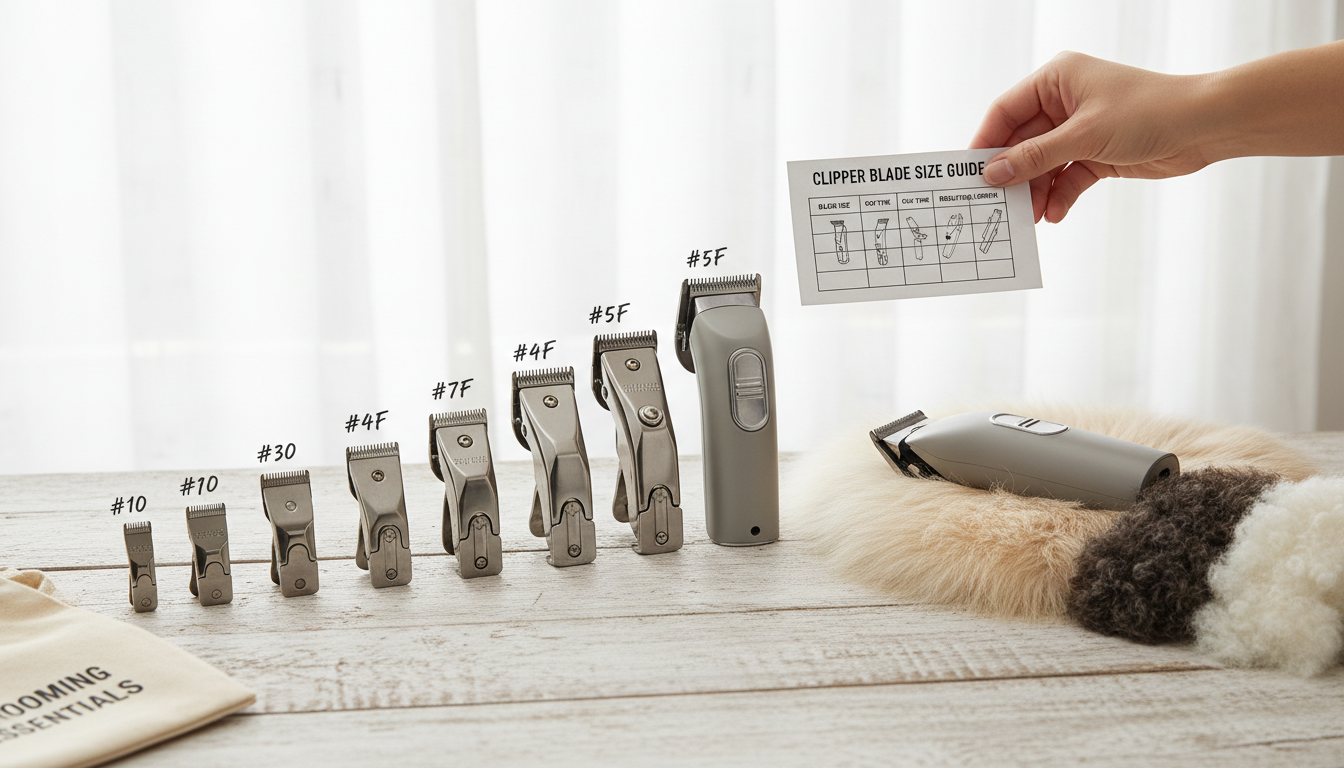
Dog Clipper Blade Size Chart: Choosing the Right Length for Every Coat Type
Compare dog clipper blades size chart with a practical informational SEO brief, decision criteria, FAQs, and publishing checks before you commit.
How to Sharpen Dog Clipper Blades: DIY vs. Professional Services
Compare how to sharpen dog clipper blades with a practical informational SEO brief, decision criteria, FAQs, and publishing checks before you commit.
Wahl Dog Clipper Replacement Blades: Ensuring a Perfect Fit and Performance
Compare wahl dog clipper replacement blades with a practical informational SEO brief, decision criteria, FAQs, and publishing checks before you commit.