Oster Dog Clipper Blades: Finding the Best Fit for Your Clipper Model
Navigating the World of Oster Dog Clipper Blades
Oster has established itself as a long-standing name in pet grooming, trusted by both professionals and home users for durable clippers. However, the performance of any clipper largely depends on the blades it uses. Selecting the correct Oster dog clipper blades is paramount, not just for achieving a desired cut, but also for ensuring your dog's comfort and safety during grooming.
Quality clipper blades are essential for efficient grooming, preventing common issues like pulling, uneven cuts, and skin irritation. A well-chosen blade glides smoothly, reducing grooming time and stress for both you and your pet. Given Oster's diverse range, understanding the nuances of their specific blade types and their compatibility with your Oster clipper model is key to maximizing performance and blade longevity.
This guide is designed to empower you with the knowledge needed to confidently identify, select, and maintain the appropriate Oster dog clipper blades. We'll explore factors like compatibility, blade types, and maintenance considerations, ensuring your next purchase is informed and effective for your specific grooming tasks.
Understanding Oster Blade Types and Their Purpose
Oster offers a range of dog clipper blades designed for various grooming tasks and coat types, built upon foundational technologies and materials. A key innovation in many Oster blades is CryogenX technology, which involves a cryogenic tempering process. This treatment is intended to harden the steel, potentially enhancing durability and edge retention, which can be beneficial for consistent cutting performance over time. Most Oster blades are crafted from high-quality, hardened stainless steel, a material chosen for its ability to be ground to a sharp edge and resist corrosion.
Understanding the configuration of the blade teeth is crucial for selecting the right tool for the job:
- Skip Tooth Blades: These blades feature alternating long and short teeth, creating a staggered cutting surface. This design allows them to feed hair into the cutting path more aggressively, making them particularly effective for initial rough-cutting, de-matting, or working through dense, tangled, or dirty coats. The longer teeth help guide the hair, while the shorter teeth cut it.
- Finish Blades (or F-Blades): In contrast, finish blades have uniformly spaced teeth, often with a smoother, more even appearance. This design provides a cleaner, more consistent cut, leaving a smoother finish on the coat. They are typically used after a skip tooth blade has removed bulk, or for coats that are already clean and free of mats. The "F" designation (e.g., #7F, #5F) indicates a finish blade, which is generally safer for direct skin contact on clean coats due to the even tooth spacing reducing the risk of skin nicks.
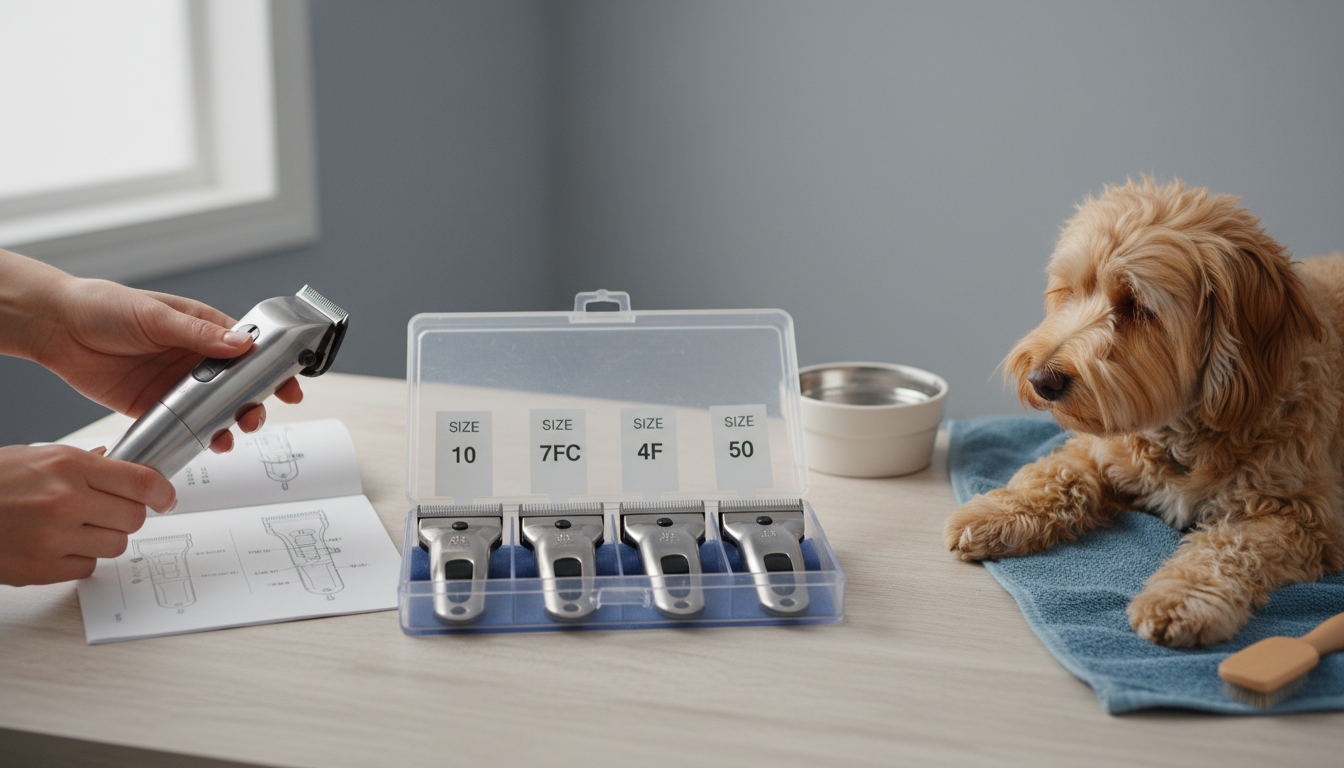
Oster blades are available in various sizes, each designed to leave a specific hair length. Common sizes and their general applications include:
- #10 Blade: This is a very common, versatile blade that leaves hair approximately 1/16 inch (1.6 mm) long. It's often used for general body work, sanitary trims, paw pads, and for dogs with fine to medium coats.
- #7F Blade: A popular choice for medium-length cuts, leaving hair about 1/8 inch (3.2 mm) long. The "F" indicates it's a finish blade, suitable for a smooth, all-over body clip on many coat types, particularly after initial preparation.
- #5F Blade: For longer cuts, this finish blade leaves hair around 1/4 inch (6.3 mm) long. It's often used when a slightly longer, plush finish is desired on the body.
Selecting the appropriate blade type and size ensures efficient grooming, reduces strain on the clipper motor, and minimizes discomfort for the dog.
Matching Oster Blades to Your Dog's Coat and Grooming Needs
Selecting the appropriate Oster blade involves a careful assessment of your dog's specific coat characteristics, the desired outcome of the groom, and any particular challenges presented by the coat's condition. Different blade numbers and tooth configurations are designed for distinct purposes, directly influencing the cut length and finish.
- For Thick, Dense, or Matted Coats: When confronting a heavy, tangled, or matted coat, blades designed to penetrate and cut through density are essential. Oster's skip tooth blades, such as a #7 Skip Tooth, are particularly effective. Their alternating long and short teeth allow hair to feed more easily into the cutting path, reducing pulling and snagging. These are often used for initial rough cuts or to remove significant matting, preparing the coat for a finer finish. For extremely dense coats, a #5 Skip Tooth might be considered for a slightly longer initial cut.
- For Fine or Thin Coats: Dogs with fine or thin coats generally require blades that offer a smoother, more uniform cut without causing irritation. Finish blades (often denoted with an "F" or as "Full Tooth") are suitable here, as their closely spaced teeth provide a clean, even finish. Higher blade numbers, like a #10 or #15, can be used for very short, smooth cuts on these coat types, especially in sensitive areas.
- General Body Clipping: For a uniform body clip, particularly on medium-density coats, a range of finish blades can be employed depending on the desired length. Common choices include #7F for a relatively short, smooth cut, or #5F for a slightly longer, yet still neat, appearance. These blades offer a consistent cut length across larger areas.
- Specific Areas and Precision Work: Certain grooming tasks demand precision and a very short cut. For sanitary areas, paw pads, and around the eyes, a #10 or #15 finish blade provides the necessary close shave for hygiene and neatness. These higher-number blades are also effective for creating crisp lines or for breeds requiring very short trims in specific zones.
- Desired Hair Length and Finish: The blade number directly correlates to the final hair length, with higher numbers resulting in shorter cuts. For a natural, slightly longer look, blades like a #4F or #5F might be chosen. If a very smooth, show-ring finish is the goal, a #10 or even a #30 blade (used with extreme caution and only by experienced groomers due to the very short cut) can achieve this. Conversely, if a textured or hand-stripped look is desired, skip tooth blades can offer a less uniform, more natural appearance, or be used as a preparatory step before hand-stripping. Always consider the dog's skin sensitivity and the climate when determining the final cut length.
Ensuring Compatibility: Oster Blades and Clipper Models
Selecting the correct Oster blade for your clipper model is fundamental for effective grooming and preventing damage to your equipment or pet. Oster has largely standardized its blade system around the A5 detachable blade system, which means many Oster clippers are designed to accept blades manufactured to this specific standard. This broad compatibility simplifies blade selection for many Oster users, but verification remains crucial.
To confidently ensure compatibility and avoid common issues, consider the following:
- Identify Your Clipper's Blade System: Most Oster clippers, particularly professional-grade models, utilize the A5 detachable blade system. This means any blade labeled as "A5 compatible" or "detachable A5 type" should physically fit and function with your clipper. However, always confirm your specific clipper model's requirements.
- Consult Your Clipper Manual: The most reliable source for compatibility information is your Oster clipper's user manual or product documentation. This will explicitly state which blade types and systems are compatible. If the manual is unavailable, check the manufacturer's official product page online.
- Examine Blade and Clipper Specifications: Before purchasing, cross-reference the blade's product specifications with your clipper's requirements. Look for explicit mentions of "Oster A5," "detachable blade system," or a list of compatible Oster clipper models. Pay attention to any notes regarding specific series or generations of clippers.
- Understand the Risks of Incompatible Blades: Using blades not designed for your Oster clipper can lead to several problems:
- Poor Performance: Blades may not seat correctly, leading to uneven cuts, pulling hair, or inefficient operation.
- Clipper Damage: An ill-fitting blade can strain the clipper motor, cause excessive vibration, or damage the blade drive lever, potentially shortening the clipper's lifespan.
- Pet Discomfort or Injury: Incorrectly fitted blades can snag hair, pinch skin, or overheat rapidly, causing pain or even injury to the animal.
- Reduced Blade Life: Improper seating can cause premature dulling or damage to the blade teeth.
Prioritizing compatibility ensures that your Oster blades perform as intended, providing a smooth, safe, and efficient grooming experience. Always verify fit before purchase to safeguard your investment and your pet's well-being.
Common Challenges and Maintenance for Oster Clipper Blades
Even the most durable Oster clipper blades require diligent care to perform optimally and ensure a comfortable grooming experience for your dog. Neglecting maintenance can lead to common issues that compromise blade effectiveness and pet safety. Understanding these challenges and implementing preventative measures is crucial for extending blade life and achieving consistent results.
Managing Blade Overheating
One of the most frequently encountered issues is blade overheating during use. This can cause discomfort or even skin irritation for the dog, and reduce the blade's cutting efficiency. Overheating typically occurs due to insufficient lubrication, prolonged grooming sessions, or hair accumulating between the cutting surfaces. To mitigate this risk:
- Lubrication: Apply clipper oil frequently, typically every few minutes during use, to reduce friction.
- Cooling Sprays: Utilize specialized blade coolant sprays to instantly lower blade temperature.
- Rotation: For extended grooming, have multiple blades on hand to swap out as one begins to warm, allowing it to cool naturally.
- Cleaning: Ensure blades are thoroughly cleaned of hair and debris after each use, as trapped hair can generate heat.
Addressing Dullness and Wear
Over time, even high-quality Oster blades will naturally become dull from use. Dull blades pull at the hair, cause uneven cuts, and can lead to skin irritation. While unavoidable, the lifespan of a sharp edge can be prolonged with proper care. When blades no longer cut cleanly or efficiently, they typically require professional sharpening or replacement. Attempting to use dull blades can be detrimental to both the grooming outcome and the pet's well-being.
Preventing Blade Damage
Oster blades, often crafted from hardened stainless steel, are designed for precision cutting but can be susceptible to damage. The hardening process, while beneficial for edge retention, can make blades brittle. Dropping a blade, especially onto hard surfaces, risks breaking teeth. A blade with missing or bent teeth should never be used, as it can snag hair, scratch the skin, or cause injury. Always inspect blades for damage before and after use.
Essential Cleaning and Storage Practices
Consistent cleaning and proper storage are fundamental to blade longevity and performance.
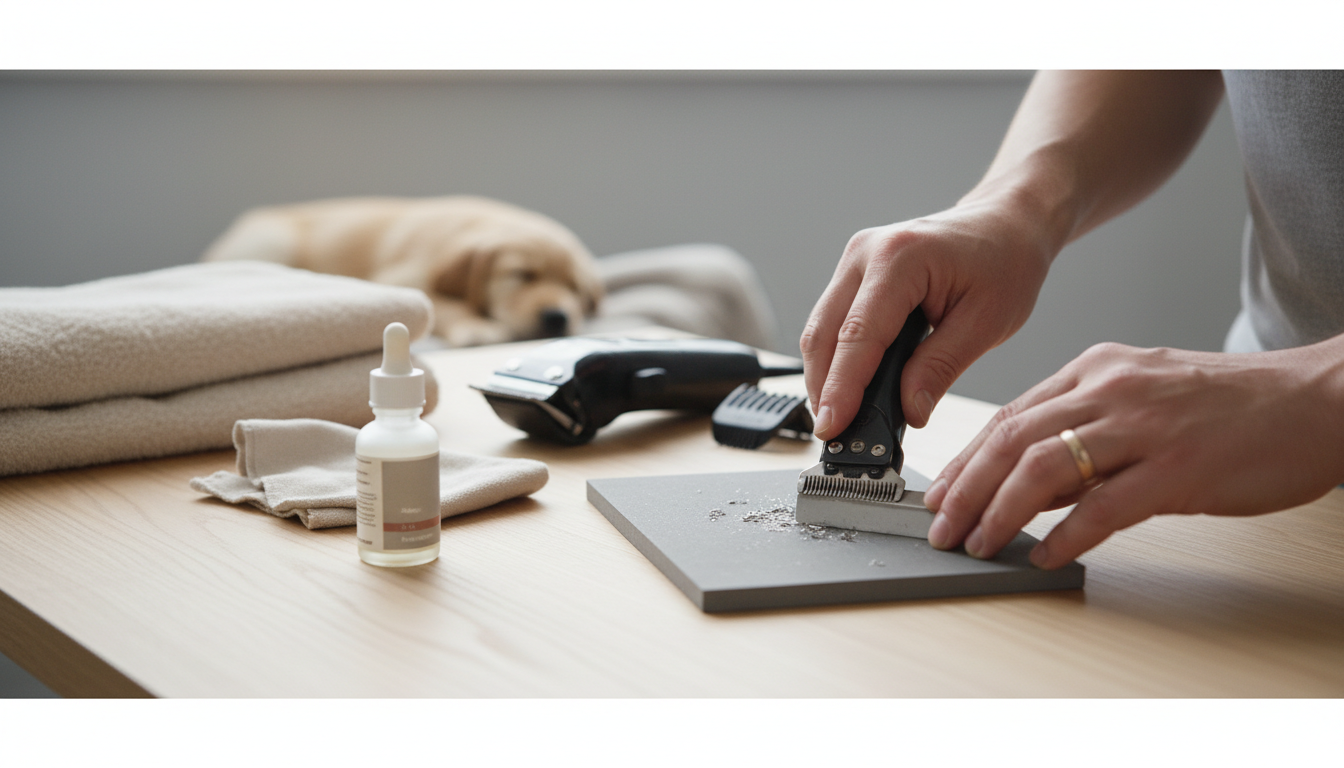
- Cleaning: After each grooming session, remove all hair from the blade using a brush. Then, immerse the blade in a blade wash solution to disinfect and remove any remaining debris. Allow to air dry completely.
- Oiling: Once clean and dry, apply a few drops of clipper oil across the cutting surfaces to prevent rust and ensure smooth operation for the next use.
- Storage: Store blades in a dry, protected environment, such as a blade case or organizer. This prevents accidental drops, protects the delicate teeth from damage, and shields them from dust and moisture that can lead to corrosion.
Making Your Informed Decision: Key Considerations Before You Buy
Selecting the right Oster dog clipper blades involves more than just picking a size; it requires a holistic understanding of your grooming needs and the blade's characteristics. A thoughtful purchase builds confidence by ensuring compatibility, performance, and longevity.
Here are the essential factors to weigh before acquiring new Oster blades:
- Coat Type and Desired Length: Re-evaluate your dog's specific coat characteristics—such as thickness, texture, and whether it's prone to matting—alongside the precise hair length you aim to achieve. This fundamental assessment directly dictates the necessary blade type (e.g., a skip tooth for dense, matted coats or a finish blade for a smooth, even cut) and the specific cut length required for optimal results and your pet's comfort.
- Clipper Model Compatibility: Critically, verify that any Oster blade you consider is explicitly designed for and compatible with your specific Oster clipper model. While many Oster A5 series blades offer broad compatibility within that line, variations exist across different clipper generations or models. Mismatched blades can lead to poor cutting performance, potential damage to the clipper's drive system, or simply an inability to attach securely, rendering the blade unusable.
- Grooming Frequency and Blade Durability: Your anticipated grooming frequency should influence your blade choice. For frequent or professional use, investing in blades known for superior durability and edge retention, such as those featuring Oster's CryogenX treatment, can be more cost-effective over time. Less frequent groomers might prioritize initial cost, but consistent durability still contributes significantly to a smoother, more reliable grooming experience.
- Investment in Quality vs. Potential Issues: Quality Oster blades, often crafted from hardened stainless steel with precision grinding, represent a deliberate investment. While cheaper alternatives may seem appealing, they frequently compromise on material quality, manufacturing precision, and longevity. The trade-off for a lower upfront price can be blades that dull quickly, pull hair, overheat, or deliver inconsistent cuts, potentially causing discomfort for your dog and frustration during grooming.
- Value of Proper Maintenance: The decision to purchase a blade inherently includes a commitment to its ongoing care. Even the highest quality Oster blades require consistent cleaning, proper oiling, and eventual professional sharpening to maintain peak performance and extend their effective lifespan. Factor in the time and resources for these maintenance steps, as they directly impact how long your investment remains effective and prevent issues like premature dulling, rust, or inefficient cutting.
Oster Dog Clipper Blades: Your Questions Answered
Selecting and maintaining the right Oster dog clipper blades can significantly impact grooming outcomes and your pet's comfort. Below are answers to common questions to help you make informed decisions about your Oster blade purchases and care.
-
Why choose Oster blades over other brands? Oster has a long-standing reputation in the grooming industry, often associated with durable equipment. Many Oster blades are crafted from hardened stainless steel, a material chosen for its ability to hold a sharp edge. Additionally, some Oster blades feature CryogenX technology, a cryogenic tempering process intended to enhance the steel's hardness, which may contribute to extended durability and edge retention during use.
-
How often should Oster clipper blades be sharpened or replaced? The frequency for sharpening or replacing Oster blades depends heavily on usage, the type of coats being groomed, and maintenance practices. There isn't a fixed timeline, but rather indicators that suggest service is needed. Signs include blades pulling hair, leaving tracks in the coat, or becoming noticeably dull, which can cause discomfort to the animal. Regular cleaning and lubrication after each use are crucial for extending blade life and performance. If a blade is dropped and a tooth breaks off, it should be replaced immediately to prevent injury.
-
Can I use Oster blades with non-Oster clippers? Many Oster blades are designed to be compatible with the universal A5 detachable blade system. This means that a wide range of professional clippers from various brands that utilize the A5 system can often accept Oster blades. However, it's always advisable to confirm compatibility with your specific clipper model's manufacturer specifications to ensure a secure fit and optimal performance.
-
What does the 'F' mean on Oster blade sizes (e.g., #7F)? On Oster blades, the 'F' typically stands for "Finish" or "Full Toothed." This designation indicates that the blade has a uniform, full-tooth pattern, where all teeth are the same length. Finish blades are generally preferred for creating a smooth, even cut on a clean coat, often used for the final pass. This contrasts with "skip tooth" blades, which have alternating long and short teeth and are better suited for rough-cutting or working through matted coats.
-
How can I prevent my Oster blades from overheating? Overheating is a common issue with clipper blades, regardless of brand, and can cause discomfort to the animal. To prevent Oster blades from overheating:
- Lubricate frequently: Apply blade oil before, during, and after grooming sessions, especially during extended use.
- Clean thoroughly: Hair and debris trapped between the blades can increase friction and heat. Clean blades after each use and periodically during longer grooming sessions.
- Take breaks: Allow the clipper and blade to cool down by turning off the clipper or switching blades.
- Use multiple blades: Having several blades on hand allows you to rotate them, giving each blade a chance to cool while another is in use.
- Check tension: Ensure the blade tension is correctly set according to your clipper's instructions, as excessive tension can generate more heat.
Grooming Success Starts with the Right Oster Blade
Ultimately, the effectiveness of your Oster clippers hinges on the blades you choose. This guide has aimed to equip you with the knowledge to navigate the specific considerations of Oster dog clipper blades, transforming a potentially complex decision into an informed choice.
Remember that successful grooming begins with ensuring compatibility between your Oster clipper model and the blade. Beyond fit, understanding the distinctions between skip tooth and finish blades—and technologies like CryogenX for enhanced durability—allows you to match the tool precisely to the task and your dog's coat type. Furthermore, consistent maintenance through cleaning and proper lubrication is not merely an option but a necessity for optimal performance and blade longevity, preventing common issues like overheating or dulling.
By applying these insights, you can confidently select Oster blades that not only deliver superior grooming results but also prioritize your pet's comfort and safety. The correct blade minimizes pulling, reduces skin irritation, and ensures a smoother, more efficient grooming experience for both you and your dog. Armed with this understanding, you are now empowered to make purchasing decisions that contribute directly to stress-free, effective grooming sessions.
More in Dog Clipper Blades
View All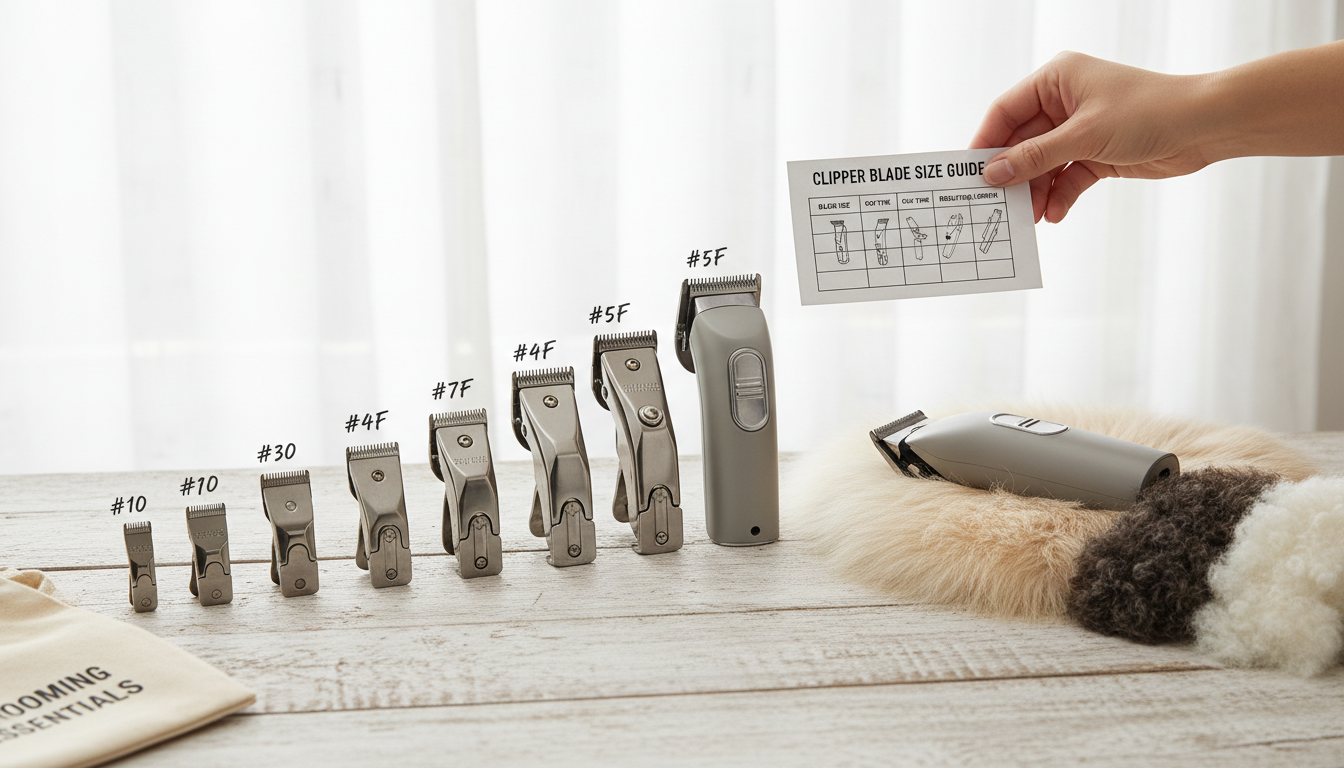
Dog Clipper Blade Size Chart: Choosing the Right Length for Every Coat Type
Compare dog clipper blades size chart with a practical informational SEO brief, decision criteria, FAQs, and publishing checks before you commit.
How to Sharpen Dog Clipper Blades: DIY vs. Professional Services
Compare how to sharpen dog clipper blades with a practical informational SEO brief, decision criteria, FAQs, and publishing checks before you commit.
Wahl Dog Clipper Replacement Blades: Ensuring a Perfect Fit and Performance
Compare wahl dog clipper replacement blades with a practical informational SEO brief, decision criteria, FAQs, and publishing checks before you commit.