Understanding #10 Dog Clipper Blades: When to Use This Essential Size
Introduction to the Essential #10 Dog Clipper Blade
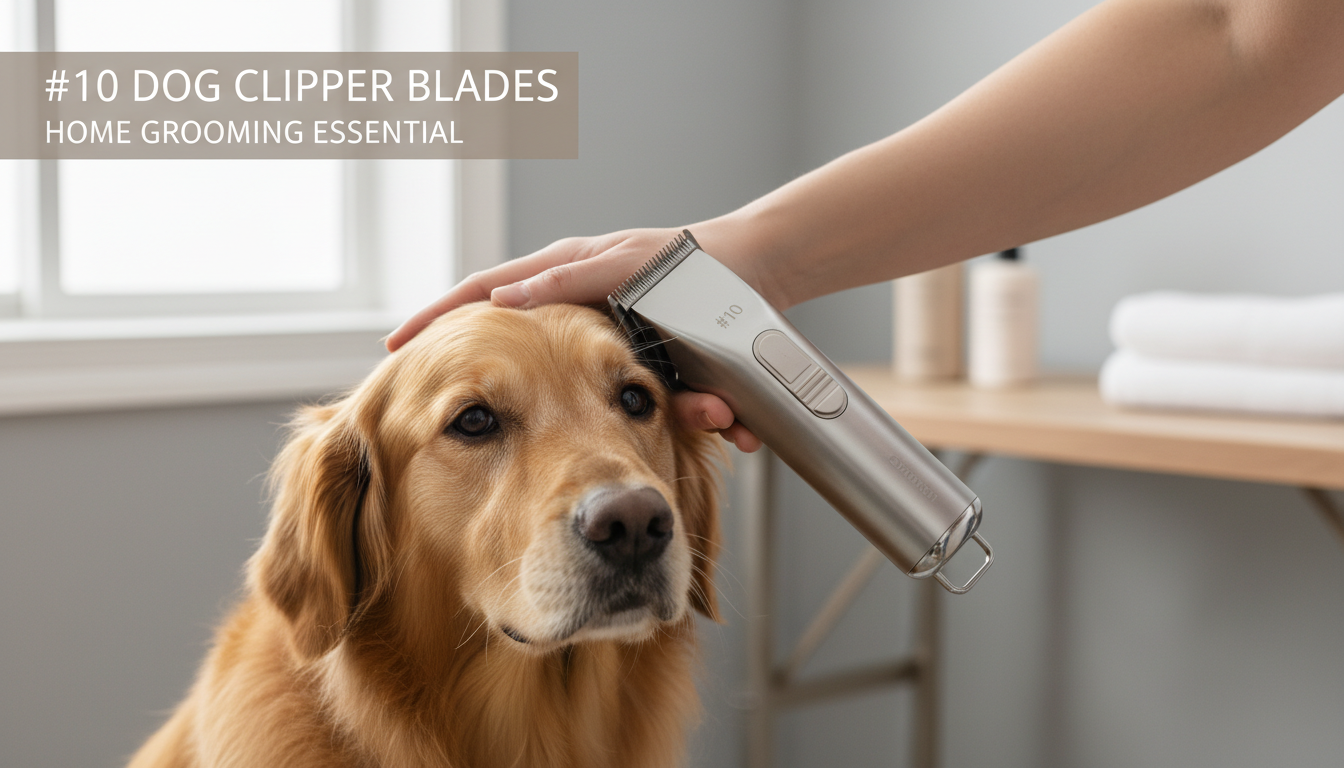
The #10 dog clipper blade stands as a foundational tool in the world of pet grooming, recognized for its consistent and versatile cut. This specific blade size is engineered to leave a dog's coat at a uniform length of 1/16 inch (approximately 1.5mm). Its design provides a clean, relatively short finish, making it indispensable for maintaining hygiene and comfort across various breeds and coat types.
Its importance stems from its broad utility in critical grooming areas. The #10 blade is commonly employed for sanitary trims, carefully clipping around the paws and pads, and tidying up the delicate areas inside a dog's ears and on the tummy. These applications are vital not only for aesthetic appeal but, more importantly, for preventing matting, reducing the risk of infections, and ensuring the overall well-being of the dog.
This guide aims to demystify the #10 dog clipper blade, offering a comprehensive understanding of its precise applications, ideal coat compatibility, and the factors crucial for its selection and maintenance. By exploring its benefits and limitations, readers will be equipped to confidently identify when and how to integrate this essential blade into their grooming routine, ultimately making informed decisions for optimal results and pet comfort.
Unpacking the #10 Blade: Ideal Cut Lengths and Grooming Applications
The #10 dog clipper blade is a fundamental tool in grooming, characterized by its precise cutting length and versatility across various canine body areas. It consistently leaves the coat at a length of approximately 1/16 inch (1.5mm). This length provides a clean, relatively short finish, making it distinct from other common blade sizes. For context, a #15 blade cuts even shorter, to 3/64 inch, while a #30 blade achieves an even finer, closer cut at 1/50 inch. The #10 blade strikes a balance, offering a short, uniform cut without being excessively close to the skin, which can be critical for comfort and preventing irritation.
The primary applications for the #10 blade center around hygiene, safety, and precision grooming:
- Sanitary Trims: This blade excels in areas requiring a short, clean cut to maintain hygiene. It is commonly used for the belly, around the rectum, and the inner thighs. Keeping these areas trimmed helps prevent the accumulation of urine, feces, and other debris, significantly reducing the risk of matting, skin irritation, and infections.
- Paw Pads and Feet: The #10 blade is effective for trimming hair between paw pads and around the feet. This application helps improve traction, prevents snow and ice buildup in colder climates, and reduces the tracking of dirt indoors. A clean trim here also allows for better inspection of the paws for injuries or foreign objects.
- Face and Ear Areas: For delicate and sensitive regions, the #10 blade offers the necessary control for a tidy appearance. It is suitable for carefully trimming hair around the eyes to prevent obstruction of vision, on the muzzle for neatness, and inside the ears to promote airflow and reduce wax buildup, contributing to ear health.
- General Body Clips: While often considered too short for a full body clip on many breeds, the #10 blade can be used for general body work in specific scenarios. This includes dogs with very short coat styles, those requiring a very close cut for medical procedures, or certain coat types where a uniformly short, practical length is desired for ease of maintenance. It's important to consider the dog's skin sensitivity and the climate when opting for such a short overall length.
Key Factors for Selecting the Right #10 Dog Clipper Blade
Choosing the appropriate #10 dog clipper blade involves evaluating several critical features that impact grooming efficiency, the blade's lifespan, and your dog's comfort. Understanding these criteria ensures you make an informed decision tailored to your specific needs and equipment.
- Blade Material: The composition of the blade significantly influences its performance and durability.
- Carbonized Steel: Often chosen for its robustness, carbonized steel offers excellent durability, strong resistance to rust, and the ability to maintain a sharp edge through numerous grooming sessions.
- Ceramic: Blades with ceramic cutting surfaces are recognized for their ability to dissipate heat more effectively than steel, which can contribute to a cooler grooming experience for the dog and potentially extend the blade's operational life.
- Clipper Compatibility: A #10 blade must seamlessly integrate with your existing clipper. Many professional-grade clippers, including models from brands like Andis and Oster, use a standardized "A5 style" universal snap-on system, allowing for broad interchangeability. Always confirm that the blade's design matches your clipper's mounting mechanism.
- Heat Dissipation Properties: Friction during grooming can cause blades to heat up, potentially causing discomfort to the dog. Beyond material choices like ceramic, some blades may feature specialized coatings or designs intended to enhance cooling. Using blade coolants and lubricants in conjunction with good heat-dissipating blades is a comprehensive approach to managing temperature.
- Durability and Sharpness Retention: A high-quality #10 blade is expected to maintain its precision and cutting ability over an extended period. The hardness of the blade material and the accuracy of its manufacturing process are key indicators of how long it will hold its sharp edge before requiring sharpening or replacement.
- Ease of Cleaning and Maintenance: Regular cleaning and oiling are fundamental to preserving the performance and hygiene of your #10 blade. Blades designed for easy disassembly facilitate thorough cleaning, while materials with inherent rust resistance simplify routine care, ensuring the blade remains in optimal condition.
Navigating the Trade-offs and Limitations of #10 Blades
While the #10 dog clipper blade is indispensable for specific grooming tasks, its close-cutting nature presents several trade-offs and potential challenges that groomers and pet owners must understand. Recognizing these limitations and implementing appropriate precautions is crucial for pet safety and achieving optimal results.
- Coat Length and Styling Restrictions: The #10 blade cuts hair to a very short 1/16 inch (1.5 mm). This length is ideal for sanitary trims, paw pads, and bellies, but it is generally too short for a full-body groom if a longer, fluffier coat is desired. Using it for overall body work typically results in a very close, uniform cut, which may not suit all breeds or owner preferences. For longer styles, a #10 blade is often used as a base for attachment combs, which provide additional length.
- Risk of Skin Irritation and Clipper Burn: Due to its close cut, the #10 blade sits very near the dog's skin. Without proper technique, this proximity increases the risk of skin irritation, nicks, or clipper burn, especially on sensitive areas like the armpits, groin, or thin-skinned regions around the ears. Maintaining proper skin tension, using a clean, sharp blade, and avoiding excessive pressure are vital to minimize this risk. Dogs with delicate skin or pre-existing conditions may be more susceptible.
- Heat Generation During Use: All clipper blades generate heat from friction during operation. Because the #10 blade cuts so close to the skin, any heat buildup can transfer directly to the dog, potentially causing discomfort or burns. Prolonged use without cooling measures can be problematic. Regularly checking the blade's temperature, using blade coolants or sprays, and having multiple blades to rotate during longer grooming sessions are essential practices.
- Importance of Technique and Coat Preparation: To avoid snags, pulling, or an uneven finish with a #10 blade, meticulous coat preparation and correct technique are paramount. The dog's coat must be thoroughly clean, dry, and free of mats or tangles. Attempting to clip a dirty or matted coat can dull the blade quickly, cause discomfort to the dog, and lead to an unsatisfactory result. Incorrect blade angle or moving too quickly can also result in an uneven cut or skin irritation.
- Common Buyer Concerns: Beyond operational challenges, users often encounter issues with the blades themselves.
- Dullness: Over time, even high-quality blades will dull, leading to inefficient cutting, pulling hair, and potential skin irritation. Regular cleaning, oiling, and professional sharpening or timely replacement are necessary.
- Improper Fit: Not all #10 blades are universally compatible with every clipper model. Buyers must verify that a specific #10 blade is designed to fit their clipper brand and model (e.g., A5-style detachable blades are common, but proprietary systems exist).
- Short Lifespan: The longevity of a #10 blade depends on its material, frequency of use, and maintenance. While some materials like carbonized steel offer durability, ceramic blades might stay cooler but can be more prone to chipping if dropped. Proper care significantly extends a blade's functional life.
Maximizing Blade Life: Essential Care and Maintenance for #10 Blades
Proper care and consistent maintenance are crucial for extending the lifespan and ensuring the optimal cutting performance of your #10 dog clipper blades. Neglecting these steps can lead to premature dulling, excessive heat generation, and a less effective, potentially uncomfortable grooming experience for the dog.
-
Routine Cleaning Procedures After each use, thoroughly remove all trapped hair from the blade teeth and cutting surfaces using a small brush or a dedicated blade cleaning tool. This prevents hair buildup from impeding blade movement and causing friction. Following hair removal, apply a blade wash or disinfectant spray to clean and sanitize the blade. Ensure the blade is completely dry before storage to prevent rust and corrosion, especially if it is carbon steel.
-
Proper Oiling Techniques and Frequency Lubrication is vital for reducing friction and heat. Apply 2-3 drops of clipper oil to the top corners of the blade teeth and one drop to each side of the blade rail where the cutting blade moves against the stationary blade. Do this before each grooming session, periodically during extended use (every 10-15 minutes), and again after cleaning and drying the blade for storage. This consistent lubrication helps maintain sharp edges and smooth operation.
-
The Role of Blade Coolants and Sprays During grooming, blades can generate significant heat, which can be uncomfortable for the dog and degrade blade performance. Blade coolants, often formulated as sprays (e.g., those designed for instant cooling, lubrication, and cleaning), can be applied directly to the blade while the clipper is running. These products help to rapidly dissipate heat, provide additional lubrication, and can also flush out fine hair and debris, contributing to smoother operation and preventing overheating.
-
Safe Storage Practices To protect the precision edges of your #10 blades, store them in a clean, dry environment. Utilize blade cases, organizers, or individual blade pouches that prevent blades from coming into contact with hard surfaces or other metal objects. Accidental drops or impacts can nick the teeth, rendering the blade ineffective. Proper storage safeguards against physical damage and environmental factors like humidity.
-
Recognizing Signs of a Dull Blade A dull #10 blade will exhibit several clear indicators. These include the blade "pulling" or snagging the dog's hair instead of cutting cleanly, leaving visible track marks or uneven patches in the coat, and generating excessive heat more quickly than usual. If the blade struggles to cut through the coat, it is likely past its optimal sharpness. At this point, the options are professional sharpening by a qualified service or replacing the blade with a new one to ensure continued effective and comfortable grooming.
Common Questions About #10 Dog Clipper Blades Answered
Understanding the nuances of the #10 dog clipper blade is key to effective grooming. This section addresses frequently asked questions, providing clarity on its applications, limitations, and maintenance.
How does a #10 blade compare to a #30 or #7F blade?
The primary distinction among clipper blades lies in their cutting length and tooth configuration, which dictate their suitability for different grooming tasks.
- #10 Blade: This blade cuts hair to approximately 1/16 inch (1.5mm). It provides a consistently short, clean finish without being excessively close to the skin. It is widely used for general hygiene areas.
- #30 Blade: Cutting hair to about 1/50 inch, the #30 blade achieves a significantly shorter, finer cut than the #10. It is often employed for very precise work, such as pre-surgical preparation, or for extremely short show cuts, and requires careful handling due to its closeness to the skin.
- #7F Blade: The "F" denotes a "finish" blade, meaning it has full teeth designed to leave a smooth, uniform cut without track marks. A #7F blade cuts hair to approximately 1/8 inch, making it longer than both the #10 and #30. It is commonly used for body clipping where a slightly longer, finished appearance is desired.
Is a #10 blade suitable for all dog breeds or coat types?
While the #10 blade is a versatile tool, its suitability for general body grooming varies significantly by breed and coat type. It is universally appropriate for specific, sensitive areas across almost all breeds due to its hygienic, short cut.
- Universal Use: The #10 blade is excellent for sanitary trims, paw pads, and around the ears for nearly all dogs, regardless of breed or coat. Its length helps prevent matting and maintain cleanliness in these critical zones.
- Breed and Coat Considerations: For general body clipping, the #10 blade might be too short for breeds with very thin skin, certain double coats, or those prone to clipper irritation. Using it extensively on such coats could lead to discomfort or an undesirable aesthetic. Always consider the dog's skin sensitivity and coat structure before using a #10 blade for overall body work.
What are the best practices for using a #10 blade on sensitive areas?
Grooming sensitive areas with a #10 blade requires precision and care to ensure the dog's comfort and safety.
- Preparation is Key: Ensure the coat is clean, dry, and thoroughly brushed to remove any mats or tangles before clipping. This prevents the blade from snagging and pulling hair.
- Skin Tension: Gently stretch the skin taut with your free hand while clipping. This flattens the skin surface, reducing the risk of nicks and cuts, especially in delicate areas like armpits or groin.
- Light Pressure and Direction: Use light, even pressure, allowing the blade to do the work. For a slightly longer cut or to minimize irritation, move the clipper with the grain of the hair. For a closer cut, move against the grain, but exercise extra caution.
- Blade Temperature Management: #10 blades can heat up quickly due to friction. Regularly check the blade temperature by touching it to the back of your hand. If it feels warm, stop and use a blade coolant spray or switch to a cool blade to prevent clipper burn.
- Lubrication: Keep the blade properly oiled before, during, and after use to ensure smooth operation and reduce friction-induced heat.
How often should a #10 blade be replaced or sharpened?
The lifespan and sharpening frequency of a #10 blade depend on several factors, including usage intensity, the types of coats groomed, and maintenance practices.
- Signs of Dullness: A blade requires sharpening or replacement when it begins to pull hair, leaves uneven cuts or track marks, or overheats more rapidly than usual. Dogs may also show increased discomfort during grooming if the blade is dull.
- Usage Frequency: Professional groomers, who use #10 blades daily on multiple dogs, will need to sharpen or replace their blades much more frequently (e.g., every few weeks to months) than a home groomer who uses it occasionally (e.g., once a year or less).
- Maintenance Impact: Regular cleaning, oiling, and proper storage extend blade life. Neglecting these practices can lead to premature dullness and corrosion.
- Cost-Benefit: While sharpening can restore a blade's edge multiple times, eventually the metal may wear down, making replacement a more effective option for optimal performance.
Can #10 blades be used with guide combs, and what length do they achieve?
Yes, #10 blades are the most common base blade for attaching universal guide combs, also known as snap-on combs.
- Guide Comb Function: Guide combs are designed to fit over the #10 blade, lifting the dog's hair and allowing the blade to cut it to a predetermined, longer length. The #10 blade itself acts as the cutting mechanism, while the comb dictates the final hair length.
- Achieved Length: The length achieved is solely dependent on the specific guide comb attached. Guide combs come in various sizes, typically ranging from 1/8 inch up to 1 inch or more, providing a wide spectrum of coat lengths for different styles and preferences. This allows groomers to achieve longer, uniform cuts without switching to different full-sized blades.
Making Your Decision: Is the #10 Blade the Right Choice for Your Grooming Needs?
Determining if the #10 dog clipper blade is the appropriate tool for your specific grooming tasks involves assessing your dog's coat, the desired outcome, and the nature of the grooming job. This blade, known for its consistent 1/16 inch (1.5mm) cut, serves as a fundamental component in many grooming routines, particularly for maintaining hygiene and providing a uniform, short finish.
To ascertain its suitability, consider the following:
- Desired Coat Length: If you aim for a very short, uniform coat length of approximately 1/16 inch, the #10 blade delivers this directly. For longer styles, it can still be foundational, often used as the base before applying comb attachments or for specific areas.
- Grooming Tasks: The #10 blade excels in critical hygiene areas. It is ideal for sanitary trims around the rear, tidying paw pads to prevent slipping and debris accumulation, carefully trimming inside the ears to promote airflow, and clipping the belly for cleanliness or medical access.
- Coat Type and Condition: While versatile, the #10 blade is generally effective on most coat types that require a short clip. For dogs with very fine or delicate skin, or those prone to clipper irritation, careful technique and proper blade maintenance are crucial. It's also suitable for removing matted fur in small, localized areas, though extreme matting may require professional intervention or a different approach.
- Dog's Comfort Level: The relatively short cut of the #10 blade means it gets closer to the skin than many longer blades. Ensure your dog is comfortable with the sensation, and always monitor for signs of irritation or discomfort during and after grooming.
Integrating the #10 blade into your grooming toolkit often means pairing it with other tools. It can serve as a primary blade for overall body clips on certain breeds, or as a specialized blade for sensitive areas while longer blades (often with comb attachments) handle the main body. Its consistent cutting length makes it a reliable choice for establishing a clean base for more intricate styles or for maintaining a practical, low-maintenance cut.
When making a purchase, focus on criteria that ensure performance and durability. Look for blades constructed from materials like carbonized steel or ceramic, known for their sharpness retention and resistance to heat and rust. Confirm compatibility with your existing clipper model, as most #10 blades are designed for universal A5-style detachable clippers, but verifying fit is essential. Proper maintenance, including regular cleaning, oiling, and professional sharpening when dull, will extend the life and effectiveness of any blade, safeguarding your investment and ensuring consistent grooming results.
More in Dog Clipper Blades
View All
Dog Clipper Blade Size Chart: Choosing the Right Length for Every Coat Type
Compare dog clipper blades size chart with a practical informational SEO brief, decision criteria, FAQs, and publishing checks before you commit.
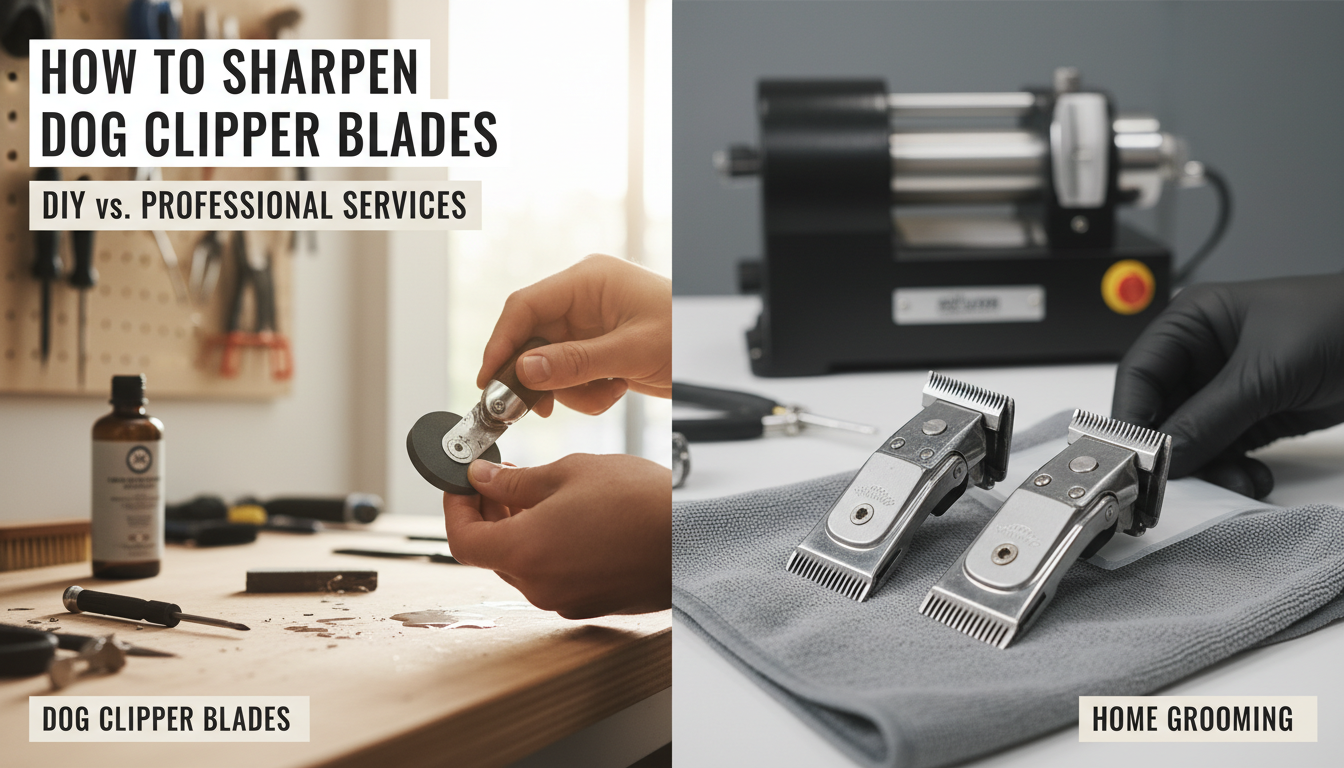
How to Sharpen Dog Clipper Blades: DIY vs. Professional Services
Compare how to sharpen dog clipper blades with a practical informational SEO brief, decision criteria, FAQs, and publishing checks before you commit.
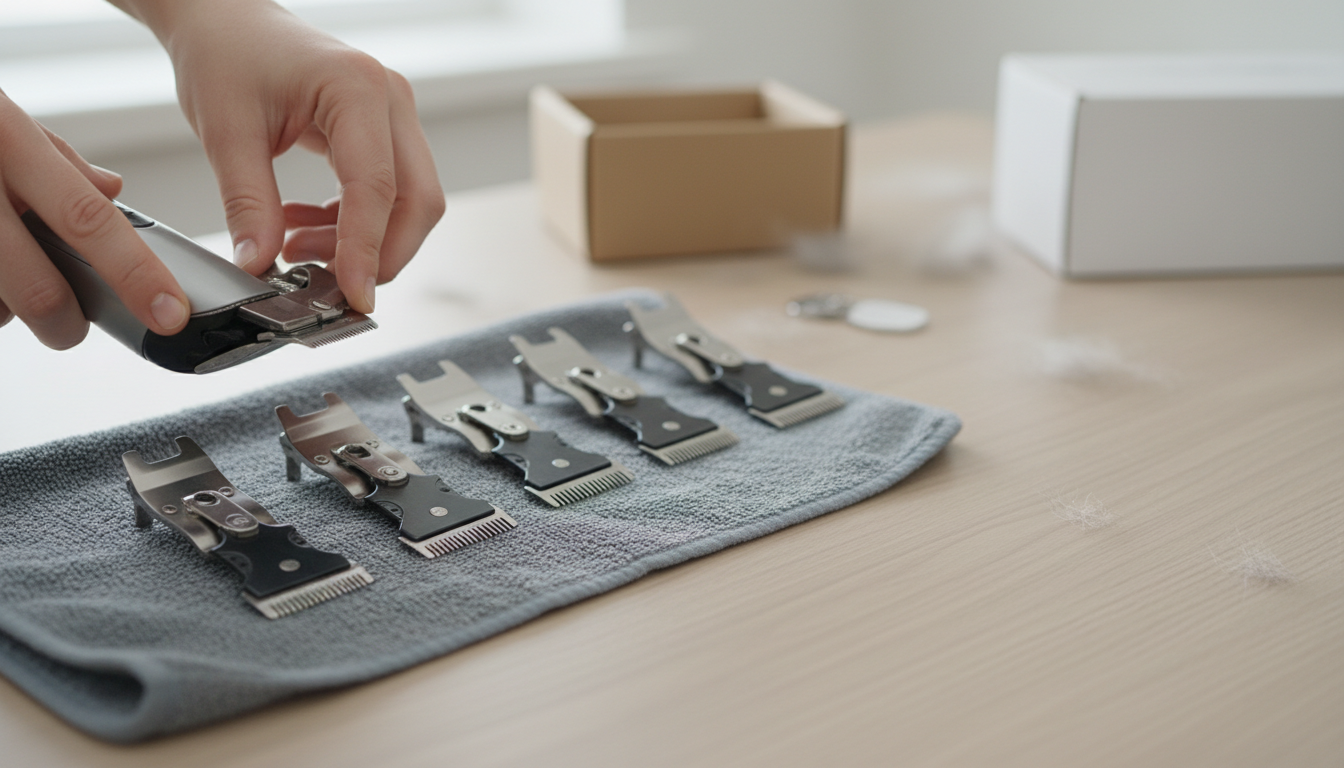
Wahl Dog Clipper Replacement Blades: Ensuring a Perfect Fit and Performance
Compare wahl dog clipper replacement blades with a practical informational SEO brief, decision criteria, FAQs, and publishing checks before you commit.