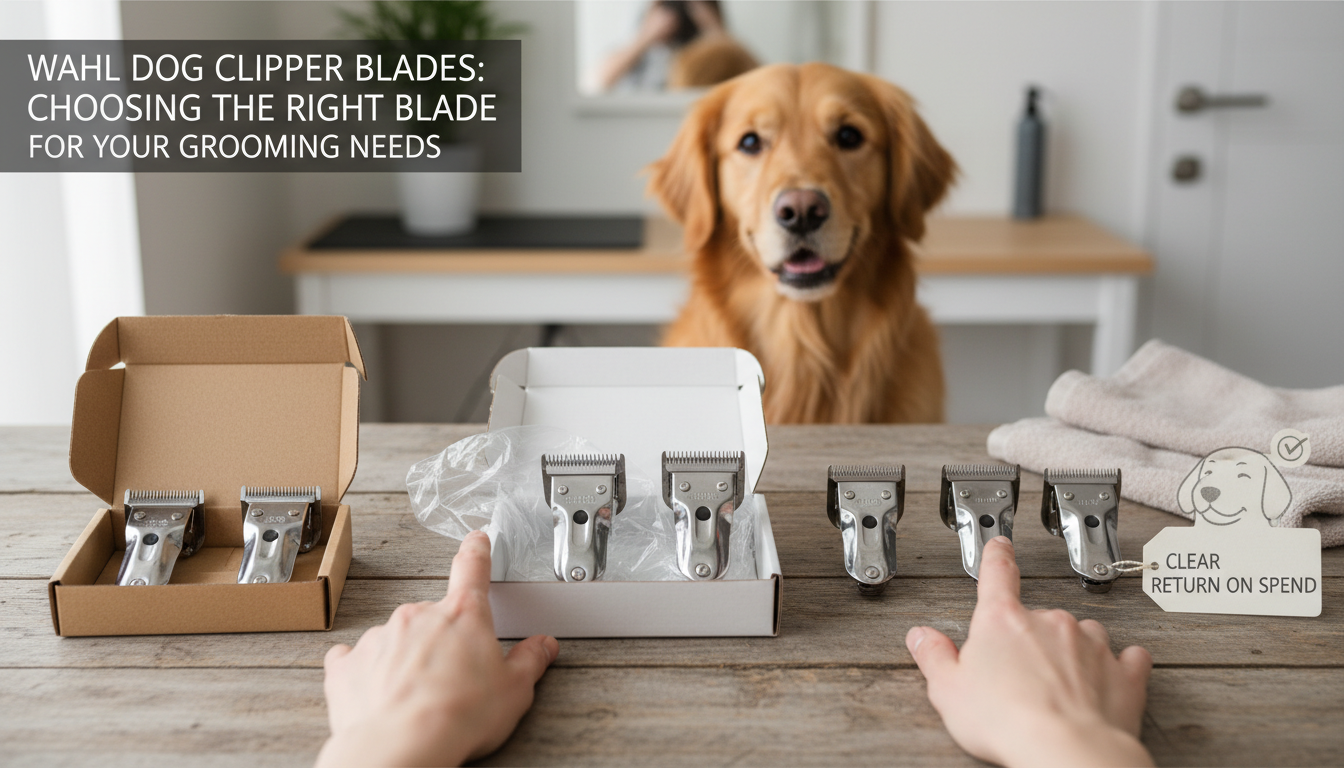
Wahl Dog Clipper Blades: Choosing the Right Blade for Your Grooming Needs
Navigating the World of Wahl Dog Clipper Blades
Wahl has long been a recognized name in the pet grooming industry, providing a variety of tools utilized by both home groomers and professionals. While the clipper motor provides the power, the blade is the critical component that directly interacts with your dog's coat, significantly influencing the grooming experience and the final outcome. Choosing the appropriate Wahl dog clipper blade is essential not only for achieving a desired cut but also for ensuring your pet's comfort and maintaining efficient grooming practices.
The right blade selection can prevent common grooming frustrations, such as uneven cuts, pulling, or excessive heat generation. An informed decision considers various factors beyond just the blade number. This guide is designed to help pet owners and professional groomers confidently select the most suitable Wahl dog clipper blades for their specific needs, Wahl clipper model, and dog's unique coat type.
We will explore key considerations to help you make an informed purchasing decision:
- Compatibility: Ensuring the blade fits your specific Wahl clipper model.
- Performance Characteristics: Understanding how different blade types and materials affect cutting efficiency and finish.
- Common Challenges: Addressing typical issues encountered with Wahl blades, such as durability or heat, and how to mitigate them.
- Maintenance Practices: Guidance on care to extend blade life and optimize grooming results.
By understanding these elements, you can make a choice that supports effective, comfortable grooming for your dog while maximizing the utility of your Wahl clipper system.
Decoding Wahl's Blade Types and Compatibility
Selecting the correct Wahl dog clipper blade begins with understanding the distinct blade systems the brand employs and their specific compatibility requirements. Wahl designs its blades to integrate seamlessly with particular clipper models, meaning a blade designed for one system may not fit another. This foundational knowledge is crucial for ensuring optimal performance and preventing damage to both the blade and the clipper.
Wahl primarily utilizes two distinct blade systems, alongside a complementary accessory:
- A5 Detachable Blades: These are standard, full-sized blades that can be quickly snapped on and off the clipper body. They are characterized by their metal construction and are typically compatible with Wahl's professional-grade clippers, such as those in the KM series (e.g., KM Supera, KM Velocity) and certain corded models. The "A5" designation often refers to a universal mounting system used by several clipper manufacturers, allowing for interchangeability of A5-style blades across compatible clipper brands, including Wahl.
- 5-in-1 Adjustable Blades: Often found on Wahl's cordless and lighter-duty clippers (e.g., Bravura, Lithium Ion Pro Series), these blades are integrated into a single cartridge. They offer multiple cutting lengths (typically #9, #10, #15, #30, #40) that can be adjusted via a lever on the blade itself, without needing to swap out the entire blade. This design offers convenience and versatility for quick length changes during a groom.
- Guide Combs (Attachment Combs): These plastic or metal accessories slide over a standard detachable blade (most commonly a #10 or #30 blade) to achieve longer coat lengths. They do not cut on their own but lift the hair, allowing the underlying blade to cut at a predetermined, longer length. Wahl offers various sets of guide combs, often referred to as "Premium Cutting Guides."
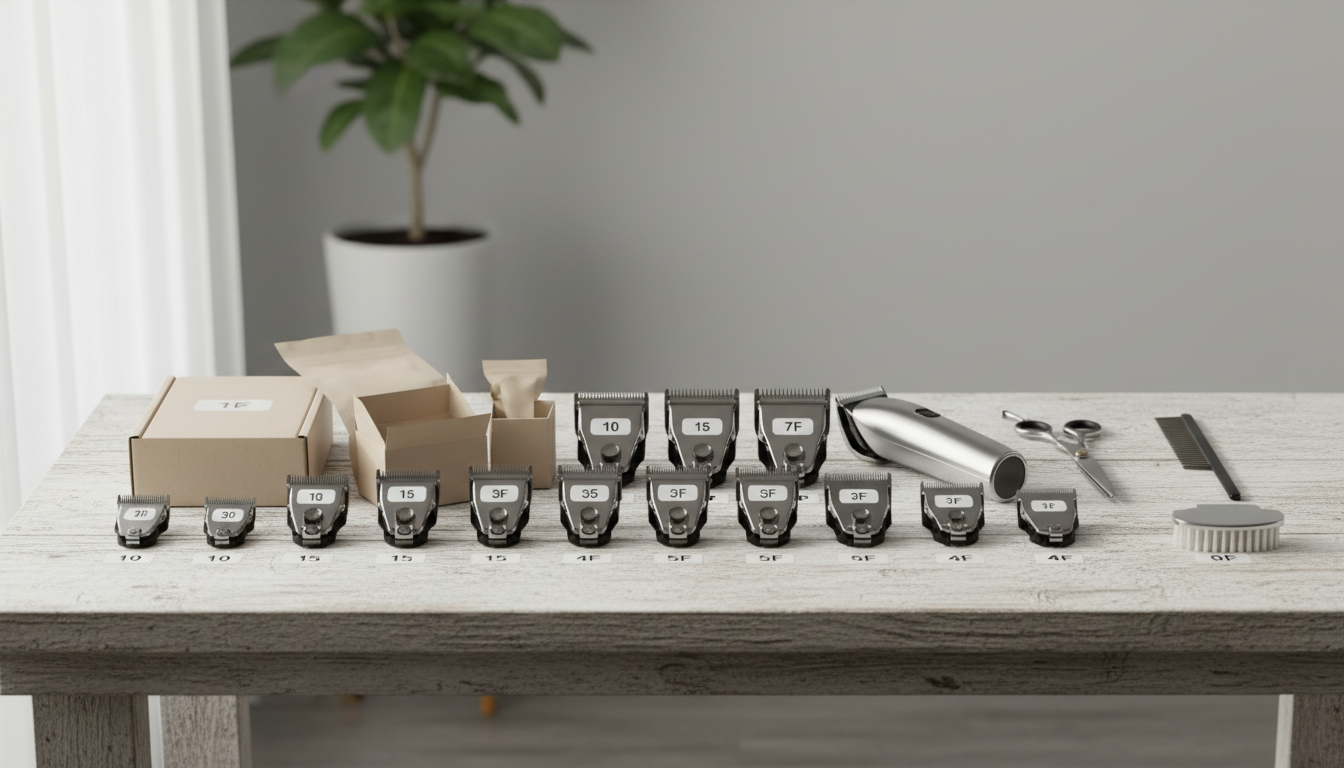
Understanding the numbering system is key to selecting the appropriate cutting length. For detachable blades, the lower the number, the longer the cut (e.g., a #7 blade leaves more hair than a #10 blade). Conversely, for guide combs, the higher the number (or longer the measurement in inches/millimeters), the longer the resulting coat. Blades with an "F" (Finish) designation are typically full-tooth blades designed for a smoother finish, while "Skip Tooth" blades (no "F") have fewer teeth and are often used for bulk removal on matted or dense coats, though they require careful handling to avoid skin irritation.
The critical importance of matching blades to specific Wahl clipper models cannot be overstated. An A5 detachable blade will not fit a clipper designed for a 5-in-1 adjustable blade system, and vice-versa. Attempting to force an incompatible blade can damage the clipper's drive lever or the blade's housing. Always consult your clipper's manual or product specifications to confirm the required blade system before purchasing. For example:
- Wahl KM Series clippers typically utilize A5 detachable blades.
- Wahl Bravura and Lithium Ion Pro Series clippers commonly employ the 5-in-1 adjustable blade system.
Each blade system caters to different grooming needs and clipper designs. A5 detachable blades offer robust performance for heavy-duty work and a wide range of specialized blade types (e.g., surgical, skip tooth, finish blades). The 5-in-1 adjustable blades provide flexibility and ease of use for general grooming and touch-ups, particularly with cordless clippers where portability and quick adjustments are valued. Guide combs extend the utility of basic blades, allowing for a broader spectrum of coat lengths without requiring numerous specialized blades. By aligning your grooming tasks with the appropriate Wahl blade system, you can optimize efficiency and achieve desired results.
Choosing the Right Wahl Blade for Your Dog and Grooming Task
Selecting the optimal Wahl blade involves a systematic evaluation of your dog's coat, the desired grooming outcome, and the specific characteristics of the blade itself. This decision directly impacts not only the efficiency of your grooming session but also your dog's comfort and the longevity of your equipment.
Blade Material and Performance
Wahl offers blades crafted from various materials, each influencing sharpness, durability, and heat generation during use. Understanding these differences is key to matching a blade to your grooming needs:
- High-Carbon Steel: Many standard Wahl blades are made from high-carbon steel, known for its ability to hold a sharp edge. These blades are durable and effective for general grooming. However, steel blades can generate heat quickly with prolonged use, necessitating frequent oiling and cooling breaks to prevent discomfort for the dog.
- Chrome-Plated Steel: Some Wahl steel blades feature a chrome plating. This coating can enhance corrosion resistance and reduce friction, potentially allowing the blade to run slightly cooler and smoother than unplated high-carbon steel.
- Ceramic: Ceramic blades, or ceramic cutting elements paired with steel, are prized for their ability to stay cooler than all-steel blades. This can be a significant advantage for dogs with sensitive skin or during longer grooming sessions, as it reduces the risk of clipper burn. Ceramic can also be durable, though it may be more prone to chipping if dropped compared to steel.
Tooth Configuration and Application
The arrangement of teeth on a Wahl blade dictates how hair is fed into the cutting mechanism and the resulting finish:
- Finish (or Full Tooth) Blades: These blades feature uniformly spaced teeth, designed to provide a smooth, even cut. They are ideal for creating a polished finish on a clipped coat and are generally safer for all-over body work where a consistent length is desired. Examples include blades marked with an 'F' (e.g., #7F, #5F) or standard #10 blades.
- Skip Tooth Blades: Characterized by alternating long and short teeth, skip tooth blades are designed to feed more hair into the cutting path. This makes them effective for initial bulk removal, especially on thick or matted coats, and for roughing in a cut. They cut closer to the skin than a finish blade of the same number, but require careful handling to avoid nicking the skin due to the exposed cutting edge.
- Wahl 5-in-1 Adjustable Blades: Unique to certain Wahl clipper models (like the Bravura or Arco), these blades offer multiple cut lengths (typically #9, #10, #15, #30, and #40) within a single blade. They combine the convenience of several blades into one, providing versatility for various grooming tasks without changing the entire blade unit.
Guide to Common Cut Lengths
Wahl blades, like others, are numbered to indicate the approximate length of hair left after cutting. A higher blade number generally means a shorter cut.
- #40 (0.25mm / 1/100 in): Extremely short, often used for surgical preparation or very fine detail work. Use with extreme caution due to the risk of skin irritation.
- #30 (0.5mm / 1/50 in): Very short, suitable for surgical prep, under comb attachments for a very short finish, or for very close sanitary trims.
- #15 (1.2mm / 3/64 in): A common length on 5-in-1 blades, offering a slightly longer cut than a #30.
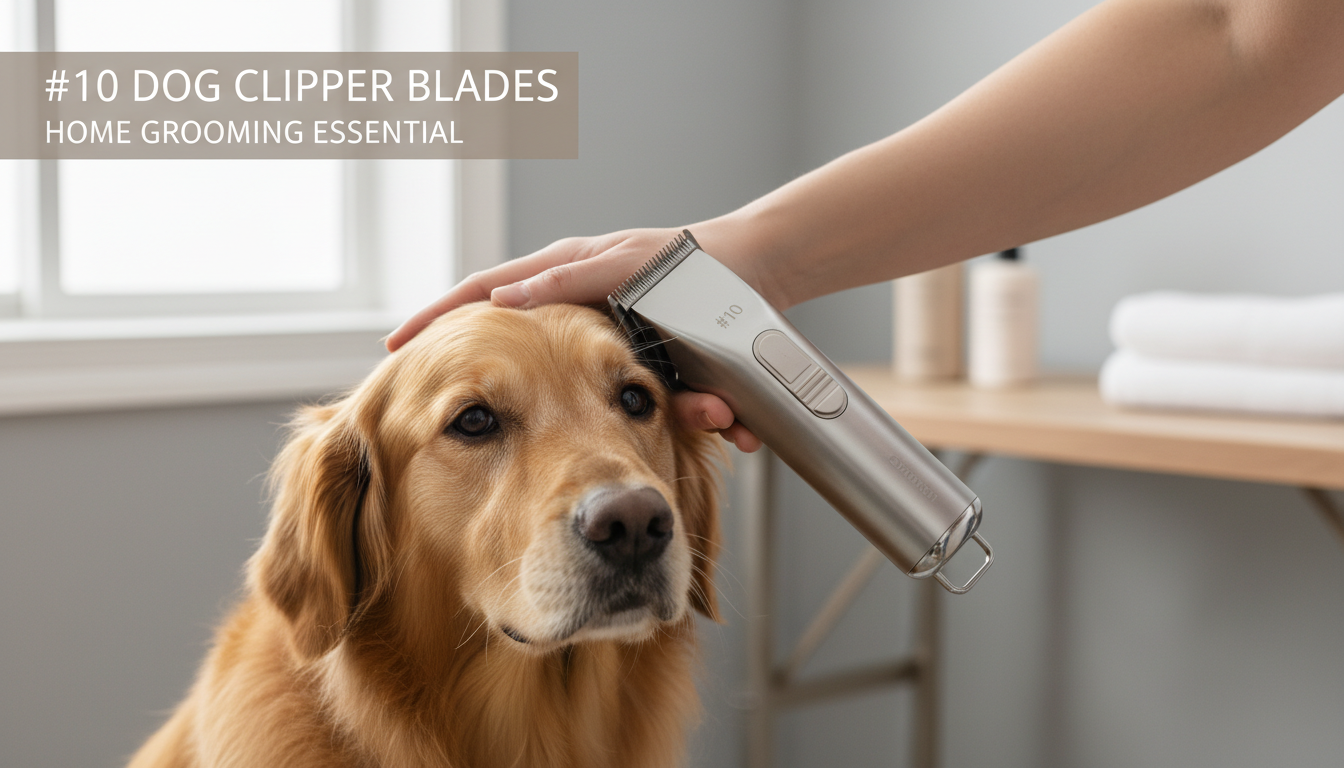
- #10 (1.6mm / 1/16 in): The most versatile general-purpose blade. Ideal for sanitary areas, paw pads, and as the base for most comb attachments. It provides a clean, short cut suitable for many coat types.
- #9 (2mm / 5/64 in): Also often found on 5-in-1 blades, providing a slightly longer cut than a #10.
- #7F (3.2mm / 1/8 in): A finish blade that leaves hair approximately 1/8 inch long, good for body clips on many breeds, providing a smooth appearance. The non-F #7 blade is a skip tooth and cuts similarly in length but with a different feeding action.
- #5F (6.3mm / 1/4 in): Leaves hair approximately 1/4 inch long, suitable for longer body clips and creating a natural-looking finish.
- #4F (9.5mm / 3/8 in): Provides an even longer cut, ideal for maintaining more length on the coat while still achieving a neat appearance.
Matching Blades to Dog Coat Types and Grooming Tasks
The ideal blade choice is heavily influenced by your dog's specific coat characteristics and the desired grooming outcome:
- Thick or Matted Coats: For initial bulk removal or carefully working through light matting, a skip tooth blade (e.g., #7, #5) can be effective, but requires experience and caution. For severe matting, a #10 or #30 blade might be used carefully underneath the mat, always prioritizing skin safety.
- Fine or Silky Coats: Finish blades (e.g., #10, #7F, #5F) are generally preferred to achieve a smooth, even appearance without leaving lines.
- Curly or Wooly Coats: These coats can be groomed with various lengths depending on the style. A #10 blade with comb attachments is a common approach for longer, fluffy styles, while #7F or #5F can create shorter, uniform clips.
- Dogs with Skin Sensitivities: Prioritize blades that run cooler, such as ceramic options, and always ensure blades are sharp. Dull blades pull hair, causing discomfort. For very sensitive areas, using a #10 blade as a base for comb attachments can provide an extra layer of protection.
- Full Body Clips: Depending on the desired length, choose finish blades like #7F, #5F, #4F, or use a #10 blade with appropriate comb attachments for longer styles.
- Sanitary Trims and Paw Pads: A #10 blade is a common and safe choice for these sensitive areas. For very close trims, a #30 or #40 can be used with extreme care.
- Detail Work and Touch-ups: A #10 blade or the shorter settings on a 5-in-1 adjustable blade are suitable for delicate areas like around the eyes or ears.
Wahl-Specific Shortlist Considerations
When narrowing down your Wahl blade options, several brand-specific factors should materially influence your choice:
- Clipper System Compatibility: Wahl produces distinct clipper lines, primarily those accepting A5 detachable blades (e.g., KM series) and those utilizing 5-in-1 adjustable blades (e.g., Bravura, Arco, Chromado). A blade designed for one system will not fit the other. Always verify your clipper model's blade system before purchasing.
- Blade Series: Wahl offers different series for its A5 detachable blades, such as "Competition Series" and "Ultimate Competition Series." While both are quality, the "Ultimate Competition Series" blades often feature advanced coatings or geometry designed for smoother cutting and potentially cooler operation, which can be a key consideration if heat generation has been an issue.
- Heat Management: Some users report that Wahl blades, particularly steel ones, can heat up during extended grooming sessions. If you have a dog with a dense coat or require longer grooming times, consider having multiple blades to swap out, using cooling sprays, or opting for ceramic blades to mitigate heat buildup and prevent discomfort for your pet.
- Maintenance Requirements: Due to the potential for heat and the need for consistent performance, Wahl blades benefit significantly from diligent cleaning and oiling practices. Factor in the commitment to regular maintenance when choosing, as it directly impacts blade life and cutting efficiency.
Understanding and Mitigating Common Wahl Blade Issues
Even with high-quality Wahl clipper blades, users may encounter challenges that can impact grooming efficiency and pet comfort. Recognizing these potential issues, their underlying causes, and proactive mitigation strategies is essential for a smooth grooming experience and extending blade longevity. Addressing these common concerns helps manage expectations and empowers groomers to troubleshoot effectively.
Here are frequently reported issues and how to address them:
- Excessive Blade Heating: A primary concern during grooming is blades becoming hot to the touch. This often stems from friction, which can be exacerbated by insufficient lubrication, prolonged use, or poorly aligned blades.
- Implications: Hot blades can cause discomfort or even burn a pet's skin, leading to a negative grooming experience or potential injury.
- Mitigation:
- Frequent Oiling: Apply clipper oil to the blade teeth and friction points regularly, typically every few minutes during extended use, to reduce friction.
- Cooling Sprays: Utilize blade cooling sprays designed to instantly reduce blade temperature and disinfect.
- Alternating Blades: Have multiple blades on hand to rotate them during long grooming sessions, allowing hot blades to cool down.
- Proper Alignment: Ensure blades are correctly attached and aligned with the clipper drive lever, as misalignment significantly increases friction and heat.
- Blade Durability and Longevity: Wahl blades, like all cutting tools, are subject to wear and tear. Users may report issues with blades dulling or requiring replacement over time. This is a natural trade-off for effective cutting.
- Expectations: Blades are consumable items. Their lifespan depends on factors like coat type, frequency of use, and maintenance. While some blades may last longer than others, expecting indefinite sharpness without sharpening or replacement is unrealistic.
- Mitigation: Regular cleaning, proper oiling, and avoiding cutting through excessively dirty or matted coats can prolong blade life. Professional sharpening services can restore dull blades, but eventually, replacement is necessary.
- Maintenance-Related Malfunctions: Issues such as bent, jammed, or improperly cutting blades often arise from inadequate care or accidental damage.
- Bent Blades: Physical impact or improper handling can bend blade teeth, making them ineffective or unsafe. This is a common failure point that requires careful handling and storage.
- Jammed Blades: Hair, debris, or dried oil can accumulate between the cutting surfaces, preventing smooth operation.
- Prevention:
- Thorough Cleaning: After each use, brush out all hair from the blades and use a blade wash or cleaner to remove residue.
- Proper Storage: Store blades in protective cases or on a blade rack to prevent accidental drops or impacts.
- Consistent Oiling: Regular oiling not only reduces heat but also helps prevent debris buildup and ensures smooth blade movement.
- The Role of Genuine Wahl Replacement Parts: While aftermarket options exist, using genuine Wahl replacement blades is crucial for optimal performance and safety. Genuine blades are designed to precise specifications, ensuring proper fit, alignment, and material quality.
- Benefits: Genuine parts are engineered to minimize friction-induced heat, provide consistent cutting performance, and integrate seamlessly with Wahl clippers. Using non-genuine parts can lead to increased heat, poor cutting, reduced clipper lifespan, and potential warranty issues—these are significant fit limits and trade-offs to consider.
Essential Care Tips for Your Wahl Dog Clipper Blades
Proper maintenance is fundamental to extending the life of your Wahl dog clipper blades, preserving their cutting edge, and ensuring a comfortable grooming experience for your pet. Neglecting blade care can lead to inefficient cuts, pulling at the coat, and premature wear, often manifesting as increased friction and heat. Implementing a consistent care routine helps maintain optimal performance and can reduce the frequency of blade replacement or sharpening.
After each grooming session, a thorough cleaning routine is crucial to remove accumulated hair and debris. Hair trapped between the cutting surfaces can impede blade movement, leading to pulling and reduced cutting efficiency. Begin by using a small, stiff brush to dislodge loose hair from the blade teeth and the area between the cutter and comb. For a deeper clean, especially if blades feel sticky or are visibly soiled, consider using a blade wash or cleaner designed for clippers. Submerge the blade in the solution (following product instructions) to dissolve stubborn residue, then dry it completely with a clean cloth to prevent rust.
Lubrication is a critical step that directly impacts blade performance and longevity. Clipper oil reduces friction between the moving parts of the blade, which in turn minimizes heat buildup and wear. Apply a few drops of clipper oil to the front and sides of the blade teeth, as well as to the friction points where the cutter slides against the comb. After applying, run the clipper for approximately 10-15 seconds to allow the oil to distribute evenly across the blade surfaces. This practice helps the blade glide smoothly through the coat, preventing uncomfortable tugging and maintaining a sharp cut.
Effective storage practices protect your blades from damage and environmental factors. Once cleaned and oiled, store blades in a dry, protected environment. Blade cases or organizers are ideal for preventing nicks, drops, and exposure to moisture. Avoid storing blades in humid areas, as this can accelerate rust formation, even on well-oiled blades. Ensuring blades are completely dry before storage is also key to preventing corrosion and maintaining their integrity over time.
Recognizing the signs of a dull blade is essential for timely intervention, whether through sharpening or replacement. A dull blade often exhibits symptoms such as:
- Pulling or snagging hair: Instead of cutting cleanly, the blade drags or pulls at the dog's coat.
- Leaving track marks or an uneven finish: The blade struggles to provide a smooth, consistent cut.
- Requiring multiple passes: You find yourself going over the same area repeatedly to achieve the desired length.
- Increased effort or unusual noise: The clipper motor may sound strained, or the blade may produce a different, harsher sound during operation.
- Excessive heat generation: Even after proper oiling, a dull blade can generate more heat due to increased friction from inefficient cutting.
If cleaning and oiling do not resolve these issues, it's a strong indication that the blade's cutting edge has deteriorated. At this point, the blade may require professional sharpening to restore its edge or, if significantly worn or damaged, replacement to ensure effective and comfortable grooming.
Frequently Asked Questions About Wahl Dog Clipper Blades
Understanding the nuances of Wahl dog clipper blades can enhance your grooming experience and ensure optimal results for your pet. Here are answers to common questions that arise when selecting, using, and maintaining these essential tools.
-
How often should Wahl clipper blades be replaced? There is no fixed schedule for replacing Wahl clipper blades, as their lifespan depends heavily on several factors: frequency of use, the type and condition of the dog's coat being groomed, and diligent maintenance practices. Blades that are regularly cleaned, oiled, and stored properly will last longer. Key indicators that a blade may need replacement or professional sharpening include:
- Pulling or snagging hair instead of cutting smoothly.
- Leaving an uneven or choppy finish.
- Becoming excessively hot very quickly, even with proper lubrication.
- Visible signs of dullness, rust, or missing/bent teeth.
-
Can Wahl dog clipper blades be sharpened? Yes, most Wahl dog clipper blades, particularly the A5 detachable series, are designed to be professionally sharpened. This process can significantly extend the blade's useful life and restore its cutting efficiency. Attempting to sharpen blades at home without specialized equipment or expertise is generally not recommended, as it can lead to improper angles, damage the blade, and negatively impact cutting performance.
-
What is the difference between Wahl's 5-in-1 blades and A5 detachable blades? The primary difference lies in their design and functionality:
- 5-in-1 Blades: These are typically a single blade unit, often found on specific Wahl cordless clippers (e.g., Bravura, Arco). They offer multiple cut lengths (commonly #9, #10, #15, #30, #40) that can be adjusted via a built-in lever or slide on the blade itself, without needing to swap out the entire blade assembly.
- A5 Detachable Blades: These are individual blades, each designed to provide a fixed, specific cut length (e.g., #10, #7F, #4F). They are interchangeable and snap on and off A5-compatible clippers, offering a wide range of specific lengths and blade types for various grooming tasks.
-
Why do my Wahl blades get hot during grooming? Blade heat is a common occurrence and primarily results from friction. Several factors can contribute to excessive heat:
- Insufficient Lubrication: Blades require regular oiling to reduce friction between the moving parts. Without adequate oil, friction increases, generating heat.
- Dull Blades: Dull blades require more effort and passes to cut hair, leading to increased friction and heat buildup.
- Prolonged Use: Continuous operation without breaks can cause blades to heat up.
- Dirty Blades: Hair, debris, and product buildup can clog blades, hindering smooth movement and increasing friction.
- Incorrect Tension: While less common with detachable blades, improper tension in certain blade systems can also contribute. Mitigate heat by frequently oiling blades, cleaning them between uses, taking short breaks during long grooming sessions, and ensuring your blades are sharp.
-
How do I choose the correct Wahl blade size for my dog? Selecting the right blade size involves considering several factors:
- Desired Coat Length: Blade numbers correspond to the length of hair left on the dog, with higher numbers indicating a shorter cut (e.g., a #10 blade leaves hair shorter than a #7F blade).
- Coat Type: Different coat textures and densities respond better to specific blades. For instance, a skip-tooth blade (often denoted with an "S" or "SK") can be effective for bulk removal on thick or matted coats, while a finish blade (often "F" or "FC") provides a smoother, more even cut.
- Grooming Area: Shorter blades (e.g., #10, #15, #30) are typically used for sanitary areas, paw pads, or very short body cuts. Longer blades (e.g., #7F, #5F, #4F) are for body work where more length is desired.
- Safety: Always prioritize your dog's comfort and safety. If unsure, start with a longer blade and gradually move to a shorter one if needed.
Making an Informed Choice for Your Dog's Grooming
Selecting the right Wahl dog clipper blades is a decision that significantly impacts the grooming experience for both you and your pet. This guide has aimed to equip you with the knowledge to navigate Wahl's blade offerings, ensuring your choices are deliberate and effective. By understanding the nuances of compatibility, blade types, and proper care, you can achieve professional-looking results while prioritizing your dog's comfort and safety.
The most critical factors to consider when choosing Wahl blades include:
- Clipper Compatibility: Always verify that the blade system (e.g., A5 detachable) matches your specific Wahl clipper model.
- Desired Cut Length and Finish: Different blade numbers and types (e.g., skip tooth, finish blade) yield distinct results suitable for various coat types and styles.
- Coat Type and Condition: Match the blade to your dog's specific fur density, texture, and any matting concerns to prevent pulling or irritation.
- Material and Durability: Consider blade materials like high-carbon steel or ceramic, which influence sharpness retention and heat dissipation.
- Maintenance Commitment: Factor in the need for regular cleaning, oiling, and sharpening to prolong blade life and maintain cutting efficiency.
Ultimately, an informed decision goes beyond just picking a blade number; it involves a holistic understanding of your grooming needs, your dog's coat, and the specific characteristics of Wahl's blade systems. By carefully evaluating these points and committing to proper blade maintenance, you empower yourself to make a confident purchase that contributes to successful, stress-free grooming sessions and extends the life of your equipment.
More in Dog Clipper Blades
View All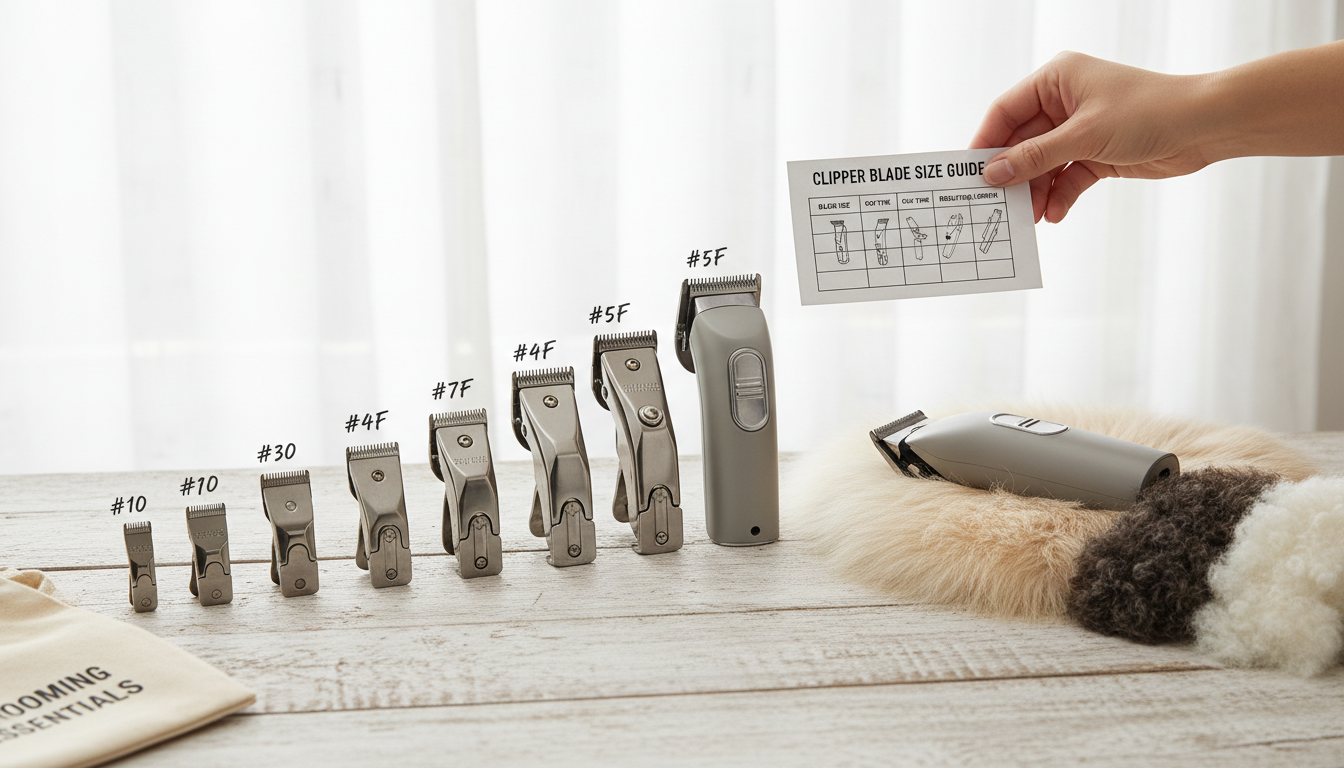
Dog Clipper Blade Size Chart: Choosing the Right Length for Every Coat Type
Compare dog clipper blades size chart with a practical informational SEO brief, decision criteria, FAQs, and publishing checks before you commit.
How to Sharpen Dog Clipper Blades: DIY vs. Professional Services
Compare how to sharpen dog clipper blades with a practical informational SEO brief, decision criteria, FAQs, and publishing checks before you commit.
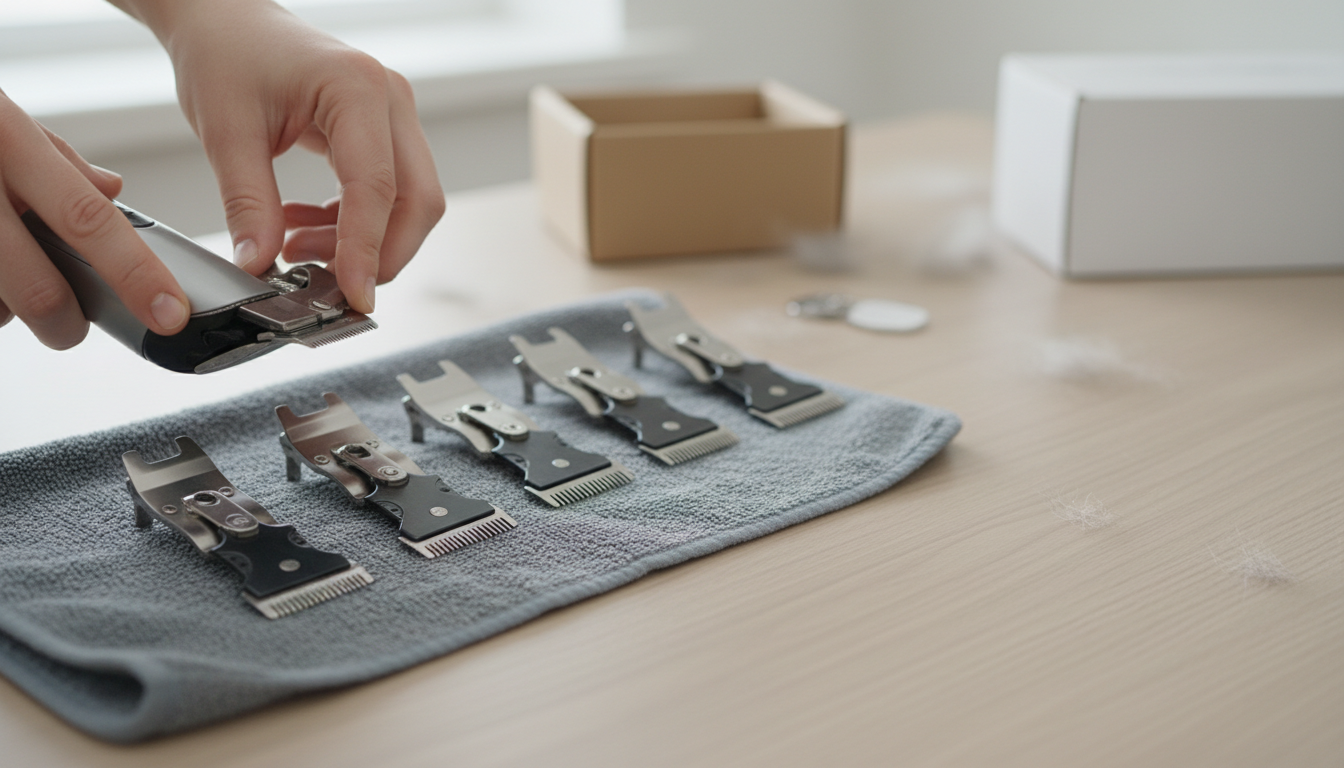
Wahl Dog Clipper Replacement Blades: Ensuring a Perfect Fit and Performance
Compare wahl dog clipper replacement blades with a practical informational SEO brief, decision criteria, FAQs, and publishing checks before you commit.