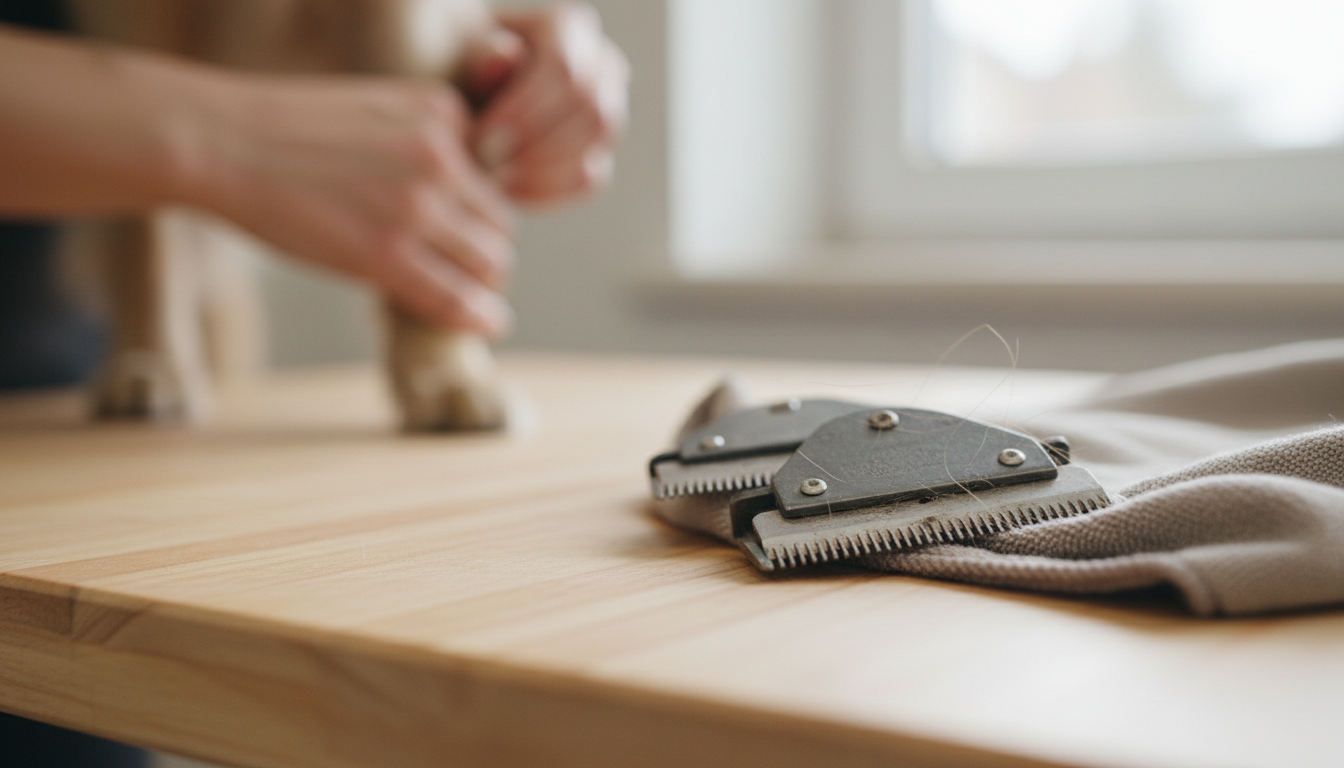
When to Sharpen Dog Clipper Blades: Signs Your Blades Need Professional Care
The Unseen Cost of Dull Blades: Why Your Dog's Grooming Deserves Sharpness
Grooming your dog is an essential part of their care, yet the condition of your tools can significantly impact the experience. Dull dog clipper blades represent an often-overlooked "unseen cost" in pet grooming, directly affecting both your pet's comfort and the quality of the finish. When blades lose their edge, they no longer cut cleanly; instead, they pull, snag, and tear at the fur, transforming a routine trim into a potentially painful and stressful ordeal for your dog.
This diminished sharpness has several direct consequences. For your pet, it can lead to skin irritation, razor burn, and a generally unpleasant grooming session, fostering anxiety around future trims. For the groomer, dull blades mean inefficient work, requiring more passes, increased effort, and often resulting in an uneven, choppy coat. This not only prolongs the grooming process but can also damage your clipper motor over time due to increased strain. To ensure a comfortable experience for your dog and achieve professional results, maintaining sharp blades is paramount. This article aims to empower you to accurately identify the critical signs that your dog clipper blades require professional sharpening, guiding you toward informed decisions for optimal grooming performance and pet well-being.
Recognizing the Red Flags: Clear Signs Your Clipper Blades Need Sharpening
Maintaining sharp dog clipper blades is crucial for efficient grooming and your pet's comfort. Dull blades can transform a routine trim into a frustrating experience, potentially causing pain for your dog and poor results for you. Identifying the need for professional dog clipper blades sharpening early can prevent these issues. Here are clear indicators that your blades have lost their edge:
- Hair Pulling or Snagging: A primary sign of dull blades is when they no longer cut cleanly but instead tug or pull at your dog's fur. Your pet may flinch, whine, or resist grooming more than usual, indicating discomfort or pain. This happens because the cutting edge is too blunt to slice through hair, forcing it to tear instead.
- Uneven Cut or "Track Marks": If your dog's coat appears choppy, with visible lines or areas of missed hair after a pass, your blades are likely dull. Sharp blades provide a smooth, consistent cut, whereas dull ones struggle to maintain an even length, leading to an unprofessional finish that requires more effort to correct.
- Increased Effort and Slow Cutting: You might notice that you need to apply more pressure or make multiple passes over the same area to achieve a trim. The clippers seem to move sluggishly through the coat, extending grooming time and increasing strain on both your hand and the clipper motor.
- Blades Heat Up Quickly: While some warmth is normal during use, excessively dull blades generate more friction as they struggle to cut through hair. This increased friction causes the blades to heat up rapidly and to a higher temperature, posing a risk of skin irritation or "clipper burn" for your dog.
- Hair Folds Instead of Cutting: Observe the hair as you groom. If the blades are pushing or folding the hair between the teeth rather than cleanly severing it, they are dull. You'll see hair accumulating on the blade surface without being trimmed, indicating a loss of cutting efficiency.
- Unusual Clipper Noises or Vibration: While not always solely due to dullness, a struggling motor or increased vibration can accompany dull blades as the clipper works harder to compensate for the lack of sharpness. This added stress can also contribute to premature wear on your grooming equipment.
Recognizing these signs early and addressing them through professional dog clipper blades sharpening ensures a more comfortable experience for your pet and better grooming outcomes.
Beyond the Cut: The Comprehensive Benefits of Professional Blade Sharpening
Opting for professional sharpening for your dog clipper blades is a strategic investment that extends far beyond simply restoring an edge. It's a decision that prioritizes your pet's well-being, elevates grooming standards, and offers significant long-term value for your equipment. Instead of viewing dull blades as a cue for replacement, consider the multifaceted advantages of expert refurbishment.
Professional sharpening directly contributes to ensuring pet comfort and safety during grooming. Sharp blades glide through fur cleanly, minimizing the painful pulling, snagging, and skin irritation that dull blades cause. This reduces stress and anxiety for the animal, making grooming a more positive experience and preventing potential nicks or razor burn from blades that drag. A comfortable pet is a cooperative pet, simplifying the grooming process for everyone involved.
Furthermore, professionally sharpened blades are essential for achieving superior, consistent grooming results. The precision edge allows for an even, smooth cut, free from the choppy appearance or "track marks" left by dull tools. This consistency is vital for both aesthetic appeal and maintaining a healthy coat, ensuring that each trim meets a high standard of quality.
Economically, professional sharpening offers substantial cost savings by extending the lifespan of expensive blades. High-quality clipper blades are a significant investment, and rather than repeatedly purchasing new ones, sharpening allows these tools to be restored to near-original condition multiple times. This practice can save considerable amounts over time, transforming a consumable item into a durable asset.
Beyond the blades themselves, sharp tools also play a role in maintaining clipper motor efficiency and preventing overheating. Dull blades create increased resistance, forcing the clipper motor to work harder. This added strain can lead to premature wear, reduced power, and overheating, potentially shortening the life of your entire clipper unit. Properly sharpened blades reduce this workload, ensuring your clipper operates smoothly and lasts longer.
Finally, professional sharpeners possess the expertise and equipment to address minor rust and imperfections that can develop on blades. While proper maintenance prevents most issues, a professional can often restore the finish of blades showing early signs of rust or minor damage, saving them from being discarded prematurely and ensuring they continue to perform optimally.
DIY Sharpening vs. Professional Service: Making the Right Choice for Your Blades
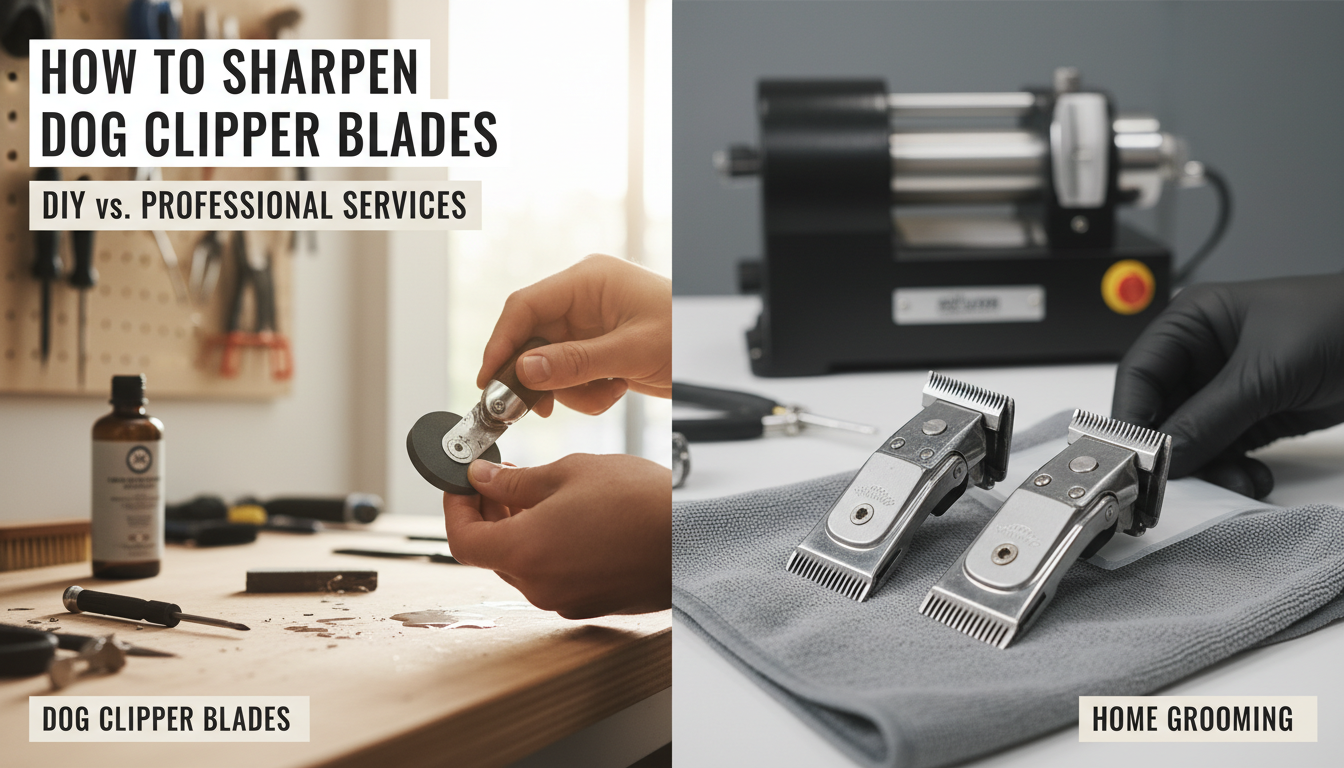
Once you've identified that your dog clipper blades are dull, the next critical decision is how to restore their edge. This choice often comes down to attempting at-home sharpening versus entrusting your blades to a professional service. Understanding the trade-offs involved is key to ensuring optimal grooming results and extending the life of your valuable equipment.
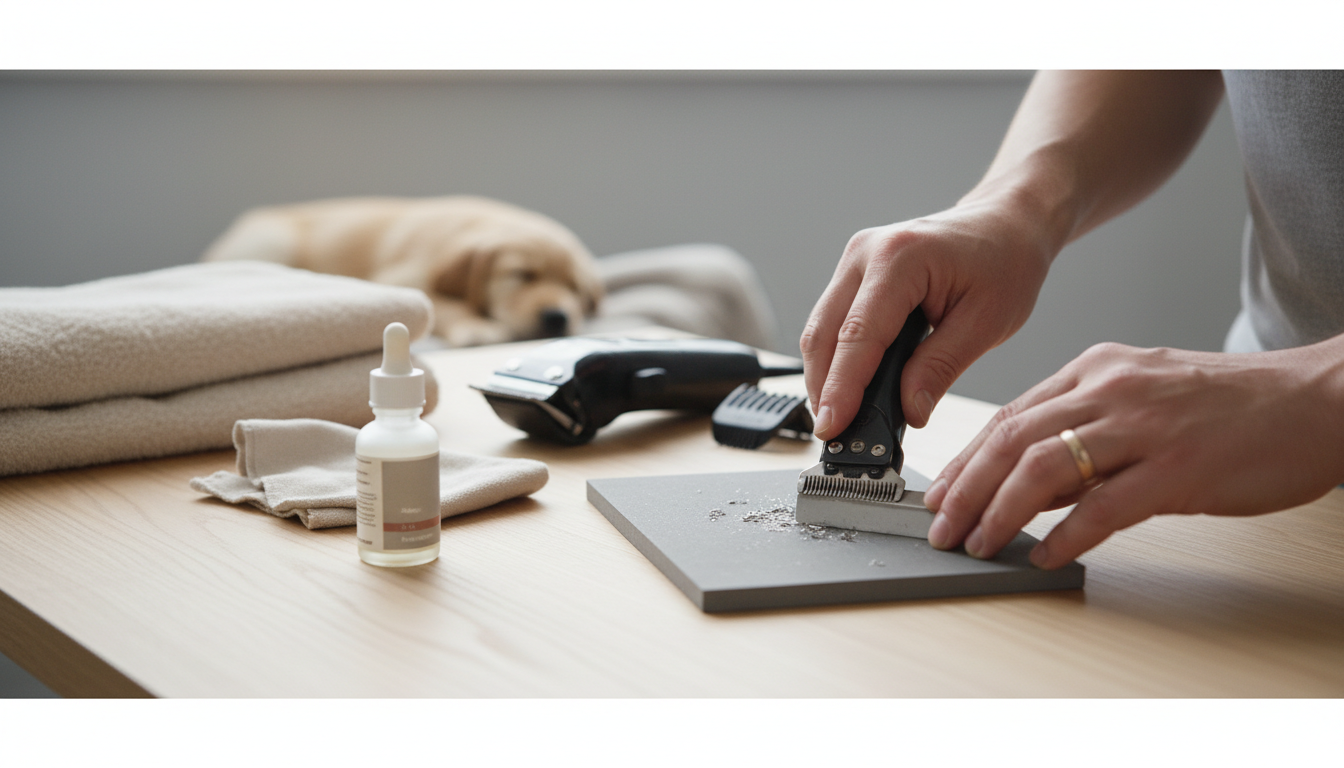
The allure of at-home sharpening kits often stems from perceived cost savings and immediate convenience. These kits, typically comprising sharpening stones or compounds, promise to restore a blade's edge without the need to ship them out. While they might offer a temporary fix for very minor dullness, their limitations become apparent quickly. Achieving the precise, consistent angle and flat surface required for dog clipper blades is exceptionally difficult without specialized machinery and expertise. Improper DIY attempts can lead to:
- Uneven Edges: Creating an inconsistent cutting surface that pulls hair rather than cutting it cleanly.
- Altered Geometry: Removing too much material or changing the blade's original angle, which can permanently damage the blade and affect its tension.
- Reduced Lifespan: Hastening the need for full blade replacement due to irreversible damage.
For these reasons, professional sharpening of dog clipper blades is often indispensable, especially for high-quality blades or those used frequently. Professional services utilize industrial-grade sharpening machines that can precisely restore the blade's factory angles and flatness, often resulting in an edge that performs as well as, or even better than, a new blade.
When making your decision, consider these key factors:
- Required Expertise: Professional sharpeners possess specialized knowledge and equipment to handle the intricate mechanics of clipper blades, a skill set not easily replicated at home.
- Time Commitment: Learning and executing proper DIY sharpening takes significant time and practice, whereas professional services save you this effort.
- Potential for Damage: The risk of irreparable damage to your blades is substantially higher with improper DIY methods compared to reputable professional services.
- Long-Term Cost-Effectiveness: While professional sharpening has an upfront cost, it extends the lifespan of your blades, potentially making it more economical than repeatedly purchasing new blades or attempting risky DIY fixes that lead to premature replacement.
Ultimately, the choice hinges on your comfort with technical tasks, the value of your blades, and your priority for consistent, high-quality grooming. For precision, longevity, and peace of mind, professional sharpening offers a reliable solution to maintain your dog clipper blades in peak condition.
Selecting a Sharpening Partner: Criteria for a Reputable Service
Choosing a professional service for dog clipper blades sharpening is an investment in your grooming tools and your pet's comfort. Not all sharpening services are equipped to handle the specific requirements of pet grooming blades. Evaluating potential partners based on key criteria can ensure your blades receive the precise care needed for optimal performance.
Consider the following factors when entrusting your blades to a sharpening professional:
- Specialized Expertise: Prioritize services that explicitly mention specialization in pet grooming or A5-style clipper blades. Sharpening these tools requires different techniques and angles compared to household knives or industrial blades. Reputable services often cater to professional dog groomers, veterinary clinics, and mobile grooming businesses, indicating a deeper understanding of these specialized tools.
- Transparent Pricing and Guarantees: Seek services that provide clear, upfront pricing without hidden fees. A trustworthy sharpener will also offer a service guarantee, such as re-sharpening blades free of charge if you're not satisfied with the initial result. This demonstrates confidence in their work and protects your investment.
- Efficient Turnaround and Logistics: Understand their typical turnaround time, especially if you rely on your blades for regular grooming. For mail-in services, inquire about secure packaging recommendations, insured shipping options, and tracking capabilities to minimize the risk of loss or damage during transit.
- Reputation and Customer Feedback: Research online reviews and testimonials, specifically looking for feedback related to their pet blade sharpening quality and consistency. A strong reputation, built on positive experiences from other pet owners or grooming professionals, is a reliable indicator of service quality.
- Sharpening Process and Quality Control: Don't hesitate to ask about their specific sharpening methods. A professional service should be able to explain their process, including the type of equipment used (e.g., hollow grinding for proper blade geometry), cleaning procedures (like rust removal and demagnetization), and any post-sharpening quality checks or testing performed to ensure blades are sharp, aligned, and ready for use.
Troubleshooting Post-Sharpening: Common Issues and What to Do
Even after investing in professional dog clipper blades sharpening, you might occasionally encounter performance issues. It's important to approach these situations systematically, as not every problem immediately points to a "bad" sharpening job. Understanding potential causes and appropriate responses can save time and prevent frustration.
Here are common issues that can arise after sharpening and practical steps to address them:
-
Blades Still Pulling or Not Cutting Effectively: This is a primary concern if blades feel dull immediately post-sharpening. While it can indicate an issue with the sharpening process, other factors often contribute.
- Insufficient Oiling: Freshly sharpened blades require proper lubrication before and during use. Lack of oil increases friction, leading to pulling, heat, and reduced cutting efficiency.
- Incorrect Blade Tension: Some clipper blade systems allow for tension adjustment. If the tension is too loose or too tight, the blades may not engage correctly, leading to poor cutting.
- Clipper Motor Issues: A weak or failing clipper motor may not provide enough power to drive even sharp blades effectively, mimicking dullness. Test the blades on another clipper if possible.
- Hair Cleanliness: Grooming dirty or matted hair, even with sharp blades, can quickly dull them or cause them to snag. Ensure the dog's coat is clean, dry, and detangled before clipping.
- Blade Compatibility: Ensure the blades are correctly seated on the clipper and are the appropriate type for your specific clipper model.
-
Overheating Issues Post-Sharpening: Blades can still get hot, even after being sharpened. While excessive material removal during sharpening can theoretically alter heat dissipation, it's more often due to:
- Lack of Lubrication: As mentioned, friction from dry blades generates significant heat.
- Prolonged Use: Any blades will heat up with continuous operation. Regular breaks, cooling sprays, and having multiple sets of blades to rotate can mitigate this.
- Clipper Motor Efficiency: An older or struggling clipper motor can generate more heat, which transfers to the blades.
-
Rust Reappearance or Other Unexpected Damage: Professional sharpening typically removes surface rust and burrs. However, the treated metal is still susceptible to corrosion if not properly maintained.
- Improper Storage: Blades should always be stored in a dry, cool environment. Humidity is a primary cause of rust.
- Incomplete Drying: After cleaning with blade wash or disinfectant, ensure blades are thoroughly dried before storage. Moisture left on the metal promotes rust formation.
- Lack of Post-Cleaning Oiling: A light coat of blade oil after cleaning and drying helps protect the metal surface from oxidation.
-
Steps to Take if You Encounter Problems with a Sharpening Service: If you've systematically ruled out other factors and suspect the sharpening quality, clear communication is key.
- Document the Issue: Note the specific problems (e.g., pulling, uneven cut, unusual noise), the date of sharpening, and the blade type.
- Contact the Sharpener Promptly: Reach out to the sharpening service as soon as you identify an issue. Most reputable sharpeners offer a guarantee or are willing to troubleshoot.
- Explain Clearly: Describe the problem objectively. Avoid accusatory language and focus on the symptoms you're observing.
- Follow Their Instructions: They may ask you to return the blades for inspection or provide specific troubleshooting steps.
- Understand Guarantees: Familiarize yourself with the sharpener's policy regarding re-sharpening or refunds for unsatisfactory work.
Frequently Asked Questions About Dog Clipper Blade Sharpening
Understanding the nuances of dog clipper blade sharpening can significantly impact your grooming routine and your pet's comfort. Here, we address common inquiries to help you make informed decisions about maintaining your essential grooming tools.
It's natural to wonder about the optimal frequency for sharpening. There isn't a universal schedule, as the need for sharpening largely depends on how often you groom, the type of coats you're clipping, and your blade maintenance habits. Rather than a fixed timeline, rely on the signs of dullness discussed previously—like pulling hair, leaving track marks, or blades heating up quickly—as your primary indicators. Professional groomers, with their high volume of work, typically require sharpening services much more frequently than home users.
The good news is that most quality dog clipper blades are designed to be sharpened. This includes the common detachable A5-style blades made from steel or ceramic. Sharpening extends their functional life, offering a more sustainable and cost-effective alternative to constantly replacing blades. However, some very inexpensive clippers may feature integrated, non-detachable blades or blades made from materials not suitable for sharpening. If you're unsure, consulting with a professional sharpening service can clarify if your specific blades are candidates for rejuvenation.
Once sharpened, the lifespan of a blade's edge is again tied to usage and care. A professionally sharpened blade, when properly maintained, can cut efficiently for numerous grooming sessions. Evidence suggests that sharpened blades can cut more efficiently and potentially last longer in terms of effective cutting performance than new ones, provided they are cared for. The overall number of times a blade can be sharpened before needing replacement varies, but quality blades can often withstand multiple sharpenings, making it a valuable investment over time.
Proper storage and maintenance between sharpenings are critical to maximizing blade performance and longevity.
- Clean thoroughly after each use: Remove all hair and debris using a blade brush.
- Disinfect: Use a blade wash or disinfectant spray to sanitize and cool the blades.
- Oil regularly: Apply a few drops of clipper oil to the teeth and friction points while the clipper is running to lubricate and prevent rust.
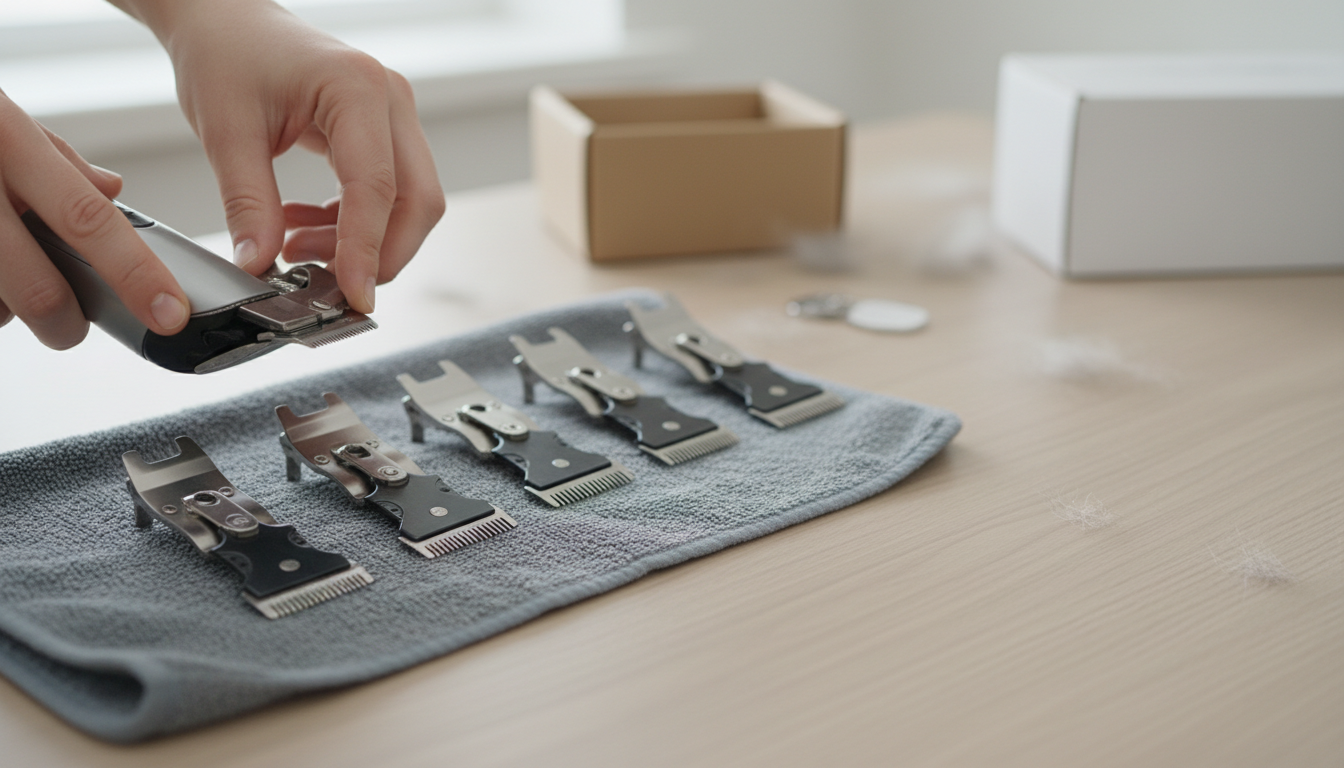
- Store properly: Keep blades in a protective case or on a blade rack to prevent damage to the delicate cutting edges. Avoid leaving them exposed where they can be dropped or nicked.
While the fundamental process of sharpening a blade remains consistent, sharpening services may offer different considerations for professional groomers versus home users. Professional services often cater to the higher volume and faster turnaround needs of commercial operations, sometimes offering bulk discounts or pickup/delivery services. However, the quality of the sharpening itself—aiming for a precise, sharp edge—should be equally high for all customers, regardless of their user segment. The key is to choose a reputable sharpener with experience handling dog grooming blades.
The Bottom Line: Prioritizing Sharp Blades for Happy, Healthy Grooming
The condition of your dog clipper blades directly impacts the comfort and safety of your pet, as well as the quality of the grooming outcome. Throughout this guide, we've highlighted critical signs—such as hair pulling, uneven cuts, and increased resistance from your dog—that signal your blades have lost their optimal edge. Recognizing these indicators promptly is the first step toward preventing discomfort for your pet and frustration for the groomer.
Opting for professional dog clipper blades sharpening offers significant benefits beyond simply restoring a cutting edge. It extends the lifespan of your valuable grooming tools, ensures efficient and clean cuts, and, most importantly, provides a more pleasant and stress-free experience for your dog. Unlike attempting to sharpen blades at home, professional services utilize specialized equipment and expertise to restore the precise angles and sharpness required for animal grooming, maintaining the integrity and performance of your blades.
Ultimately, prioritizing regular blade maintenance is an essential component of responsible pet care. Just as you attend to your dog's diet, exercise, and veterinary needs, ensuring their grooming tools are in prime condition contributes to their overall well-being. Viewing quality grooming tools and their professional upkeep as an investment not only safeguards your pet's comfort and health during grooming but also enhances your efficiency and satisfaction as a groomer.
More in Dog Clipper Blades
View All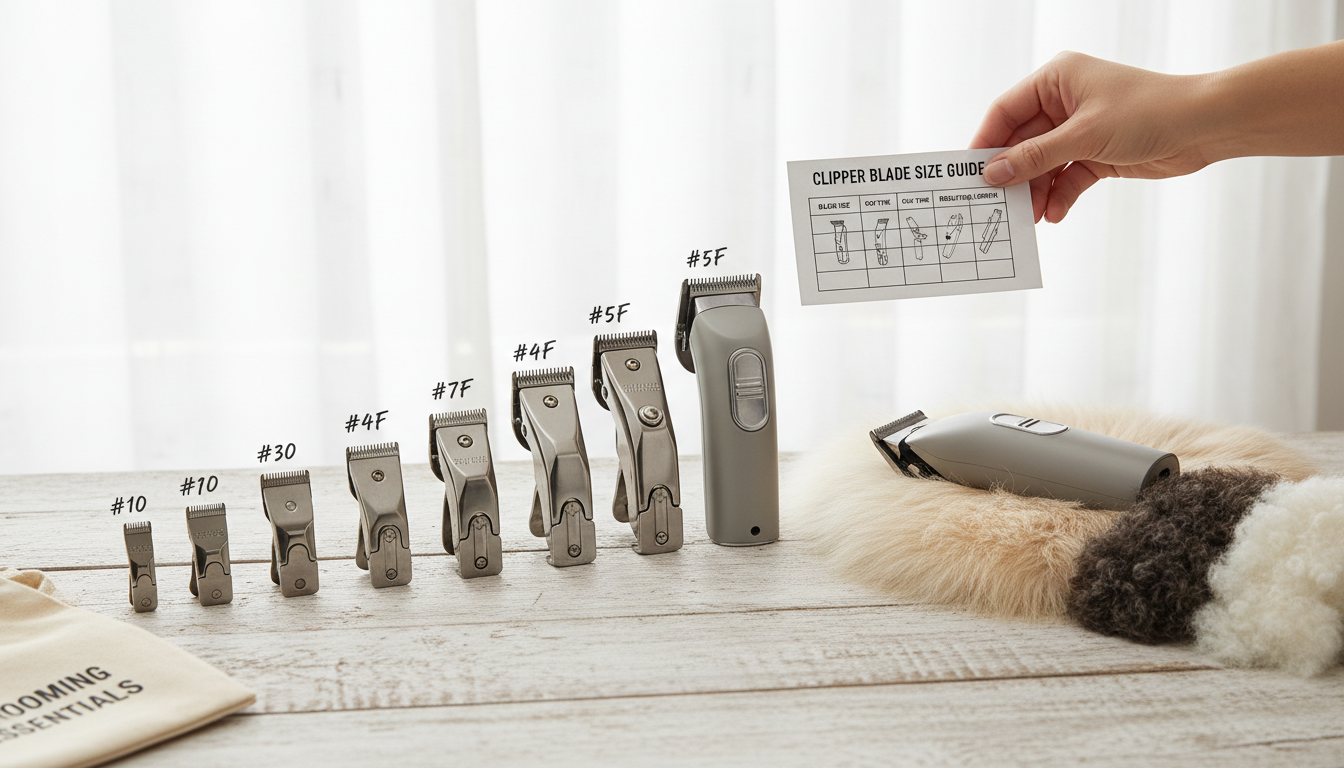
Dog Clipper Blade Size Chart: Choosing the Right Length for Every Coat Type
Compare dog clipper blades size chart with a practical informational SEO brief, decision criteria, FAQs, and publishing checks before you commit.
How to Sharpen Dog Clipper Blades: DIY vs. Professional Services
Compare how to sharpen dog clipper blades with a practical informational SEO brief, decision criteria, FAQs, and publishing checks before you commit.
Wahl Dog Clipper Replacement Blades: Ensuring a Perfect Fit and Performance
Compare wahl dog clipper replacement blades with a practical informational SEO brief, decision criteria, FAQs, and publishing checks before you commit.