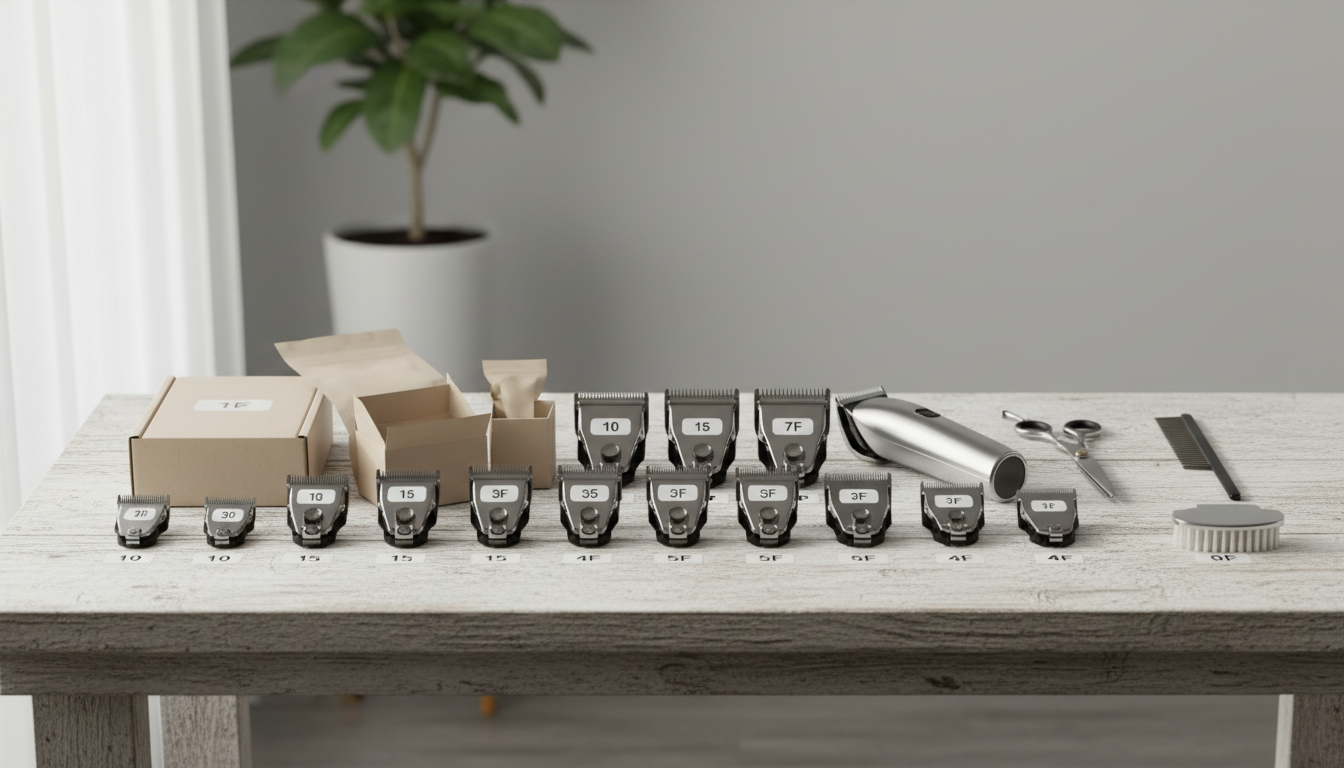
Dog Clipper Blade Sizes Explained: A Guide to Choosing the Right Length
Navigating the World of Dog Clipper Blade Sizes: A Crucial First Step to Perfect Grooming
For many dog owners and amateur groomers, the sheer variety of dog clipper blade sizes can be a source of significant confusion. Deciphering the numbers and their corresponding cut lengths is often the first hurdle in achieving a successful home groom. Without a clear understanding, selecting the wrong blade can lead to uneven cuts, skin irritation for your pet, or simply purchasing tools that don't meet your specific grooming needs.
Choosing the correct blade size is paramount for both effective and safe grooming. It directly impacts your dog's comfort during the process and the final appearance of their coat. Using a blade that's too short for a sensitive area, or one that's inappropriate for a specific coat type, can result in a frustrating experience for both you and your dog, potentially causing nicks or skin burns.
This guide aims to demystify the complex world of dog clipper blade sizes. By providing clear explanations and practical guidance, we intend to empower you to:
- Prevent common grooming errors: Avoid issues like uneven cuts, "clipper burn," or an unintended cut length.
- Enhance pet comfort: Ensure a smooth, safe grooming experience tailored to your dog's coat and skin.
- Improve purchasing confidence: Make informed decisions about which blades to acquire, saving time and avoiding unsuitable purchases.
Understanding these essential tools is not just about achieving a desired aesthetic; it's about prioritizing your dog's well-being and making your grooming routine more efficient and enjoyable.
Understanding the Dog Clipper Blade Sizing System
Navigating the numerical designations on dog clipper blades is fundamental to achieving desired grooming outcomes and ensuring your pet's comfort. The system primarily uses numbers to indicate the length of hair left behind, with a general rule that a higher blade number corresponds to a shorter cut. This numerical scale helps home groomers select the appropriate tool for various coat types and styles.
Most standard clipper blades follow a system where sizes range from very short, like a #30 blade, to longer cuts, such as a #4 or even specialty blades designed for specific lengths. For instance, a #30 blade typically leaves hair approximately 1/50th of an inch (0.5 mm) long, suitable for ultra-fine cutting or surgical preparation. Moving up the scale, a common #10 blade cuts to about 1/16th of an inch (1.6 mm), offering a versatile short length. Longer blades, like the #7F, will leave about 1/8th of an inch (3.2 mm), while a #4F can leave roughly 1/4 inch (6.3 mm) of hair. Beyond these, even longer blades exist, sometimes denoted in fractions of an inch (e.g., 3/4"HT for 19 mm).
Beyond the numerical size, blades often come in different tooth configurations, primarily "Finish" (F) and "Skip Tooth" designs:
- Finish (F) Blades: These blades feature closely spaced teeth, designed to provide a smooth, even cut. They are generally safer for beginners and are ideal for achieving a uniform, finished look on a clean, mat-free coat. The "F" designation ensures a consistent hair length across the groomed area.
- Skip Tooth Blades: Characterized by alternating long and short teeth, skip tooth blades are engineered to feed thicker, denser, or matted coats more effectively. They leave a slightly more natural, textured finish. However, due due to the wider spacing between teeth, they require careful handling to avoid catching skin, especially on areas with loose skin or when used by less experienced groomers. They are typically recommended for experienced users or for initial passes on very dense coats before a finish blade is used.
The material of the blade also plays a role in its performance and longevity. Most blades are made from hardened steel, offering durability and a sharp edge. However, ceramic blades are also available, often featuring a ceramic cutter over a steel base. Ceramic blades are known for staying cooler during extended use, which can reduce the risk of "clipper burn" on a pet's skin, a significant comfort factor during longer grooming sessions.
Comprehensive Dog Clipper Blade Size Chart and Common Uses
Understanding the various dog clipper blade sizes is fundamental for any home groomer aiming for precise results and their pet's comfort. Each blade number corresponds to a specific hair length it leaves behind, influencing both the aesthetic outcome and the safety of the grooming process. This chart serves as a practical reference, detailing common blade sizes, their approximate cut lengths, and typical applications to help you confidently select the right tool for your dog's coat and your grooming goals.
Choosing the appropriate blade prevents common issues like uneven cuts or skin irritation, ensuring a smoother experience for your dog.
| Blade Size | Approximate Cut Length (mm/inches) | Primary Uses & Considerations | | :--------- | :--------------------------------- | :---------------------------- | | #30 | 0.5 mm (1/50") | Ultra-short cuts: Ideal for very fine, close trims, surgical preparation, or areas requiring extreme shortness like paw pads (with caution). Requires advanced skill due to closeness. | | #15 | 1.8 mm (3/64") | Close trims: Suitable for short, fine cutting, often used for sanitary trims or very short body clips on specific coat types. | | #10 | 1.6 mm (1/16") | General utility & safety: A highly versatile blade, often considered a standard for general body work, sanitary trims, and surgical prep. It's a safe choice for most dogs as it cuts short enough to be effective but long enough to minimize skin irritation. | | #9 | 3.2 mm (1/8") | Short to medium clips: Provides a slightly longer cut than a #10, suitable for a short, tidy body length on various coat types. | | #7F | 3.2 mm (1/8") | Smooth, short finish: The "F" denotes a finish blade, which has full teeth that leave a smoother, more finished look than a skip-tooth blade of the same length. Excellent for short body clips on double-coated breeds or for a clean, uniform appearance. | | #5F | 6.3 mm (1/4") | Medium-length body clips: Provides a medium-short cut, popular for many breeds that require a tidy, yet not extremely short, coat. The "F" ensures a smooth finish. | | #4F | 9.5 mm (3/8") | Longer body clips: Leaves a noticeable length of hair, suitable for maintaining a fuller coat while still managing shedding and tangles. The "F" provides a clean, even cut. | | Comb Attachments | 12.7 mm (1/2") to 25.4 mm (1") or more | Extended lengths & blending: Plastic or metal comb attachments fit over a #10 or #30 blade, allowing for much longer cuts. Essential for achieving fluffy looks, blending, or maintaining significant coat length. Always use with a clean, untangled coat. |
When reviewing this chart, consider your dog's specific coat type, the desired finished length, and any sensitive areas that require extra caution. Blades marked with an "F" (Finish) are designed with full teeth to provide a smoother, more uniform cut, which is generally preferred for most full-body grooming tasks. For longer lengths and a natural, flowing appearance, comb attachments used over a standard blade are invaluable.
Key Factors for Selecting the Right Dog Clipper Blade Size
Choosing the appropriate dog clipper blade involves more than just selecting a number; it requires a thoughtful assessment of several critical factors. Understanding these elements ensures a safe, comfortable, and effective grooming experience for your dog.
-
Dog's Coat Type and Condition The texture and density of your dog's coat significantly influence blade choice. Coarse, thick, or double coats may require specific blade designs, such as skip-tooth blades, to feed hair efficiently without pulling. Fine or silky coats might benefit from finish blades (F-blades) for a smooth cut. For matted coats, extreme caution is necessary. Severely matted areas often require a #10 or even a #30 blade to get under the mat, close to the skin, but this method carries a higher risk of skin irritation or nicks and should be approached with great care. Always prioritize dematting or professional assistance for heavy matting if possible.
-
Desired Hair Length and Style The numerical designation on a clipper blade directly correlates to the length of hair it leaves behind. A higher blade number generally results in a shorter cut. For instance, a #10 blade leaves hair approximately 1/16th of an inch (1.6 mm), suitable for very short cuts or sanitary trims. Longer blades, such as a #7F (1/8 inch or 3.2 mm) or #4F (3/8 inch or 9.5 mm), are used for longer body cuts. Consider the intended aesthetic – whether a full body shave, a specific breed clip, or simply tidying up certain areas – to match the blade size to your grooming goal.
-
Dog's Comfort and Skin Sensitivity Your dog's comfort is paramount. Shorter blades, particularly #10 and above, increase the risk of "clipper burn" or nicks, especially on areas with thin skin like armpits, groin, and ears. Breeds with naturally thin skin, puppies, or senior dogs tend to be more sensitive. For these dogs, or when grooming sensitive areas, opting for longer blades or those with a "finish" (F) designation can reduce irritation. Always monitor your dog's reaction and the blade's temperature during grooming.
-
Groomer's Skill Level For beginners, starting with longer blades (e.g., #7F, #5F, #4F) is advisable. These blades are more forgiving, reducing the likelihood of accidental nicks or uneven cuts. As skill and confidence grow, you can gradually introduce shorter blades for specific tasks like sanitary trims or paw pads. Experienced groomers often utilize a wider range of blade sizes for intricate styling and precision work.
-
Clippers Compatibility Before purchasing any blade, confirm its compatibility with your specific clipper model. Most professional-grade clippers use a universal "A5-style" detachable blade system, allowing interchangeability between many brands. However, some consumer-grade clippers or cordless models may require proprietary blades unique to their brand. Always consult your clipper's manual or manufacturer specifications to ensure a proper and secure fit.
Avoiding Common Pitfalls and Risks in Blade Selection
Selecting the appropriate dog clipper blade size is critical, yet several common mistakes can lead to discomfort for your pet and unsatisfactory grooming results. Understanding these potential pitfalls can help home groomers make informed choices and prevent unnecessary complications.
-
Using Blades That Are Too Short Employing a blade that cuts hair too close to the skin carries significant risks. Blades designed for extremely short lengths, while useful for specific applications, can easily cause skin irritation, nicks, or even "clipper burn." Clipper burn occurs when friction heats the blade, leading to skin redness and discomfort. Dogs with thin skin, senior pets, or those unaccustomed to clipping are particularly susceptible. Always prioritize your dog's comfort and err on the side of a slightly longer blade if unsure, especially in sensitive areas like the armpits, groin, or ears.
-
Struggling with Matted Coats Clipper blades are designed to cut clean, untangled hair. Attempting to clip through matted fur with standard blades is largely ineffective and can be exceptionally painful for your dog. Fine-toothed blades will snag and pull, causing severe discomfort and potentially tearing the skin hidden beneath the mat. Before any clipping begins, thoroughly dematt the coat. If mats are severe and tight against the skin, it's safer to use a longer blade to carefully go under the mat if possible, or seek professional grooming assistance to avoid injury. Blades are not designed to detangle.
-
Neglecting Blade Maintenance The performance and safety of your chosen blade depend heavily on consistent maintenance. Neglecting to clean, oil, and sharpen blades can quickly turn a suitable blade into a hazard. Dull blades pull at the hair rather than cutting it, causing pain and an uneven finish. Unlubricated blades generate excessive heat, increasing the risk of clipper burn. Poorly maintained blades also wear out faster, leading to premature replacement. Regular cleaning after each use, oiling before and during extended grooming sessions, and professional sharpening when performance declines are essential for longevity and safe operation.
-
Compatibility Issues Not all clipper blades are universally compatible with every clipper model or brand. Different manufacturers often design their clippers to work with specific blade systems. Attempting to force an incompatible blade onto a clipper can damage both the blade and the clipper motor, rendering them unusable. Before purchasing any replacement or new blade, always verify its compatibility with your specific clipper brand and model number. Refer to your clipper's manual or the manufacturer's website for precise compatibility information.
-
The Trade-off Between Speed and Precision There's an inherent trade-off between the speed of clipping and the potential for error, particularly for home groomers. While using a very short blade might seem like a quick way to remove a lot of hair, it significantly increases the risk of nicks, uneven patches, or skin irritation. Rushing the grooming process, regardless of blade choice, compounds these risks. Prioritize a steady, deliberate approach over speed. Taking your time with appropriate blade lengths and ensuring your dog is calm and comfortable will lead to a safer, more uniform cut, even if the process takes longer.
Your Decision Path: Choosing the Best Blade Sizes for Your Dog
Selecting the right dog clipper blade involves a systematic approach that synthesizes your dog's unique characteristics with your grooming objectives. This structured decision path helps ensure comfort for your pet and satisfactory results for your grooming efforts.
Step 1: Assess Your Dog's Coat Type and Condition
Begin by thoroughly evaluating your dog's coat. Different coat types respond uniquely to various blades.
- Thick, Dense, or Double Coats: These often require blades that can cut through volume without overheating or pulling. Longer blades (e.g., #4, #5, #7) are generally safer for maintaining the coat's natural insulation.
- Fine or Silky Coats: These can be prone to nicks if blades are too short or used carelessly.
- Matted Coats: Severely matted areas may necessitate a shorter blade (like a #10 or even a #15) to get underneath the matting. However, this is a high-risk situation, demanding extreme caution to avoid skin injury. Always try to demat first if possible, or seek professional help for severe matting.
Step 2: Determine Desired Hair Length and Style
Your grooming goal dictates the specific blade length. Consider the practical and aesthetic outcome you envision.
- Very Short Trim (e.g., sanitary areas, surgical prep): Blades like #10, #15, or #30 leave very little hair (1/16" to 1/50"). These are for specific, short-length needs, not general body clips for most dogs.
- Short to Medium Length (e.g., summer cuts, easy maintenance): Blades such as #7F (1/8") or #5F (1/4") provide a functional, uniform cut.
- Longer Lengths (e.g., breed-specific styles, winter coats): Blades like #4F (3/8") or even specialty comb attachments over a #30 blade can achieve longer, fluffier finishes.
Step 3: Consider Your Dog's Skin Sensitivity and Temperament
Your dog's comfort and safety are paramount.
- Sensitive Skin: Dogs prone to irritation or "clipper burn" benefit from longer blades (e.g., #7F or longer) which create more distance between the skin and the cutting edge.
- Nervous or Reactive Temperament: A stressful grooming experience can be exacerbated by overly short blades that might pull or feel uncomfortable. Opting for a slightly longer, smoother-cutting blade can reduce anxiety.
- Age and Health: Older or infirm dogs may have thinner skin or less tolerance for prolonged grooming sessions, making gentler, longer blades a safer choice.
Step 4: Match Factors with Appropriate Blade Sizes
Consolidate your findings from the previous steps. Refer to a reliable blade size chart (often provided by clipper manufacturers or in comprehensive grooming guides) that correlates blade numbers with their approximate cut lengths.
- Cross-reference: Find the blade size that aligns with your dog's coat type, the desired hair length, and their skin sensitivity. For example, a thick-coated dog needing a medium-short cut might use a #7F, while a dog with fine hair needing a very short sanitary trim might use a #10.
- "F" or "FC" Blades: These "finish" or "fine cut" blades are designed to leave a smoother finish and are generally preferred for body work compared to skip-tooth blades, which are primarily for matted coat removal or blending.
Step 5: Verify Blade Compatibility with Your Clipper
Before purchasing, ensure the chosen blade size is compatible with your specific clipper model.
- A5 Detachable System: Many professional-grade clippers use a universal A5 detachable blade system, offering broad compatibility across brands.
- Proprietary Systems: Some consumer-grade clippers or specific brands may use proprietary blade designs that only fit their own models. Always check your clipper's manual or product specifications.
If you are uncertain about the best blade size, always opt for a slightly longer blade. You can always go shorter during the grooming process, but you cannot add hair back once it's cut. This approach minimizes the risk of over-cutting, skin irritation, and ensures a more comfortable experience for your dog.
Frequently Asked Questions About Dog Clipper Blade Sizes
Understanding the nuances of dog clipper blades can lead to more confident and effective grooming. Here are answers to common questions that often arise when selecting and using these essential tools.
-
Can I use human clipper blades on dogs? It is generally not recommended to use human clipper blades on dogs. Dog hair, or fur, differs significantly from human hair in texture, density, and growth patterns. Dog clipper blades are specifically designed with different tooth configurations, materials, and cooling properties to handle various animal coats effectively and safely, minimizing the risk of pulling, irritation, or overheating.
-
What's the best blade size for a matted dog? For matted coats, extreme caution is necessary. Often, very short blades like a #10 or #15 are used to get under the mat, close to the skin, to safely remove it without pulling the hair or cutting the skin. This process requires significant care and skill. Attempting to cut through mats with longer blades or scissors can be painful for the dog and dangerous. For severe matting, professional grooming is often the safest option.
-
How do I know if my blade is getting dull? Several signs indicate a dull blade:
- The blade pulls at the dog's hair instead of cutting cleanly, causing discomfort.
- You notice "track marks" or an uneven finish in the coat.
- The clipper motor sounds like it's straining or working harder than usual.
- The blade heats up excessively fast, even with proper lubrication.
- You need to make multiple passes over the same area to achieve a cut. Dull blades can lead to clipper burn and an unpleasant grooming experience for your pet.
-
What's the difference between ceramic and steel blades? The primary difference lies in their material properties and performance characteristics.
- Steel blades (typically carbon or stainless steel) are durable and widely available. They are robust but can heat up more quickly due to friction if not properly cooled and lubricated.
- Ceramic blades feature a ceramic cutting edge. They are known for staying cooler longer, reducing the risk of clipper burn, and often maintaining sharpness for an extended period. However, ceramic is more brittle than steel and can chip or break if dropped.
-
Are attachment combs the same as blades? No, attachment combs (also known as guide combs or snap-on combs) are distinct from blades. An attachment comb is a plastic or metal guard that fits over a standard clipper blade, typically a #10 or #30. They dictate the length of hair that remains by lifting the coat away from the blade's cutting edge. The blade itself still does the cutting, but the comb ensures a longer, consistent finished length than the blade alone would achieve. They are used to create longer styles and add versatility to your grooming tools.
Groom with Confidence: Mastering Dog Clipper Blade Sizes
Understanding dog clipper blade sizes is not merely a technical detail; it is a fundamental pillar of successful and humane home grooming. The insights gained into how blade numbers correlate with cut lengths, and how different blade types suit various coat textures, directly equip you to make informed decisions. This knowledge helps prevent common grooming pitfalls and ensures a comfortable experience for your dog.
You now possess the criteria to confidently select the appropriate blades for your dog's specific needs, whether for a full body trim or delicate touch-ups. Prioritizing your pet's comfort and safety should always guide your choices, encouraging a gentle approach and continuous learning as you refine your grooming skills.
Embracing the nuances of blade selection transforms grooming from a daunting task into a rewarding one. With the right tools, you can achieve professional-looking results, maintain your dog's coat health, and strengthen your bond, all while ensuring their well-being with every trim.
More in Dog Clipper Blades
View All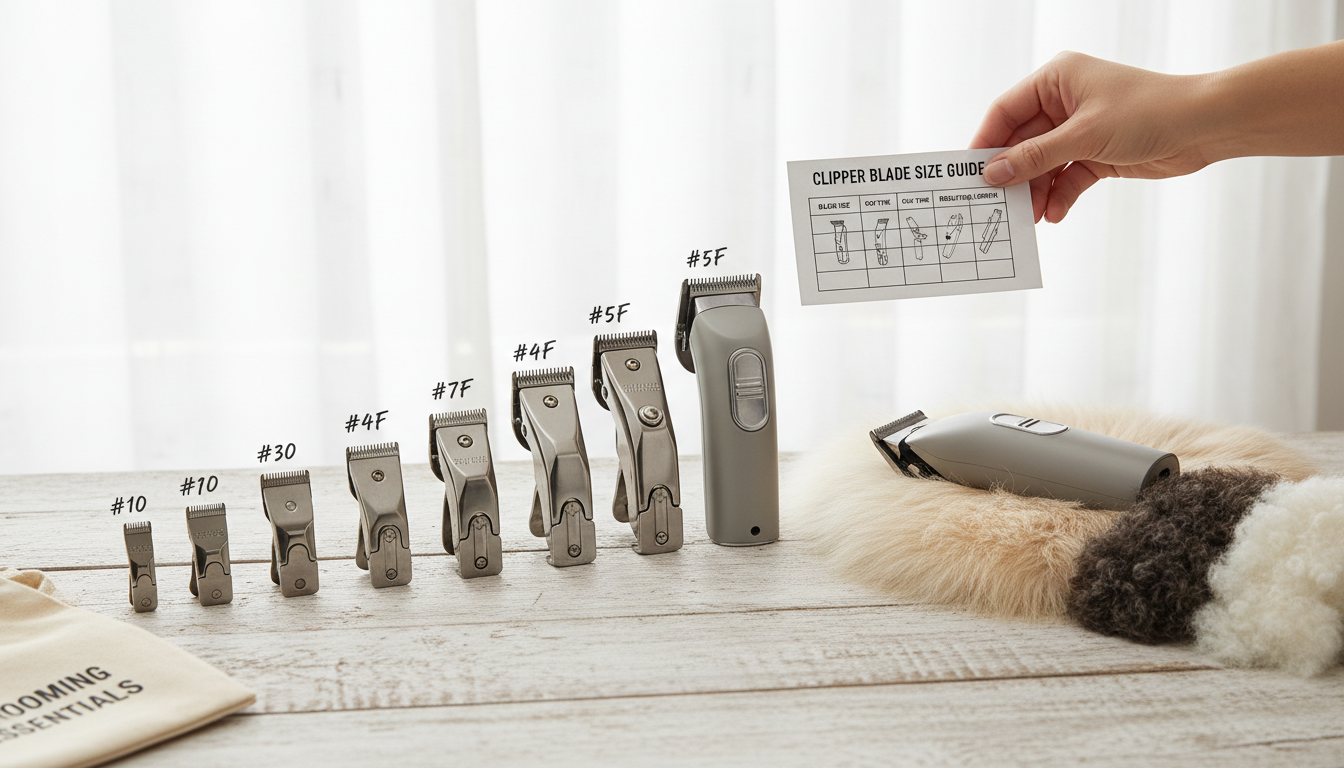
Dog Clipper Blade Size Chart: Choosing the Right Length for Every Coat Type
Compare dog clipper blades size chart with a practical informational SEO brief, decision criteria, FAQs, and publishing checks before you commit.
How to Sharpen Dog Clipper Blades: DIY vs. Professional Services
Compare how to sharpen dog clipper blades with a practical informational SEO brief, decision criteria, FAQs, and publishing checks before you commit.
Wahl Dog Clipper Replacement Blades: Ensuring a Perfect Fit and Performance
Compare wahl dog clipper replacement blades with a practical informational SEO brief, decision criteria, FAQs, and publishing checks before you commit.